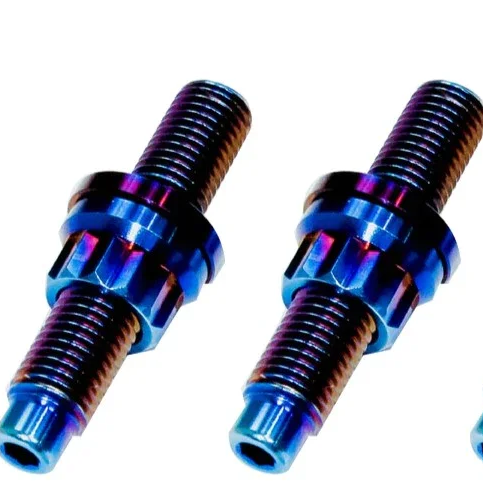
Specialized Titanium Fasteners & Sealing Hardware
Direct supply from Baoji "China Titanium Valley" directly conforming to DIN, ISO, and custom CAD specifications for northern California procurement teams.
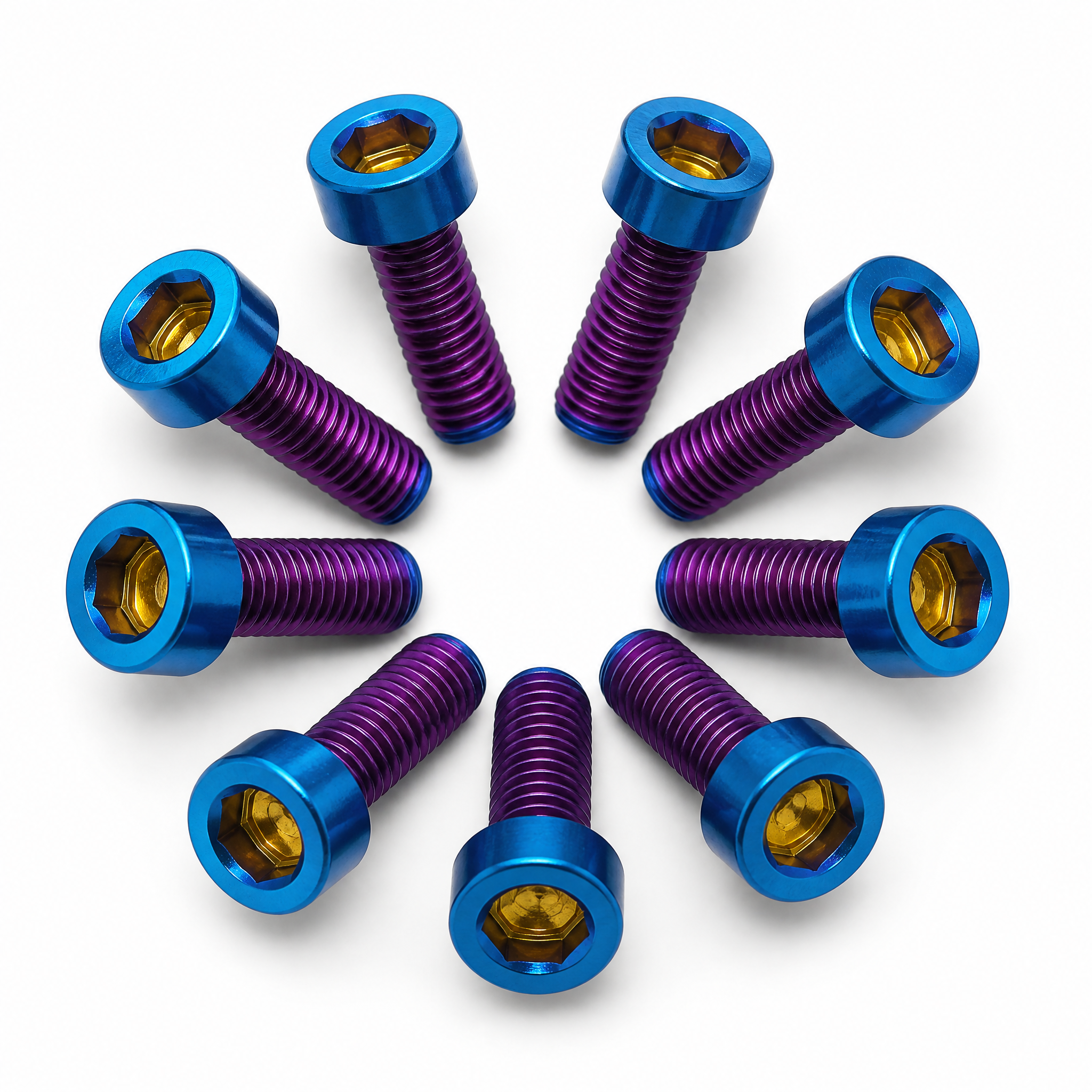
Titanium Alloy Bolts Gr5 Anodized Colored Torx M4 M5 M6 Titanium Screws
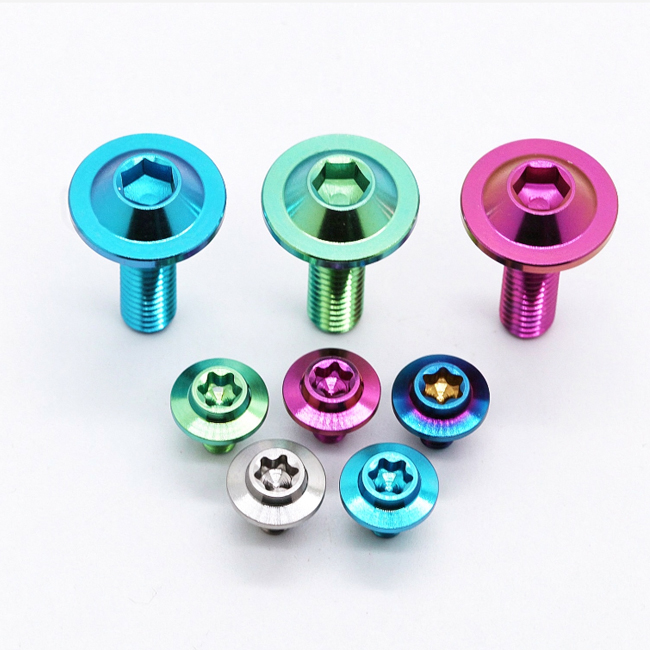
Anodized Rainbow GR5 Flange Head Allen Bolt Lightweight Fastener
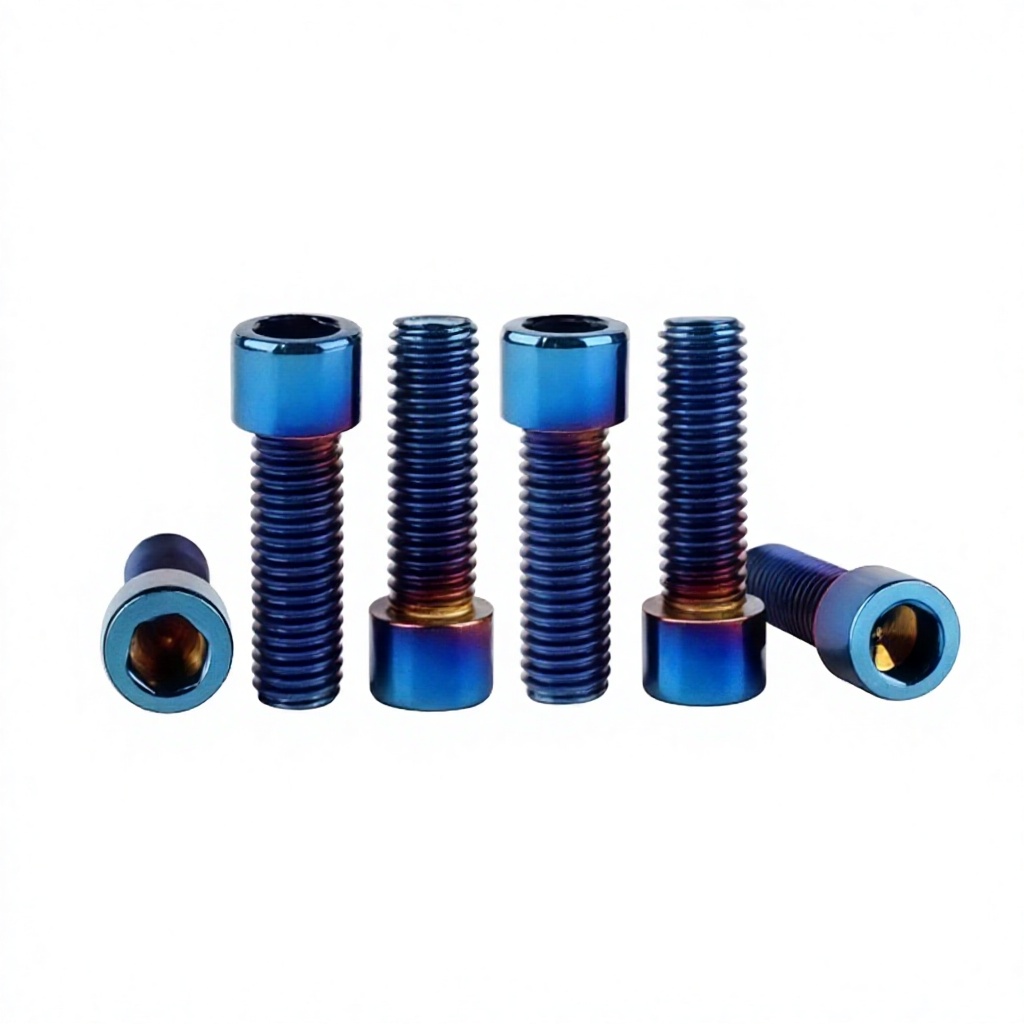
Flat Head Industrial Grade Titanium Screws M1.6 Micro Application
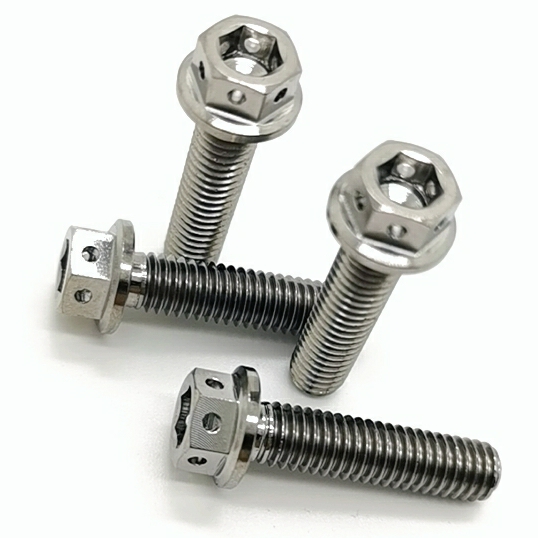
High Quality GR5 Socket Head Class 8.8 Wear-Resistant CNC Machined Bolts
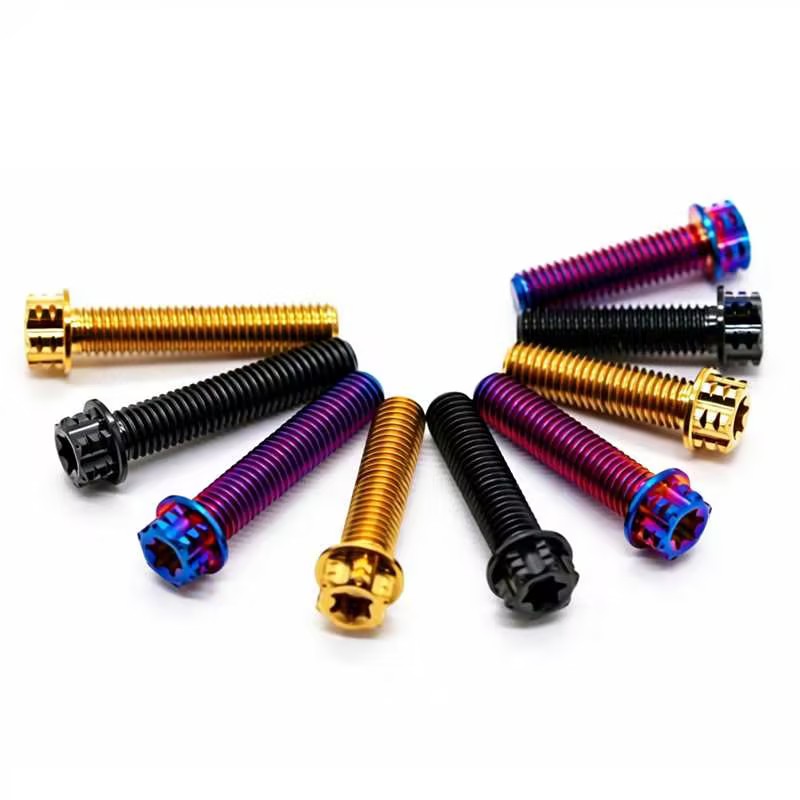
Titanium Torx Head Bolt Class 8.8 Gr5 PVD Coated Star Screw OEM
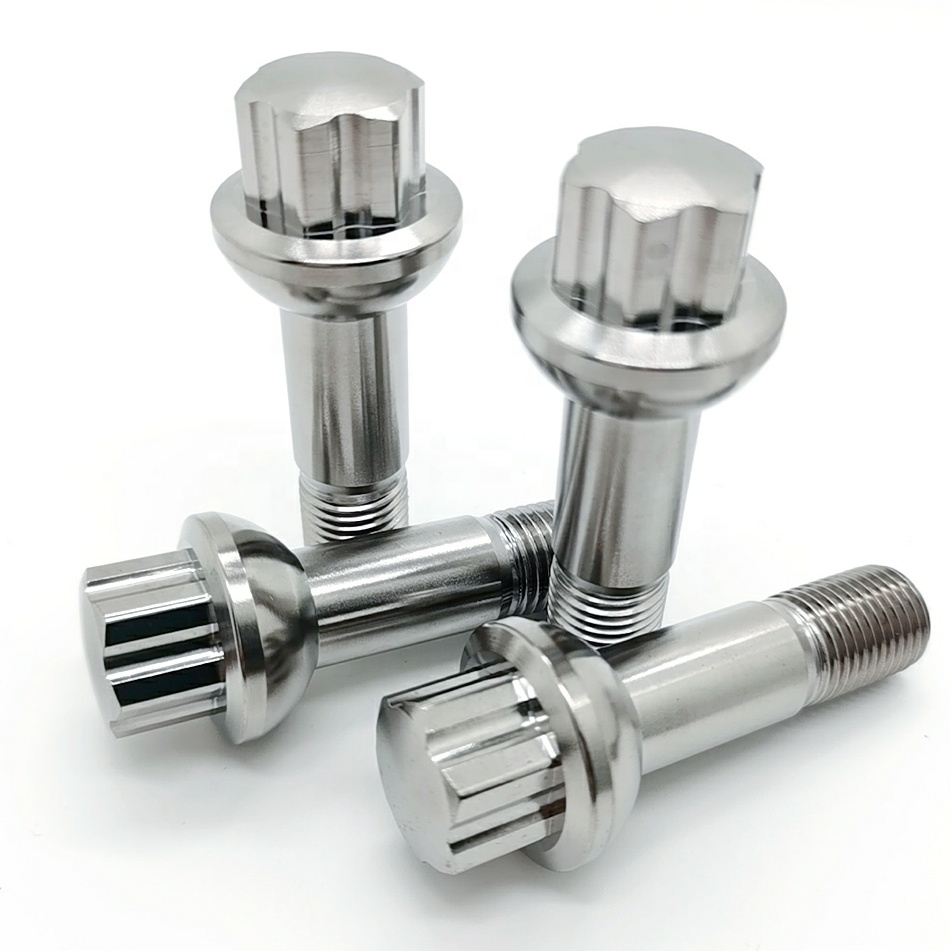
Titanium Wheel Lug Bolts M14x1.5 / M12x1.25 for Racing & High-End EV
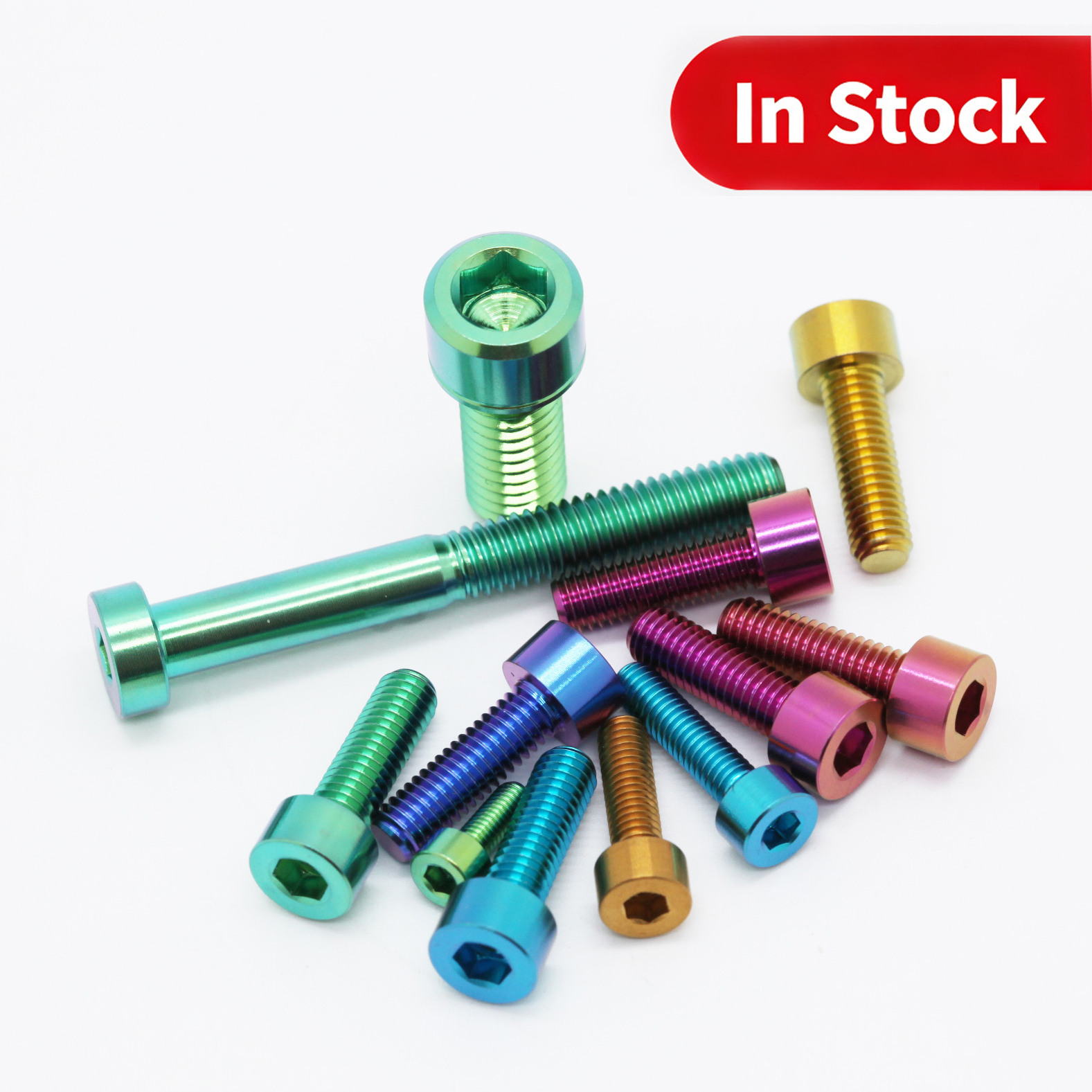
Wholesale GR5 DIN912 Titanium Hex Socket Bolts Custom Industrial Sizes
Engineering Whitepaper: Managing Stress Relaxation & Sealing Integrity in Titanium Interfaces
In high-reliability mechanical assemblies, joint failure rarely originates from pure tensile breakage of the bolt shank; in over 82% of dynamic leak instances, failure occurs due to uneven seating load distribution, thermal mismatch, or stress relaxation across the sealing gasket. For engineering procurement directors across the San Francisco Bay Area, specifying Titanium Sealing Washers manufactured from Commercially Pure Grade 2 or structural Grade 5 (Ti-6Al-4V) represents an engineered decision to eliminate joint degradation.
Unlike standard copper, PTFE, or austenitic stainless steel crush rings, Grade 2 titanium maintains a self-passivating titanium oxide (TiO₂) film that instantly regenerates in oxygenated, aqueous, or chloride-dense fluid streams. When subjected to preloading, our CNC-turned titanium sealing washers provide controlled elastic deformation. This allows internal pressure boundaries—such as those encountered in semiconductor chemical dosing chambers, hydrogen test skids in Alameda, or high-vacuum subsea research chambers near Monterey Bay—to retain hermetic sealing coefficients up to 10⁻⁸ mbar·l/s without galling mating surfaces.
Furthermore, Yevzo’s CNC turning processes ensure a radial surface flatness of less than 0.8 µm Ra on sealing surfaces. By avoiding punch-shear microcracks typical of low-cost stamped washers, our products prevent radial leak paths across volatile gas interfaces, cryogenic conduits, and corrosive exhaust lines.
895+ MPa
Gr5 Tensile Strength
4.43 g/cm³
Ultra-Light Density
100% Trace
Heat-Lot Mill Reports
0.8 µm Ra
Sealing Face Tolerance
Comparative Material Performance Guide for San Francisco Sourcing Specifiers
| Material Metric | CP Grade 2 Titanium | Grade 5 (Ti-6Al-4V) | 316L Stainless Steel | Phosphor Bronze |
|---|---|---|---|---|
| Yield Strength (Rp 0.2) | 275 – 450 MPa | 828 – 910 MPa | 220 – 300 MPa | 380 – 450 MPa |
| Elastic Modulus (E) | 105 GPa | 114 GPa | 193 GPa | 110 GPa |
| Marine Chloride Pitting Resistance | Immune (< 120°C) | Immune (< 130°C) | Susceptible to Crevice Attack | Moderate Biofouling Guard |
| Thermal Expansion (10⁻⁶/K) | 8.6 | 8.8 | 16.5 | 17.8 |
| Weight Ratio vs Steel | -43% Reduction | -44% Reduction | Baseline Reference | +12% Heavier |
| Galvanic Potential with Carbon Fiber | Extremely Stable | Extremely Stable | Mild Galvanic Risk | Severe Corrosion Risk |
Where Our Titanium Sealing Washers Excel in the San Francisco Bay Area
Custom engineering matched to the technological innovations and geographical requirements of the Northern California industrial corridor.
Marine & Bay Operations
Commercial vessels, autonomous surface monitoring craft, and coastal desalination equipment around the Port of Oakland and San Francisco Bay operate in high-chlorinity brackish water. Our Grade 2 washers eliminate crevice corrosion, ending recurring leak paths.
Silicon Valley Cleanrooms
Semiconductor wafer handling tools, reactive-ion etching chambers, and photochemical dispensing valves in South Bay require outgassing-free sealing. Our ultra-clean ultrasonic-purged titanium washers guarantee particulate-free operations.
Aerospace & NewSpace Skunkworks
Bay Area commercial space and satellite launch startups rely on Ti-6Al-4V sealing interfaces to withstand extreme thermal deltas (-196°C to +350°C) across liquid propellant manifolds without encountering cryogenic embrittlement.
High-Performance E-Mobility
R&D centers along the Peninsula developing high-voltage battery enclosures and inverted cooling circuits utilize titanium sealing rings to achieve zero galvanic coupling when securing carbon-fiber-reinforced polymer (CFRP) chassis structures.
San Francisco Procurement Dynamics: The Shift Toward Direct OEM Partnerships
Sourcing behaviors among technology innovators across San Francisco, Sunnyvale, and Fremont have evolved significantly. Rather than buying through multi-tiered distributor catalogs with unverified metallurgical lineages, supply chain directors now mandate direct mill-to-workbench traceability. As tariff policies fluctuate and fast prototyping schedules shorten development cycles, Bay Area firms prioritize Chinese precision partners that deliver certified ASTM B348 bar compliance alongside instant digital communication.
Another major trend is the reduction of assembly inventories via custom, integrated fasteners. By combining conical seating surfaces, serrated sealing rings, and flanged bolts into cohesive titanium fastener-washer sets, OEM assemblies reduce assembly steps by up to 25% while eradicating technician-driven under-torquing errors.
Direct Factory Capabilities from Baoji to the Pacific Rim
Operating since 2013 with 100+ precision machining units and direct access to China's primary non-ferrous raw materials hub.
Baoji Titanium Hub Location
Located in the High-Tech Development Zone of Baoji, Shaanxi, we source premium Grade 2 and Grade 5 ingots with full material certification, eliminating middle-tier trading markups.
Independent Third-Party Verification
Our production facilities, testing facilities, and trade credibility are fully audited on-site. Inspection records and material test sheets accompany every single shipment.
Multi-Axis CNC Tolerancing
Our fleet of advanced multi-axis CNC machines holds micron-level tolerances on seating faces, thread pitches, and washer bevels, ensuring dependable sealing under high pressure.
Frequently Asked Questions: Sourcing Titanium Fasteners in Northern California
Direct technical answers from our engineering group addressing trade logistics, corrosion mechanics, and custom designs.
How do titanium sealing washers prevent galvanic corrosion when used with aluminum housings?
While titanium has a relatively noble electrochemical potential, direct contact with aluminum in saltwater can create galvanic cells. When paired with high-performance aluminum manifolds in marine applications, our engineering team can supply specialized anodized, PVD-insulated, or isolating fluoropolymer barrier coatings to prevent electron transfer while maintaining joint clamping load.
What is the typical shipping lead-time to San Francisco International Airport (SFO) or the Port of Oakland?
For standard stocked catalogue titanium fasteners and washers, express air courier delivery to SFO typically arrives within 4 to 7 business days. For bulk ocean container freight destined for the Port of Oakland, our transit times range from 16 to 22 calendar days under FOB, CIF, or full DDP terms with customs clearance handled directly.
Can you manufacture custom sealing washers from STEP or DWG engineering drawings?
Yes. OEM and custom CAD manufacturing represent over 60% of our daily production throughput. You can send your 2D PDF or 3D STEP files; our engineering division reviews geometric dimensioning and tolerancing (GD&T), chamfer radii, and clamping requirements before issuing pre-production toolpaths.
What quality documentation is provided with our batch shipments?
Every commercial order includes a comprehensive Material Test Report (MTR) detailing chemical spectroscopy and mechanical tensile parameters in compliance with ASTM B348 / ASTM F136 specifications. Dimensional inspection certificates, thread gauge verification, and third-party metallurgical audits are also provided.