Engineered Titanium Fasteners For Demanding Industrial Applications
Our precision-machined Grade 5 (Ti-6Al-4V) and Grade 2 titanium fasteners integrate high tensile strength, extreme mass reduction, and superior galvanic longevity for Hungarian industrial procurement teams.
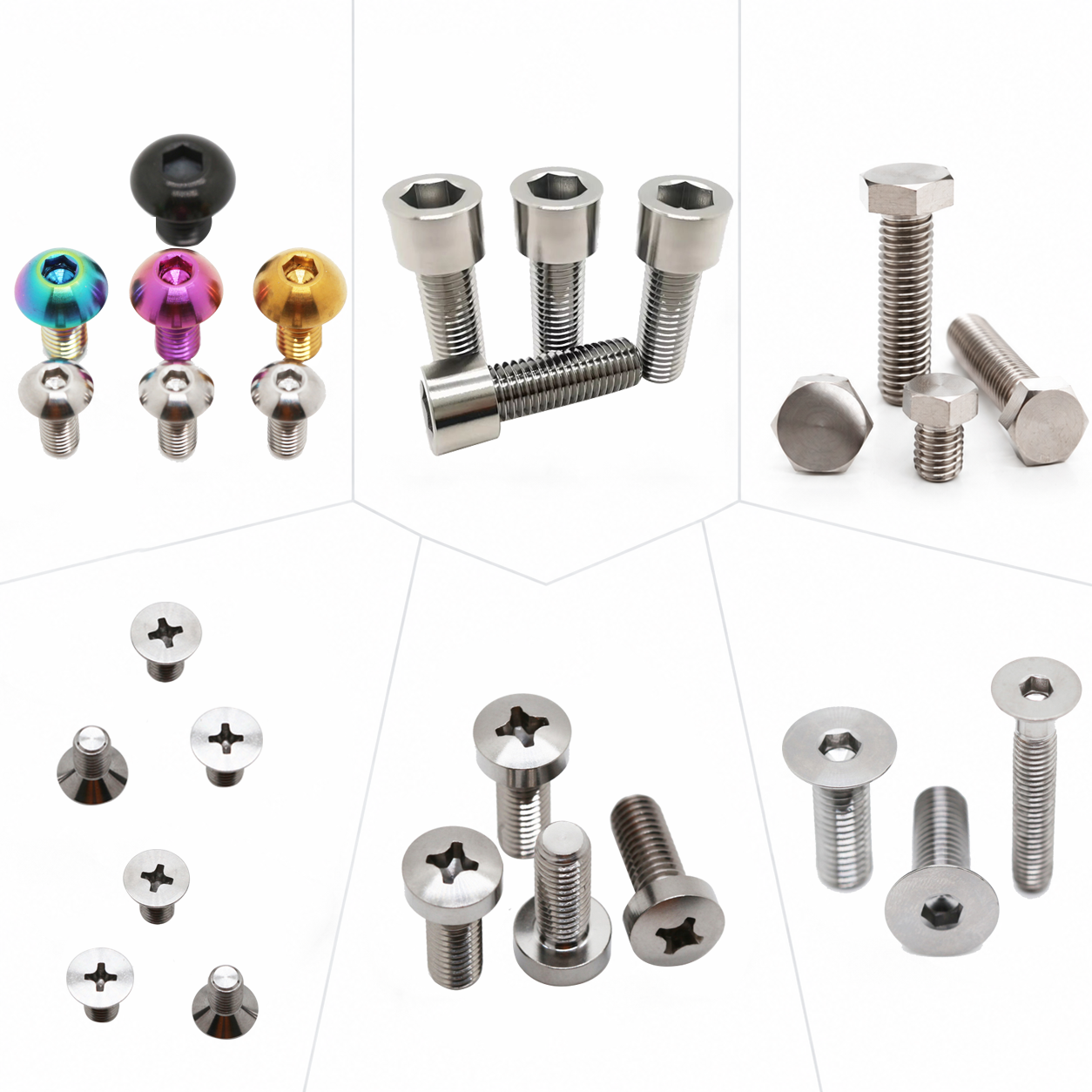
GR5 Titanium Alloy Standard Bolts in Stock Ready to Ship Fasteners
- Grade: Grade 5 (Ti-6Al-4V)
- Tensile Strength: ≥ 895 - 1000 MPa
- Standards: DIN 933 / ISO 4017
- Origin: Baoji, China Factory
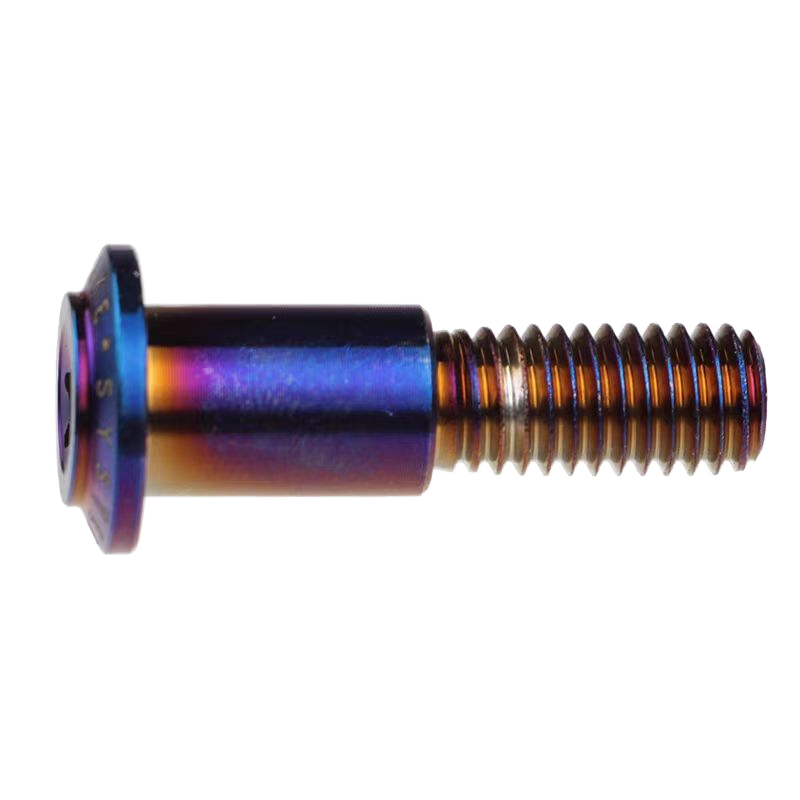
Hexagonal Step Flat Head Disc Brake Titanium Fasteners
- Configuration: Stepped Hexagonal Flat Head
- Coating: PVD / Micro-zinc Anodized
- Tolerance: ISO Grade 6g/6H Precision
- Usage: Brake Rotor Systems
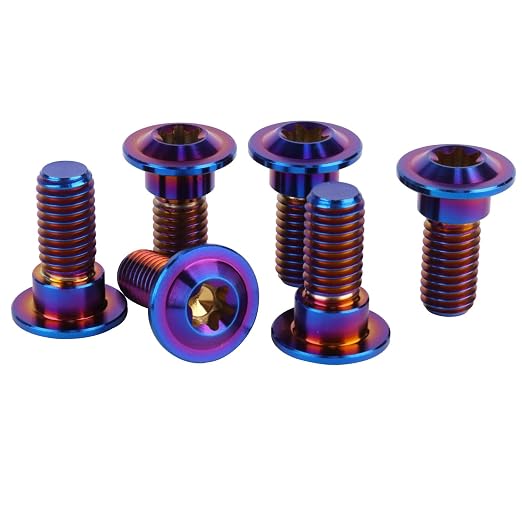
Titanium M8*20mm 25mm Rear Brake Rotor Screw Burnt Blue
- Thread Diameter: M8 x 1.25 Metric Pitch
- Finish: PVD Burnt Blue / Rainbow
- Yield Strength: ≥ 828 MPa
- Application: High Heat Brake Rotors
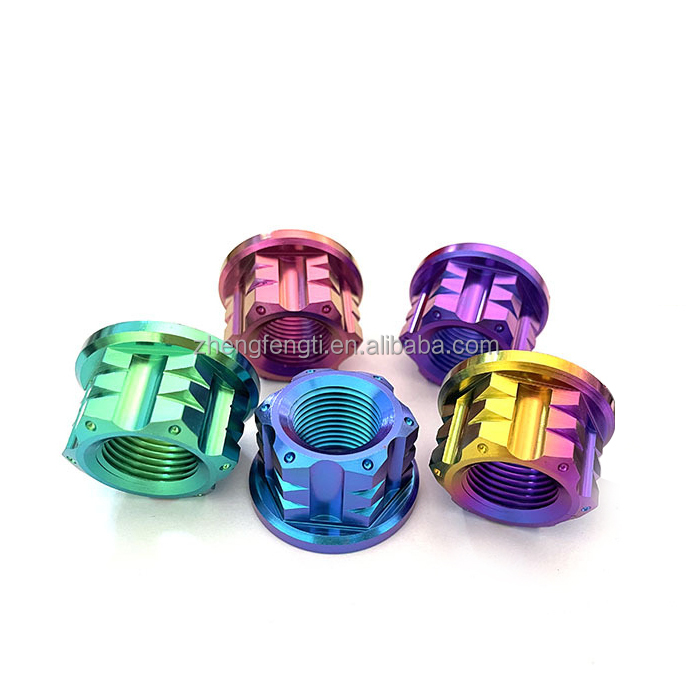
Wholesale Titanium Flange Hex Nut M4-M10 DIN6923 Class 8.8
- Standard: DIN 6923 / ISO 4161
- Bearing Surface: Serrated or Smooth Flange
- Anti-Corrosion: 100% Chloride Immune
- Sizes: M4, M5, M6, M8, M10, M12
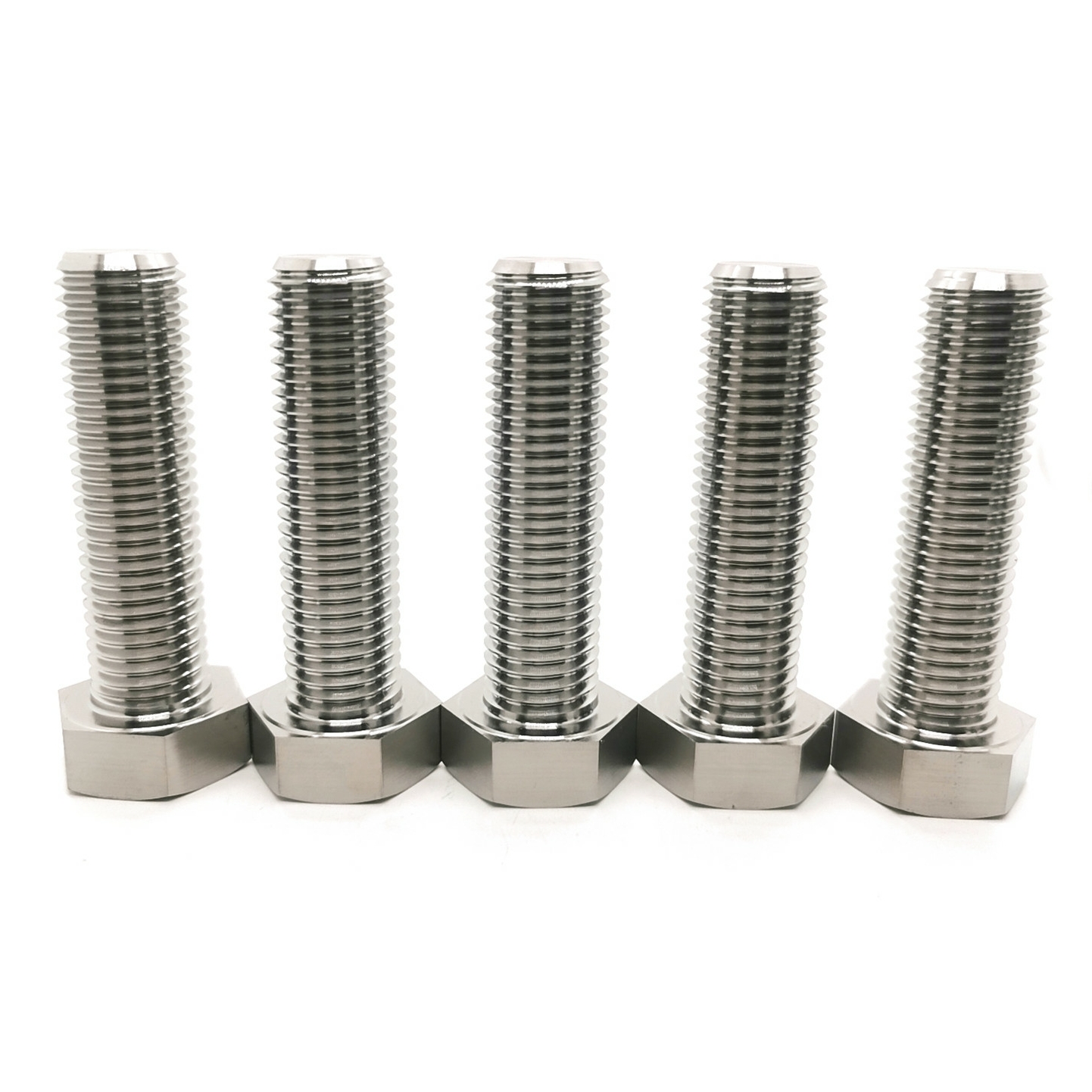
DIN912 Hexagon Socket Head Cap Screws CNC Machined (M0.8-M24)
- Standard: DIN 912 / ISO 4762
- Range: Micro M0.8 up to Robust M24
- Drive Type: Internal Hexagonal Socket
- Density: 4.43 g/cm³ (45% lighter)
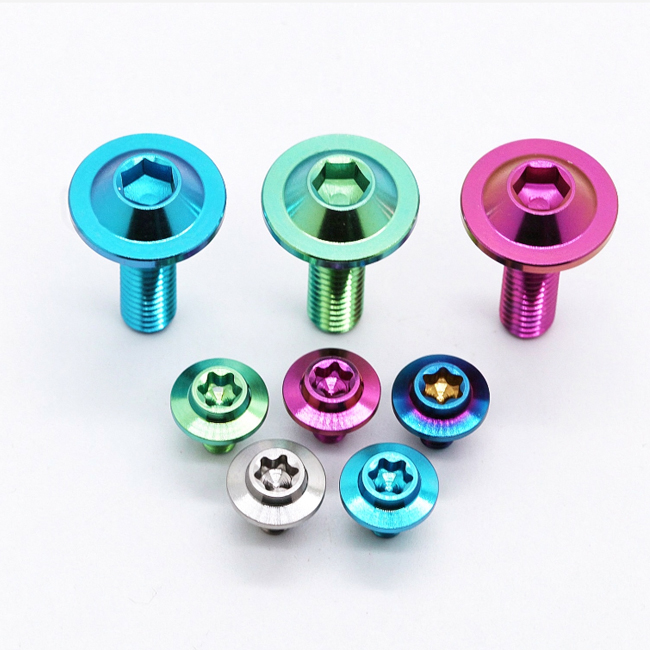
Anodized Rainbow GR5 Flange Head Allen Lightweight Bolt
- Head Design: Integrated Washer Flange
- Treatment: Electrolytic Anodic Oxidation
- Fatigue Strength: Superior Cycle Endurance
- Custom: Laser Logo & Batch Coding
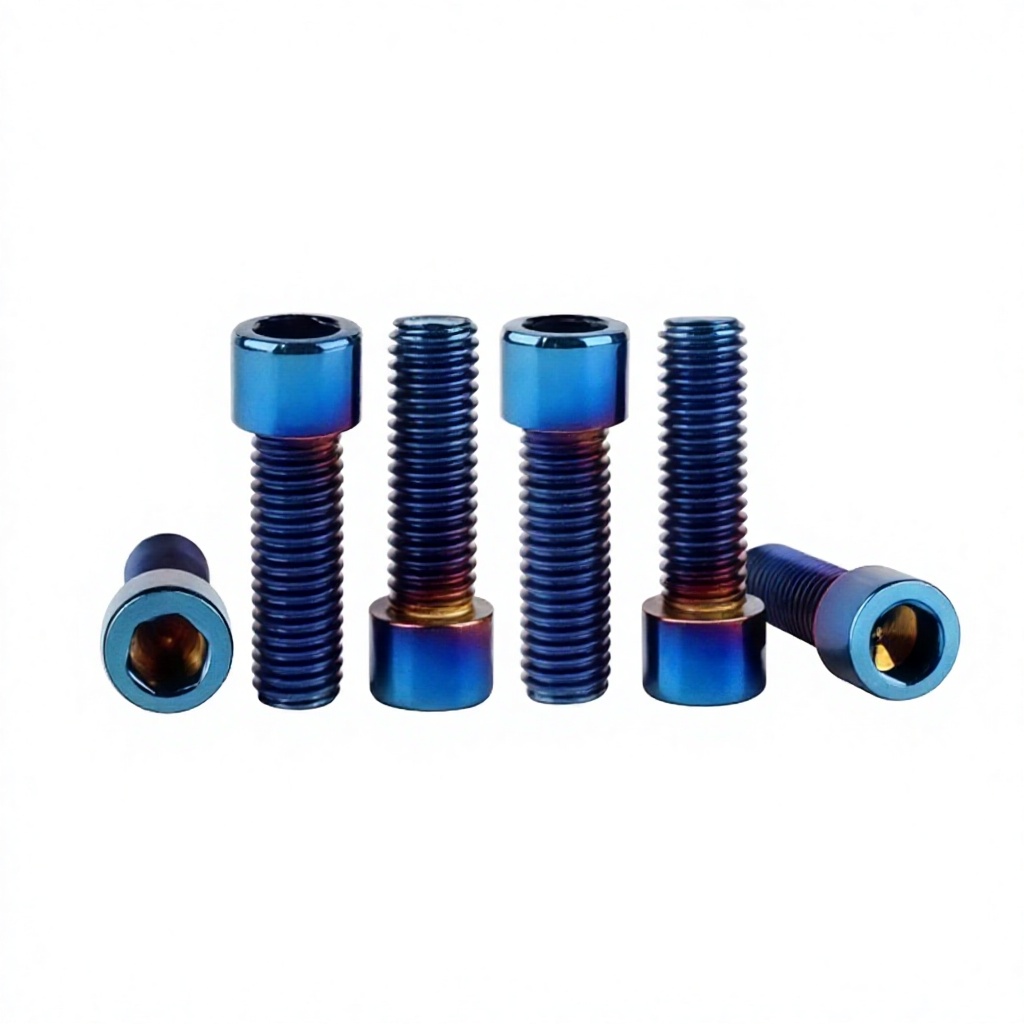
Titanium Flat Head Screws M1.6 Industrial Grade Thread
- Thread Form: Precision Metric M1.6 Fine
- Profile: Countersunk Flat Head Flush
- Non-Magnetic: Permeability < 1.00005
- Application: Precision Instruments & EVs
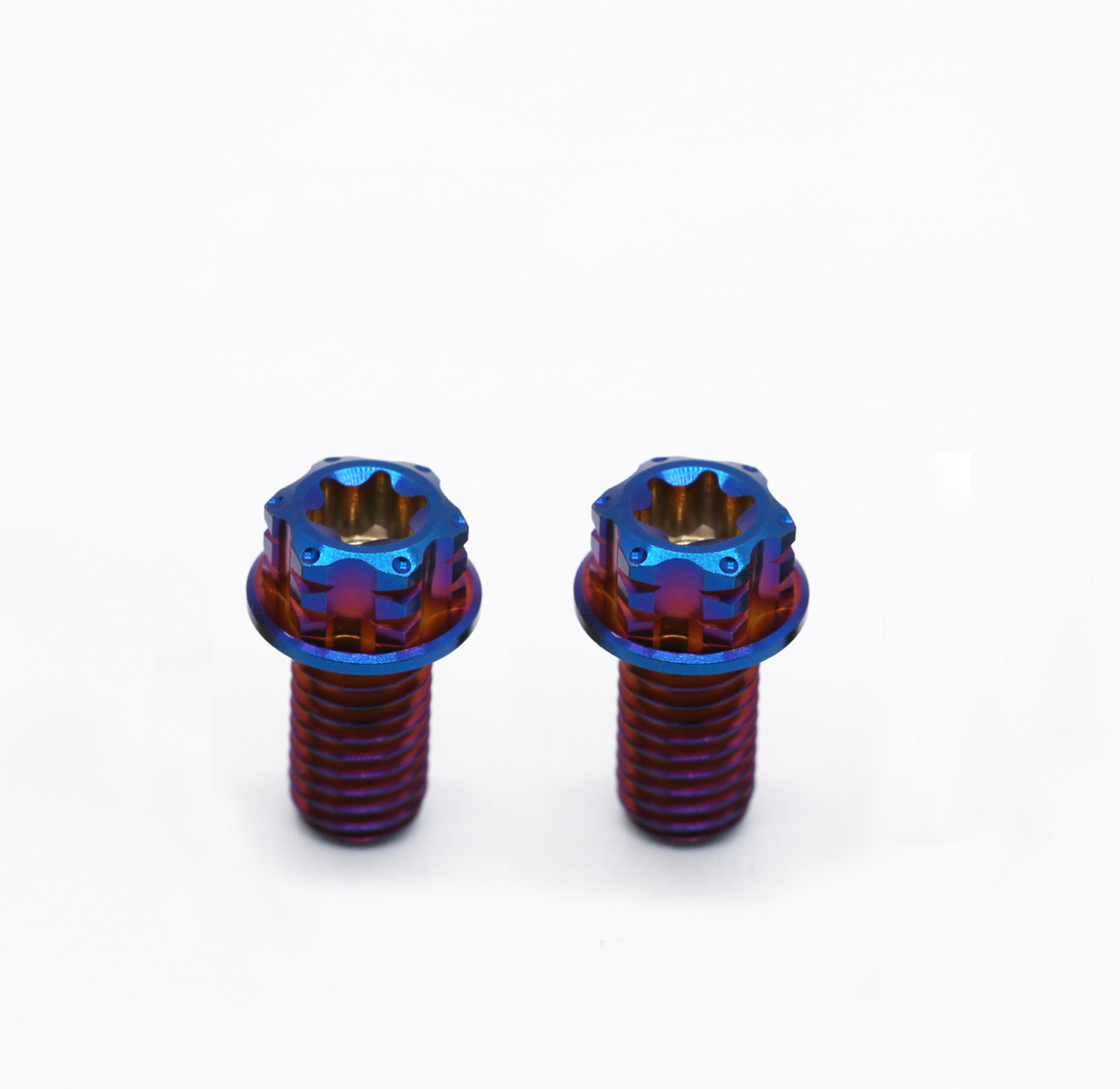
ZFTI High Strength GR5 Plain Finish Titanium Flange Bolt M4-M10
- Certifications: ISO 9001 / EN 10204 3.1
- Manufacturing: Hot Forged & CNC Turned
- Flange Diameter: Expanded Stress Distribution
- Service: OEM / Custom Drawing Spec
Engineering Superiority: DIN 6923 Titanium Flange Nuts in Extreme Environments
A comprehensive examination of why Grade 5 (Ti-6Al-4V) flange nuts outperform standard steel and stainless steel in modern Hungarian automotive and industrial assemblies.
In mechanical fastening design, the titanium hex flange nut (DIN 6923 / ISO 4161) represents a structural convergence of high-strength clamping efficiency and mass-critical component optimization. By integrating a wide, circular base flange directly beneath the hexagonal wrenching profile, this fastener acts as an intrinsic, single-piece washer-face system. This geometry distributes preloading forces across an area up to 45% to 60% larger than conventional ISO 4032 hex nuts, eliminating embedding, localized surface micro-yielding, and joint relaxation across soft or brittle clamped substrates such as aluminum alloys, cast magnesium, and carbon-fiber reinforced polymers (CFRP).
For industrial mechanical engineers operating in Hungary's automotive powertrain, electrical vehicle (EV) battery enclosures, and chemical synthesis sectors, materials selection hinges on the delicate trade-off between strength-to-weight ratio, thermodynamic creep limits, and chemical passivation. Our Baoji facility utilizes vacuum-arc remelted (VAR) ASTM B348 Grade 5 (Ti-6Al-4V) alpha-beta titanium alloy and commercially pure Grade 2 titanium. Unlike standard carbon steel fasteners that rely on transient sacrificial coatings (such as electro-galvanization or zinc-nickel electroplating) which suffer galvanic detachment and micro-cracking under vibrational shear, titanium relies on an instantaneous, self-healing stoichiometric oxide film (TiO₂). This passivation layer maintains structural integrity against road de-icing salts, damp continental Hungarian atmospheric conditions, and aggressive industrial sulfides.
| Material Designation | Yield Strength Rp0.2 (MPa) | Tensile Strength Rm (MPa) | Density (g/cm³) | Specific Strength (kN·m/kg) | Chloride Stress Corrosion | Electrical Permeability (μr) |
|---|---|---|---|---|---|---|
| Titanium Gr5 (Ti-6Al-4V) Annealed | ≥ 828 | ≥ 895 – 1050 | 4.43 | 202 – 237 | Immune at ambient & elevated temp | 1.00005 (Non-magnetic) |
| Titanium Gr2 (Commercially Pure) | ≥ 275 | ≥ 345 – 510 | 4.51 | 76 – 113 | Complete resistance to chlorides | 1.00005 (Non-magnetic) |
| A4-80 Stainless Steel (AISI 316) | ≥ 600 | ≥ 800 | 7.98 | 100 | Susceptible to pitting & SCC >60°C | 1.005 – 1.015 (Mildly magnetic) |
| Class 10.9 Structural Alloy Steel | ≥ 900 | ≥ 1000 – 1040 | 7.85 | 127 – 132 | Severe corrosion without plating | > 500 (Ferromagnetic) |
A frequent design challenge faced by Central European automotive design centers is dynamic fatigue and vibration relaxation. Standard nuts lose pre-load under cyclic transverse shear stress, necessitating split pins, secondary lock washers, or anaerobic adhesive threadlockers. Our precision DIN 6923 titanium flange nuts can be engineered with precision-milled underside serrations angled counter to the untightening rotational axis. When torqued to calculated elastic limit yields, these serrated teeth lock into the substrate interface, creating a mechanical detent action that withstands vibration cycles surpassing ISO 16130 (Junker vibration test) criteria.
Key Application Scenarios in Hungary's Core Industrial Hubs
From the booming EV battery clusters in Eastern Hungary to Western automotive manufacturing corridors and chemical processing valleys, our titanium hardware fulfills critical design parameters.
Debrecen EV Battery Gigafactories
Debrecen has emerged as the premier battery production capital of Europe, anchored by global cell manufacturers such as CATL and Eve Energy. Titanium flange nuts solve two vital engineering hurdles inside high-voltage battery enclosures (BESS and EV packs): zero magnetic permeability, preventing electromagnetic interference (EMI) around high-current busbars, and galvanic isolation when interfacing with aluminum battery trays (EN AW-6082-T6), avoiding severe electrochemical corrosion common with bare steel hardware.
Győr & Kecskemét Automotive Corridors
Győr is home to one of the world's largest powertrain manufacturing plants (Audi Hungaria), while Kecskemét drives advanced premium vehicle assembly for Mercedes-Benz. Titanium Grade 5 flange nuts and stepped bolts are heavily integrated into rotating assemblies, lightweight turbocharger brackets, exhaust manifold flanging, and unsprung suspension assemblies. Cutting unsprung mass directly enhances chassis response times and helps OEMs achieve aggressive Euro 7 mass reduction goals.
Tiszaújváros & Kazincbarcika Chemical Corridors
The industrial chemical hubs of Borsod-Abaúj-Zemplén county (featuring industrial giants like BorsodChem and MOL Petrochemicals) process chlor-alkali solutions, polyurethane intermediates, and wet chlorine gas. Traditional austenitic stainless steel grades (such as AISI 304 and 316) quickly undergo stress corrosion cracking and pitting under warm chloride condensation. Our commercially pure Grade 2 and palladium-enhanced Grade 7 titanium flange nuts deliver virtually indefinite life cycles in piping flanges, reactor manways, and heat exchange manifolds.
Central European Motorsport & Performance Tuning
Hungary's rich motorsport infrastructure, centered around the Hungaroring and active domestic rally, touring car, and superbike circuits, demands Grade 5 titanium flange nuts for brake rotor mounting, swingarm assemblies, and chassis subframes. With tensile thresholds exceeding 950 MPa and weight reductions of ~45% against Class 10.9 steel, our hardware withstands the intense thermal cycling of carbon-ceramic and cast-iron braking systems without thread galling or embrittlement.
Pannonian Basin Geothermal & District Heating
Hungary sits atop Europe's richest geothermal reservoir, utilized for high-efficiency municipal district heating and agricultural greenhouses. Geothermal brines extracted in regions such as Szeged, Miskolc, and Szentes are heavily loaded with dissolved sodium chloride, hydrogen sulfide (H₂S), and carbonates. Titanium fasteners installed on heat exchanger casing plates resist sulfide stress cracking (NACE MR0175 compliant), eliminating catastrophic shearing hazards during continuous deep-well pumping operations.
Defense & Precision Electronics in Székesfehérvár
Székesfehérvár represents a primary hub for electronics, telecommunications, and high-precision mechanical sub-assemblies. Lightweight non-ferrous titanium fasteners with precision micrometric threads (M1.6 to M4) provide vibration-resistant mechanical anchoring for radar housings, aerospace structural components, and sensitive drone payload brackets where magnetic neutrality and strength under payload are strict non-negotiables.
Procurement Trends Shaping Hungary's Industrial Fastener Market
Understanding the macroeconomic and regulatory shifts driving Hungarian engineering procurement managers toward direct manufacturer partnerships in China's Titanium Valley.
The industrial landscape in Hungary is witnessing a monumental transformation driven by massive foreign direct investment (FDI). As Hungary positions itself as the decisive meeting ground for European premium automotive OEMs and Asian battery innovators, the localized demand for specialized structural alloys has surged exponentially. Three macro-trends define current procurement dynamics:
1. Strict Supply Chain Traceability under IATF 16949 and VDA 6.3: Hungarian automotive tier-suppliers can no longer tolerate spot-market fastener sourcing with ambiguous metallurgical origins. Modern QA audits demand complete raw-material chemical melt certificates (EN 10204 Type 3.1) from raw ingot sponge to hot bar rolling and final thread CNC machining. By sourcing directly from our Baoji factory, procurement officers bypass Western European re-distributor markups (which often reach 40% to 75%) while receiving uncompromising batch traceability with zero risk of counterfeit titanium scrap blends.
2. Decarbonization and Lightweighting Driven by the EU Green Deal: With European carbon-neutrality mandates tightening for vehicle life-cycle assessments (LCA), automotive powertrain and suspension designers in Budapest and Győr face rigorous gram-level weight budgets. Replacing structural steel fasteners with Grade 5 titanium across an electric vehicle chassis can reduce static and rotating mass by 12 to 24 kilograms without altering package volume or requiring re-tooling of clearance clearances, since DIN 6923 dimensions precisely mirror standard steel fastener envelopes.
3. Resilience via the "China-Europe Railway Express" and Flexible Logistics: Hungary’s strategic investment in the East-West Gate (EWG) rail terminal at Fényeslitke, coupled with modern bonded logistics facilities around Budapest Ferenc Liszt International Airport (BUD), has unlocked rapid transit options. Sourcing from our manufacturing lines in Baoji offers clear logistical flexibility: urgent prototyping batches ship via air courier within 3–5 working days, while regular monthly volume production moves via combined sea-rail or block-train corridors directly into Hungarian bonded warehouses under DDP (Delivered Duty Paid) terms.
Why Hungarian OEMs & Distributors Partner with Our Baoji Factory
Rooted in China’s Silicon Valley of Titanium, Yevzo Titanium Metal Co., Ltd. combines sovereign metal resources with high-speed automated precision machining.
Native Baoji Supply Security
Headquartered in the High-Tech Development Zone of Baoji, Shaanxi, our factory resides within the epicenter of China's titanium refining infrastructure. We maintain guaranteed mill allocations for certified ASTM B348 Grade 2 and Grade 5 bar stocks, mitigating raw material supply disruptions and passing fundamental sponge pricing directly to our Hungarian partners.
Advanced 5-Axis CNC & Cold Forging
Our workshop houses over 100 dedicated machining and tooling stations, including multi-station high-speed cold bolt formers, automated nut taps, and multi-axis turning-milling CNC machining centers. We achieve high-volume DIN 6923 flange nut production with clean thread profiles, burr-free chamfers, and precise flange serration geometries.
Stringent Multi-Stage QC Protocols
Every fastener production batch transitions through five strictly separated operational checkpoints: incoming ultrasonic/spectrographic bar stock testing, automated in-process optical dimension screening, thread pitch micrometer verification with calibrated Go/No-Go gauges, micro-hardness testing, and final automated optical packaging separation.
Comprehensive Surface Finishing In-House
We provide full-spectrum surface engineering for titanium flange nuts: micro-polishing, ultrasonic vapor degreasing, physical vapor deposition (PVD) coating in burnt blue, DLC (Diamond-Like Carbon) low-friction black, and electrolytic color anodizing (gold, violet, green, titanium blue) with micrometer-stable thread clearances.
Complete EU Compliance & MTC Certification
Shipments destined for Hungary are supplied with authentic Mill Test Certificates according to EN 10204 Type 3.1 detailing chemical composition (O, N, H, C, Fe, Al, V, Ti balance) and mechanical validation (yield, elongation, ultimate tensile strength). Full compliance with EU REACH and RoHS environmental directives is fully certified.
Seamless Central European DDP Logistics
We eliminate cross-border friction for Hungarian procurement teams. With structured Incoterms including FOB, CIF, CFR, and complete DDP (Delivered Duty Paid to your warehouse in Budapest, Győr, Debrecen, or elsewhere), our export department manages all customs clearing, EU import duties, and transit logistics smoothly.
Frequently Asked Questions by Hungarian Procurement Specialists
Expert metallurgical and commercial answers addressing common engineering queries when specifying titanium flange nuts from our Chinese facility.
What is the dimensional difference between DIN 6923 and ISO 4161 titanium flange nuts?
While both specifications describe hexagonal nuts with an integrated base flange, ISO 4161 (the international standard) specifies slightly wider flange diameters and minor modifications across nominal width-across-flats (wrench size s) on select thread sizes compared to the older German DIN 6923 standard. Our CNC manufacturing tooling covers both dimensional regimes precisely. For Hungarian automotive assemblies following legacy VDA drawings, DIN 6923 is often specified; for greenfield electric vehicle programs, ISO 4161 or customized OEM prints are fully supported.
How do you mitigate thread galling (cold welding) during high-speed automated installation?
Titanium alloys, like stainless steels, exhibit a clean surface passive layer that can cause severe adhesive wear (galling) when mated against identical titanium male threads under rapid, dry pneumatic driver torquing. To solve this in production line environments, we provide titanium flange nuts with specialized anti-galling treatments: micro-applied molybdenum disulfide (MoS₂) dry-film lubricants, physical vapor deposition (DLC / TiN), or micro-anodizing combined with anti-seize paste assembly protocols. Our engineering team supplies torque-tension relationship charts (k-factor guidelines) specific to your installation setup.
Does coupling a titanium flange nut with an aluminum plate cause galvanic corrosion in Hungarian outdoor climates?
The galvanic potential gap between titanium (+0.05V vs. SCE) and structural aluminum (-0.75V to -0.90V vs. SCE) can promote accelerated galvanic corrosion of the aluminum plate in the presence of an electrolyte containing road salts (such as the calcium chloride used on Hungarian motorways in winter). However, because the surface area of the titanium fastener is small relative to the expansive aluminum chassis or plate (anode-to-cathode ratio is highly favorable), localized corrosion is radically lower than with carbon steel. Furthermore, using our wide-flange DIN 6923 nuts with an insulating e-coat, anodized surface barrier, or dielectric washer isolates electrical continuity completely.
What documentation accompanies a batch of titanium fasteners shipped to Hungary?
Every commercial export consignment arrives with a complete documentation dossier: EN 10204 3.1 Inspection Certificate featuring precise ICP spectroscopic chemical breakdown and tensile test stress-strain logs; full Dimensional Inspection Protocol verifying flange diameter, thread pitch run-out, and total height; Certificate of Origin (CO); and explicit REACH/RoHS compliance declarations. Third-party testing via SGS or TÜV Rheinland can also be scheduled prior to dispatch upon request.
What are your standard Minimum Order Quantities (MOQ) and production lead times to Hungary?
For standard catalog DIN 6923 / ISO 4161 Grade 5 titanium flange nuts in common metric sizes (M5, M6, M8, M10, M12), stock quantities can be dispatched within 48 to 72 hours, with MOQs starting as low as 20 to 100 pieces for engineering evaluation and prototyping. For customized drawing-based CNC orders or non-standard thread pitches (e.g., M10x1.0, M12x1.25), typical factory manufacturing lead times range between 12 to 20 working days. Transit via express air courier to Budapest takes approximately 4–6 business days; multimodal rail to Central European terminals takes 18–25 days.
Accelerate Your Lightweighting Project With Factory-Direct Titanium
Partner directly with China's leading titanium fastener manufacturing facility. Send our metallurgy engineering team your technical specifications, 2D/3D CAD files, or volume requirements for an immediate manufacturing feasibility review and competitive commercial quotation.