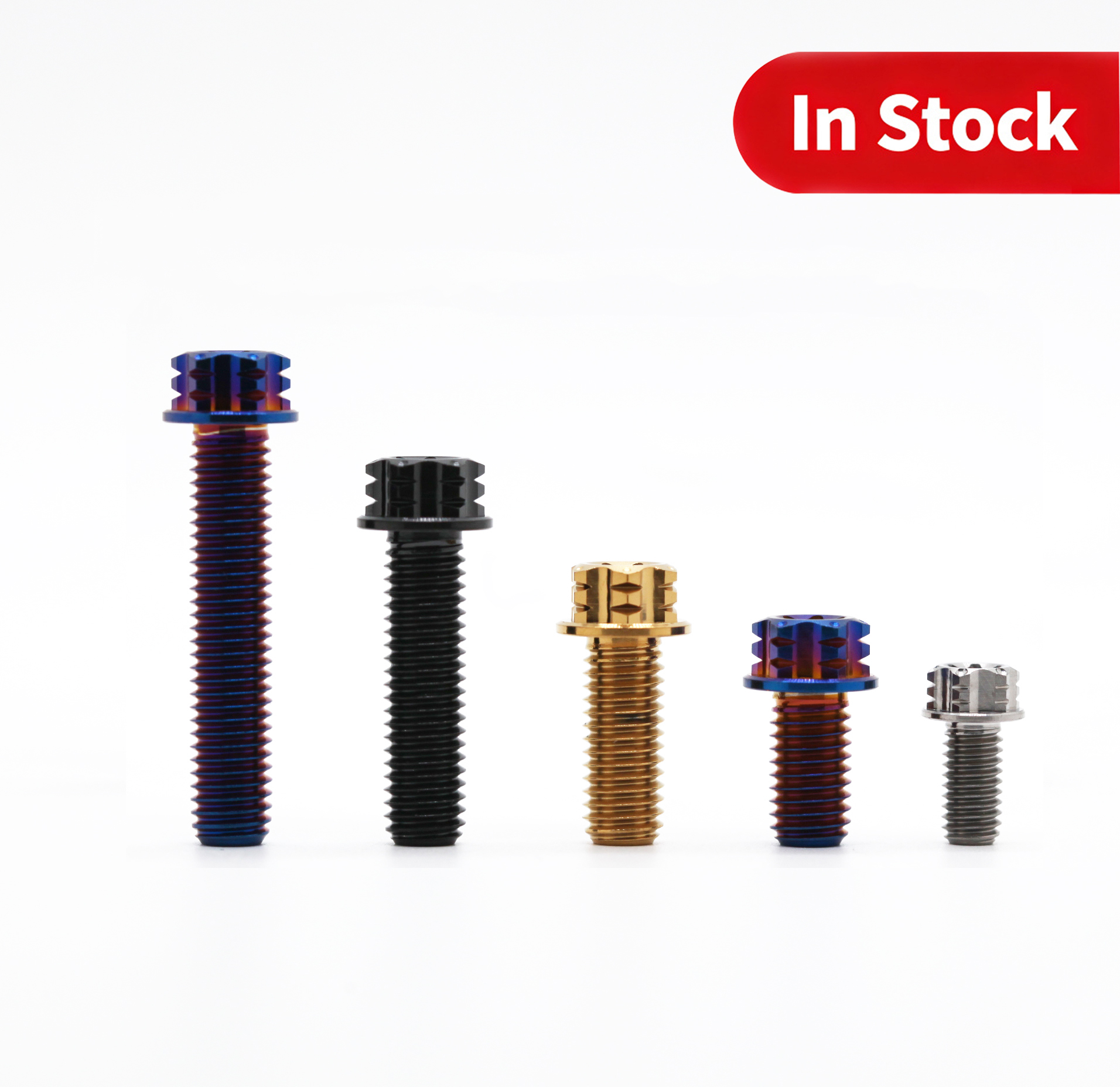
Gr5 Ti 6Al 4V Available Immediately Hot Selling Titanium Alloy Flange Bolts for Motorcycles PVD Anodized M6 M8 M22
Cold-forged Ti-6Al-4V metric flange bolts optimized for high-vibration power assemblies and extreme shear resistance.
Contact UsStocked for rapid integration and direct factory dispatch to Šiauliai’s industrial zones and Baltic mechanical enterprises.
Cold-forged Ti-6Al-4V metric flange bolts optimized for high-vibration power assemblies and extreme shear resistance.
Contact Us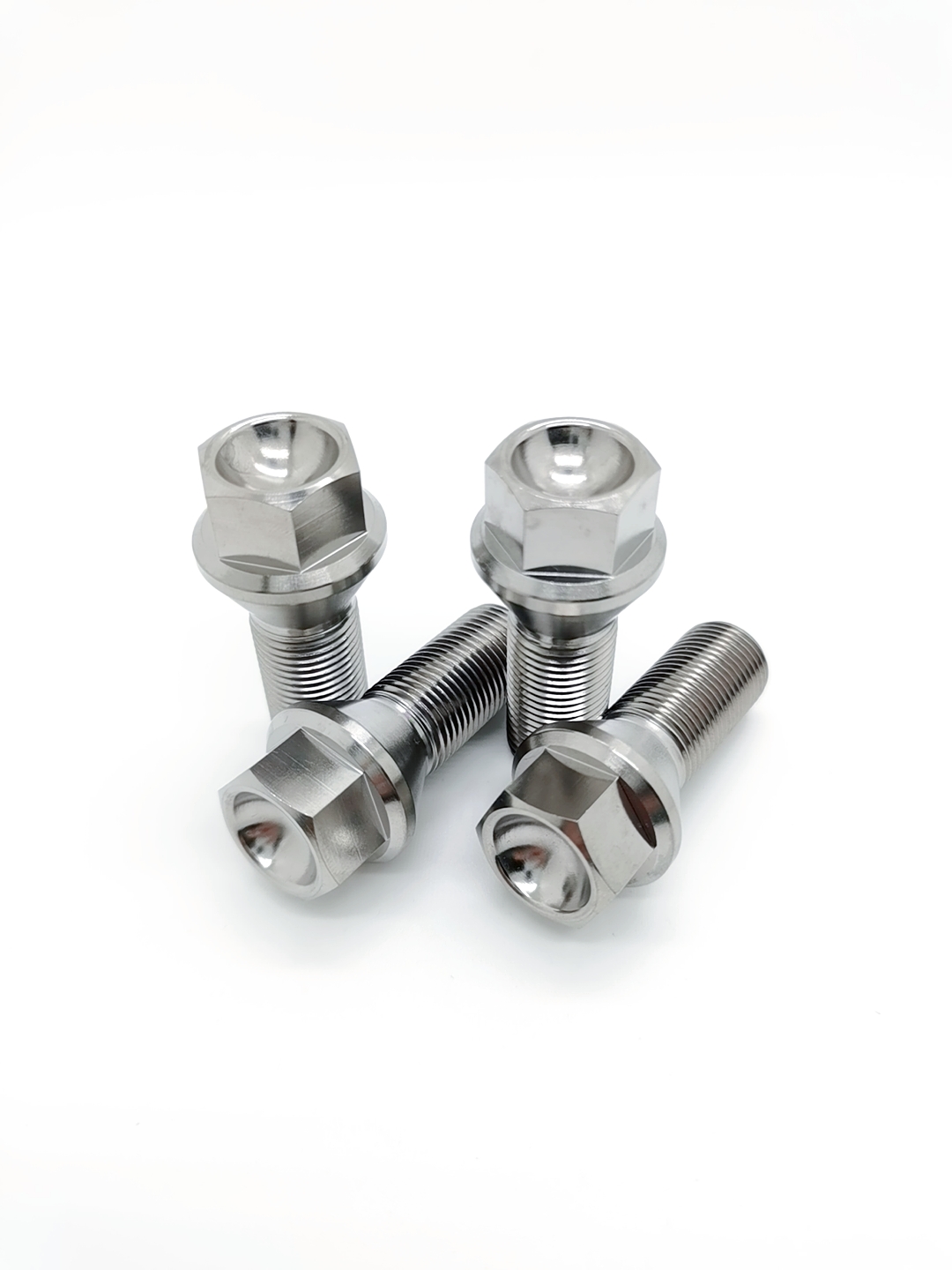
Ultra-tensile motorsport wheel studs engineered to reduce rotational unsprung mass without sacrificing fatigue thresholds.
Contact Us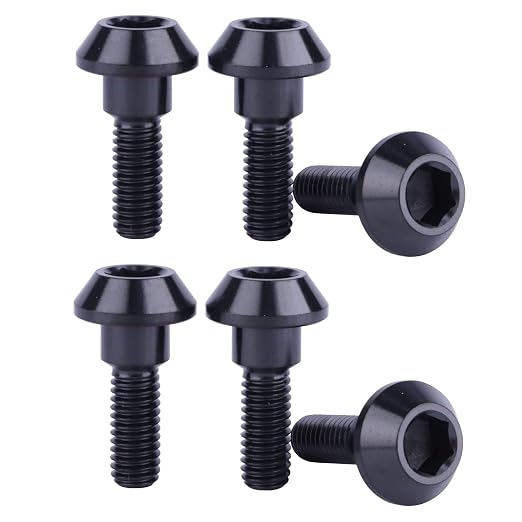
High-temperature tolerant, corrosion-proof disc rotor bolts with micro-rolled threading for flawless torque retention.
Contact Us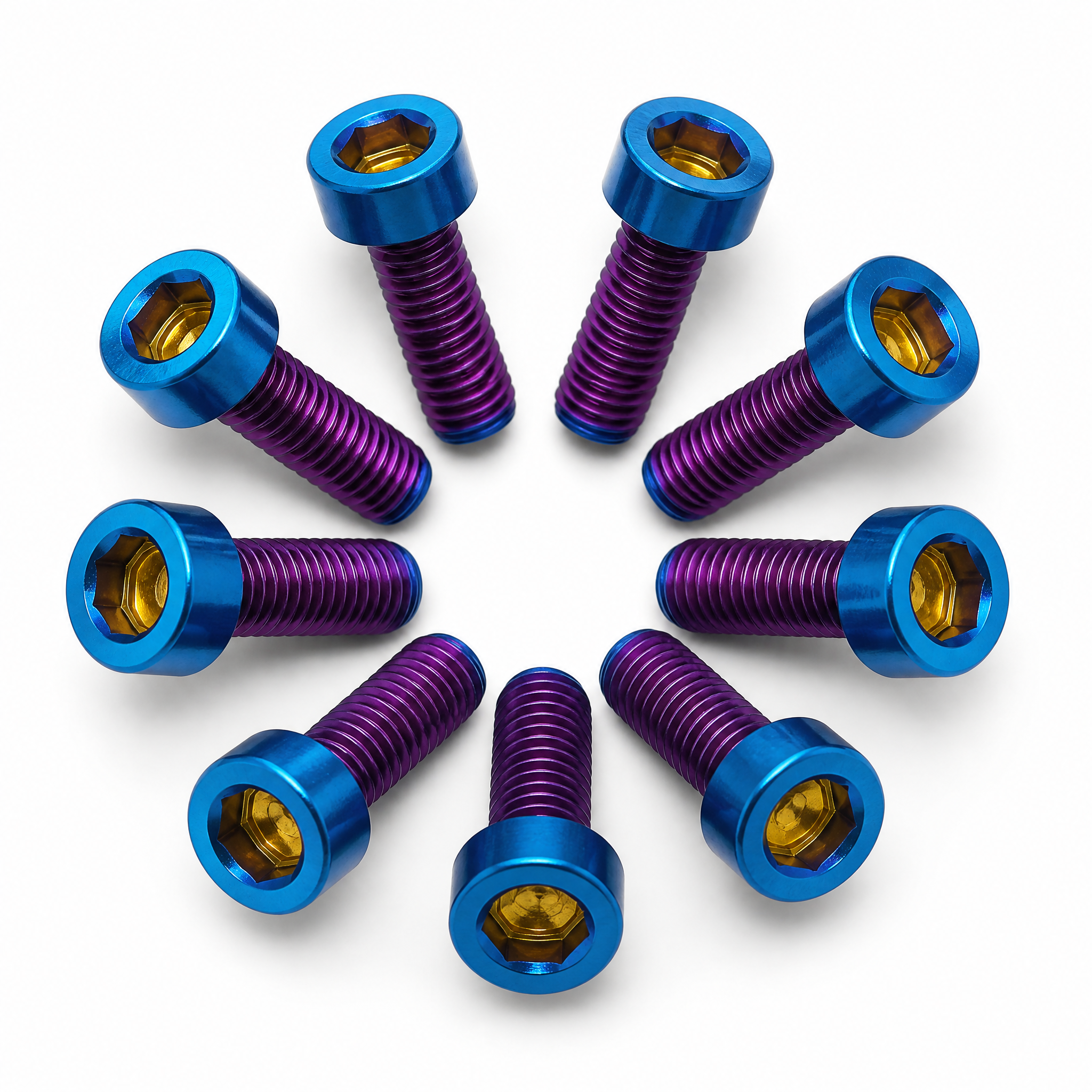
PVD and electrochemical anodized surface treatments protecting deep socket Torx drives against cam-out distortion.
Contact Us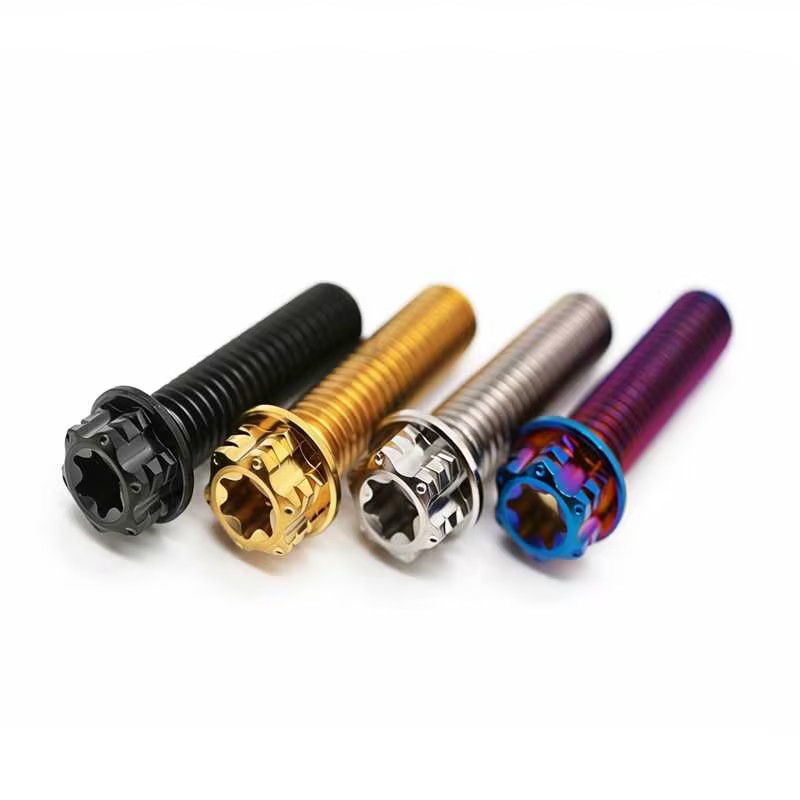
CNC-machined star driver profiles customized for bicycle bottom bracket mounts and motorcycle chassis frames.
Contact Us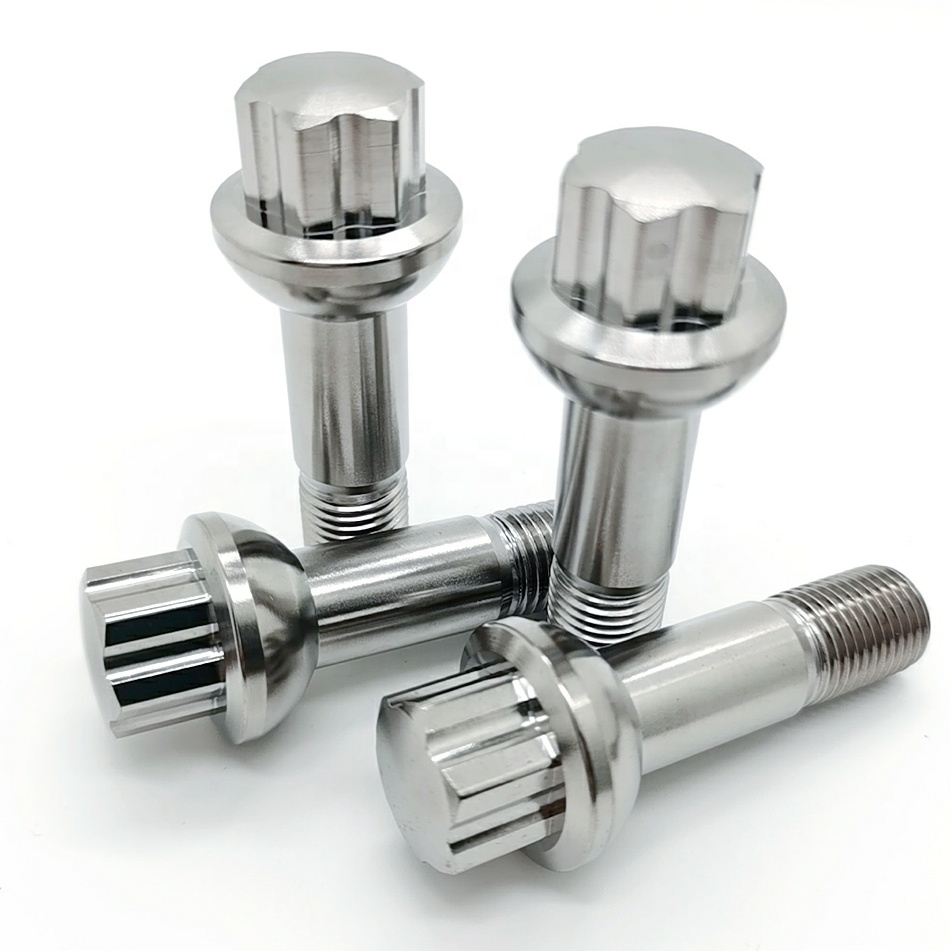
Conical and ball-seat automotive wheel lugs designed for exact fitment on race-spec hubs and custom alloy assemblies.
Contact Us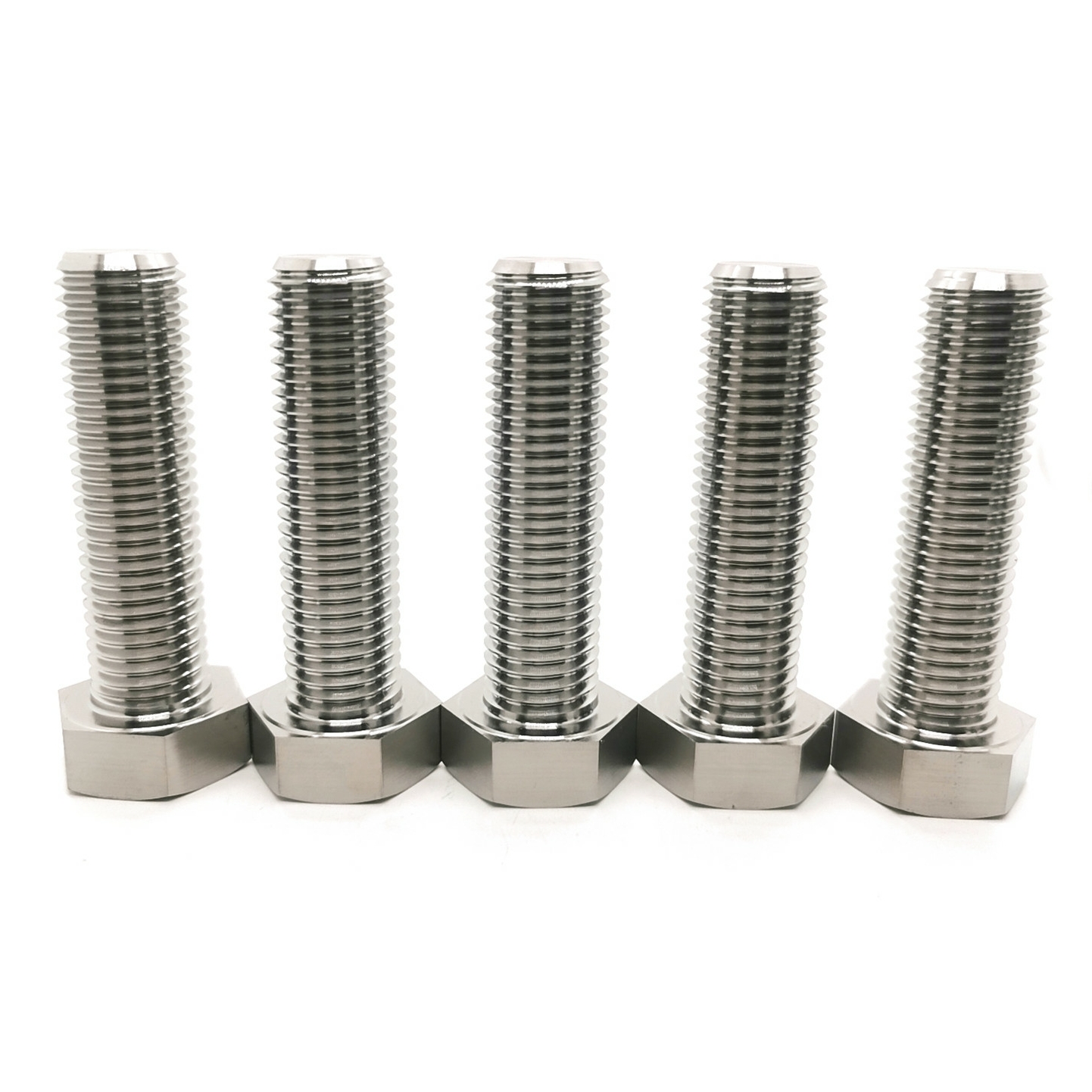
Standardized metric socket caps offering 44% weight reduction over steel with Class 10.9-equivalent tensile parameters.
Contact Us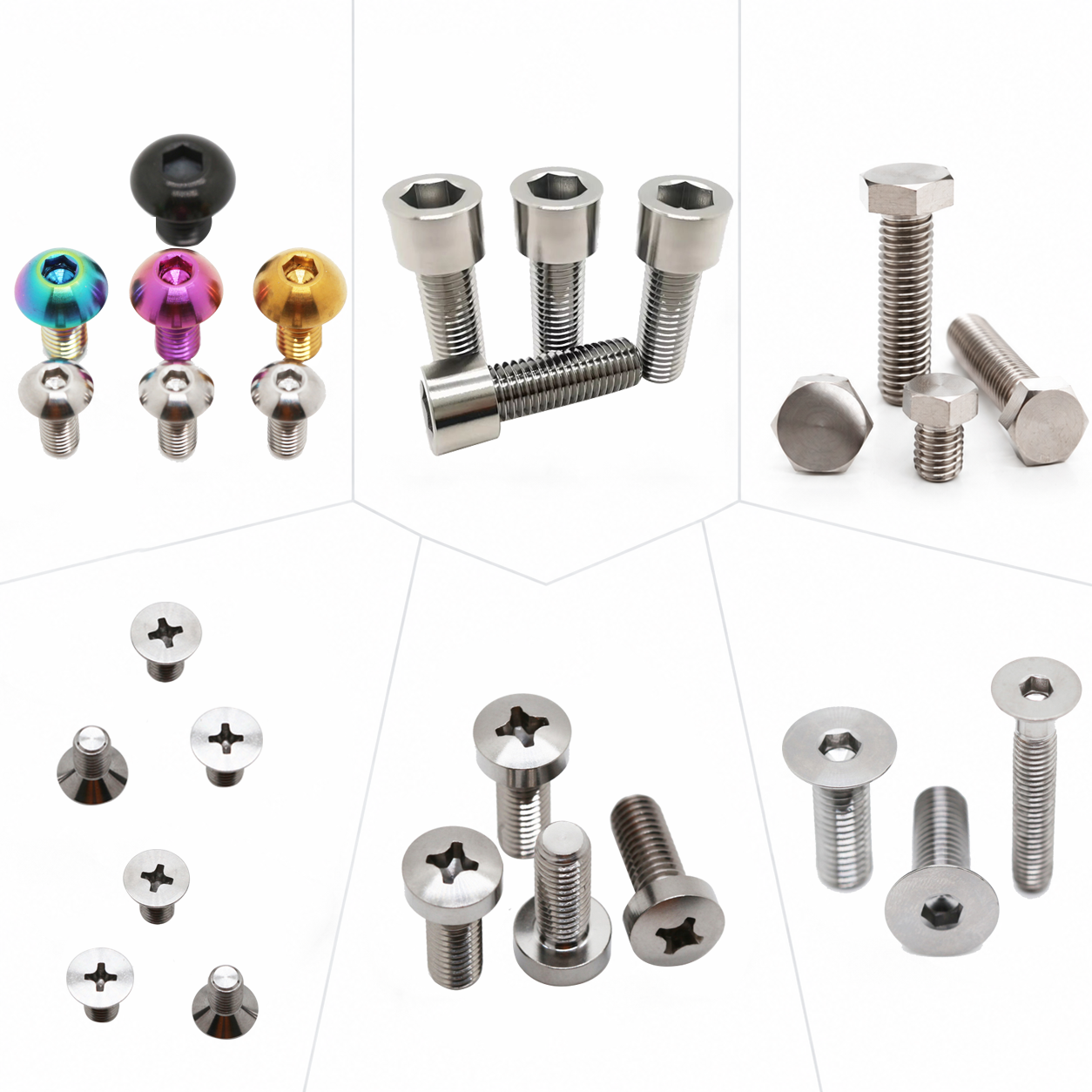
Bulk industrial supply bundles of standard hex, flange, and cap screws for tier-1 distributors and OEM parts fabricators.
Contact UsA technical evaluation of why northern and eastern European cycling manufacturers and advanced machinery developers are switching from chrome-moly and stainless steel to cold-worked alpha-beta titanium.
In mechanical drivetrain systems, the bottom bracket crank bolt represents one of the most critical structural nodes. Subjected to sustained asymmetric cyclic stresses, torsion spikes, and micro-fretting corrosion, typical fasteners forged from Class 8.8 steel or standard AISI 304/316 stainless fail prematurely due to shear deformation or galvanic seizure. As Šiauliai reinforces its position as the Baltic capital of bicycle manufacturing and precision light engineering, the transition toward ASTM B348 Grade 5 (Ti-6Al-4V) titanium fasteners is driven by metallurgical necessity rather than aesthetic appeal.
Titanium alloy Ti-6Al-4V provides an exceptional strength-to-weight ratio (density of ~4.43 g/cm³ compared to 7.85 g/cm³ in carbon steel), paired with a fatigue endurance limit that matches cold-formed high-tensile steels. The inclusion of 6% aluminum acts as an alpha-phase stabilizer to elevate tensile yield strength, while 4% vanadium acts as a beta stabilizer, granting critical ductileness under impact loading. When installed in high-end road, gravel, or electric bicycle cranksets, titanium crank bolts eliminate rotational sluggishness while handling dynamic pedaling moments exceeding 600 Nm without plastic elongation.
| Mechanical / Physical Property | Commercial Pure Ti (Grade 2) | Ti-6Al-4V Titanium (Grade 5) | High-Tensile Steel (Class 10.9) | AISI 316 Stainless Steel |
|---|---|---|---|---|
| Ultimate Tensile Strength (UTS) | ≥ 345 MPa | ≥ 895 - 950 MPa | 1000 - 1040 MPa | 500 - 700 MPa |
| Yield Strength (0.2% Offset) | ≥ 275 MPa | ≥ 828 MPa | 900 - 940 MPa | ≥ 200 MPa |
| Density (g/cm³) | 4.51 g/cm³ | 4.43 g/cm³ | 7.85 g/cm³ | 8.00 g/cm³ |
| Elastic Modulus (Young's, GPa) | 105 GPa | 114 GPa (Elastic Damping) | 210 GPa | 193 GPa |
| Chloride Pitting Resistance (PREN) | Immune in ambient conditions | Self-passivating TiO² film | Susceptible / Requires zinc | PREN ~23-25 (Subject to crevice corrosion) |
| Fatigue Notch Sensitivity | Moderate | Superior (Rolled Threads) | High notch brittleness | Low-to-moderate |
Mapping high-performance titanium fasteners to northern Lithuania's regional assembly supply chains and regional operating environments.
As the powerhouse of Baltic bicycle manufacturing, Šiauliai's assembly plants require fasteners that resist structural de-torquing under high-torque electric mid-drive motors. Our precision M8, M12, and M15 crank bolts feature cold-rolled threads that endure million-cycle reversals without crank arm play.
Lithuania's prolonged winters demand heavy applications of sodium chloride and deicing calcium compounds. While zinc-plated steel fastens degrade rapidly via galvanic pitting, our Grade 5 titanium builds an inert oxide layer, completely mitigating road-salt corrosion and freeze-thaw thread lockups.
Šiauliai’s expanding high-precision machine building sector benefits from custom-turned CNC titanium fasteners. In food-grade mixing apparatuses, high-speed sorting spindles, and automated agricultural hardware, non-magnetic, non-toxic, and wear-resistant fasteners are indispensable.
How structural electrification, green logistics, and direct manufacturing partnerships are reshaping fastener procurement across Lithuania.
As European Union regulations accelerate urban micro-mobility and cargo e-bike standards, component weight reduction becomes critical to battery range optimization. Tier-1 designers are actively replacing heavy structural fasteners in motors, suspension linkages, and bottom brackets with Grade 5 titanium to shed vital grams without sacrificing mechanical safety.
Baltic importers are bypassing regional distributors to partner directly with source factories in Baoji ("China Titanium Valley"). Direct mill procurement removes intermediate warehousing markups, assures exact raw-material heat traceability per DIN EN 10204 3.1, and allows agile drawing-based customization with predictable 2-to-3 week lead times.
Market demand in Northern Europe is pivoting toward high-durability aesthetics. Modern PVD (Physical Vapor Deposition) and Type-II sulfuric anodizing technologies produce brilliant metallic gold, burnt rainbow, oil-slick, and nitride black finishes that not only provide distinctive branding but dramatically lower surface friction coefficients, preventing micro-galling.
Combining verified mill-level metallurgy with precision high-speed multi-axis CNC fabrication.
Operating in Baoji, Shaanxi since 2013, we tap directly into China’s primary sponge and bar stock supplies, providing rapid turnaround and guaranteed elemental purity.
Our machine floor houses 3-axis, 4-axis, and 5-axis CNC machining centers, high-tonnage warm thread rollers, and computer-controlled PVD color application chambers.
Every manufacturing batch undergoes spectral chemical composition analysis, optical thread projector checks, tensile proof testing, and third-party verified on-site auditing.
Seamless export operations serving Europe via DDP, FOB, CIF, or express freight. Complete compliance with EU trade guidelines and multimodal Baltic logistics.
Critical answers addressing mechanical specs, thread chemistry, torque parameters, and customs clearance.
Titanium naturally exhibits a higher coefficient of friction than steel, which can lead to galling when driven dry into 6061-T6 or 7075-T6 aluminum bottom bracket spindles. We mandate the application of a high-load copper- or nickel-based anti-seize paste, or synthetic MoS2 lubricant. Furthermore, our crank bolts undergo precision burnishing and thread-rolling rather than thread-cutting, leaving an ultra-smooth Ra < 0.4 μm surface roughness profile that significantly resists micro-welding.
Because Grade 5 Ti-6Al-4V features a lower modulus of elasticity (114 GPa) relative to steel (210 GPa), titanium stretches elastically at lower absolute tension. For standard square-taper M8 titanium crank bolts, target tightening torque is typically 32–35 Nm (lubricated). For ISIS/Spline M12 and hollow-axle M15 configurations, torque is rated between 40–45 Nm. Always use a calibrated torque wrench and follow engineered joint calculations rather than standard steel charts.
Yes. Over 60% of our production comprises OEM/ODM custom manufacturing. We routinely machine proprietary self-extracting crank caps, custom flange widths, integrated dust seals, and hex/Torx combinations based on customer STEP, DWG, or PDF specifications. Automated fiber laser systems allow clean placement of your company's logo, serial batches, and torque specs onto the fastener head surface.
All commercial consignments destined for Lithuanian enterprises are accompanied by certified Mill Test Reports (MTR) according to EN 10204 3.1 detailing chemical composition (spectral analysis) and mechanical properties (tensile yield, ultimate strength, elongation). We provide Certificate of Origin, packing lists with net/gross weights, and accurate HS Code classification (7318.15 / 8108.90) to streamline customs declarations and duty calculations.
Standard catalog catalog parts (e.g., standard DIN912 titanium socket heads or M8 crank bolts) carry low MOQs starting at 20 to 50 units. Bespoke drawing-based components or specialized PVD color treatments typically have an MOQ of 100 to 200 units. Prototyping takes approximately 7 to 10 working days, with mass production runs completing in 15 to 25 days depending on tooling complexity.
Connect with our metallurgists and manufacturing engineers today. Submit your technical blueprints, target tolerances, and volume targets for a comprehensive technical quote within 24 hours.