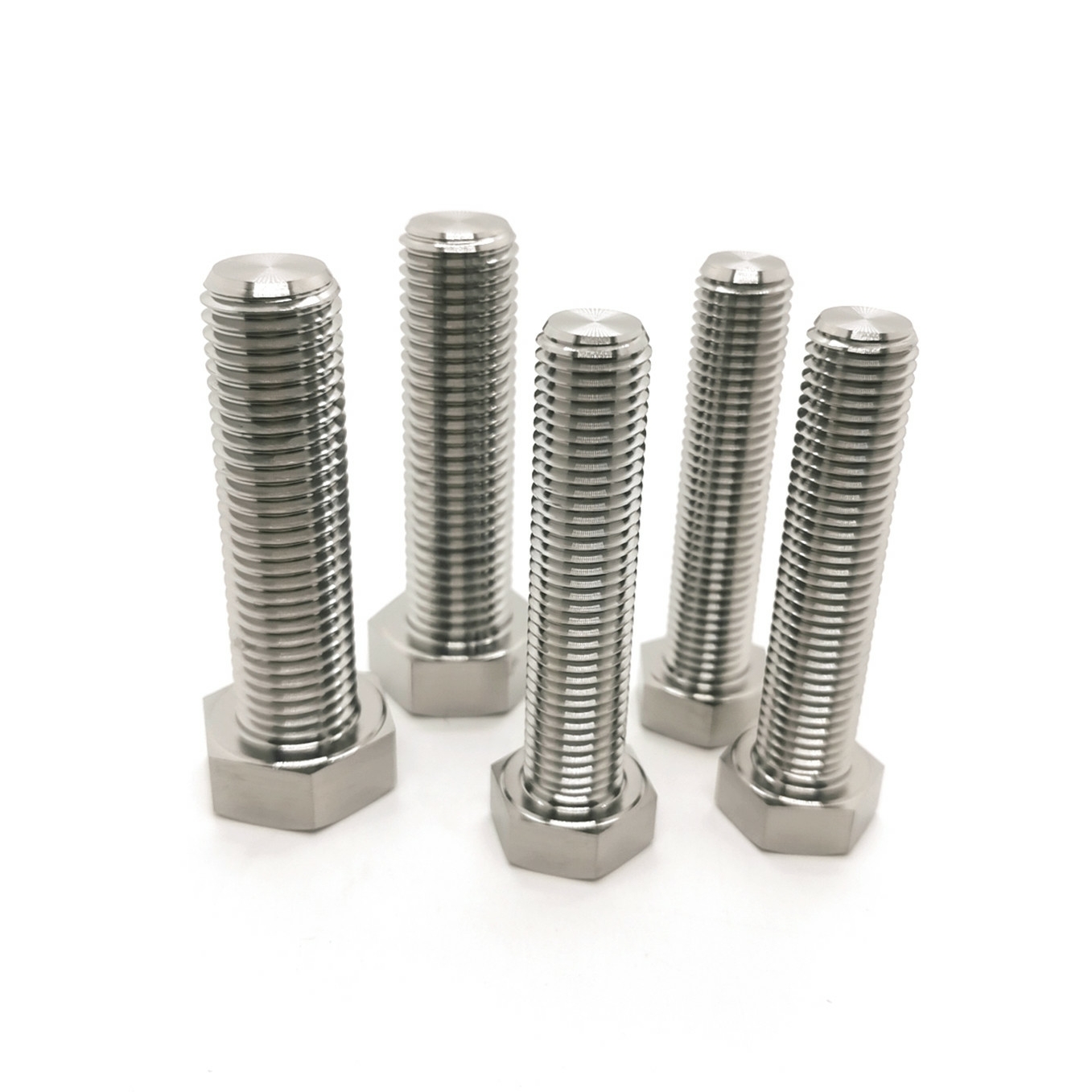
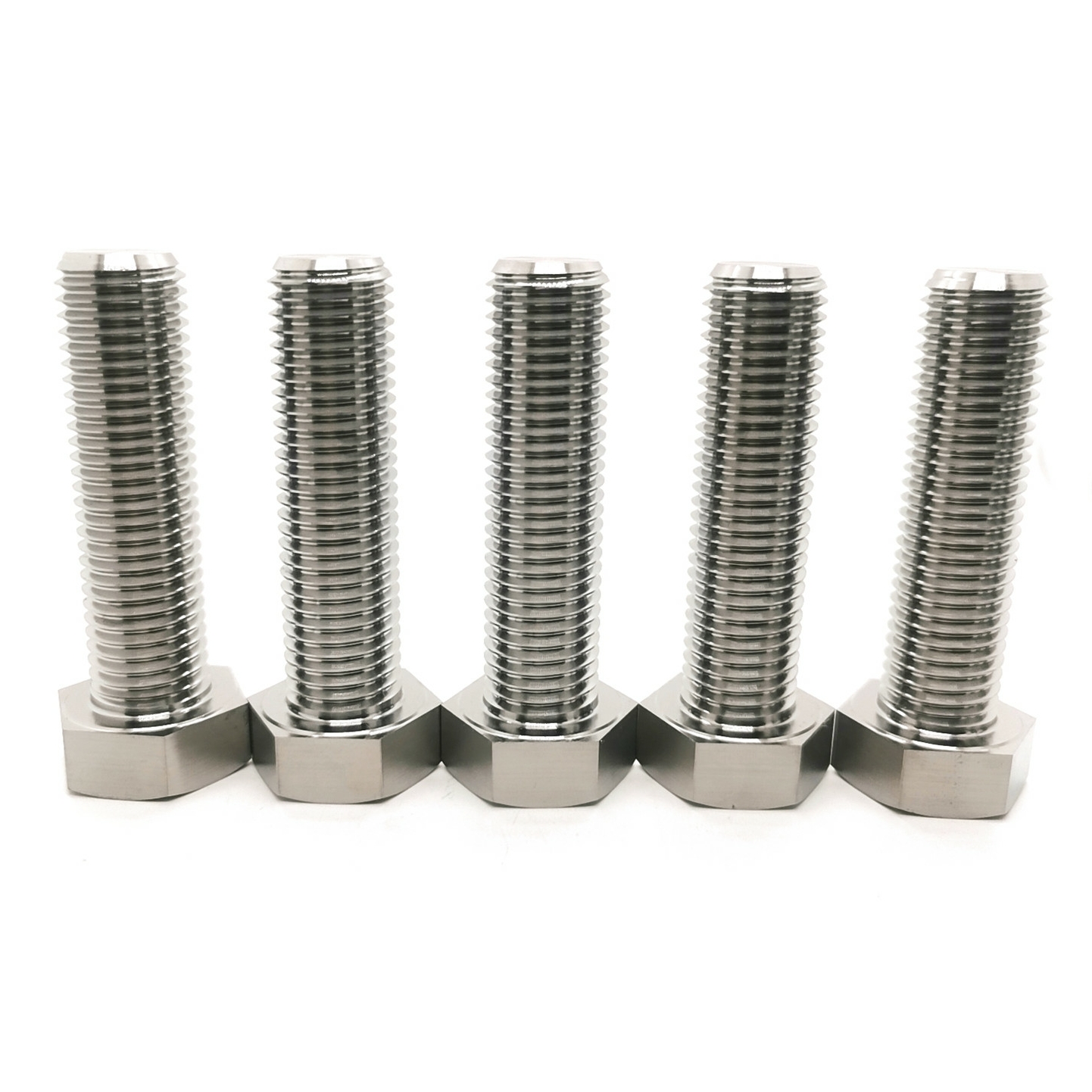
ZFTI Titanium Hex Bolt Full Thread ISO 4018 M8–M16 Plain Finish
- GradeGr5 / Ti-6Al-4V
- Size RangeM8 to M16 (Full Thread)
- ExecutionPrecision CNC Machined
Direct OEM/ODM production from Baoji's Titanium Valley with full mill traceability, conforming to JIS B 1051, ISO 4014/4018, and DIN 912 dimensional controls.
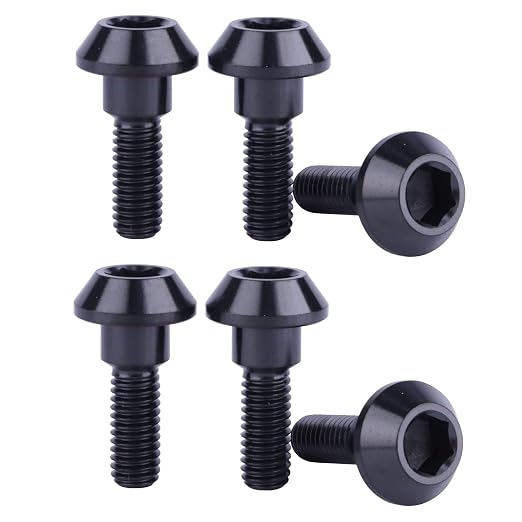
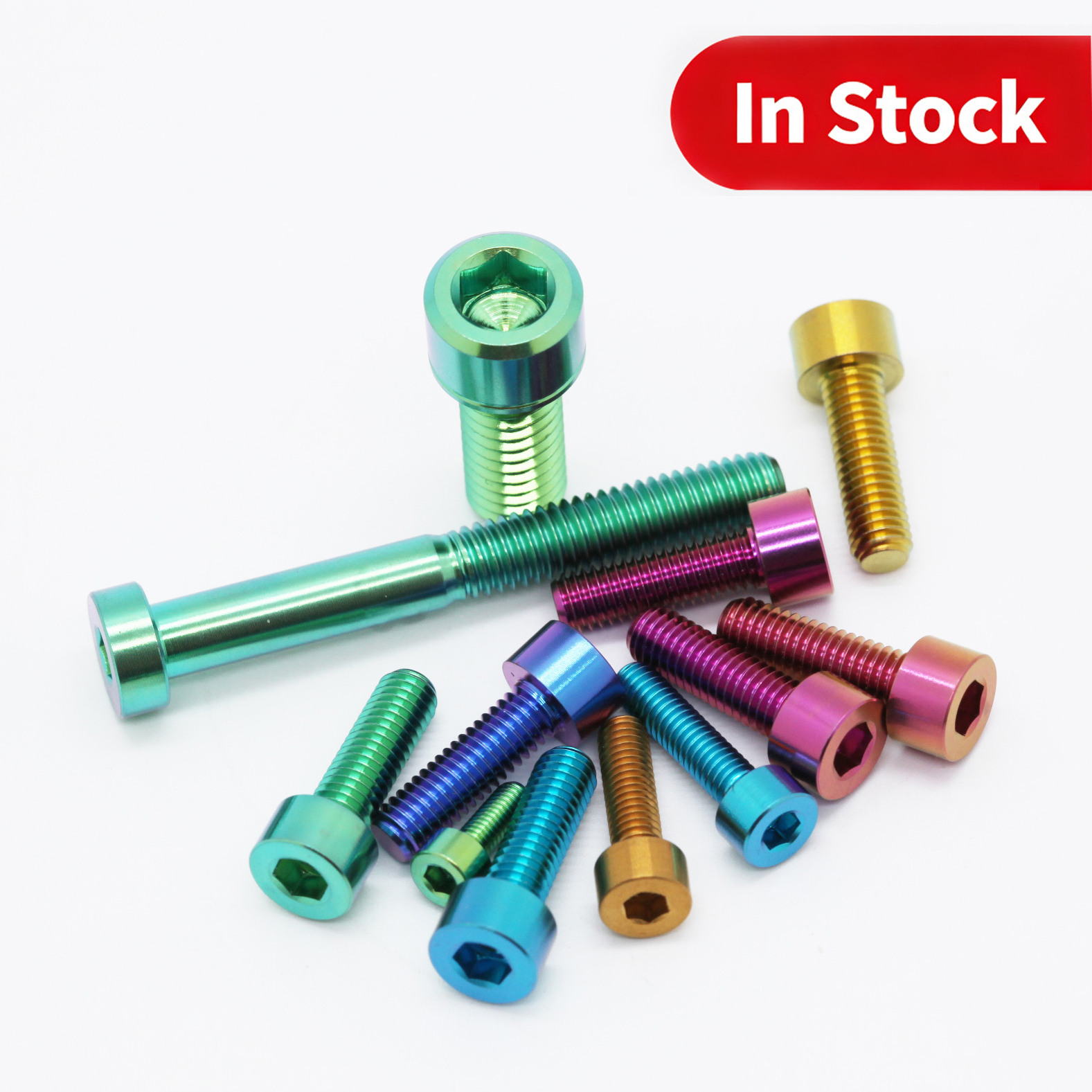
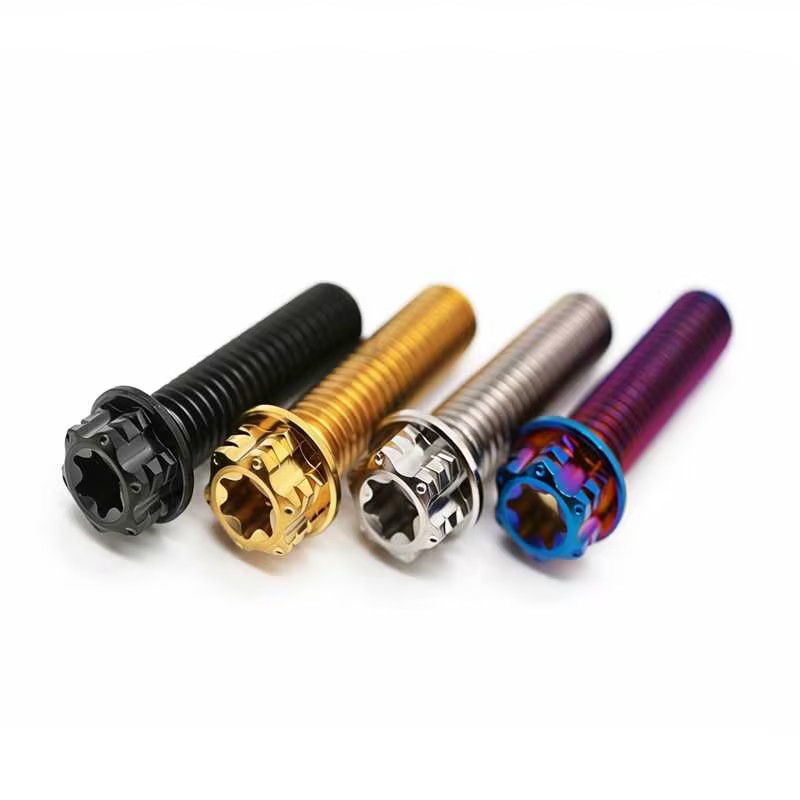
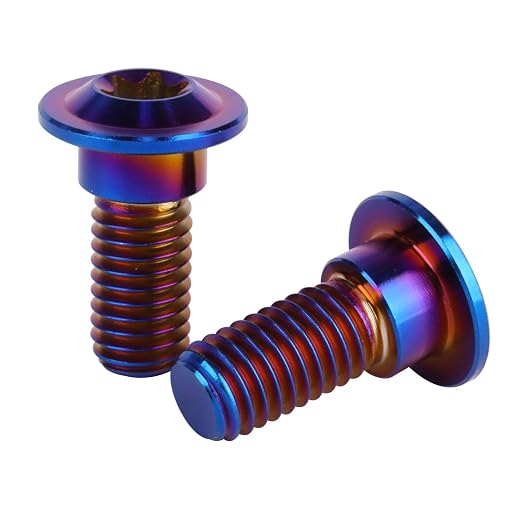
Tokyo and the wider Kanto industrial ecosystem—encompassing Kanagawa, Saitama, and Chiba—represent one of the world's most exacting concentrations of precision machinery, robotic automation, advanced transport manufacturing, and medical technology. Sourcing Grade 5 (Ti-6Al-4V) and Grade 2 commercial pure titanium fasteners from Baoji, China's designated "Titanium Valley," enables Japanese engineering procurement managers, trading firms (Shosha), and OEM designers to maintain world-class mechanical thresholds while optimizing Bill-of-Materials (BOM) expenditures by 30% to 55% compared to domestic Japanese small-lot cold headers.
Precision titanium fasteners manufactured by Yevzo Titanium Metal Co., Ltd. originate from vacuum arc remelted (VAR) ingots forged and rolled into ASTM B348 and JIS H 4600 compliant billet stock. Unlike standard commercial steel bolts (such as SS400 or SCM435), titanium fasteners require specialized multi-axis CNC turning, strict thread-rolling die speed calibration to prevent work hardening, and cryogenic coolant circulation to prevent hydrogen embrittlement. As Japanese industrial procurement pivots toward decentralized, resilient supply chains, factory-direct sourcing with rigorous quality documentation provides a strategic hedge against lead-time volatility.
Procurement intent across Tokyo differs markedly from generic overseas hardware demands. The region's industrial profile requires extreme dimensional consistency, clean packaging, and non-magnetic, corrosion-free attributes. Below are the core industrial nodes where our precision titanium fasteners provide quantifiable operational gains:
Autonomous guided vehicles (AGVs), multi-axis SCARA robots, and precision grippers operating in Tokyo wafer cleanrooms demand ultra-low rotational mass. Our DIN 912 titanium socket screws eliminate cyclical inertia, allowing servo drives to operate at higher acceleration curves without overheating.
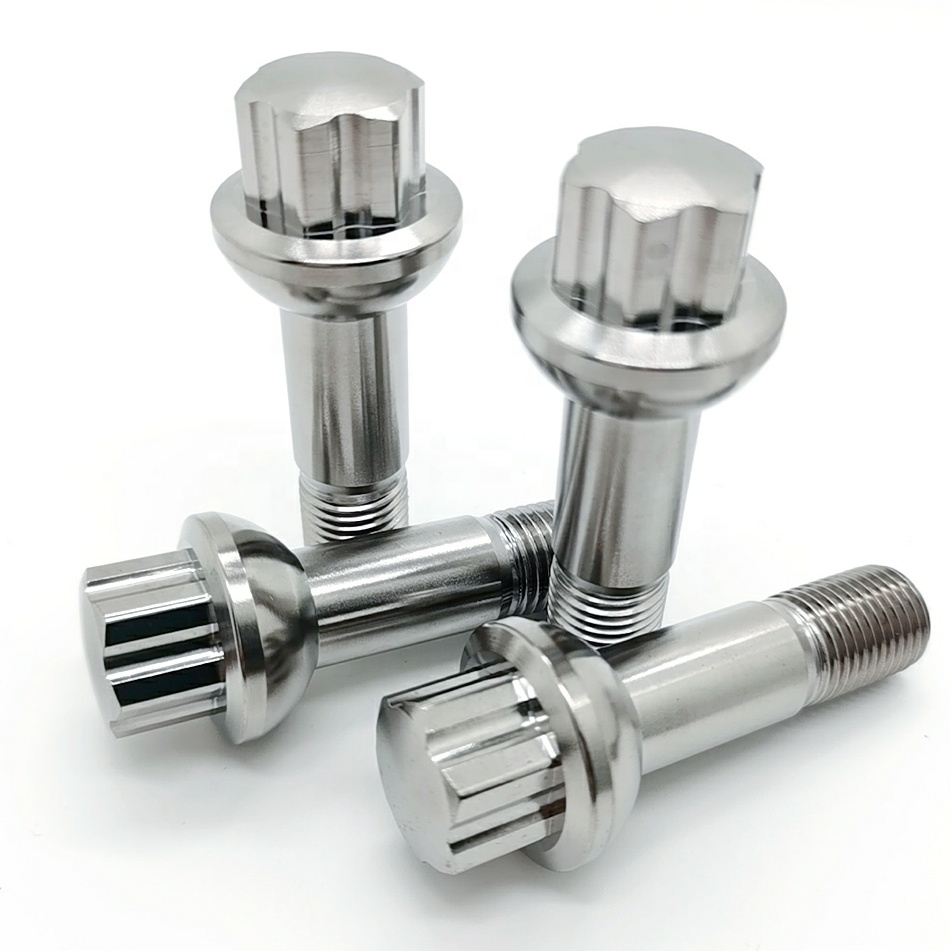
Kanagawa automotive R&D clusters focus aggressively on pack weight reduction. M12 and M14 titanium wheel lug bolts directly cut rotational unsprung mass, improving regenerative braking efficiency, damping response, and road compliance on racing and high-performance passenger platforms.
Biocompatible Grade 2 and Grade 5 ELI fasteners are completely non-magnetic and inert to bodily fluids or aggressive sterilization chemicals. Used widely in MRI diagnostic equipment, surgical robotic arms, and endoscopic imaging fixtures across Tokyo's life science districts.
Tokyo Electron and related equipment builders require ultra-high vacuum (UHV) compatible fasteners. Vented titanium hex socket screws eliminate trapped air pockets in tapped holes, preventing virtual leaks during vacuum draw-down down to 10-7 Pa.
Fasteners installed in coastal installations around the Port of Tokyo and Yokohama harbor are subjected to harsh chloride fog. Commercially pure Grade 2 titanium bolts form a self-healing rutile (TiO&sub2;) passivation layer, rendering them entirely immune to saltwater crevice corrosion.
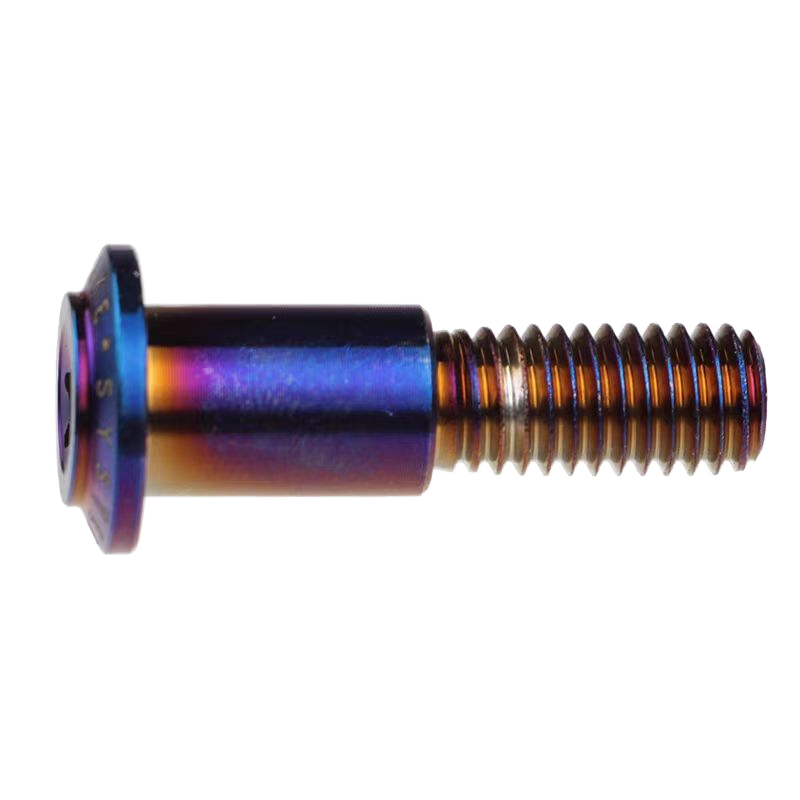
Tokyo's custom motorcycle culture (Roppongi, Akihabara, and Odaiba circuit builders) widely deploys our M8×1.25 and M6×20 brake rotor bolts and titanium wheel lugs. PVD physical vapor deposition in rainbow, burned blue, and black nitride satisfies both aesthetic and thermal demands.
When engineering mechanical assemblies, direct substitution of steel fasteners with titanium requires structural evaluation of yield point, shear capability, thermal coefficient of expansion, and galvanic compatibility. Below is the empirical benchmark table comparing Baoji-manufactured titanium fasteners with mainstream Japanese industrial fastener alloys:
| Performance Metric | Ti-6Al-4V (Grade 5 / DAT51) | Commercial Pure Ti (Grade 2) | SCM435 Alloy Steel (Class 10.9) | SUS304 Stainless Steel (A2-70) |
|---|---|---|---|---|
| Tensile Strength (Rm) | ≥ 895 – 1,000 MPa | ≥ 345 – 450 MPa | 1,040 – 1,220 MPa | 700 – 800 MPa |
| Yield Strength (Rp0.2) | ≥ 828 MPa | ≥ 275 MPa | ≥ 940 MPa | ≥ 450 MPa |
| Density (ρ) | 4.43 g/cm³ (-44% vs Steel) | 4.51 g/cm³ | 7.85 g/cm³ | 7.93 g/cm³ |
| Modulus of Elasticity (E) | 114 GPa (High Flex Fatigue) | 103 GPa | 210 GPa | 193 GPa |
| Magnetic Permeability (μ) | 1.00005 (Non-Magnetic) | 1.00004 (Non-Magnetic) | Ferromagnetic (> 500) | 1.01 – 1.05 (Slight Cold Work) |
| Seawater Corrosion Rate | < 0.001 mm/year (Immune) | < 0.001 mm/year (Immune) | Severe Pitting (> 0.15 mm/yr) | Susceptible to Crevice Pitting |
| Max Service Temp (°C) | 400°C continuous | 300°C | 350°C | 550°C |
*Data reflects certified testing per ASTM B348, JIS H 4600, and ISO 898-1 standards. Certified Mill Test Certificates (EN 10204 3.1) are issued alongside each production lot dispatched to Japanese ports.
Procurement channels in Tokyo are responding to four transformative macro trends that directly influence how non-ferrous fasteners are specified and acquired:
Japanese heavy industries are committed to scope-3 emissions curtailment. In commercial aviation, high-speed rail, and commercial electric vehicles, every 100 kg reduced cuts significant operating energy over equipment lifecycle. Titanium's unmatched strength-to-weight ratio makes it the premier fastening metal for sustainable transit.
Japanese engineering offices increasingly avoid maintaining massive physical fastener stockpiles. Just-in-Time (JIT) production models in Tokyo rely on qualified overseas contract manufacturers in Baoji capable of short lead times, small batch turnarounds (starting at 20-50 pcs), and direct CAD-to-part machining.
Japanese designers are transitioning legacy JIS specifications (such as JIS B 1180, B 1176) to international ISO standards (ISO 4014, ISO 4762). Our CNC tooling is calibrated to machine metric threads under ISO 965-1 Class 6g tolerances, ensuring zero cross-threading or assembly friction in Japanese plants.
Beyond natural silver finishes, Japanese automotive and motorcycle modifiers demand PVD (Physical Vapor Deposition) Titanium Nitride (TiN), Titanium Carbo-Nitride (TiCN), and Diamond-Like Carbon (DLC) treatments for enhanced surface micro-hardness (> 2500 HV) and anti-galling lubrication.
Operating continuously since 2013 from the Honeycomb Industrial Park in Baoji's High-Tech Development Zone, Yevzo combines the cost competitiveness of raw titanium smelting access with aerospace-grade fabrication discipline. We are an audited manufacturer and trading entity verified onsite by global third-party inspection firms.
Every batch of Gr2 and Gr5 titanium bar is derived from primary 0A-grade sponge titanium. We perform full optical emission spectrometer (OES) chemical validation and ultrasonic non-destructive flaw detection before a single cut is made on our shop floor.
Our workshop houses over 100 units of high-precision CNC multi-spindle lathes, 3-axis and 5-axis machining centers, and cold/hot heading equipment. Threads are rolled rather than cut whenever possible, creating uninterrupted grain flow lines for maximum fatigue endurance under cyclical vibration.
Every shipment bound for Port of Tokyo (Oi Container Terminal) or Yokohama undergoes rigorous multi-point quality assurance: Keyence optical dimension verification, Mitutoyo thread pitch micrometers, surface roughness testers (Ra ≤ 0.4 μm), and complete lot sampling reports.
Practical technical and commercial answers addressing common engineering inquiries from Japanese purchasing divisions:
Submit your 2D drawings, 3D STEP models, or catalog part inquiries. Our application engineers in Baoji provide complete manufacturing proposals, metallurgical data sheets, and competitive FOB/DDP Tokyo quotations within 24 hours.