High-Performance Titanium Hardware & Custom Machined Components
Engineered from certified Baoji titanium alloy bar stock (ASTM F136 / ASTM B348 Gr5), these precision components exemplify the exacting micro-tolerances, rolled threads, and advanced PVD/anodized surface passivation demanded by Nagoya's precision engineering clusters.
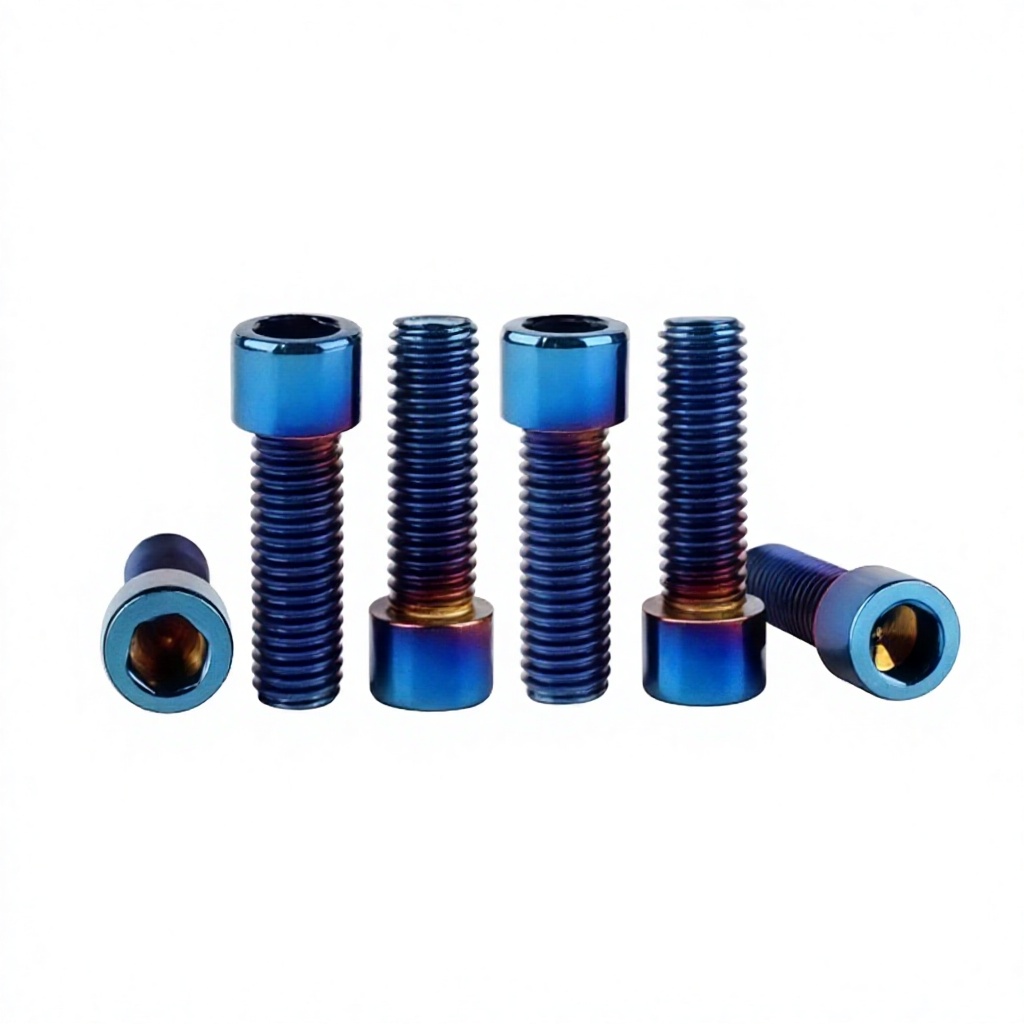
Titanium Bolts Flat Head Screws Zinc M1.6 Industrial Grade
Inspect Product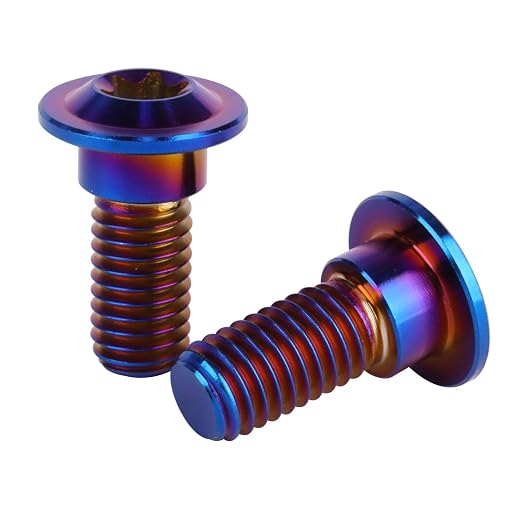
Motorcycle Titanium Bolts Hexagonal Step Flat Head M8 1.25
Inspect Product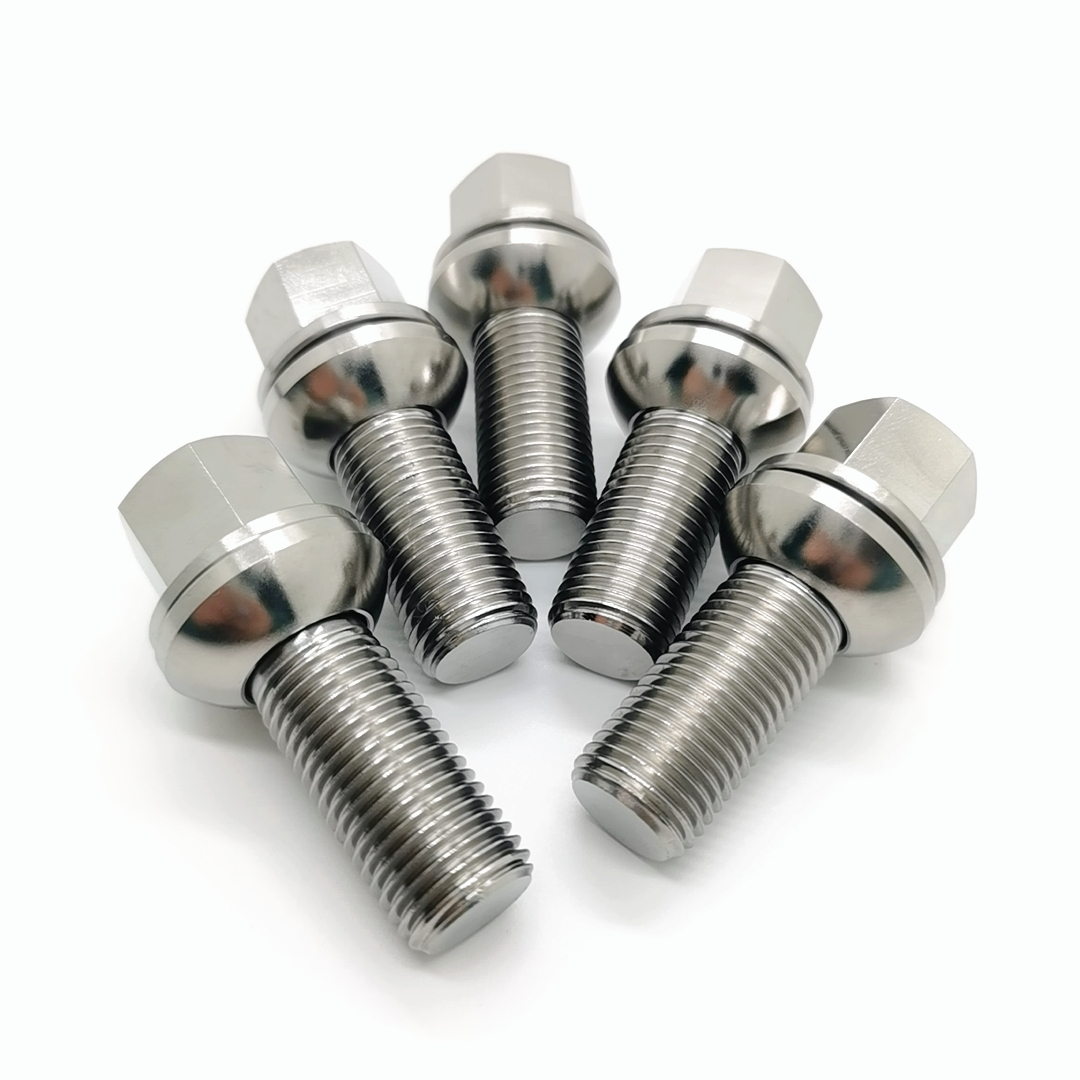
Titanium Alloy Gr5 M12 M14-1.5x30 Hex Lug High Strength Bolts
Inspect Product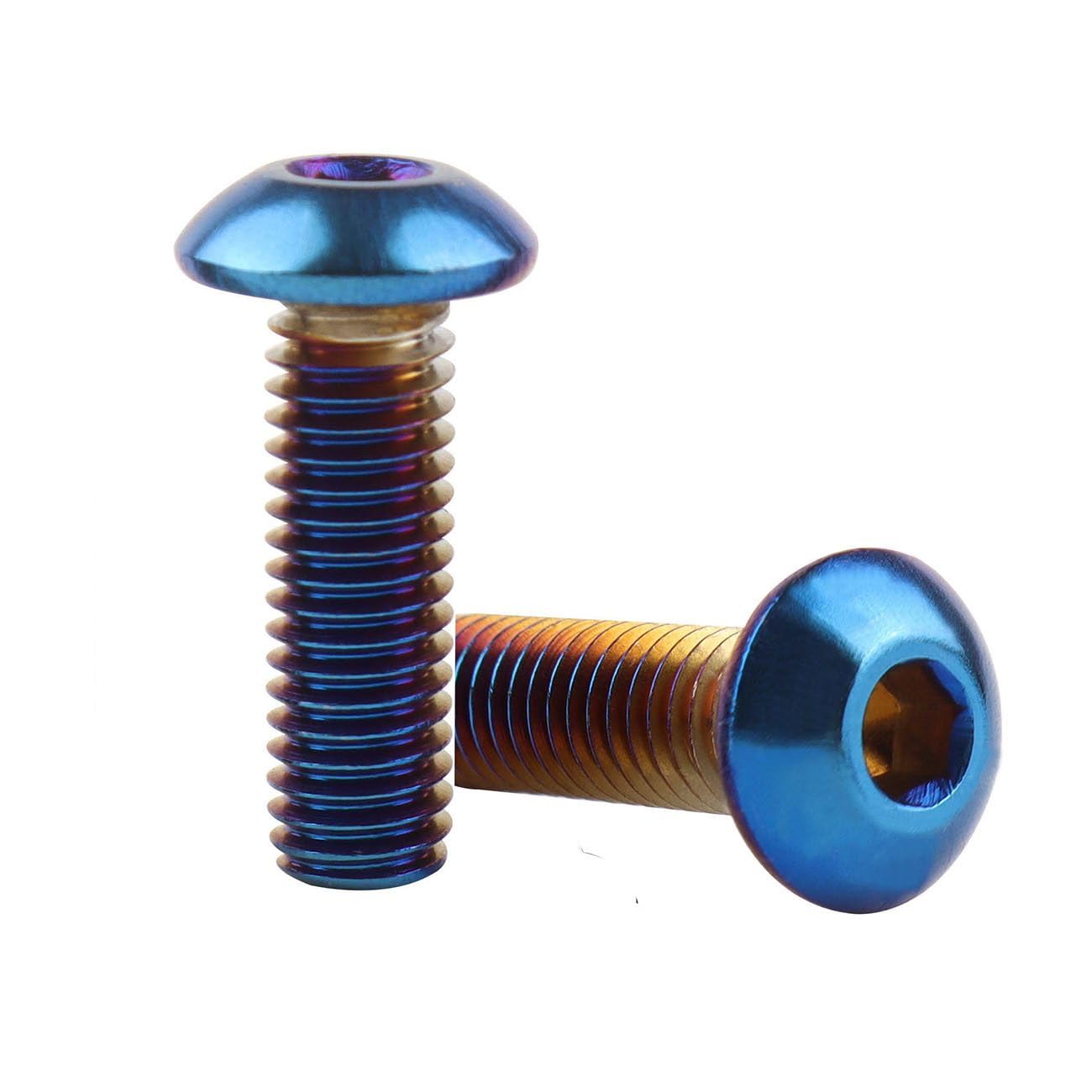
Titanium Finish Bolt M6x12-35mm Burnt Blue Modification
Inspect Product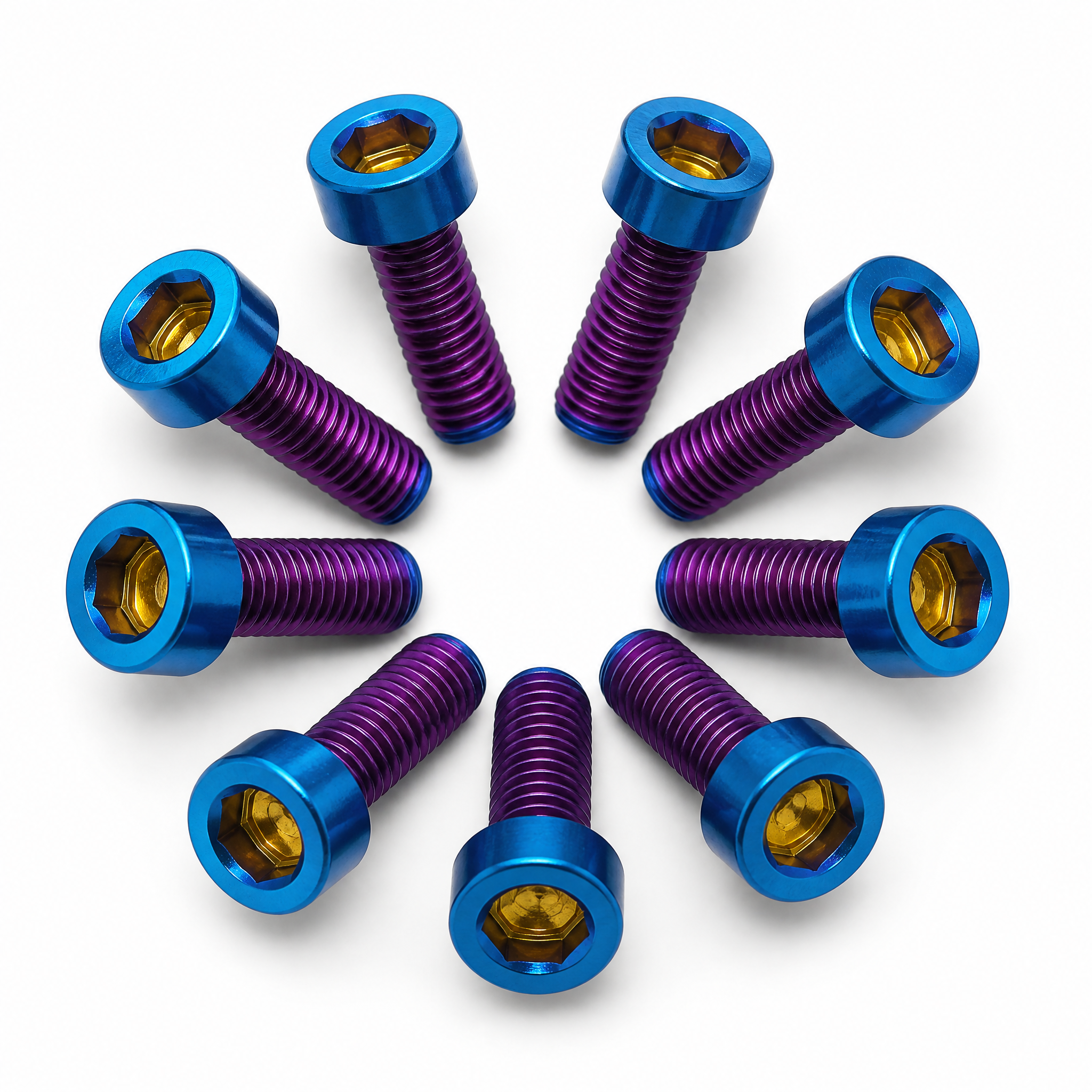
Titanium Alloy Bolts Gr5 Anodized Colored Torx M4 M5 M6
Inspect Product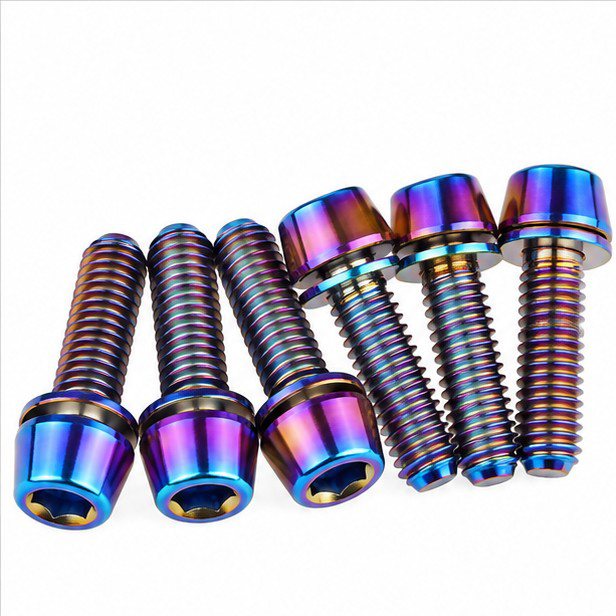
Titanium M5 Bolt with Washer Stem Screw Burnt Blue M5x16
Inspect Product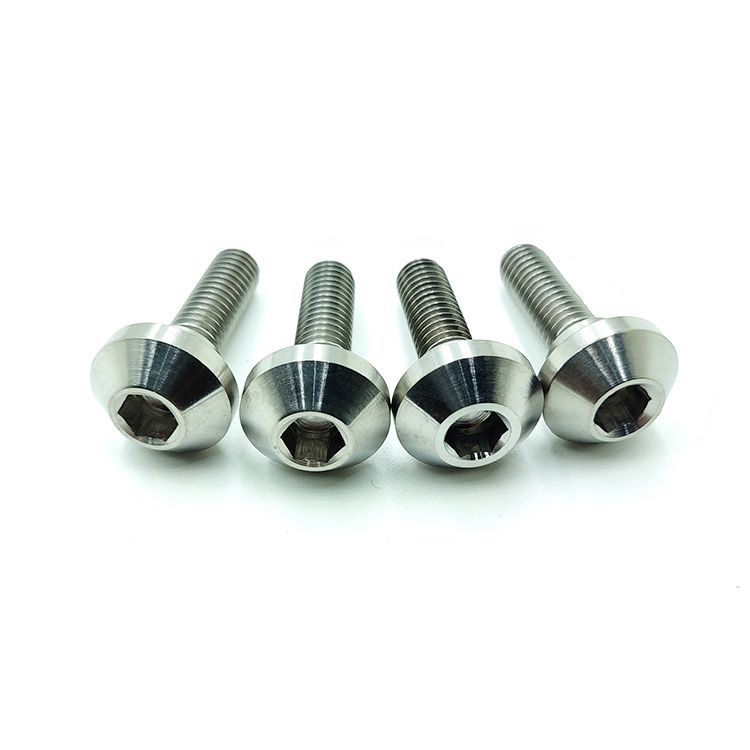
GR5 Titanium Alloy Anodized Brake Bolts Class 10.9 & 12.9
Inspect Product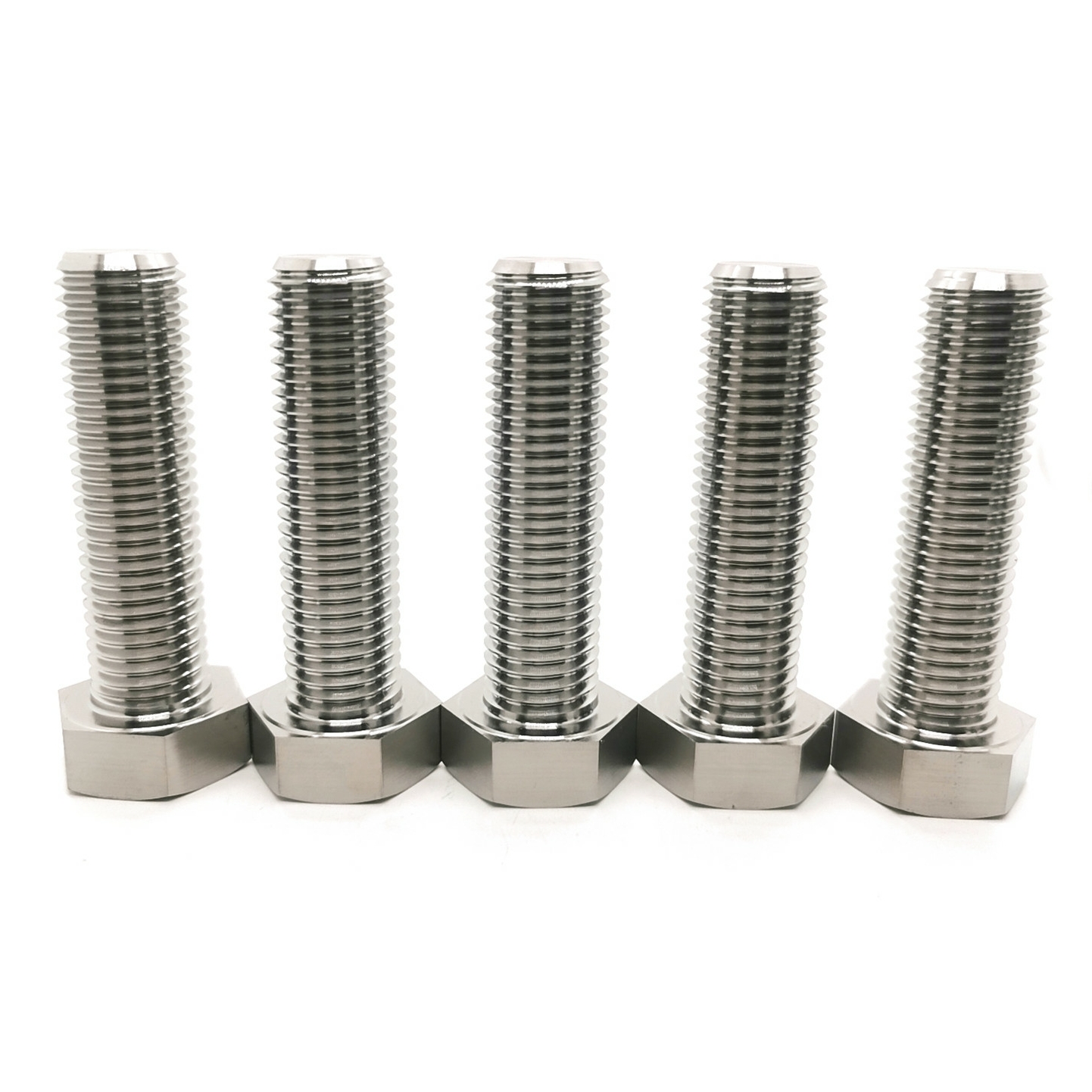
DIN912 Titanium Hexagon Socket Head Cap Screws M0.8-M24
Inspect ProductMin. Tensile Strength (ELI)
Swiss Turning Tolerance
AMS 2631 Flaw Inspected
Air-Cargo Lead to Nagoya
The Metallurgical Imperative: ASTM F136 ELI & ASTM F67 Titanium Bars for Medical Fabrication
In modern biomedical implantology and minimally invasive surgical robotics, metallurgical purity is not merely an engineering criterion—it is a critical clinical safeguard. As Japanese medical equipment manufacturers throughout Greater Nagoya and the broader Chubu manufacturing corridor expand production of joint arthroplasty systems, spinal fusion cages, and micro-endoscopic instruments, material specifications have migrated toward ultra-low interstitial grades. Our manufacturing facility in Baoji ("China Titanium Valley") supplies medical-grade round bars engineered strictly in accordance with ASTM F136 (Ti-6Al-4V ELI - Extra Low Interstitial), ISO 5832-3, and ASTM F67 (Unalloyed Commercially Pure Grades 1 through 4), specifically catering to high-precision machining plants in Aichi Prefecture.
The distinction between conventional industrial titanium (such as ASTM B348 Grade 5) and medical implant titanium (ASTM F136) lies primarily in the precise control of interstitial gaseous elements—specifically Oxygen (O ≤ 0.13%), Nitrogen (N ≤ 0.05%), Carbon (C ≤ 0.08%), and Iron (Fe ≤ 0.25%). In our vacuum arc remelting (VAR) processes, interstitial elements are meticulously restricted to achieve superior fracture toughness (K_IC ≥ 75 MPa·m^1/2) and superior high-cycle fatigue limits. This metallurgical threshold prevents in-vivo micro-cleavage failure under cyclical biomechanical loading, ensuring that spinal fixation rods, dental abutments, and orthopedic bone screws produced in Nagoya retain their structural integrity throughout decade-long lifespans.
Engineering Information Gain: Grain Size & Microstructure Refinement
Unlike standard industrial bars that display coarse lamellar or basket-weave alpha-beta phase distributions, our medical-grade ASTM F136 bars undergo thermo-mechanical cross-rolling followed by recrystallization annealing. The resulting equiaxed alpha grains with intergranular beta phase achieve an ASTM E112 Grain Size Rating of Grade 7 or finer (≤ 30 μm). This fine equiaxed microstructure eliminates directional shear banding during Swiss-type CNC micro-machining, guaranteeing flawless mirror finishes (Ra ≤ 0.1 μm) on complex implant geometry.
Localized Applications in Nagoya's MedTech & Advanced Precision Sector
The Greater Nagoya region (Aichi, Gifu, and Mie Prefectures) represents Japan’s premier precision machining stronghold. Our certified titanium bars and micro-hardware are engineered to feed directly into the local manufacturing lines that define Japanese medical and surgical excellence.
Orthopedic Trauma & Spinal Fixation Systems
Machined by precision subcontractors across Komaki, Kariya, and Nagoya, our centerless-ground ASTM F136 ELI round bars (diameters 4.5 mm to 12.0 mm, h7/h6 tolerance) serve as primary feedstock for pedicle screws, cross-link connectors, and intramedullary interlocking nails. The controlled yield strength (828–910 MPa) enables precise intraoperative contouring by orthopedic surgeons without cold-work embrittlement or micro-cracking.
Dental Implantology & Micro-Abutments
Nagoya’s dental fabrication laboratories utilize our ASTM F67 Grade 4 (unalloyed cold-worked, UTS ≥ 680 MPa) and ASTM F136 micro-bars (dia. 2.0 mm to 6.5 mm). These bars provide the exceptional machinability required for threading internal hex connections with zero burr formation, facilitating superior osseointegration when subjected to SLA (Sand-blasted, Large-grit, Acid-etched) surface treatments by domestic finishing houses.
Surgical Robotics & Articulated End-Effectors
Leveraging Aichi's industrial robotics pedigree, next-generation laparoscopic and robotic surgical arms demand ultra-lightweight, non-magnetic, non-reactive structural hardware. Our M1.6, M2.5, and M3 DIN 912 titanium fasteners and micro-turned linkage shafts offer exceptional stiffness-to-weight ratios, minimizing inertial latency during sub-millimeter remote teleoperation within sterile operating theaters.
 Vacuum Arc Remelting & Forging
 Swiss-Type Micro Turning
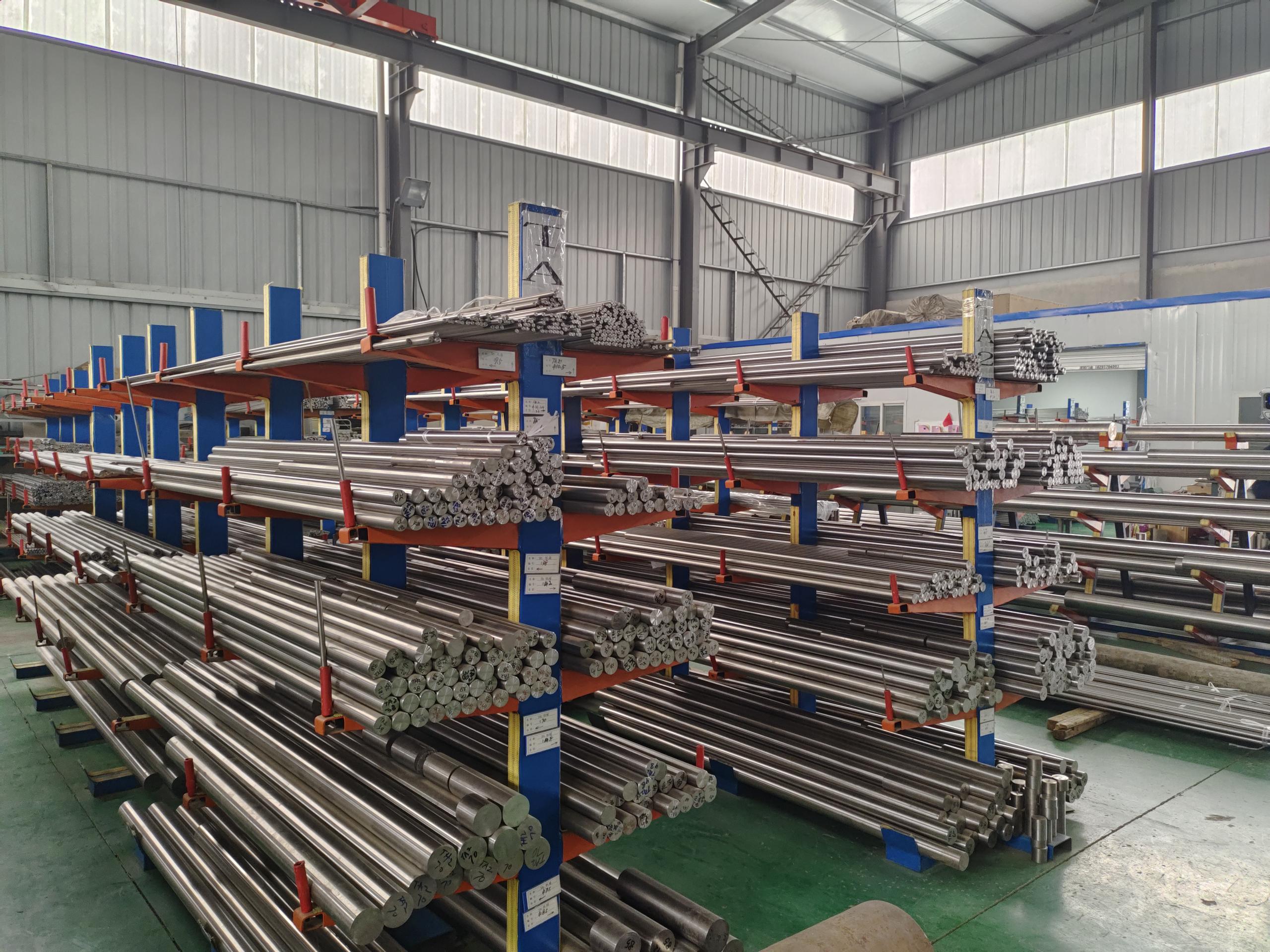 Centerless Ground Round Bar Stock
 AMS 2631 Ultrasonic NDT Check
Evolving Trends in Nagoya's Medical Supply Chain & Regulatory Alignment
The manufacturing ecosystem in Nagoya is currently undergoing a strategic transformation. Historically renowned as the epicenter of Japan’s aerospace and automotive industries (headquartered in and around Toyota City and Nagoya Port), local precision contract manufacturers are systematically diversifying into Class II and Class III medical device engineering. This shift is accelerated by Japan's rapidly aging demographic (over 29% of the population aged 65 or older), which is driving unprecedented domestic consumption of joint reconstructive implants, cardiovascular stents, and spine stabilization hardware.
Furthermore, Japanese procurement directors are actively reassessing their supply chain architectures. While European and North American titanium raw materials historically dominated the Japanese domestic market, escalating lead times (often surpassing 40–52 weeks) and volatile currency fluctuations have forced Nagoya fabricators to establish direct, dual-sourcing partnerships with accredited Chinese primary mills. Under Japan's stringent PMDA (Pharmaceuticals and Medical Devices Agency) regulatory framework, traceability to the original molten ingot is mandatory. Our quality management system provides complete 3.1 Mill Test Certificates (MTC), full chemical combustion analysis, hydrogen determination via inert gas fusion, and ultrasonic test records conforming to AMS 2631 Class AA standards, allowing seamless compliance audits under ISO 13485:2016.
Another dominant trend across Aichi's machining houses is the adoption of near-net-shape, pre-straightened micro-bars for automated bar-feeders. As high-speed citizen Swiss lathes operate continuously overnight, bar stock out-of-straightness exceeding 0.5 mm/m causes spindle vibration, accelerating tool wear and compromising the Ra surface finish of tiny bone screw threads. By incorporating precision two-roll rotary straightening and centerless diamond polishing, our bars deliver straightness tolerances within ≤ 0.25 mm/m, optimizing tool life and unattended throughput for Japanese machining subcontractors.
Engineering Specification Matrix: Medical Grades vs. Industrial Reference
Review the comprehensive physical, mechanical, and regulatory parameters governing raw medical bar stock and precision fasteners to select the ideal alloy specification for your Nagoya production runs.
| Property / Standard | Ti-6Al-4V ELI (ASTM F136) | CP Ti Grade 4 (ASTM F67) | Ti-6Al-4V Gr 5 (ASTM B348) | JIS T 7401-3 Equiv. |
|---|---|---|---|---|
| Classification | Medical Alpha-Beta Alloy | Commercially Pure Grade | Industrial Aerospace Alloy | Japan Surgical Implant Spec |
| Tensile Strength (UTS, Min) | 860–895 MPa | 550–680 MPa | 895–930 MPa | ≥ 860 MPa |
| Yield Strength (0.2% Offset) | ≥ 795–828 MPa | ≥ 483 MPa | ≥ 828 MPa | ≥ 795 MPa |
| Elongation at Fracture (A5) | ≥ 10% – 12% | ≥ 15% | ≥ 10% | ≥ 10% |
| Max Oxygen Content (O₂) | ≤ 0.13% (Ultra-Clean) | ≤ 0.40% | ≤ 0.20% | ≤ 0.13% |
| Max Iron Content (Fe) | ≤ 0.25% | ≤ 0.50% | ≤ 0.40% | ≤ 0.25% |
| Biocompatibility / Cytotoxicity | ISO 10993-5 Certified Non-toxic | Direct Bone Contact Bio-inert | General Engineering Usage | PMDA Approved for Implants |
| Diameter Tolerance Capability | ISO h6, h7, h8 Precision Ground | ISO h7, h8, h9 Ground | ASTM Standard / Cold-Drawn | h6 / h7 Centerless Polished |
| Typical Clinical Nagoya Application | Spinal Pedicle Screws, Trauma Plates | Dental Implants, Craniofacial Mesh | High-Shear Aerospace, Motorsport | Orthopedic Joint Prostheses |
Integrated Mill Strengths from China's Titanium Valley to Nagoya
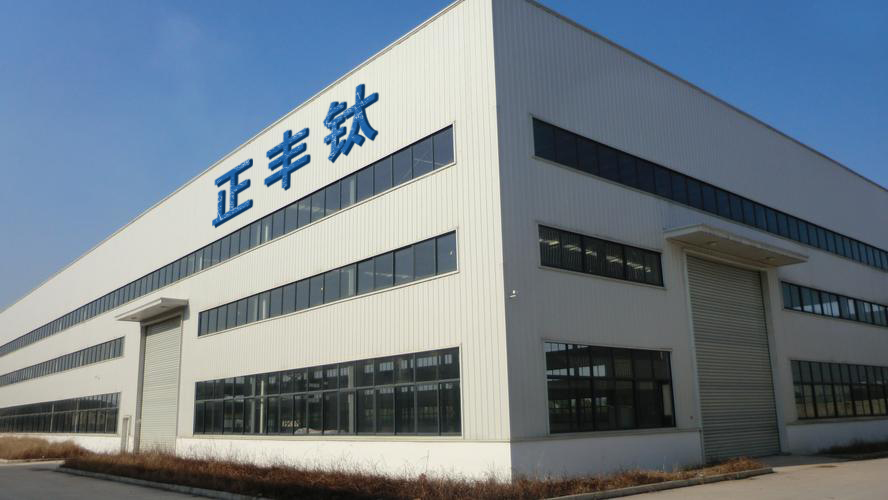
Founded in 2013 in the High-Tech Industrial Zone of Baoji, China, Yevzo Titanium operates as an integrated manufacturer combining raw material smelting, precision bar processing, and five-axis CNC hardware manufacturing under one roof.
Traceable Baoji Sourcing
By controlling primary sponge titanium selection through vacuum arc remelting (VAR), we guarantee 100% heat-lot tracking with zero unvetted secondary scrap, safeguarding raw mechanical integrity for critical patient-care items.
Micro-Tolerance Execution
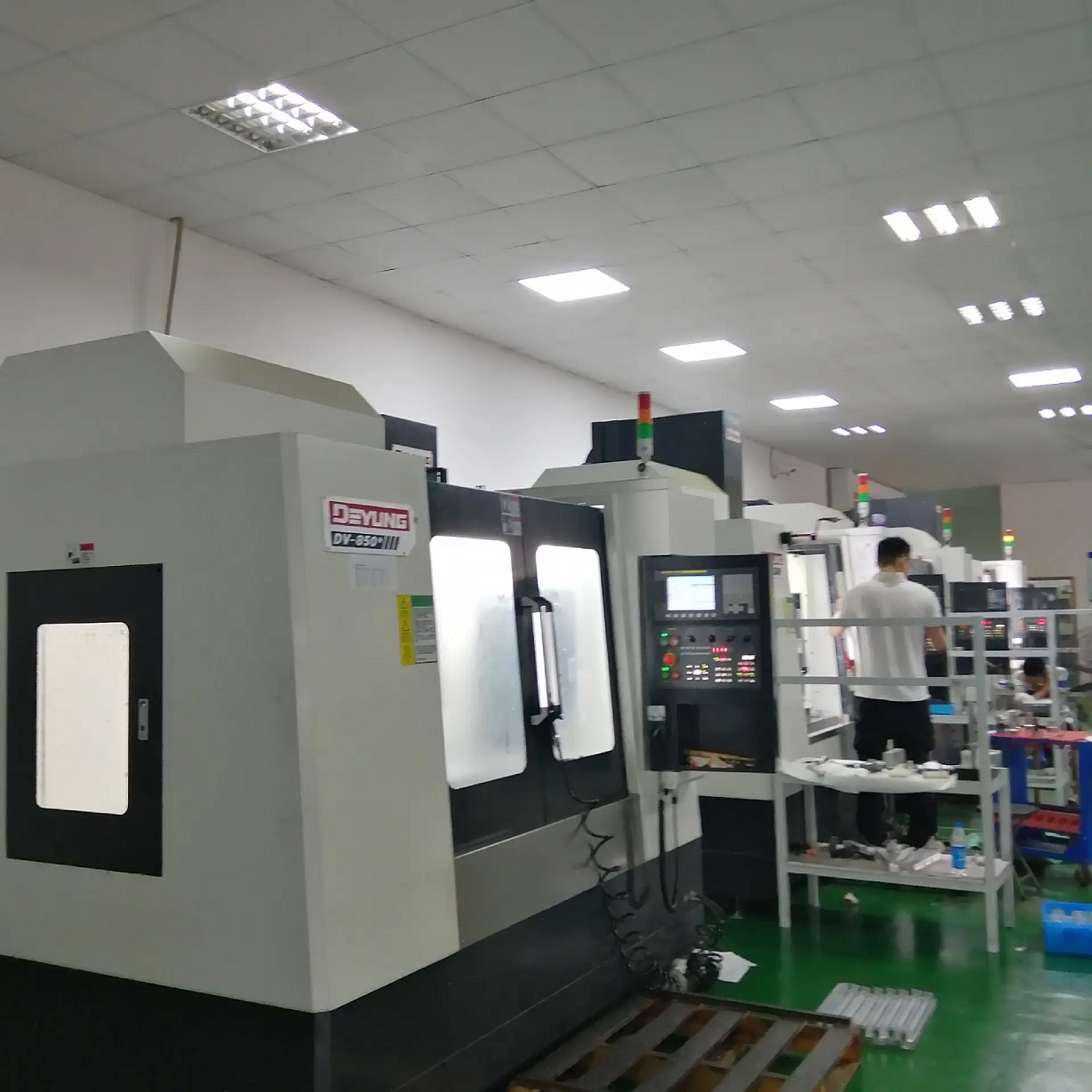
Our workshop houses over 100 high-speed CNC turning-milling centers, including Swiss-type automatic lathes capable of holding continuous dimensional tolerances within ±0.002 mm on small-diameter bone fasteners and pins.
100% Ultrasonic Testing
Every single bar destined for medical device processing undergoes water-immersion ultrasonic inspection per AMS 2631 / SEP 1921 Class AA, followed by surface eddy-current checking to eliminate internal voids or hairline inclusions.
Nagoya Express Fulfillment
Direct consolidated air shipments from Xi'an / Shanghai arrive at Chubu Centrair International Airport (NGO) within 3 to 5 business days, supported by complete DDP documentation, clearing Japanese customs seamlessly.
Frequently Asked Questions by Japanese Engineers & Buyers
Detailed technical answers addressing Japanese PMDA documentation, dimensional tolerances, anti-galling engineering, and logistics into Nagoya and Aichi Prefecture.
How do your ASTM F136 titanium bars align with Japanese JIS T 7401-3 standards for PMDA registration?
What centerless grinding tolerances and bar roundness can you guarantee for automated Swiss machining?
What is your protocol for mitigating thread galling (seizure) on titanium bone screws and mating fasteners?
What are your minimum order quantities (MOQ) and sample lead times for trial manufacturing validation in Nagoya?
How are titanium bars and fasteners packaged to prevent thread nicking and airborne surface contamination during transit?
Request Technical Specification & Engineering Catalog
Accelerate your medical device manufacturing in Nagoya. Speak directly with our metallurgical engineers to discuss chemical limits, centerless ground tolerances, ultrasonic certification data, and mill-direct price structures tailored to Japanese manufacturers.
ISO 13485 Compliant Workflow • Complete EN 10204 3.1 Traceability • Direct Baoji Mill Sourcing