High-Integrity Fasteners Sourced for Keihin Industrial Zone
Fully compliant with ISO 9001 and CE directives. Each batch offers heat-treatment traceability, cold-rolled microthreads, and anodic surface passivation tested against Tokyo Bay marine atmospheric salinity.
High-Integrity Titanium Metallurgy in Critical Industrial Fastening
Selecting fasteners for harsh coastal operating conditions and cyclic shock applications demands rigorous metallurgic insight. Industrial infrastructure throughout Kanagawa Prefecture—ranging from the automated marine container berths at Minami Honmoku Pier to the experimental high-torque powertrain development labs along the Keihin industrial corridor—operates under intense atmospheric salinity and elevated mechanical stress. Conventional structural fasteners manufactured from zinc-electroplated grade 8.8 carbon steel, or even austenitic stainless steels such as SUS304 and SUS316, frequently fail prematurely. Under repetitive thermal and salt-fog conditions, stainless steels fall victim to localized chloride stress corrosion cracking (SCC) and interstitial pitting corrosion.
Titanium alloys, particularly alpha-beta Grade 5 (Ti-6Al-4V, UNS R56400 / Werkstoff 3.7165) and commercially pure alpha Grade 2 (CP-Ti, UNS R50400), bypass these structural vulnerabilities entirely. Upon atmospheric exposure, titanium instantly develops an amorphous, self-healing titanium dioxide (TiO2) passive passivation film. This nanometer-thin oxide barrier renders the fastener electrochemically neutral against neutral chloride brines, ocean spray, hydrogen sulfide emissions, and high-pressure steam.
Mechanical Property Matrix: Titanium vs. Conventional Fastener Steels
The table below illustrates comparative material behavior according to ASTM B348, ISO 898-1, and ISO 3506 benchmarks. For engineering procurement officers across the Yokohama-Kawasaki corridor, this technical baseline clarifies load-bearing parameters, thermal expansion coefficients, and shear performance:
| Mechanical Metric | Grade 5 Titanium (Ti-6Al-4V) | Grade 2 Titanium (CP-Ti) | Class 8.8 Alloy Steel | Class 10.9 Alloy Steel | SUS316 A4-80 Stainless |
|---|---|---|---|---|---|
| Density (g/cm³) | 4.43 | 4.51 | 7.85 | 7.85 | 8.00 |
| Min. Tensile Strength (MPa) | 895 - 1050 | 345 - 450 | 800 | 1000 | 800 |
| Min. Yield Strength Rp0.2 (MPa) | 828 | 275 | 640 | 900 | 600 |
| Elongation at Fracture A5 (%) | ≥ 10 - 15 | ≥ 20 | ≥ 12 | ≥ 9 | ≥ 12 |
| Elastic Modulus (GPa) | 114 | 105 | 210 | 210 | 193 |
| Thermal Expansion (10−&sup6;/K) | 8.6 | 8.6 | 11.7 | 11.7 | 16.0 |
| Tokyo Bay Marine Resistance | Immune to Cl− attack | Immune to Cl− attack | Rapid oxidation | Requires Zn-Ni plating | Risk of Crevice Pitting |
CE Marking Directives, Pressure Equipment Directive (PED) & Cold-Rolling Integrity
Procurement teams navigating international compliance standards require certified verification of factory traceability. Our manufacturing processes fulfill CE conformity criteria, encompassing the technical requirements outlined in the Pressure Equipment Directive (PED 2014/68/EU) and the EN 15048 / EN 14399 structural bolting frameworks. Every coil and billet undergoes dual vacuum arc remelting (VAR) in Baoji, the titanium processing hub responsible for the vast majority of China’s high-purity non-ferrous metals.
Unlike economical hardware that cuts screw threads via abrasive turning—a practice that tears the metallographic grain flow and introduces notch stress microcracks—our fasteners employ precision cold thread rolling. By mechanically displacing metal grains under heavy rolling dies, grain continuity is maintained parallel to the thread profile. This technique increases surface hardness by up to 18% via strain hardening and multiplies dynamic fatigue life by over 300% under high-frequency harmonic vibration.
Tribology, Galling Prevention & Galvanic Couple Isolation
A frequent concern voiced by Japanese design engineers is thread seizing (galling) and galvanic corrosion when coupling titanium screws with ADC12 die-cast aluminum or magnesium motor casings. Because titanium’s protective TiO2 film is exceptionally thin, friction during fast, dry assembly can cause localized micro-welding of thread crests.
To ensure smooth torque transmission and stable clamp loads, we implement:
1. Physical Vapor Deposition (PVD) & Micro-Arc Oxidation (MAO): Depositing multi-layered TiN, DLC (Diamond-Like Carbon), or micro-arc ceramic barriers prevents direct metal-to-metal rubbing, reducing the thread friction coefficient to μ ≈ 0.10 – 0.14.
2. Fluoropolymer & Molybdenum Disulfide Anti-Seize Protocols: For plain-machined fasteners, our technical team specifies nickel-free, marine-grade synthetic thread pastes that ensure consistent torque-tension conversion.
3. Dielectric Isolating Washers: When fastening into lightweight alloy components exposed to Tokyo Bay saltwater, non-conductive PEEK washers or captive titanium washers provide complete electrochemical isolation, halting galvanic cell current flow.
Optimized for Yokohama's Industrial Ecosystem
Yokohama stands at the intersection of maritime heavy industry, high-stakes automotive engineering, and clean energy innovation. Discover how our titanium fastener lines integrate across Kanagawa's key commercial sectors.
Port of Yokohama & Keihin Maritime Logistics
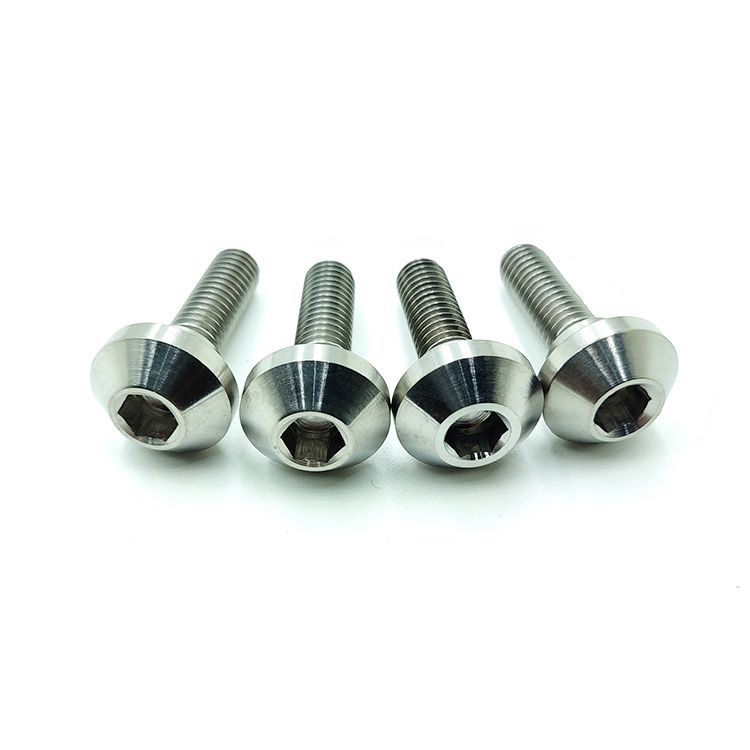
Operating across Japan’s largest container hub requires deck crane hardware, automated guided vehicles (AGVs), and marine monitoring buoys that survive continuous exposure to salty oceanic mist. Grade 2 and Grade 5 flange bolts eliminate regular repainting and replacement shutdowns, delivering a 30+ year lifespan in direct splash zones.
Daikoku Futo & High-Performance Automotive Tuning
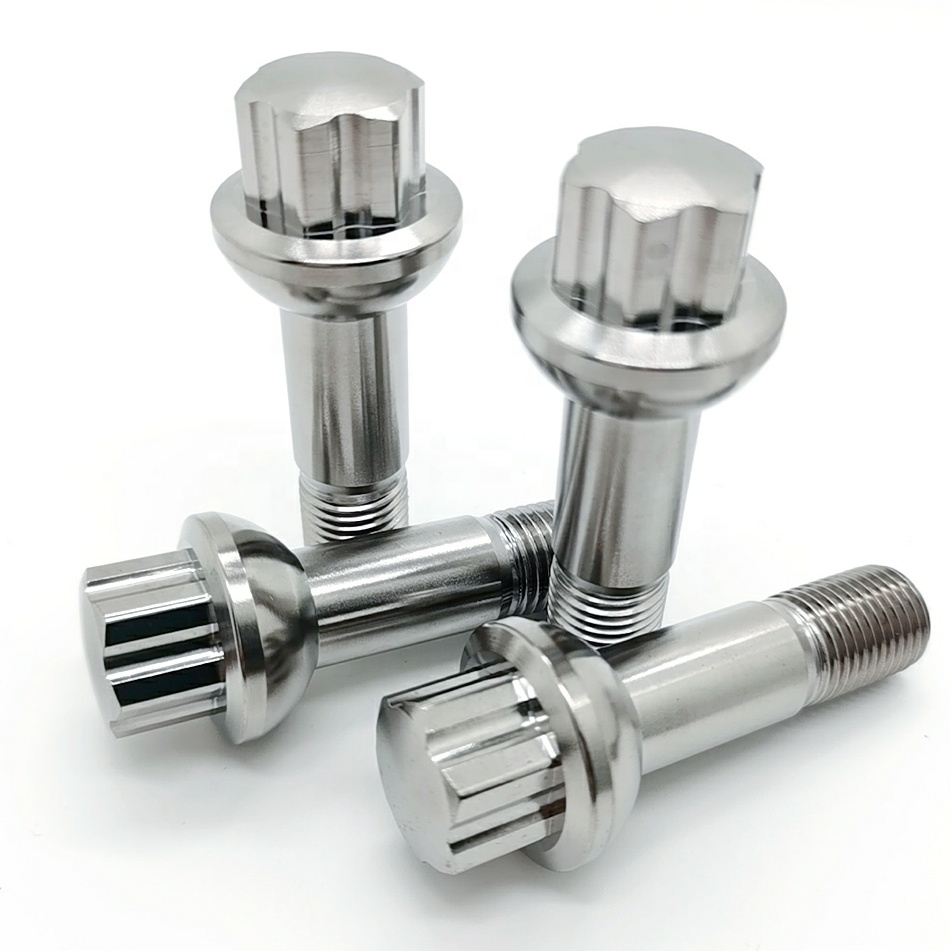
Kanagawa is renowned worldwide for its automotive culture centering around the Shuto Expressway and track facilities. Motorsport shops and tier-one chassis builders choose our Class 10.9-equivalent Grade 5 wheel lug bolts and rotor hardware to reduce unsprung rotational inertia, dramatically improving suspension response and cornering precision.
Minato Mirai R&D Robotics & Clean Tech
Advanced robotics developers and automated factory integrators in Yokohama require lightweight, non-magnetic fasteners for high-speed pick-and-place arms and medical-grade laboratory fixtures. Grade 5 titanium boasts a magnetic permeability of μr ≈ 1.00005, making it effectively transparent to delicate sensor fields.
Tokyo Bay Offshore Hydrogen & Cryogenic Fuel Systems
With the Port of Yokohama actively constructing carbon-neutral hydrogen import hubs, low-temperature fasteners are crucial. Grade 5 ELI (Grade 23) and Grade 2 maintain excellent ductility and impact toughness at cryogenic temperatures (−196°C), resisting the embrittlement that fractures martensitic steels.
Precision Motorcycle Racing Teams & Superbike Tuners
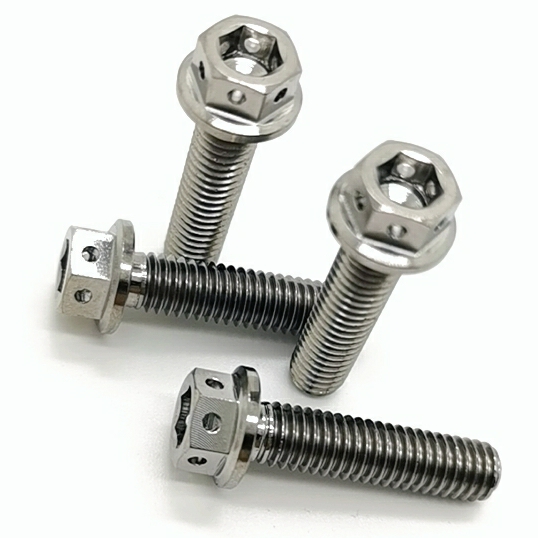
Local race workshops rely on our pre-drilled safety wire brake caliper bolts, sprocket nuts, and engine case dress-up screws. Withstanding extreme thermal cycles generated by multi-piston carbon-ceramic brakes, these fasteners will not soften, scale, or seize during endurance racing stints.
Custom OEM & Specialty Drone Airframes
Commercial delivery and maritime patrol drones engineered across Kanagawa rely on our micro-diameter titanium screws (M2 to M5). Every gram saved translates directly into extended battery runtime and payload margins, ensuring absolute fastener integrity across all flight conditions.
Emerging Procurement Trends Across the Yokohama Industrial Market
Procurement managers and lead design engineers across the greater Tokyo Bay region are adapting to key economic and structural shifts that influence standard hardware selection:
1. Aggressive EV Lightweighting Mandates
As major Japanese automobile manufacturers and Tier-1 parts suppliers accelerate development schedules for next-generation electric vehicles (EVs), the quest to offset heavy lithium and solid-state battery packs has intensified. Unsprung mass reduction has transitioned from race track paddocks to production vehicle architectures. Replacing steel wheel hub fasteners and suspension assembly links with Grade 5 titanium removes crucial rotating mass, directly improving regenerative braking efficiency and extending battery driving range.
2. Yokohama Green Harbor & Decarbonization Initiatives
The Yokohama City Port and Harbor Bureau has laid out clear goals to achieve zero net carbon emissions across terminal docks. This shift requires coastal electrification equipment, hydrogen fuel-cell transfer cranes, and automated electric tugboats. Standard plated hardware rapidly degrades under the severe marine conditions present at Tokyo Bay. Consequently, port infrastructure developers increasingly mandate full lifecycle costing (LCC) calculations. The initial investment in Grade 2 or Grade 5 titanium fasteners pays for itself within three to five years by eliminating rust-driven hardware replacement, equipment downtime, and maintenance labor costs.
3. Direct Factory Sourcing to Counteract Currency Fluctuations
Historical procurement workflows in Japan relied on multi-tiered commercial networks involving several intermediaries (shosha). However, sustained volatility in the Japanese Yen (JPY) and escalating raw metal prices have prompted purchasing officers to bypass domestic middlemen. By forging direct supply channels with verified source factories located in Baoji's Titanium Valley, Yokohama enterprises secure direct mill pricing, fully transparent 3.1 chemical test records, and rapid custom prototyping with lead times cut down to 7–10 days.
Engineering Advantages Rooted in Baoji's Titanium Valley
Since 2013, our production facility has combined metallurgical mastery with advanced multi-axis CNC machining centers to reliably deliver aerospace-grade fasteners worldwide.
Direct Raw Material Origin
Situated in China's Titanium Valley, our factory selects virgin titanium sponge and aerospace-grade ingots, ensuring full heat-lot chemical and physical traceability from furnace to crate.
ISO 9001 & CE Certified
Our operations follow ISO 9001 quality management standards and comply with European CE product quality requirements. Mill test certificates (EN 10204 Type 3.1) are furnished with every shipment.
100+ Precision Machine Units
We deploy high-speed 3-axis, 4-axis, and 5-axis CNC machining centers, sliding-head Swiss lathes, and cold thread rollers that reliably hold tolerances down to ±0.01 mm.
100% Optical Dimension Sorting
Critical automotive and aerospace orders undergo automated laser and optical sorting, checking thread pitch, head runout, and surface integrity to guarantee a 0 PPM defect rate.
Technical & Procurement FAQ for Japanese Engineers
Answers to common questions regarding metallurgical properties, compliance certifications, shipping timelines, and custom production for buyers across the Yokohama region.
Q How do your titanium bolts correspond to Japanese Industrial Standards (JIS)?
Our fasteners are manufactured to metric standards conforming directly to JIS B 1051 mechanical benchmarks. Grade 5 titanium corresponds closely to JIS Class 60 titanium alloy, matching or exceeding JIS 8.8 and 10.9 steel tensile levels while remaining fully compatible with standard metric taps (ISO 965 / JIS B 0209 6g thread fit).
Q Can you supply formal EN 10204 3.1 Material Test Reports (MTR)?
Yes. Every order is delivered with a complete EN 10204 Type 3.1 inspection certificate. This report itemizes the precise chemical composition (Ti, Al, V, Fe, C, N, H, O content) and mechanical properties (tensile strength, 0.2% proof stress, elongation percentage, and microstructural analysis) traceable to the raw material ingot.
Q What is the typical shipping lead time from Baoji to the Port of Yokohama?
Standard stocked items ship within 24 to 48 hours. For expedited air freight to Haneda (HND) or Narita (NRT), door-to-door transit time is typically 3 to 5 business days. Sea freight container shipments dispatching through Shanghai or Qingdao arrive at the Port of Yokohama within 5 to 7 days, providing dependable, near-shore inventory replenishment.
Q How does titanium perform when directly threaded into aluminum housings?
While titanium and aluminum develop natural oxide layers, coastal marine conditions can induce galvanic corrosion in direct contact areas. We recommend using hard-anodized coatings, micro-arc oxidation, or synthetic thread lubrication pastes containing PTFE to mitigate this risk. Additionally, dielectric PEEK washers or integrated flange heads help distribute clamping loads safely over softer casting alloys like ADC12.
Q What are the Minimum Order Quantities (MOQ) for custom CAD/drawing parts?
Standard catalogue fasteners maintain low trial thresholds starting at 20 to 50 pieces. For custom CNC machined components produced from 2D/3D CAD files (STEP, IGES, DWG), prototype batches typically start at 10 to 30 units, scaling smoothly into mass production runs of tens of thousands.
Q What surface treatment options do you provide for corrosion resistance and styling?
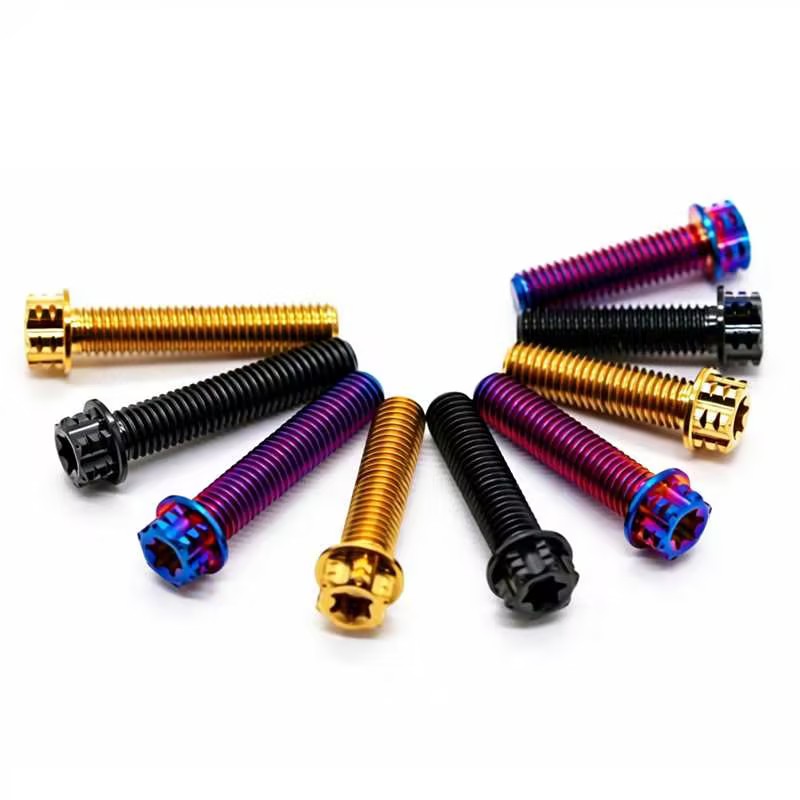
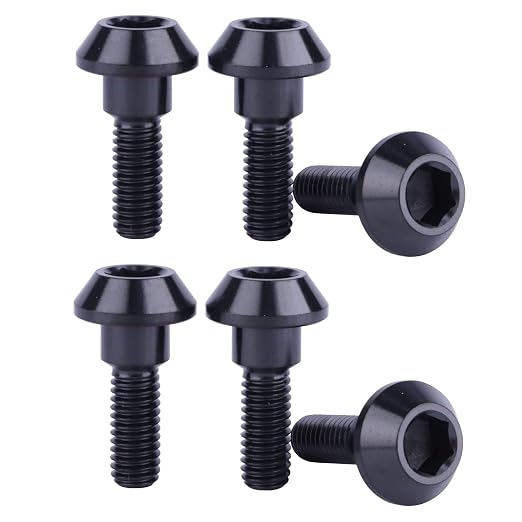
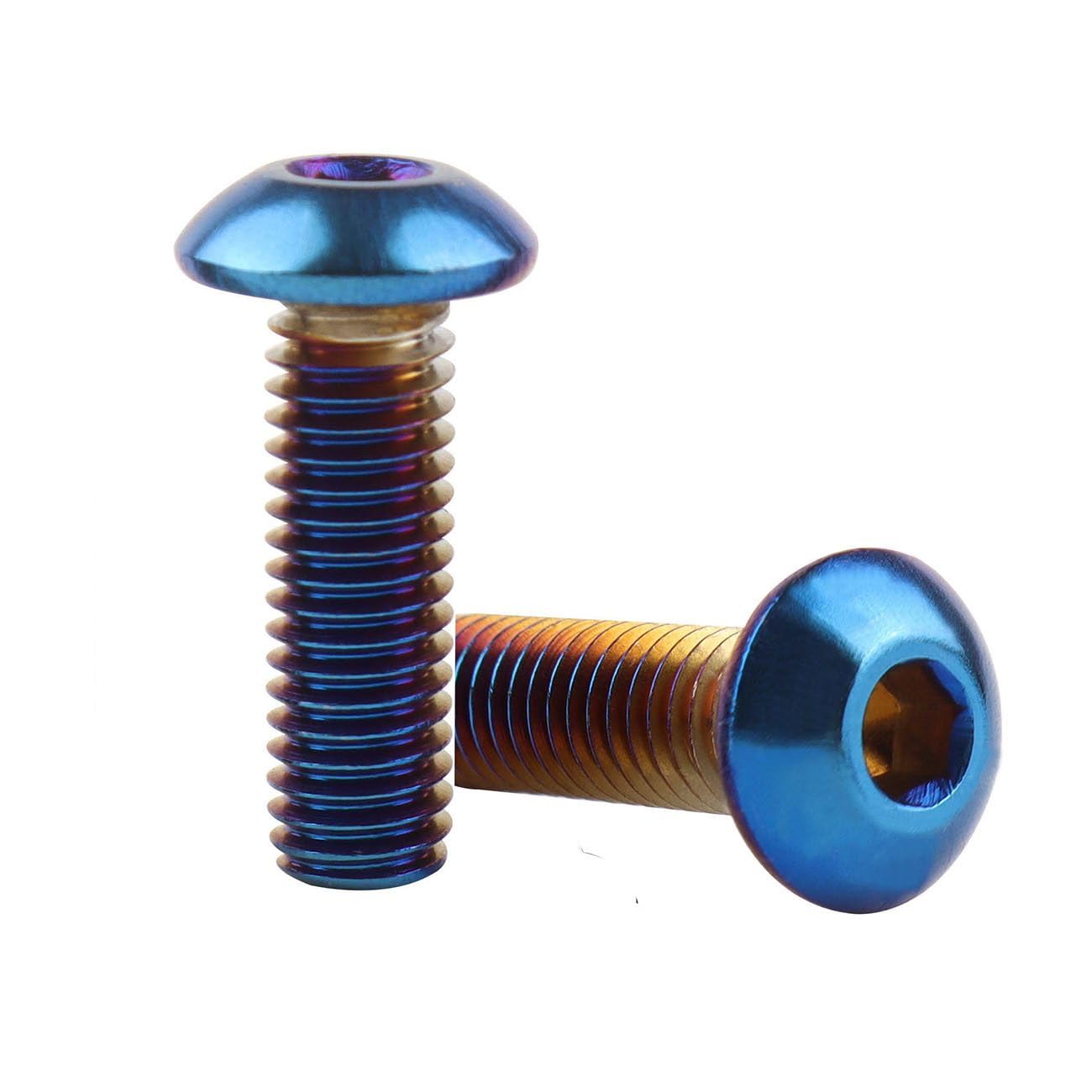
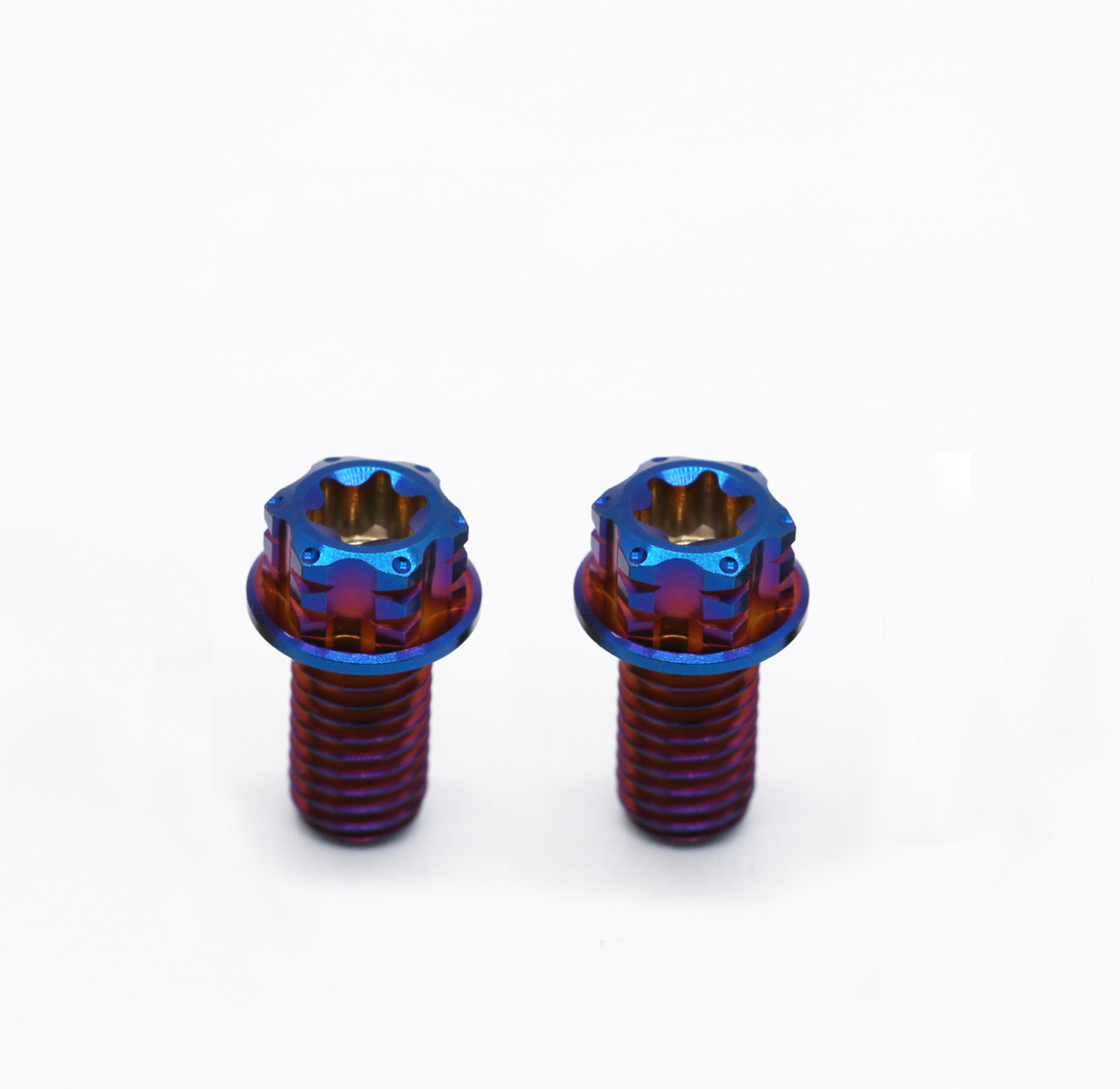
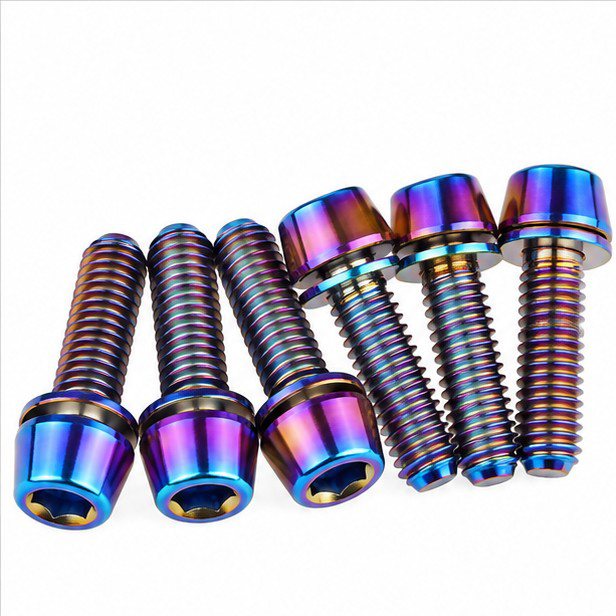
We supply a range of surface treatments including precision CNC plain machined, mechanical mirror polished, physical vapor deposition (PVD in gold, gloss black, and burnt blue), and electrolytic anodization (purple, green, blue, and rainbow spectrum). All anodized and PVD finishes maintain dimensional thread accuracy without compromising fit.
Connect with Our Engineering & Sourcing Team
Whether you need a custom-engineered bolt machined from technical prints or bulk supply of standard DIN/ISO/JIS titanium hardware, our engineering department provides manufacturing feedback and formal quotes within 24 hours.