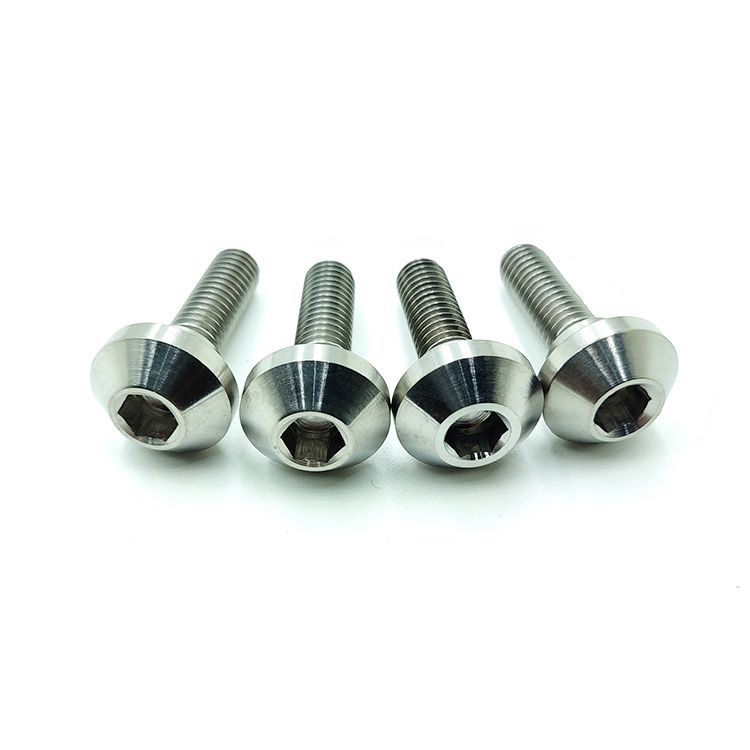
Precision Inventory Specification
Certified Titanium Cylindrical & Specialty Fastener Program
Precision-machined from ultrasonically inspected ASTM B348 raw stock. Designed for zero-failure cyclic fatigue, lightweight rigidity, and extreme galvanic longevity across industrial applications.
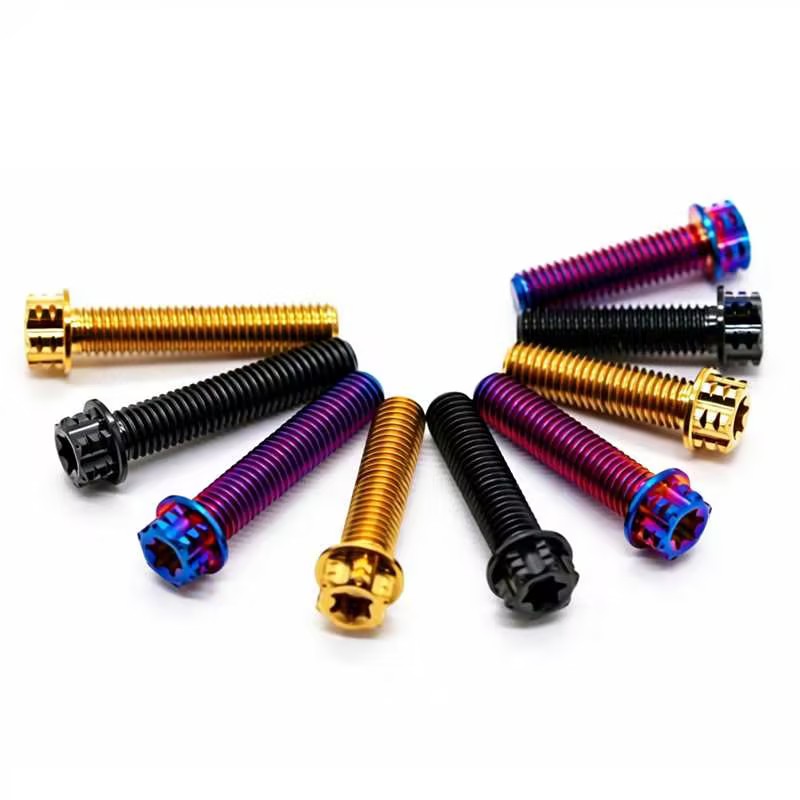
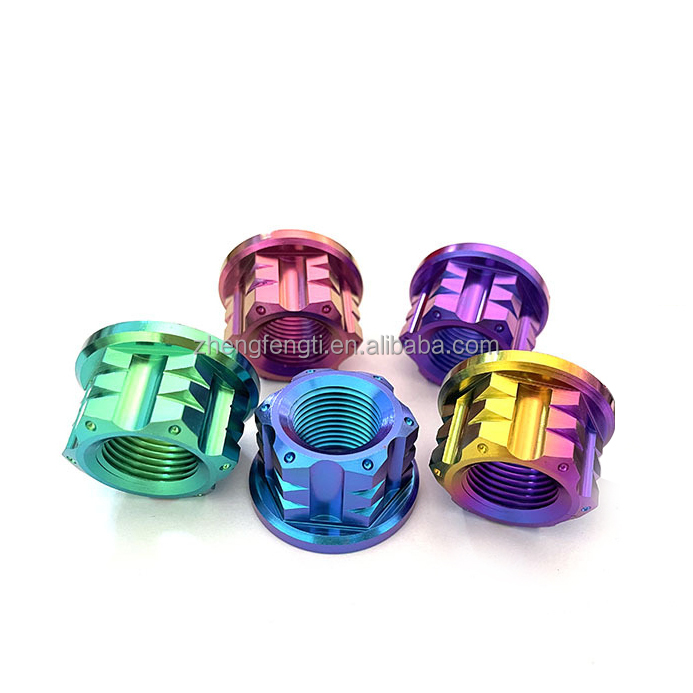
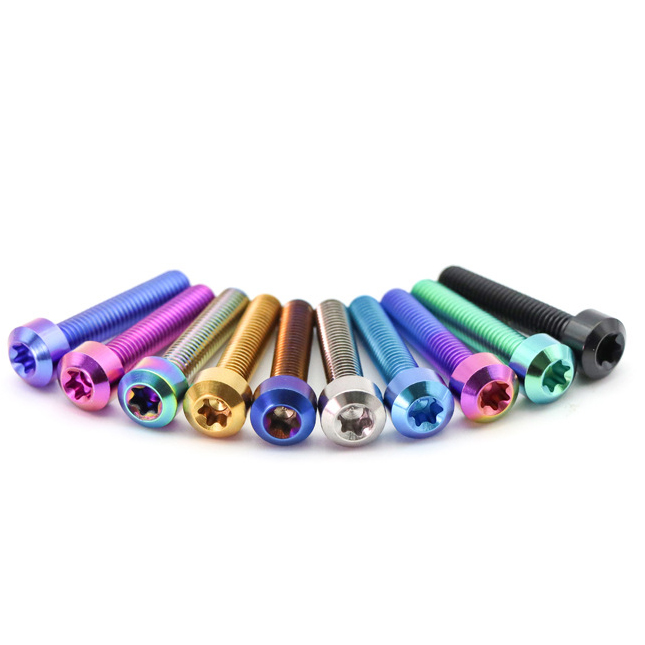
895+ MPa
Minimum Tensile Strength (Gr5)
4.43 g/cm³
Low Density (~44% Lighter than Steel)
EN 10204 3.1
Direct Heat Traceability & CE Documentation
DIN 912 / ISO 4762
Precision Rolled Threads Tolerance 6g/6H
Engineering Whitepaper: Titanium Cylindrical Head Fasteners in High-Stress Mechanical Assemblies
In modern industrial engineering, cylindrical head bolts—commonly classified under standard DIN 912, ISO 4762, or ASME B18.3—represent the quintessential choice for compact, counterbored mechanical assemblies that demand high clamping force within narrow dimensional tolerances. When manufactured from precision-alloyed Grade 5 Titanium (Ti-6Al-4V) or Grade 2 Commercially Pure (CP) Titanium, these cylindrical socket-head cap screws unlock mechanical advantages previously unattainable with conventional chromium-molybdenum or austenitic stainless steels.
For machine builders, roboticists, and high-performance equipment builders operating in Liberec and the broader North Bohemian industrial basin, structural mass reduction and dynamic inertial equilibrium have become pivotal engineering requirements. Titanium cylindrical head fasteners combine a high strength-to-weight ratio (specific strength) with exceptional corrosion resilience. Operating under severe cyclic fatigue conditions, Grade 5 titanium boasts an endurance limit vastly superior to equivalent aluminum fasteners and without the brittle hydrogen embrittlement risks that plague ultra-high-tensile steel fasteners (Class 10.9 and 12.9) in humid or mildly acidic industrial microclimates.
"Structural optimization is not merely about lightening components; it is about eliminating parasitic moving mass without introducing galvanic vulnerabilities or structural notch sensitivity. Certified Ti-6Al-4V cylindrical socket head bolts provide the ultimate metallurgical solution for dynamic load vectors."
Technical Metallurgical Profile: ASTM B348 Titanium Grade 5 vs. Alternative Engineering Alloys
Our titanium cylindrical head cap screws are CNC-turned and rolled strictly from certified Grade 5 titanium bars meeting ASTM B348, AMS 4928, and ISO 5832 standards. Cold-thread rolling after precision centerless grinding ensures continuous grain structure along the thread roots, significantly improving fatigue life compared to standard cut threads.
| Alloy & Property Parameter | Ti-6Al-4V (Grade 5 Titanium) | Grade 2 (Commercially Pure) | Structural Carbon Steel 8.8 | High-Tensile Steel 10.9 |
|---|---|---|---|---|
| Nominal Tensile Strength (Rm) | 895 – 1050 MPa | 345 – 510 MPa | 800 – 830 MPa | 1000 – 1040 MPa |
| Yield Strength (Rp 0.2) | 828 – 920 MPa | 275 – 410 MPa | 640 MPa | 900 – 940 MPa |
| Density (g/cm³) | 4.43 g/cm³ | 4.51 g/cm³ | 7.85 g/cm³ | 7.85 g/cm³ |
| Modulus of Elasticity (GPa) | 110 – 114 GPa | 105 GPa | 205 – 210 GPa | 210 GPa |
| Corrosion Resistance (Chloride & Moisture) | Immune (Passivated TiO₂ Layer) | Immune (Passivated TiO₂ Layer) | Poor (Requires Surface Sacrificial Zinc) | Subject to Pitting & Stress Cracking |
| Weight Reduction Benefit | ~43.6% Less vs. Steel | ~42.5% Less vs. Steel | Baseline Reference (0%) | Baseline Reference (0%) |
The lower modulus of elasticity exhibited by Ti-6Al-4V (~114 GPa versus ~210 GPa in steel) allows titanium cylindrical bolts to behave as natural spring elements in high-vibration applications. When preloaded accurately, they absorb cyclic impact vibrations and deflection energy better than rigid steel fasteners, preserving joint integrity and mitigating fastener back-off without inducing thread relaxation.
Localized Industrial Applications: Integrating Titanium Fasteners into Liberec's High-Tech Sectors
Liberec holds a venerable position in the manufacturing heritage of Central Europe. Transitioning from its historic roots as a textile capital into an advanced technological powerhouse specializing in mechatronics, automotive Tier-1 assembly, nanotechnologies, precision tooling, and automated glassmaking machinery, the region demands fastening systems that meet rigorous mechanical and thermal standards.
Automotive Mechatronics & Tooling Jigs
The Liberec Region accommodates leading Tier-1 suppliers specializing in chassis systems, drive belts, and sensor assemblies. Cylindrical socket head titanium bolts (M5 to M12) serve as critical components in dynamic robotic arm end-effectors, test rigs, and lightweight powertrain modules where lowering rotational inertia directly enhances motor responsiveness and saves actuator cycle times.
Nanotechnology & Cleanroom Equipment
Anchored by the Technical University of Liberec (TUL) and local high-tech spinning technology enterprises, the production of synthetic polymeric nanofibers requires machinery immune to corrosion and free of micro-particulate shedding. Passivated Grade 2 and Grade 5 titanium cylindrical bolts operate inside corrosive polymer solvent environments without flaking, chrome degradation, or chemical oxidation.
Glass Tooling & High-Temperature Moulds
Crystal and technical glass processing facilities surrounding Crystal Valley frequently encounter elevated thermal cycling and moisture vapor. Titanium maintains mechanical stability and predictable thermal expansion coefficients (8.6 × 10⁻⁶/K) up to 400°C, ensuring that mould locking bolts and cylindrical fixture clamps do not seize, warp, or crack under repetitive operational shifts.
Emerging Procurement Trends Across the Liberec & Bohemian Mechanical Market
As the European manufacturing sector adjusts to updated eco-design directives, European Green Deal circularity mandates, and heightened energy efficiency metrics, procurement requirements across Liberec, Jablonec nad Nisou, and Turnov are undergoing notable transformations:
1. Strict CE Marking and EN 10204 3.1 Certification Traceability: Industrial customers in the Czech Republic can no longer accept non-traceable fasteners. Compliance with EU Construction Products Regulation (CPR), Machinery Directive 2006/42/EC, and Pressure Equipment Directive (PED) requires verifiable material test reports verifying chemical ingot breakdown, yield strengths, and ultrasonic non-destructive testing (NDT).
2. Rapid Prototyping and Near-Net Lean Inventory: Bohemian industrial design hubs are cutting back on high-inventory warehouse models. Designers want suppliers capable of delivering both off-the-shelf DIN 912 standard inventory and precision small-batch bespoke fasteners within rapid dispatch windows to maintain uninterrupted production schedules.
3. Conversion from Carbon Plated Steels to Uncoated Titanium: With strict REACH regulation restrictions targeting galvanic plating processes such as hexavalent chromium (Cr6+) passivations and cadmium baths, machine engineers are turning to naturally self-passivating Grade 5 titanium as a compliant, permanent anti-corrosive solution.
Engineering Protocol: Assembly, Preload & Galling Prevention for Titanium Cylindrical Bolts
While titanium fasteners outperform steel in strength-to-weight and anti-corrosive performance, their tribological behavior differs. Titanium possesses a very thin native oxide film that can rupture under extreme dry friction, leading to cold welding or thread galling. Technical compliance in Liberec assembly facilities requires adhering to the following installation best practices:
Lubrication: Never assemble Grade 5 titanium cylindrical head bolts dry into blind tapping holes. Always apply an approved titanium anti-seize paste—preferably nickel-based, moly-disulfide (MoS₂), or PTFE anti-friction coatings. For cleanroom conditions or chemical environments where grease cannot be used, dry-film lubricant or Physical Vapor Deposition (PVD) titanium carbo-nitride finishes are strongly advised.
Torque Calculation Calibration: Due to differences in the coefficient of friction and a reduced modulus of elasticity, titanium bolts must be tightened with a calibrated torque wrench to approximately 75% to 85% of standard steel 8.8 torque tables unless specific lubrication factors (K-factors) are supplied by the engineering team.
Why Liberec Industrial Buyers Partner with Yevzo Titanium Metal Co., Ltd.
Established in 2013 in the Baoji High-Tech Development Zone—internationally recognized as "China’s Titanium Valley"—Yevzo Titanium Metal Co., Ltd. brings over a decade of specialized metallurgical and precision machining expertise straight to Bohemian engineering operations:
Raw Material Purity & Traceability
Direct sourcing from certified tier-1 titanium sponge mills guarantees full heat-number traceability. Every shipment delivered to Liberec is accompanied by comprehensive EN 10204 3.1 mill test certificates, detailing both chemical ingot analysis and tensile test results.
Advanced CNC Turning & Thread Rolling
Equipped with more than 100 high-precision CNC turning centers, automatic Swiss lathes, and dedicated hydraulic thread-rolling lines. We achieve standard 6g thread tolerances, concentric head clearances, and flawless hex socket broaching across all DIN 912 geometries.
Frictionless European Logistics (DDP / DAP)
We provide full-service export processing into the Czech Republic, including DDP (Delivered Duty Paid), DAP, and air freight express (DHL/FedEx/TNT). Customs clearance, CE compliance paperwork, and import duty handling are fully coordinated for seamless delivery.
Direct Clarification
Frequently Asked Questions by Industrial Purchasers in Liberec
Key metallurgical, procedural, and compliance considerations addressed directly by our fastener engineering group.
Q1: How do CE certification requirements apply to titanium cylindrical bolts shipped to the Czech Republic?
For load-bearing assemblies covered by the European Machinery Directive or Construction Products Regulation, our titanium cylindrical bolts provide documented CE conformity supported by EN 10204 3.1 inspection certificates. This documentation provides full heat-lot verification, chemical composition breakdowns, and verified mechanical tensile metrics.
Q2: Can your Grade 5 titanium cylindrical socket head screws directly replace Class 10.9 steel bolts?
Grade 5 titanium (Ti-6Al-4V) yields an ultimate tensile strength between 895 and 1050 MPa, placing its load-bearing capacity directly on par with Class 10.9 steel fasteners (1000 MPa) while saving roughly 44% in mass. Because titanium has a lower shear modulus, joint designs must be reviewed by project engineers when dealing with severe pure-shear forces.
Q3: How do you prevent galvanic corrosion when mating titanium cylindrical bolts with 6061-T6 or 7075 aluminum plates?
In wet or conductive saline conditions, pairing bare titanium with aluminum creates a slight galvanic potential. To eliminate electrochemical reactions, we supply specialized anodized barrier treatments, non-conductive ceramic coatings, or recommend pairing with high-grade isolation washers (such as PTFE, PEEK, or passivated titanium washers).
Q4: What is the standard manufacturing lead time and minimum order quantity (MOQ) for Liberec machine shops?
Standard DIN 912 titanium socket head bolts in stock sizes (M3 to M16) maintain low MOQs starting at 20 to 50 pieces, with immediate dispatch within 48 hours. Bespoke components, non-standard metric pitches, or custom drawing designs require an initial run of 100 to 200 units, backed by a production cycle of approximately 12 to 18 business days.
Q5: What surface finish options are available for aerospace and industrial robotic use?
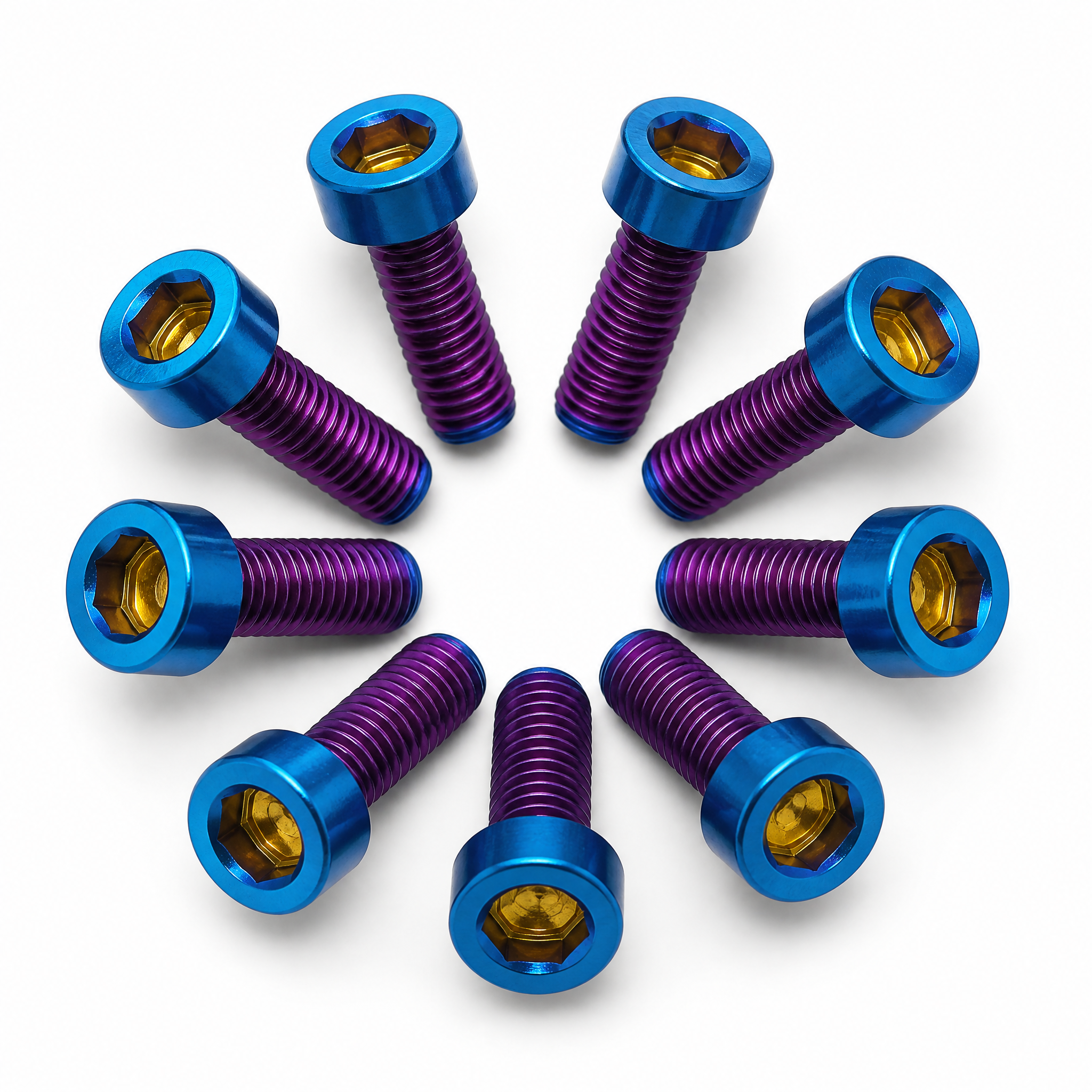
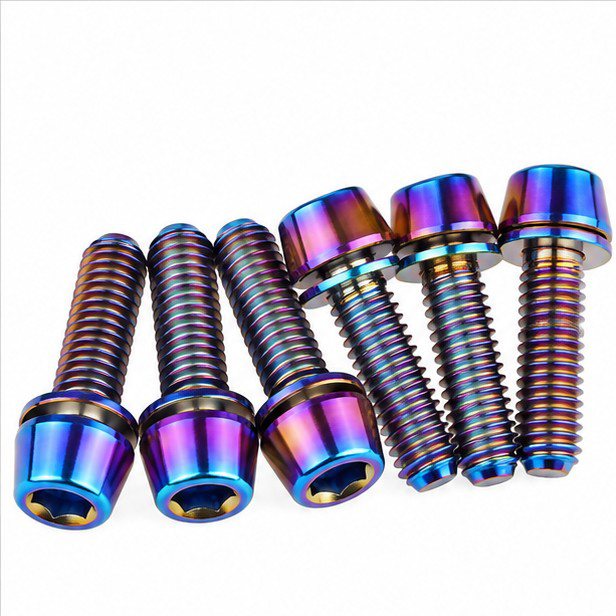
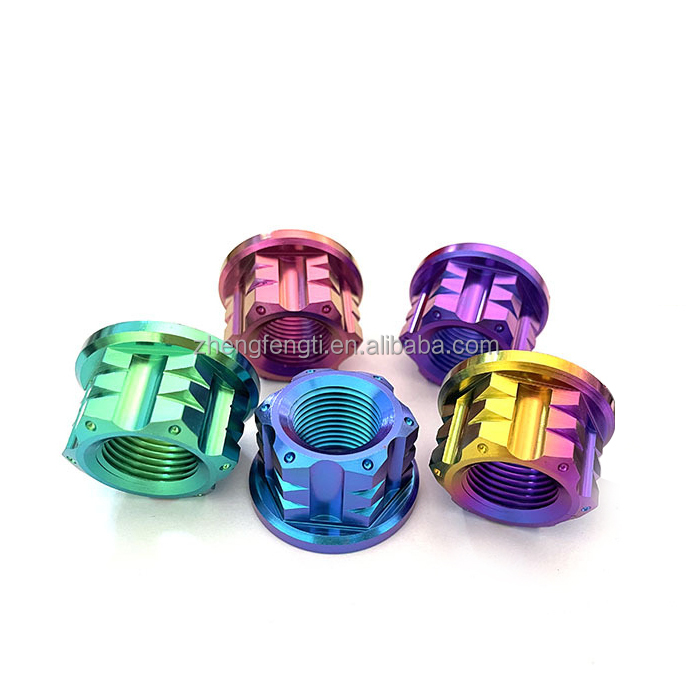
We supply natural CNC-turned finishes, precision vibratory polishing, micro-sandblasted matte surfaces, and electrolytic color anodizing (including gold, purple, cobalt blue, and thermal burnt hues). For sliding-contact machinery, physical vapor deposition (PVD) DLC or black carbo-nitride finishes are also available to increase surface hardness.
Q6: Which incoterms and settlement options are supported for Czech registered companies?
We routinely conduct trade under DDP (Delivered Duty Paid to Liberec facility), DAP, CIF Prague Airport, or FOB. Commercial transactions can be settled via international SWIFT T/T, Letters of Credit (L/C), PayPal, or corporate escrow in EUR, USD, or CZK equivalent currencies.
Plan Your Next Mechanical Build with Certified Titanium Fasteners
Submit your 2D/3D CAD drawings (STEP, DWG, PDF) or standard DIN 912 fastener requirements. Our technical sales engineers will review your bill of materials and provide an actionable, itemized proposal within one business day.