High-Performance Titanium Brake & Structural Hardware
Engineered to meet DIN, ISO, and CE machinery compliance parameters. Built specifically to mitigate unsprung rotating weight, resolve fatigue stress, and eliminate electrochemical degradation in alpine motor racing and commercial automotive platforms.
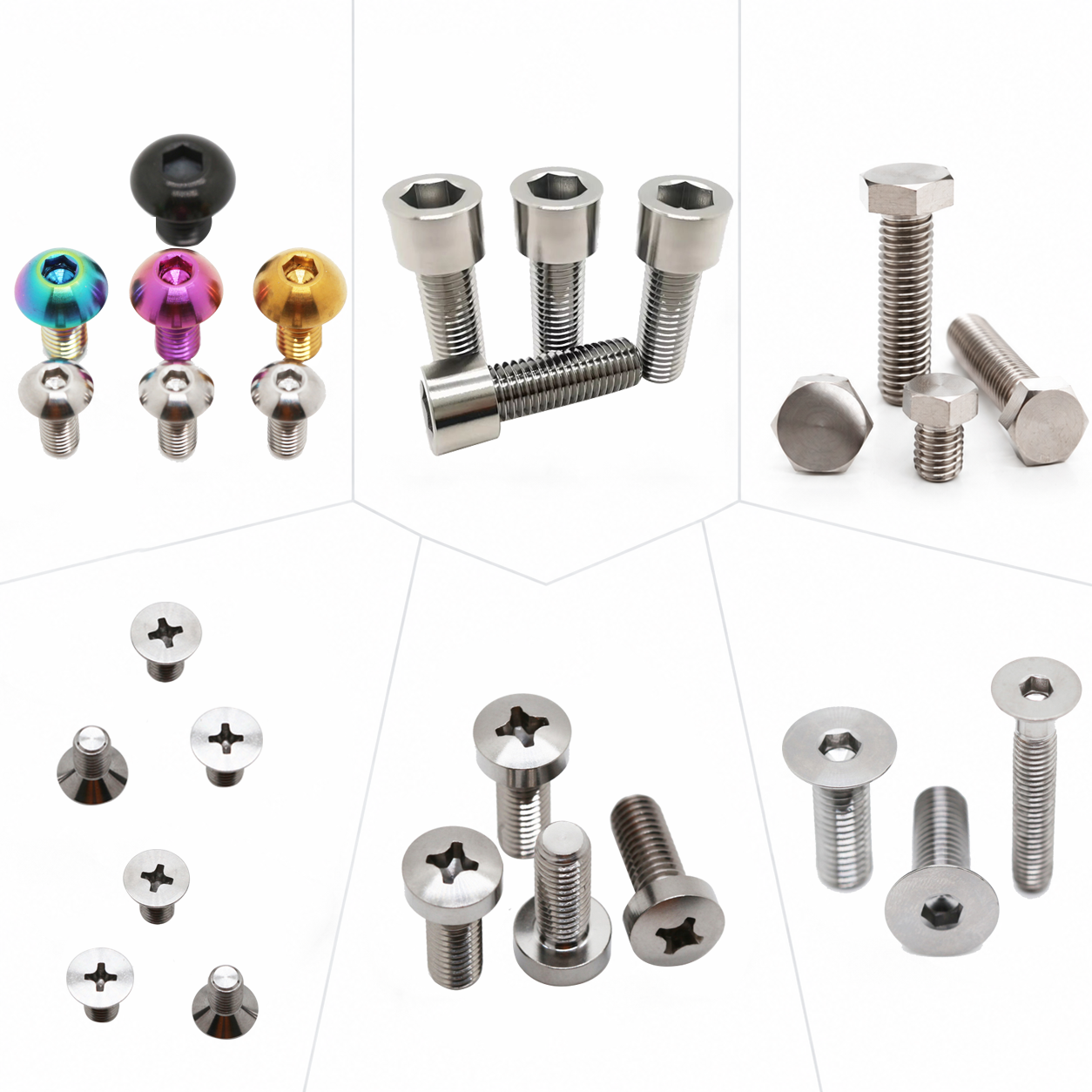
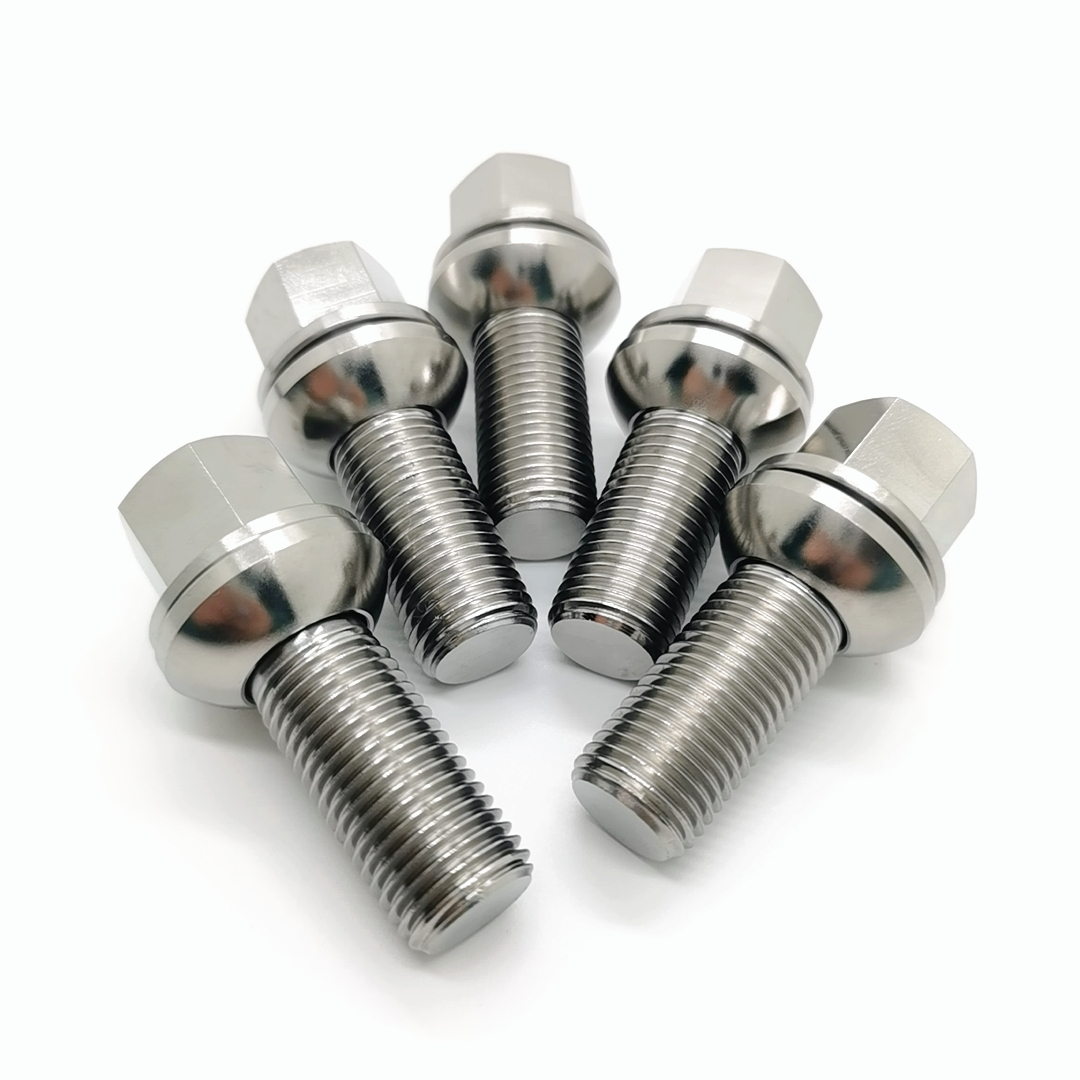
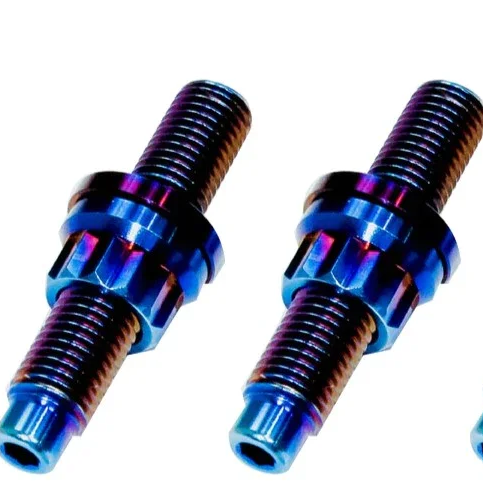
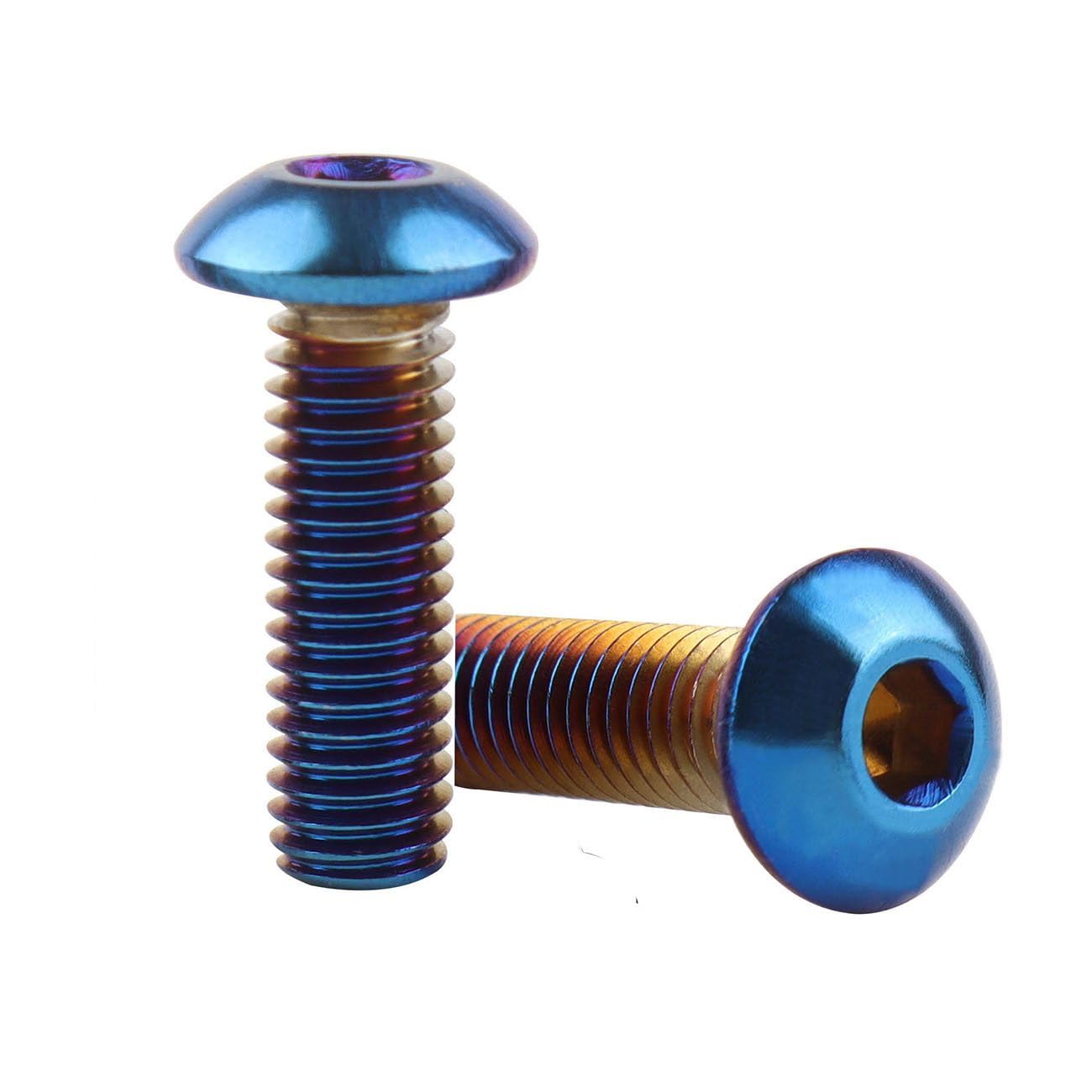
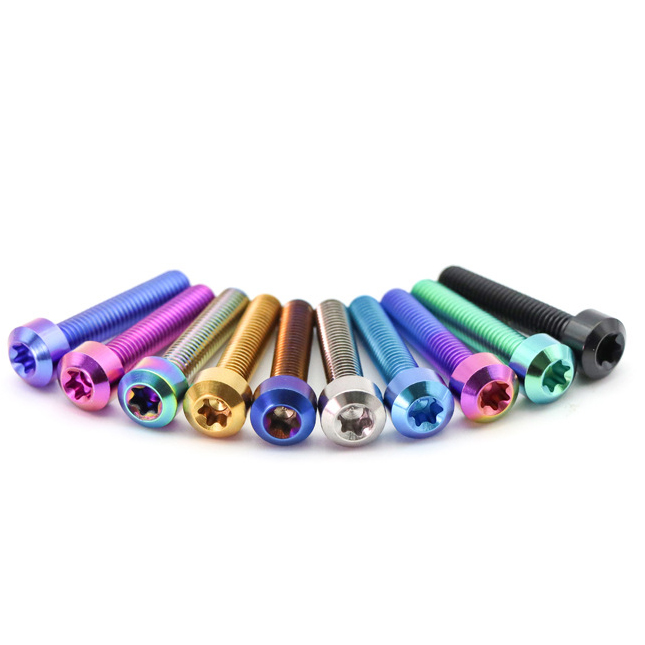
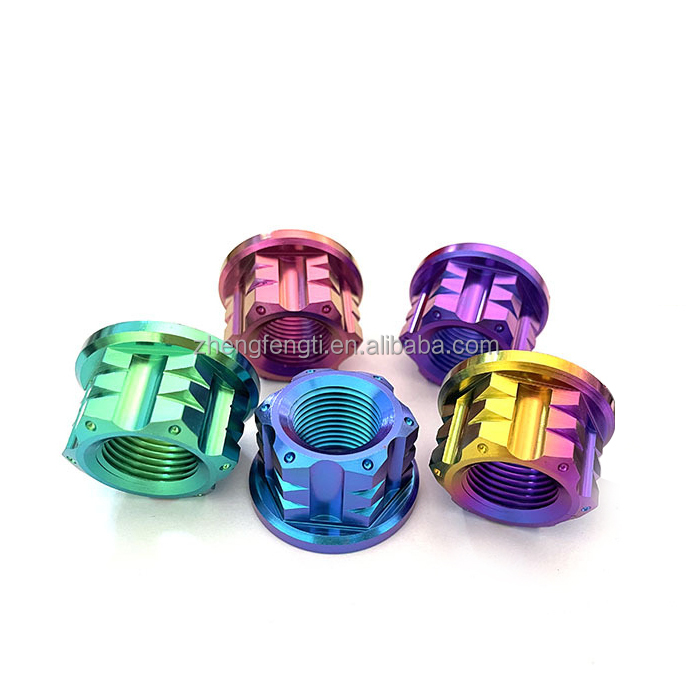
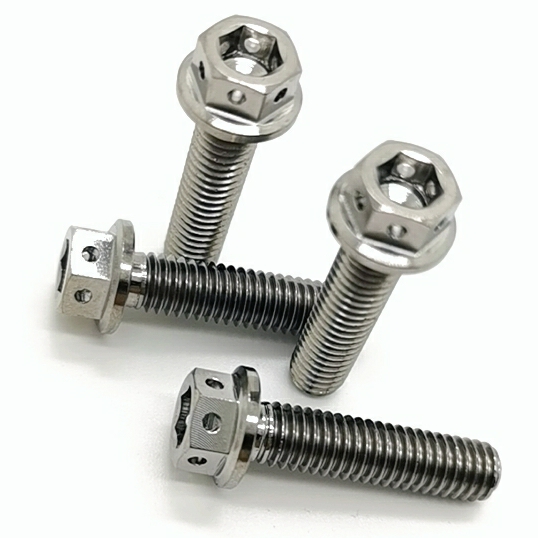
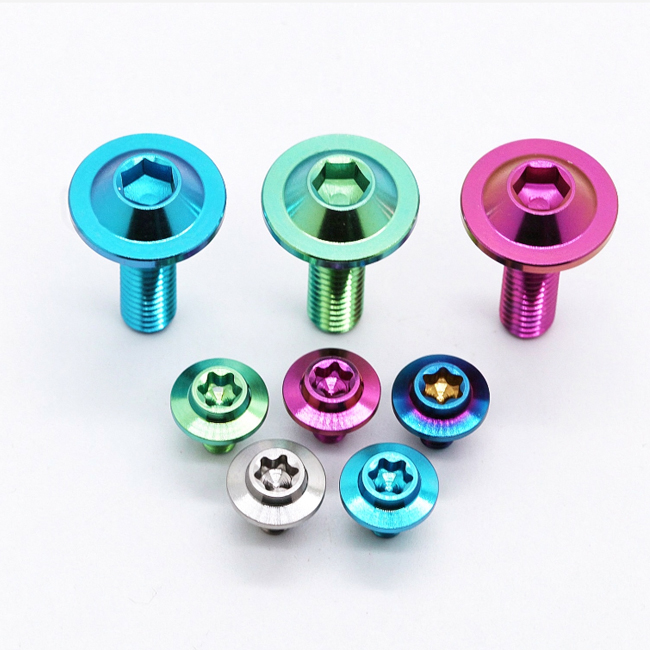
Salzburg Alpine Operating Profile: Brake Hardware Stress Engineering
Braking systems operating within the Federal State of Salzburg face extreme environmental stresses rarely found in standard regional transport cycles. From high-speed decelerations at Salzburgring to continuous steep descents over the Großglockner High Alpine Road, disc brake assemblies undergo radical thermal surges. Repeated disc-to-pad friction routinely elevates rotor and caliper body temperatures beyond 650°C, transferring severe conductive heat loads directly across the caliper mount bolts, rotor drive pins, and banjo hardware.
Under such high operating temperatures, traditional steel fasteners (even graded Class 8.8 or 10.9) exhibit thermal expansion mismatches against cast or forged aluminum calipers. This variance compromises critical clamp load retention, risking clamping relaxation or catastrophic thread galling. Concurrently, winter highway maintenance across the Salzburg, Pinzgau, and Pongau districts deploys aggressive de-icing chemicals—predominantly concentrated calcium chloride (CaCl₂) and magnesium chloride (MgCl₂) brines. These chemicals penetrate untreated threads, accelerating galvanic corrosion between carbon steel and light-metal knuckles, resulting in localized crevice pitting, seized hardware, and hydrogen-induced stress corrosion cracking (SCC).
Yevzo Titanium’s CE-certified Ti-6Al-4V Grade 5 brake fasteners solve both challenges simultaneously. Combining an ultimate tensile strength exceeding 895 MPa with a low density of 4.43 g/cm³, our fasteners match the structural load-bearing reliability of Grade 8.8 steel while delivering a 43%–45% mass reduction in unsprung rotating assemblies. In addition, titanium’s rapid formation of an adherent, passive titanium dioxide (TiO₂) oxide layer provides complete immunity to chloride-laden road brine, eliminating freeze-up and seizing over years of severe Alpine winter duty.
| Mechanical / Chemical Parameter | Yevzo Gr5 (Ti-6Al-4V) Brake Bolts | Standard Steel (ISO 898-1 Class 8.8) | Stainless Steel (A2-70 / 304) | Engineering Benefit for Salzburg Fleets |
|---|---|---|---|---|
| Tensile Strength (Rm) | 895 – 1050 MPa | 800 – 830 MPa | 700 MPa | Maintains clamping pre-load under high hydraulic line pressure. |
| Yield Strength (Rp 0.2) | 828 MPa | 640 MPa | 450 MPa | Zero plastic elongation during continuous downhill braking. |
| Density (ρ) | 4.43 g/cm³ | 7.85 g/cm³ | 7.90 g/cm³ | 44% unsprung mass reduction; improved suspension response. |
| Thermal Expansion (α) | 8.6 × 10⁻⁶ / K | 11.7 × 10⁻⁶ / K | 16.0 × 10⁻⁶ / K | Thermally stable pairing with aluminum caliper mounting brackets. |
| Resistance to Deicing Brine (CaCl₂) | Total Immunity (Passive TiO₂) | Vulnerable (Galvanic Pitting / Rust) | Susceptible to Crevice Corrosion | Zero seized caliper pins or fractured threads during winter road service. |
| Thread Fabrication Method | CNC Precision Cold-Rolled Threads | Cold-Formed or Cut | Machined / Rolled | Continuous grain flow provides 35% higher dynamic shear fatigue life. |
For tier-1 suppliers, automotive tuning studios, and downhill mountain bike builders in the Salzburg region, mechanical reliability is directly tied to the European Union’s CE conformity and technical safety directives. Our manufacturing workflows are fully calibrated to conform with DIN 912 (socket heads), DIN 6921 (flanged hex), DIN 7991 (countersunk), and custom precision OEM prints with tolerances held strictly within ±0.01 mm.
State-of-the-Art Titanium Manufacturing Architecture
Rooted in China's Titanium Valley (Baoji), our facility houses comprehensive metallurgical verification, CNC multiaxis turning, and strict surface enhancement lines to ensure certified export execution.
Baoji Ingot Sourcing
Direct integration with premium sponge titanium smelting ensures strict chemical stoichiometry according to ASTM B348 and ASTM F136 medical/aerospace parameters.
Cold Thread Rolling
Unlike machined threads that shear grain lines, our CNC cold-rolling process densifies thread root structures, drastically increasing fatigue limits under repeated thermal loads.
CE & EN 10204 3.1 Trace
Every shipment bound for Austria is accompanied by full 3.1 chemical inspection certificates, ultrasonic defect test results, and dimensional verification sheets.
Salzburg DDP Logistics
Streamlined European air and rail freight routes enable direct door-to-door (DDP) clearance to Austrian warehouses, managing all EU import documentation and customs formalities.
Localized Application Scenarios Across the Salzburg Region
The commercial deployment of lightweight titanium brake bolts across Salzburg spans high-performance motorsports, municipal transport upgrades, and extreme sports manufacturing:
1. Motorsport & Track Engineering
Race teams testing at Salzburgring leverage Ti-6Al-4V rotor-to-hat bobbin bolts and radial caliper mount bolts to shave rotational unsprung weight, sharpen steering precision, and mitigate brake fade during high-G threshold braking.
2. Alpine E-Bikes & DH Mountain Bikes
Salzburg's Leogang and Saalbach downhill bike parks subject hydraulic disc brakes (M5/M6 rotor bolts and caliper adapters) to intense vibration and moisture. Our Grade 5 Torx fasteners provide zero shear deflection and total corrosion resistance.
3. Alpine Commercial & Electric Fleets
Municipal vans, emergency AWD response units, and electric transport fleets navigating high-altitude mountain gradients benefit from titanium brake hub and caliper bolts that resist chemical salt embrittlement, eliminating seized hardware during servicing.
Emerging Fastener Procurement Trends in the Austrian Automotive Sector
Austrian vehicle component engineering is shifting rapidly in response to electric mobility (EV) mandates and sustainability initiatives:
- EV Weight Optimization: Heavy lithium battery packs demand aggressive weight reduction across chassis systems. Titanium wheel fasteners and brake bolts provide essential unsprung mass savings without sacrificing safety margins.
- Lifecycle Cost Reduction: Commercial fleet operators in Salzburg are moving away from plated carbon steel fasteners, which require periodic acid bathing or anti-rust replacements, toward titanium fasteners that last the entire lifespan of the vehicle.
- Stricter Environmental Compliance: European REACH regulations are steadily restricting heavy-metal anti-corrosion plating chemistries (such as cadmium, nickel, and hexavalent chromium coatings). Naturally corrosion-resistant Grade 5 titanium offers an environmentally compliant alternative.
Salzburg Buyer & Engineering FAQ
Critical metallurgical, regulatory, and logistics questions answered by our chief technical team.