Motorsport
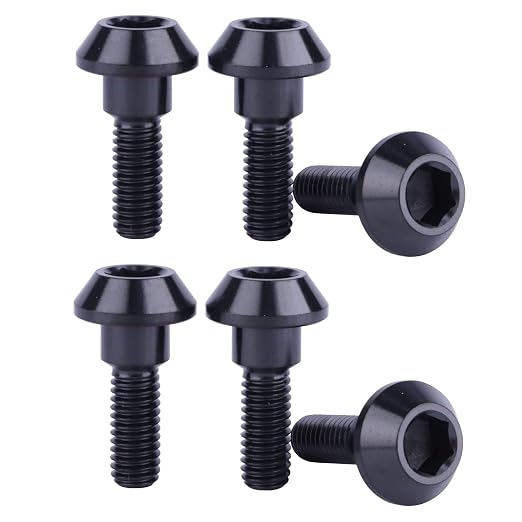
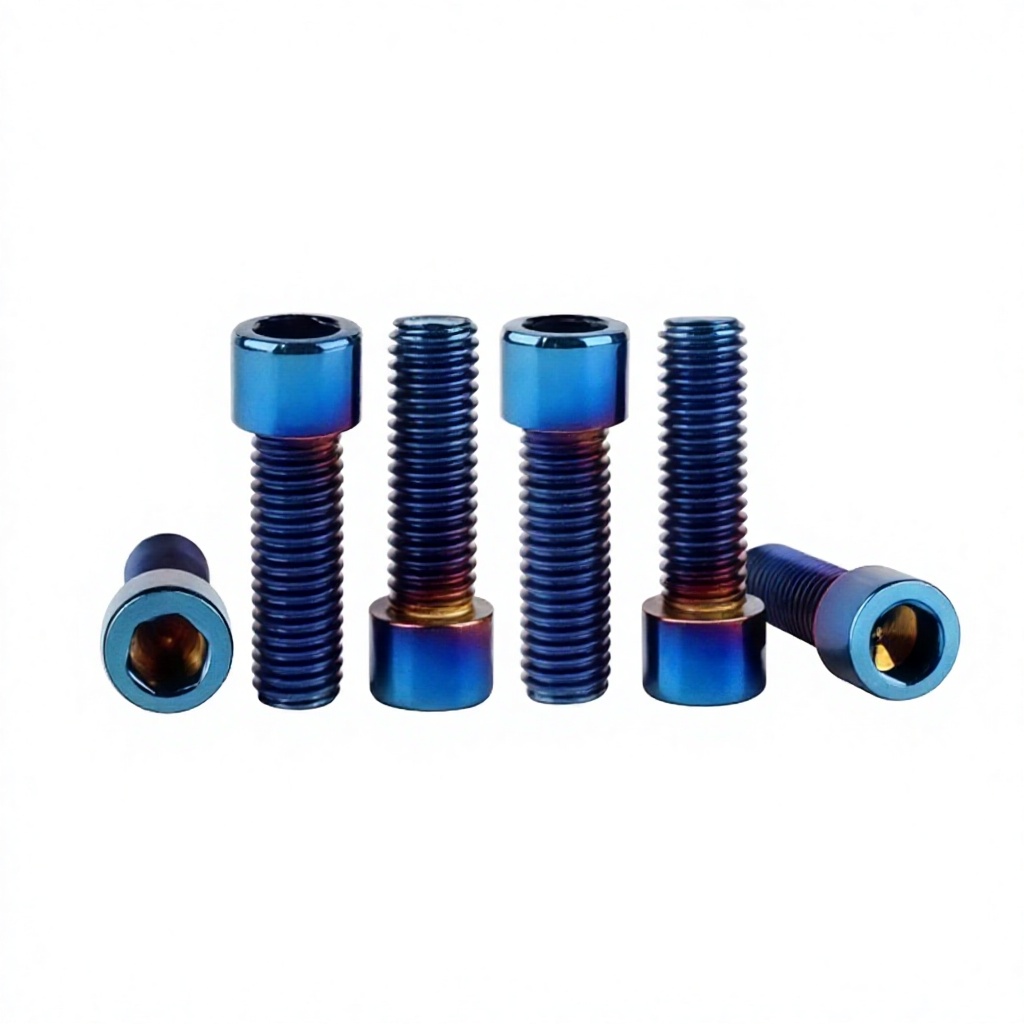
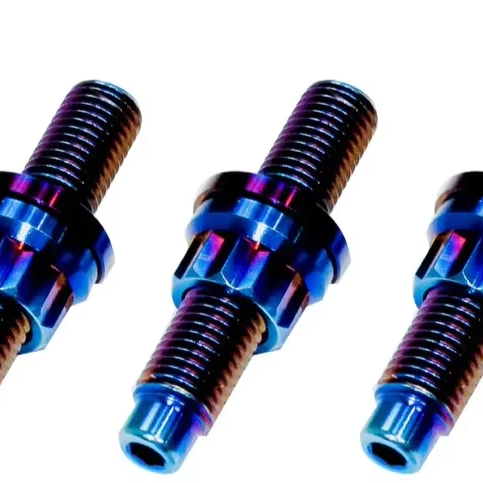
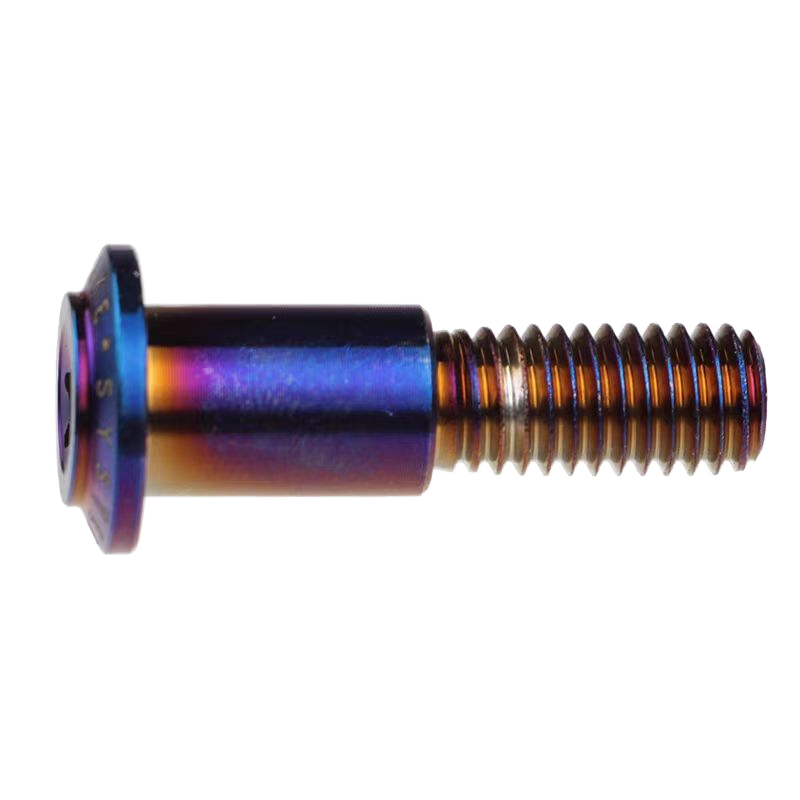
Titanium Motorcycle Brake Disc Bolt M6 X 20mm
- Material: Gr5 Ti-6Al-4V
- Yield Strength: 828 MPa Min.
- Finish: Electropolished
ISO 9001 & AS9100 Precision CNC Turning · Grade 5 (Ti-6Al-4V) & Grade 2 Commercially Pure Fasteners Direct from Baoji Titanium Valley
Direct factory engineering from Baoji Yevzo Titanium Metal Co., Ltd. Ultra-tight metric thread pitching, extreme strength-to-weight ratio, and custom surface anodization.
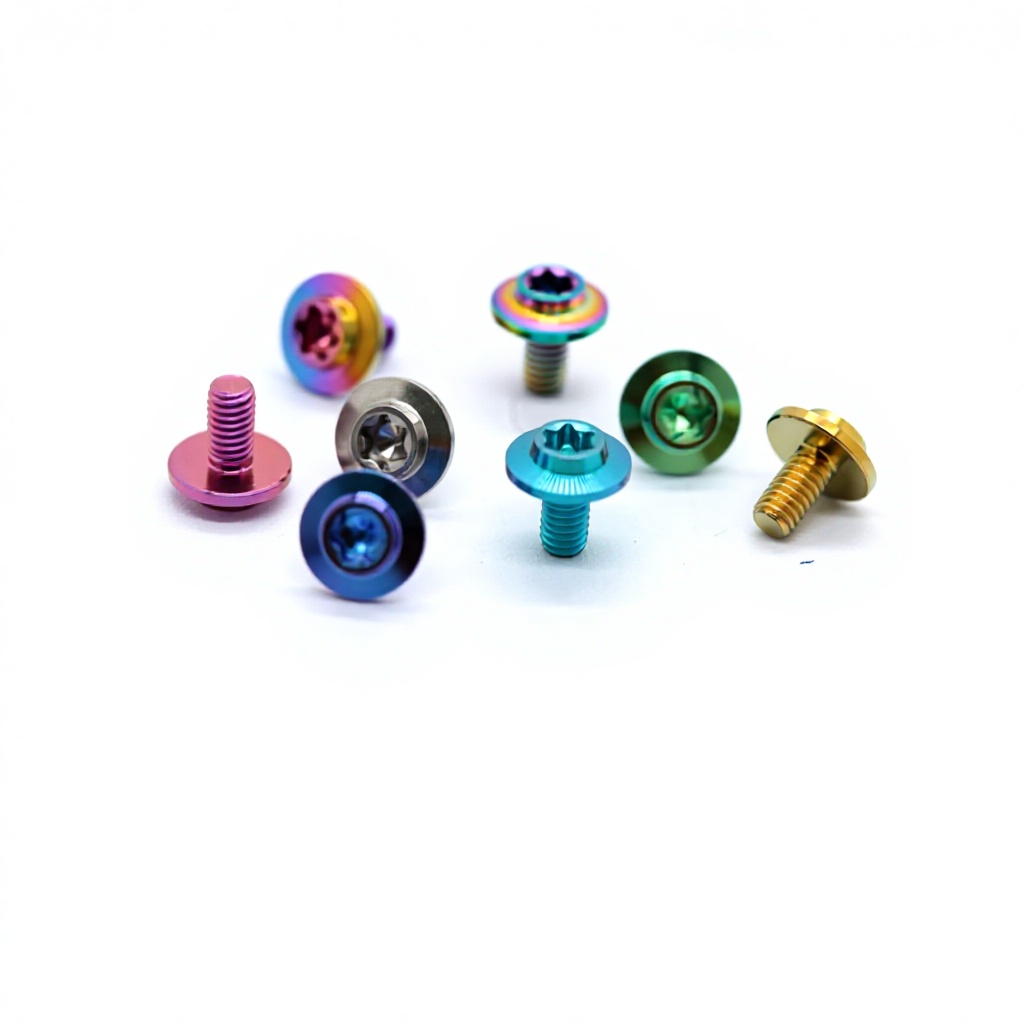
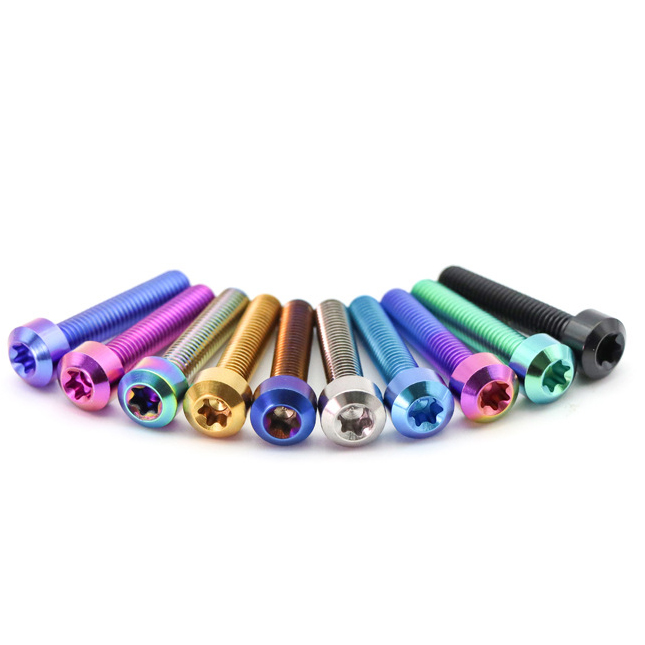
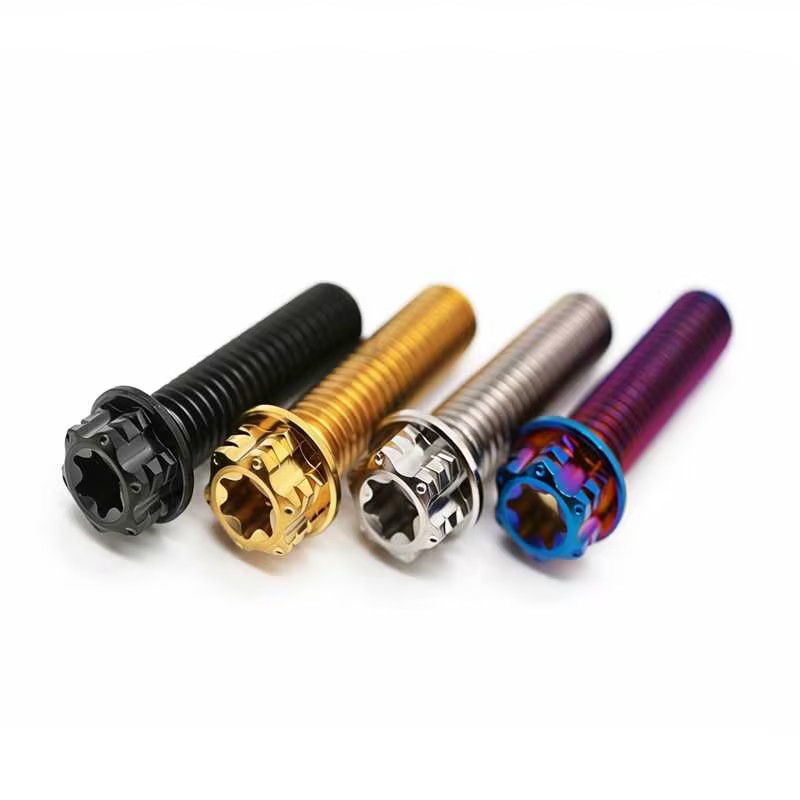
A comprehensive examination of shear performance, galvanic compatibility, and thread-locking torque physics in mission-critical industrial assemblies.
In heavy industrial, subsea offshore, motorsport, and aerospace engineering, joint integrity represents the dividing line between seamless operation and catastrophic mechanical failure. As a leading manufacturer of critical hardware, Yevzo Titanium Metal Co., Ltd. produces titanium nuts, flange lock nuts, wheel hub nuts, and bespoke structural hardware engineered to outlast and outperform traditional alloy steel and stainless grades. While commercially pure Grade 2 (UNS R50400) provides exceptional resilience against highly oxidizing acid and chloride environments, Grade 5 (Ti-6Al-4V, UNS R56400) remains the bedrock of structural fastening, delivering a specific strength (strength-to-density ratio) unmatched by any non-exotic production metal.
| Mechanical / Physical Property | Grade 5 Titanium (Ti-6Al-4V) | Grade 2 (CP Titanium) | AISI 316 Stainless Steel | Alloy Steel (Class 10.9) |
|---|---|---|---|---|
| Ultimate Tensile Strength (Rm) | 895 – 1000 MPa | 345 – 450 MPa | 500 – 700 MPa | 1000 – 1040 MPa |
| Yield Strength (Rp 0.2) | 828 MPa Min. | 275 MPa Min. | 220 MPa Min. | 900 – 940 MPa |
| Density (g/cm³) | 4.43 g/cm³ | 4.51 g/cm³ | 8.00 g/cm³ | 7.85 g/cm³ |
| Modulus of Elasticity (GPa) | 110 – 114 GPa | 105 GPa | 193 GPa | 210 GPa |
| Weight Reduction vs. Steel | ~ 43.6% Lighter | ~ 42.5% Lighter | Baseline (0%) | Baseline (0%) |
| Pitting Resistance Equiv. (PREN) | Immune in ambient sea water | Immune (Chloride stable) | ~ 23 - 25 (Pitting risk) | Poor (Requires plating) |
Due to the exceptionally stable, auto-regenerating titanium dioxide (TiO₂) passivation layer, bare titanium threads sliding against each other under high friction and preload conditions can undergo micro-welding—a phenomenon known as thread galling. At the Yevzo Titanium factory, our precision manufacturing mitigates this risk by executing ultra-smooth CNC thread milling with Ra < 0.4µm, offering proprietary Physical Vapor Deposition (PVD) titanium nitride or carbonitriding surfaces, and advising clients to pair Grade 5 titanium bolts with dry-film lubricants or molybdenum disulfide anti-seize paste during installation.
Furthermore, the elasticity modulus of Grade 5 titanium (approximately half that of high-tensile steel) delivers unique dynamic load dampening. In high-vibration applications—such as racing suspension linkages, motorcycle brake rotor carriers, and aerospace bracketry—a titanium nut maintains clamping tension under cyclic flexure significantly better than rigid steel fasteners, dissipating resonant shockwaves and preventing premature loosening without excessive pre-load demands.
How the shift toward electrification, subsea renewable structures, and digital material passports is altering global fastener supply dynamics.
With electric platforms wrestling with battery pack weight penalties, automotive engineers are systematically transitioning chassis, hub, and motor-mount hardware to titanium. Replacing 20 lug nuts and hub studs with Gr5 equivalents cuts rotating unsprung mass by nearly 1.2 kg per wheel corner, directly boosting regenerative braking efficiency and battery range.
Procurement directors are shifting from massive warehouse stockpiles of generic hardware to precision on-demand manufacturing. With Yevzo's flexible 20-to-100 piece minimum batch capability, OEMs can order application-tailored flange dimensions, integrated safety-wire holes, and specific pitch profiles without absorbing massive inventory depreciation.
In light of counterfeit material incidents in global aerospace supply chains, future B2B procurement mandates strict spectral and mechanical test reports (EN 10204 3.1 certification). Buyers are terminating brokers in favor of source-located factories like Yevzo in Baoji, where melting ingots to rolled ASTM B348 stock can be traced without gaps.
The manufacturing paradigm is moving past subtractive lathe-cutting of threads. Cutting threads disrupts the continuous grain flow of the titanium alloy, diminishing fatigue life. Modern high-reliability nut production combines hot/warm heading with secondary CNC finishing to guarantee that the metal grain flows continuously across internal thread roots.
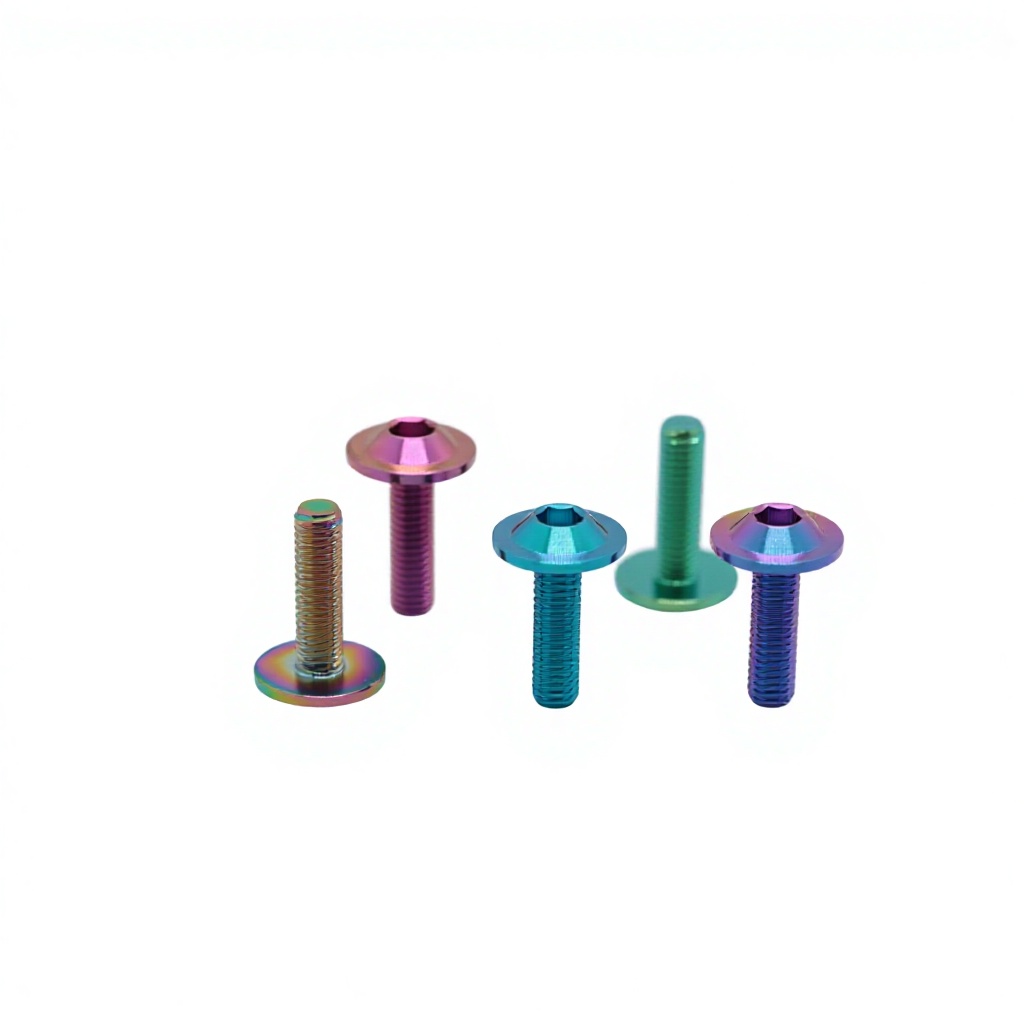
Traditional hazardous electroplating is rapidly falling out of favor under REACH and RoHS environmental standards. Titanium offers clean, chemical-free anodic oxidation (adjusting light refraction via micro-oxide thickness) and vacuum-arc PVD deposition to yield brilliant, scratch-resistant colors without heavy-metal wastewater liabilities.
Procurement teams increasingly eliminate mismatched fastener suppliers. Sourcing a Gr5 bolt from Vendor A and an uncertified Grade 2 nut from Vendor B leads to stripped threads under torque. End-to-end engineered pairing from a single source ensures unified galvanic potentials, compatible thread flank engagement, and uniform load delivery across mating faces.
Operating since 2013 in the epicenter of China’s non-ferrous metal trade, Yevzo combines source-foundry economics with rigorous export compliance.
Located in the Honeycomb Industrial Park, Fenghuang 3rd Road, High-Tech Development Zone of Baoji, we are embedded directly within the world's dense titanium production cluster. This direct geographic proximity guarantees unhindered access to top-tier sponge titanium, certified vacuum arc remelted (VAR) ingots, and ASTM B348 stock, slashing raw material transit delays and supply bottlenecks.
Our expansive machine shop houses high-speed Swiss-type lathes, multi-spindle automatic turning centers, and 3-to-5 axis machining cells. We routinely maintain geometric thread concentricity, pitch tolerances of Class 6H/4H, and fine micro-inch surface finishes. Every nut profile, from DIN 6923 serrated flange nuts to intricate castle nuts, is monitored via automated tool-wear compensation systems.
Every single production batch is verified before shipment. We provide full EN 10204 3.1 chemical inspection sheets covering Ti, Al, V, Fe, C, N, and interstitial gas elements (O, H). Dimensional integrity is verified using optical video measuring machines (VMM), digital optical comparators, and thread plug gauges calibrated against traceable metrological standards.
Our dedicated R&D team reviews your technical drawings (PDF, DWG, STEP) to assess draft angles, stress concentrations, and thread relief grooves. Whether you require customized lightweight scalloped flange nuts, reverse-thread racing nuts, or captive-washer assemblies, our application engineers provide manufacturability feedback (DFM) within 24 hours.
Serving long-term industrial partners across North America, Northern Europe, East Asia, and Australasia, Yevzo offers end-to-end commercial agility. We execute shipments under FOB, CIF, EXW, FCA, CPT, and door-to-door DDP arrangements. We accept multi-currency settlement (USD, EUR, GBP, JPY, AUD) via T/T, L/C, PayPal, and trade assurance escrows with rapid export customs clearance.
Operating as an onsite-checked supplier with hundreds of verified trade audits, Yevzo maintains an unblemished 5.0 buyer rating. We eliminate the middlemen markups typically added by regional exporters, providing transparent factory-gate pricing and dedicated account managers for seamless reordering cycles.
Detailed engineering and supply-chain answers compiled by Yevzo's metallurgy and global sales divisions.
Send us your technical drawings, thread specifications, or target part numbers. Our engineering team in Baoji provides complete quotation packages, material mill test certifications, and DFM reviews within 24 hours.