Precision Titanium Screws, Lug Bolts & Specialized Hardware
Manufactured under stringent process quality controls in Baoji, China. Featuring rolled threads, CNC chamfered countersunk seats, and custom surface passivation for motorsport, marine, and aerospace assemblies.
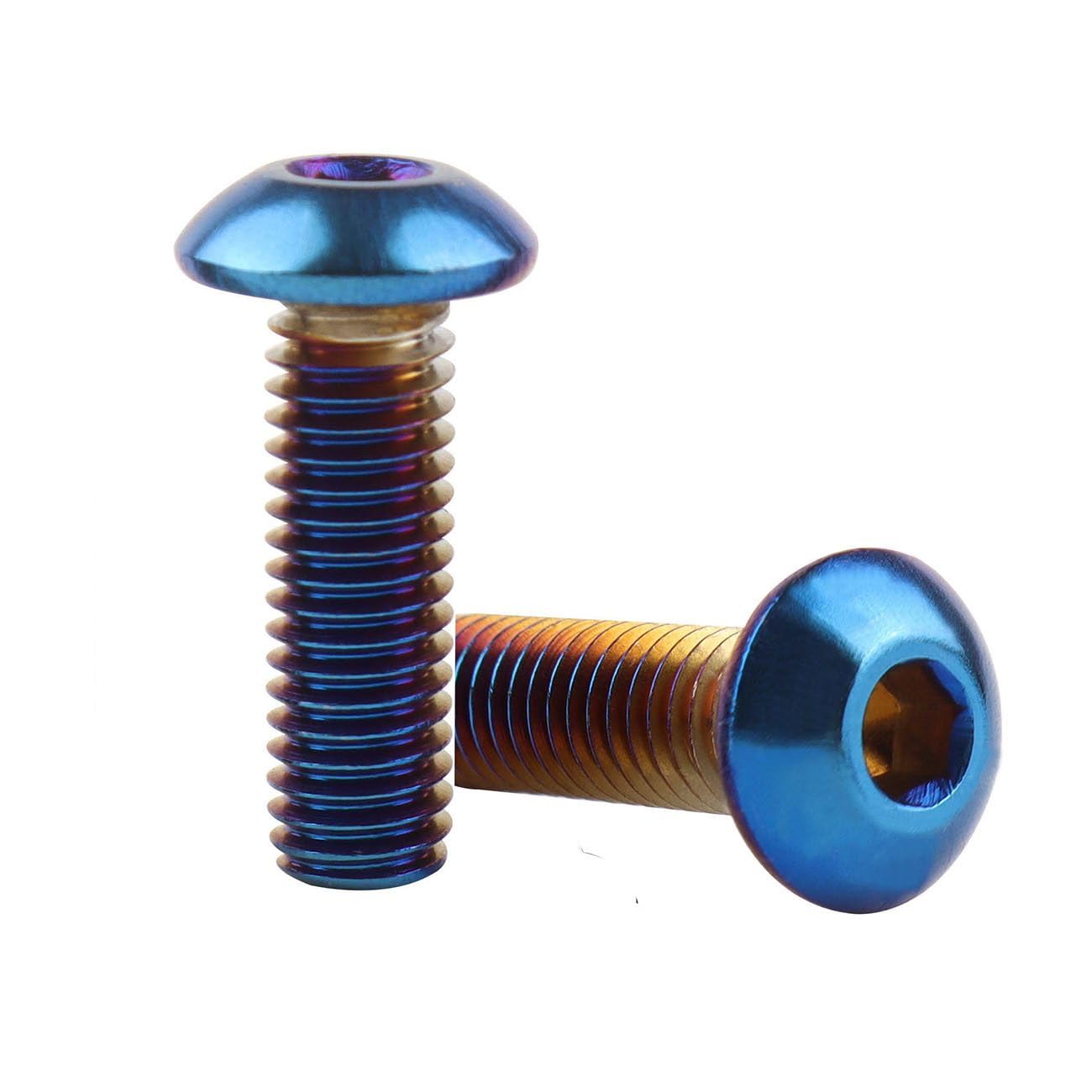
Titanium Finish Bolt M6x12 16 20 25 30 35mm Titanium Screw for Bicycle Motorcycle Car Modifications Burnt Blue
- Thread StandardISO Metric M6
- Alloy GradeGr5 Ti-6Al-4V
- Drive StyleHex / Socket
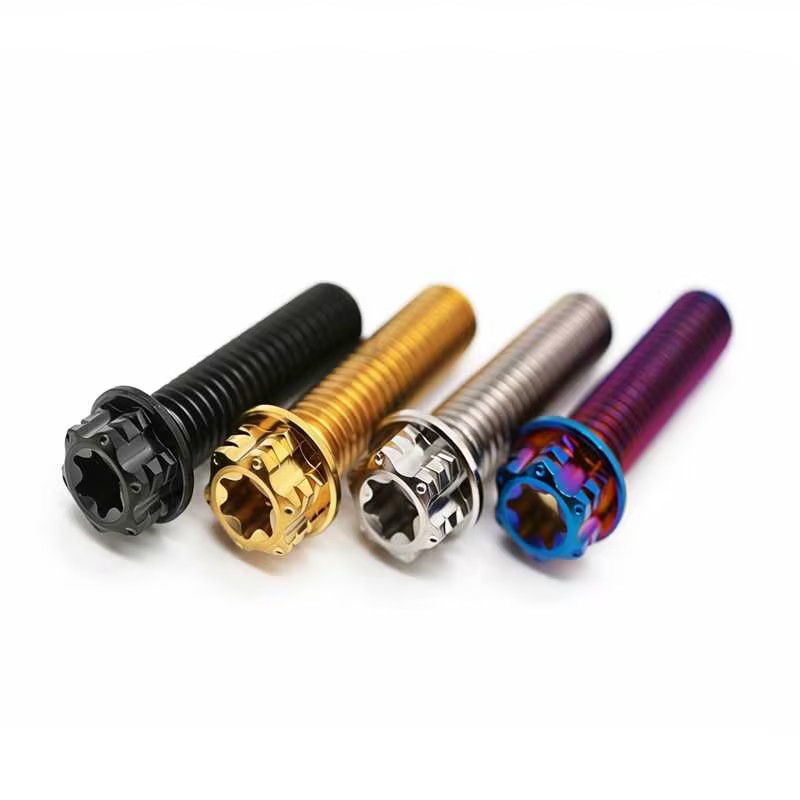
M8 Titanium Torx Head Motorcycle Bolt Gr5 CNC Anodized PVD Star Screw for Bike Modification OEM Manufacturer
- StandardDIN 34805 / Torx
- Tensile Strength950–1050 MPa
- SurfacePVD / Anodized
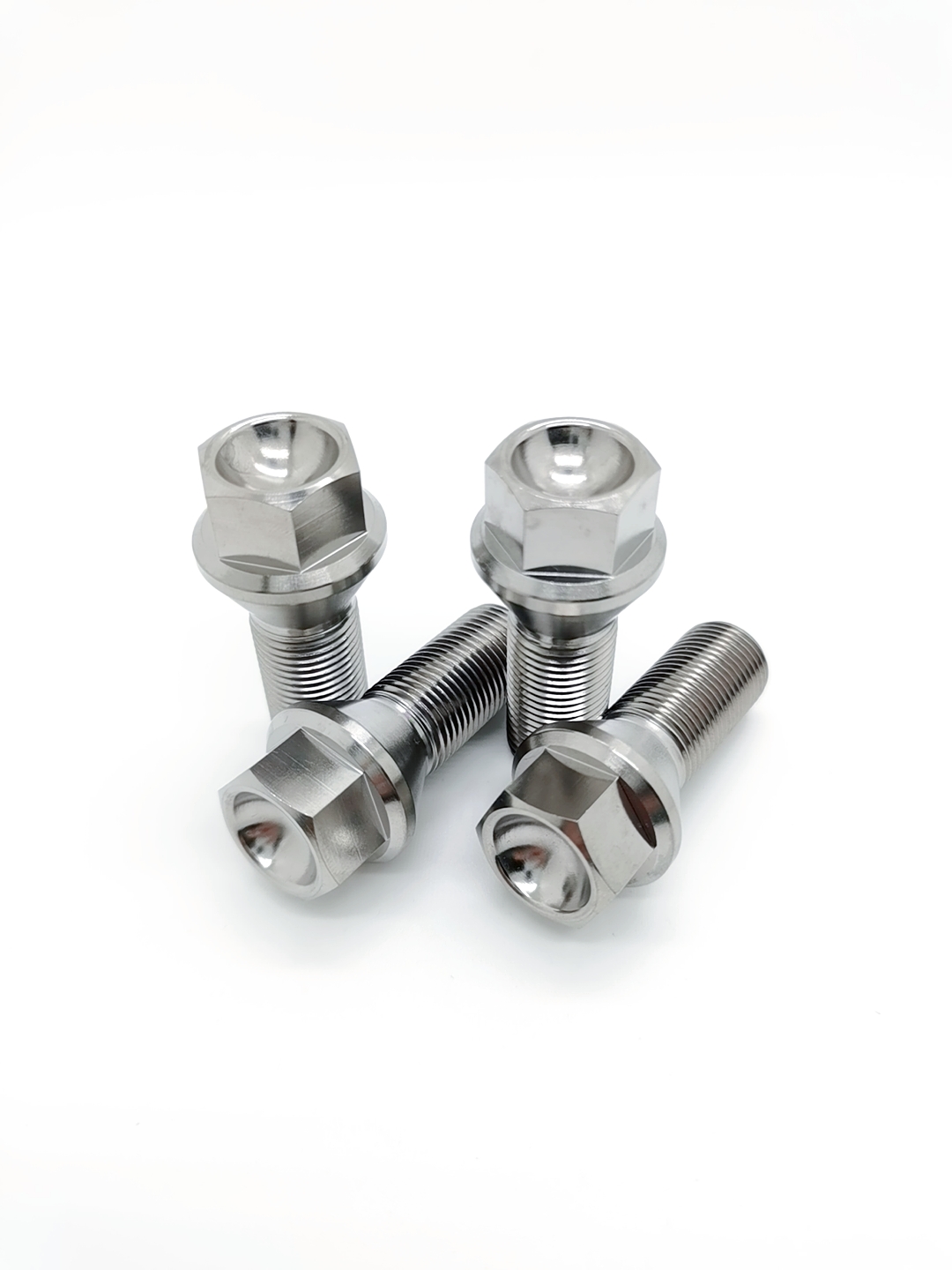
GR5 Titanium Wheel Lug Bolts Lightweight High Strength Flat Head UNC for Custom Wheels
- ProfileFlat Head Countersunk
- Thread PitchMetric / UNC Thread
- ApplicationRacing / Wheel Hubs
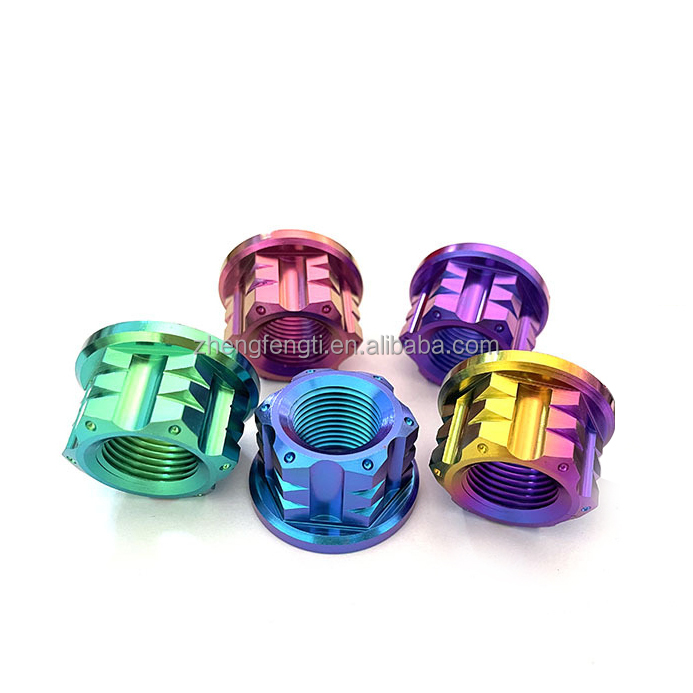
OEM All Sizes M3-M20 Titanium Hex Nut Plain Finish Standard Parts in Stock
- SpecificationISO 4032 / DIN 934
- FinishPlain Machined / Polished
- ToleranceISO 6H Gage Checked
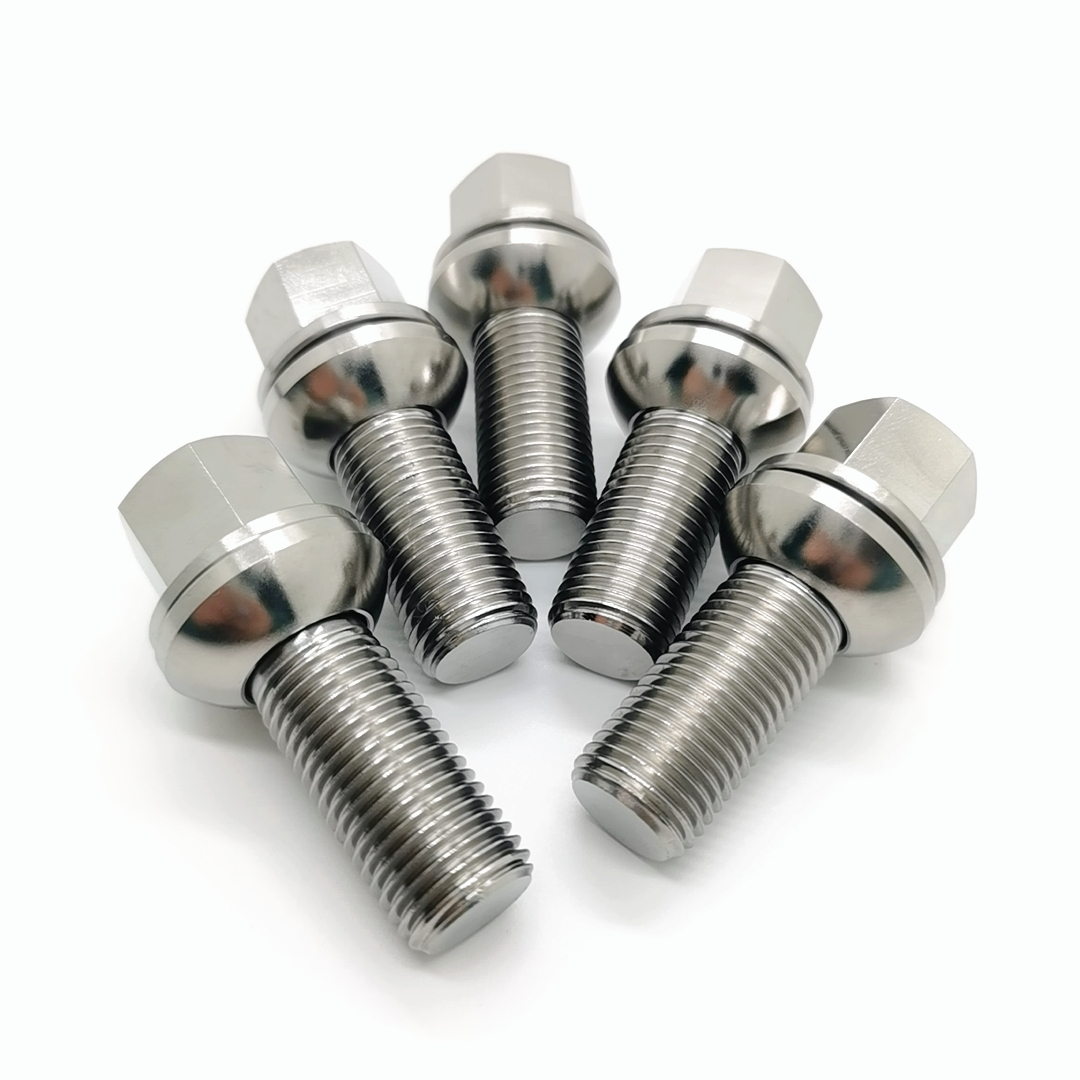
Titanium Alloy Gr5 M12 M14-1.5x30 Hex Lug Bolts Plain Finish Class 8.8 High Strength
- Diameter/PitchM12 / M14 × 1.5
- Yield Strength> 828 MPa
- SeatingConical 60° / Ball
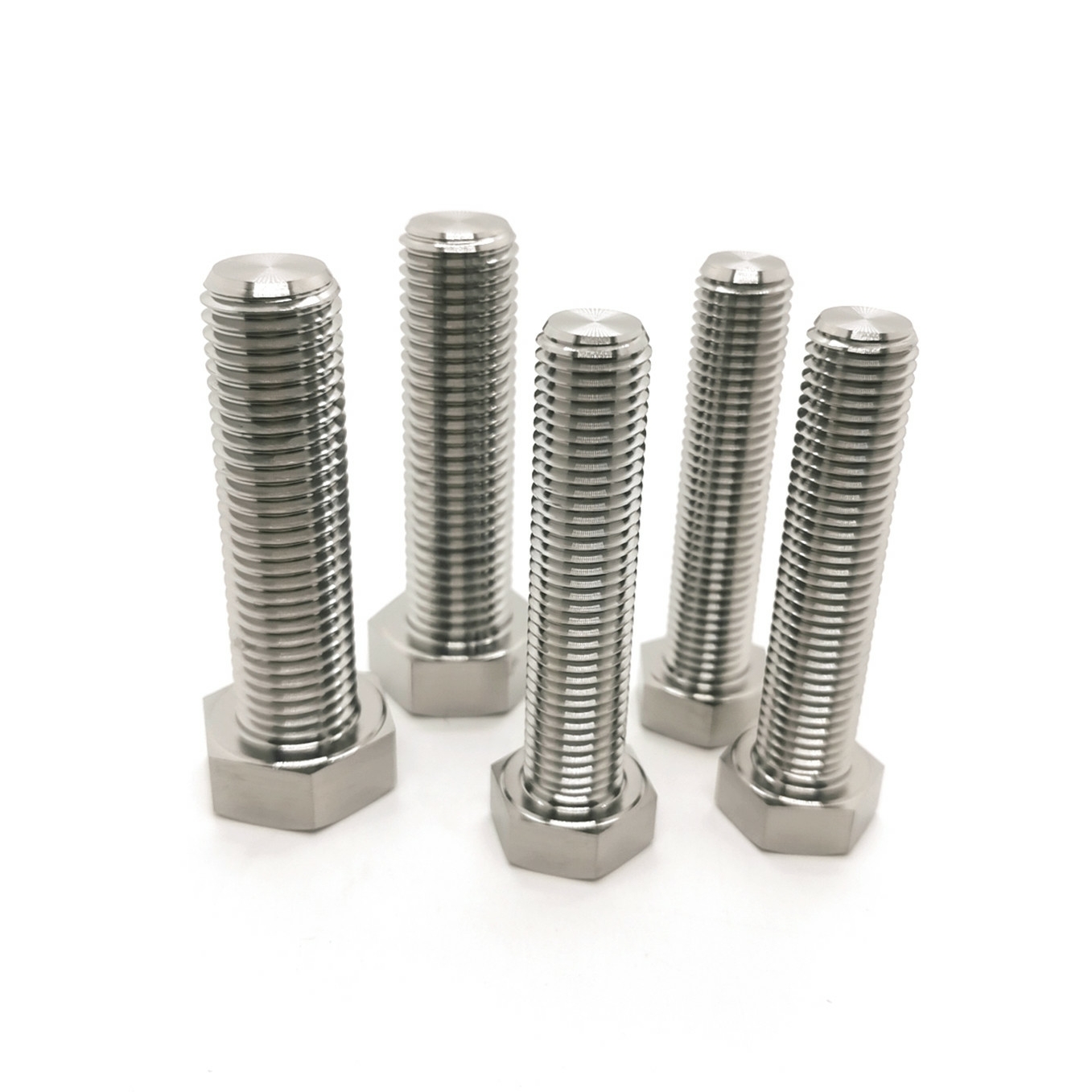
ZFTI Factory Direct Titanium Hex Bolt Full Thread ISO 4018 M8 M10 M12 M14 M16 CNC Machined Plain Finish High Quality
- Thread ProfileFull Threaded Shank
- Size MatrixM8 up to M16
- ManufacturingRolled Thread / Turned
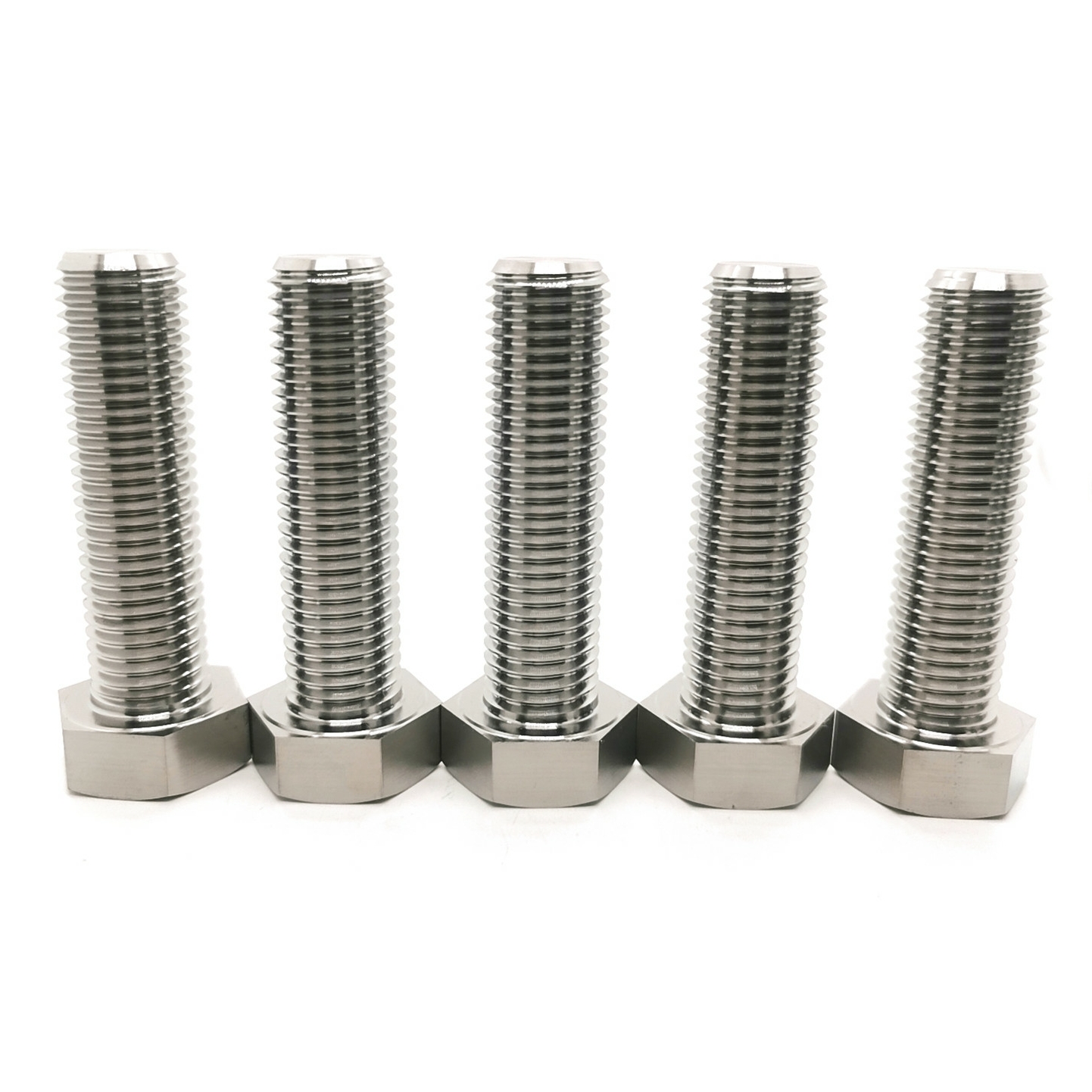
DIN912 Titanium Hexagon Socket Head Cap Screws Class 8.8 CNC Machined Corrosion-resistant Plain Finish (M0.8-M24)
- Dimensional SpecDIN 912 / ISO 4762
- RangeUltra-Fine M0.8–M24
- Corrosion ClassGrade 1/2/5 Resistant
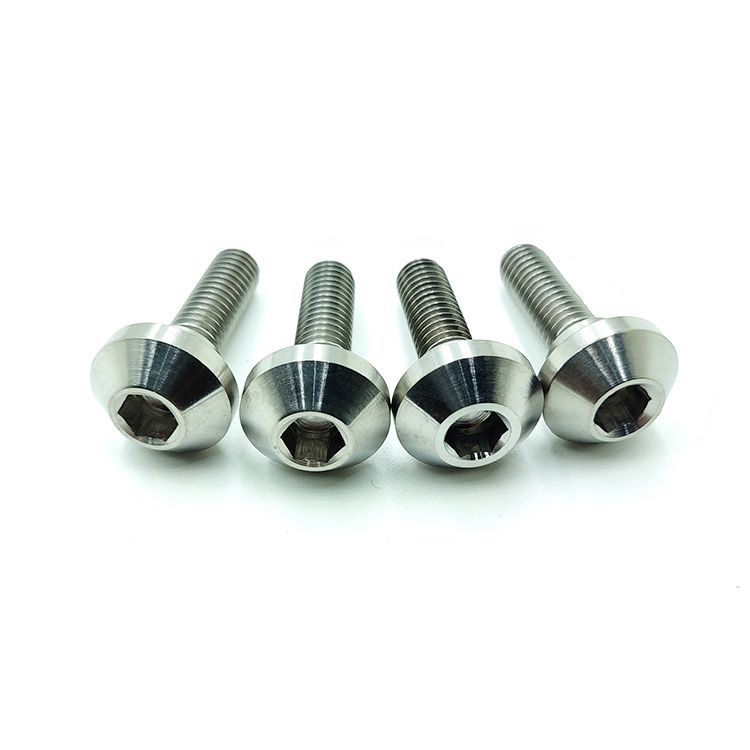
GR5 Titanium Alloy Anodized Brake Bolts for Motorcycle Modified High Performance Class 10.9 & 12.9
- Safety FactorCaliper / Rotor Critical
- Proof LoadEquivalent to Gr 10.9+
- Custom FinishMulti-Spectrum Anodize
Engineering Authority: Titanium Flat Head (Countersunk) Screws Architecture
Countersunk fasteners—commonly classified under DIN 7991, ISO 10642, and ASME/ANSI B18.6.3—serve as the foundation for structural joints requiring a completely flush exterior surface. When machined or forged from non-ferrous titanium alloys, flat head screws eliminate aerodynamic parasitic drag in motorsport and aerospace exterior skins, provide zero-clearance integration inside close-tolerance robotic housings, and deliver exceptional resistance to shear loading across composite panels. As China's leading dedicated titanium fastener factory operating out of Baoji since 2013, our production infrastructure bridges metallurgical precision with ISO-compliant manufacturing discipline.
Key Design Consideration: Flat head countersunk screws concentrate tensile clamping load beneath the conical junction of the head and the shank. Unlike conventional cylindrical socket head caps (DIN 912) where clamping load is evenly distributed perpendicular to the joint face, flat head geometry introduces combined shear, bending, and tensile stresses. Specifying Grade 5 (Ti-6Al-4V) ensures an ultimate tensile strength exceeding 895 MPa, preventing ductile necking beneath the countersink.
Countersunk Angles: 90° Metric vs 82° / 100° Imperial Standards
A primary failure mode in cross-border titanium fastener procurement originates from countersunk seat angle mismatches. Global engineering drawings mandate distinct bevel angles that cannot be interchanged without severe stress risers:
1. Metric Standard (90° Included Angle - DIN 7991 / ISO 10642): The worldwide standard across European and Asian automotive, industrial automation, and cycling sectors. The underside of the flat head transitions precisely at a 90° angle, demanding matching chamfered countersinks in the receiving mating structure.
2. Imperial American Standard (82° Included Angle - ASME B18.6.3): Found frequently in North American automotive aftermarket applications, custom forged wheel assemblies, and specialized tooling. An 82° screw forced into a 90° countersunk hole yields line-contact at the outer diameter, inducing severe edge cracking under vibration.
3. Aerospace Flush Mount (100° Included Angle - NAS / MS Standards): Optimized for thin-gage carbon fiber reinforced polymers (CFRP) and aircraft aluminum skinning. The shallower 100° countersink distributes clamping force over a broader surface area, preventing through-thickness delamination in composite aero laminates.
| Alloy Grade | Yield Strength (Rp0.2) | Tensile Strength (Rm) | Density (g/cm³) | Elongation (A5) | Primary Industrial Utility |
|---|---|---|---|---|---|
| Gr2 (Commercially Pure) | ≥ 275 MPa | ≥ 345 MPa | 4.51 | ≥ 20% | Chemical processing vessels, marine wet exhausts, medical enclosures. |
| Gr5 (Ti-6Al-4V Annealed) | ≥ 828 MPa | ≥ 895–1000 MPa | 4.43 | ≥ 10% | Racing suspension, brake rotors, powertrain hardware, high-shear joints. |
| Gr5 ELI (Grade 23 / F136) | ≥ 795 MPa | ≥ 860 MPa | 4.43 | ≥ 12% | Surgical orthopedic implants, cryogenic valves, subsea pressure containment. |
| Structural Steel 8.8 (Ref.) | ≥ 640 MPa | ≥ 800 MPa | 7.85 | ≥ 12% | Commercial automotive framing (Corrosion prone, 44% heavier than Ti). |
Drive Geometry Optimization: Torx (Hexalobular) vs Hexagon Socket
Countersunk flat head screws suffer from reduced drive depth relative to tall socket caps because the internal socket cannot encroach past the critical head-to-shank shear plane. When tightening Grade 5 titanium, which demands high torque to achieve target clamp bolt stretch, internal hex drives (Allen) carry a known susceptibility to rounding or "cam-out."
To eliminate stripped drive heads on automated assembly lines, our Baoji facility specializes in Torx (ISO 10664 / 6-Lobe) precision broaching and cold forging. Hexalobular drive faces transmit torque with a near 0° drive angle, drastically reducing the radial outward vector that causes tool cam-out. This allows field technicians to achieve complete design preload without stripping the recess, even when using hand torque limiters or pneumatic drivers.
Why Tier-1 Engineers & Global Importers Partner With Yevzo
Operating continuously since 2013 in Baoji High-Tech Industrial Zone—China's acclaimed "Titanium Valley"—we manage an integrated supply matrix spanning certified vacuum consumable arc remelting bar stock to finished CNC micro-fasteners.
Titanium Valley Origin
Direct proximity to sponge titanium supply lines and national smelting laboratories guarantees uninterrupted raw material pipelines, certified chemical traceability, and unmatched heat-lot metallurgical consistency.
100+ Advanced Machining Units
Our workshop houses high-speed Swiss-type automatic lathes, 4-axis / 5-axis CNC machining centers, precision thread rollers, and custom multi-die cold heading presses capable of micro M0.8 up to M24 configurations.
Rigorous Quality Certification
Comprehensive lot documentation including EN 10204 3.1 Mill Test Reports, SPECTRO chemical emission spectroscopy, full profile optical comparator checks, thread pitch micrometers, and tension proof load verifications.
OEM / ODM Custom Engineering
Bring us your STEP, IGES, or 2D CAD files. We manufacture custom countersunk angles (82°, 90°, 100°, 120°), captured captive washers, internal drive geometries, drilled lock-wire heads, and customized thread pitches.
PVD & Electrolytic Finishing
In-house decorative and functional surface modification: micro-arc oxidation, Type II industrial hard anodizing (anti-seize), vacuum physical vapor deposition (PVD gold, burnt blue, stealth black, and iridescent rainbow).
Global Export Supply Chain
Seamless international trade terms: FOB, CIF, EXW, and door-to-door DDP with complete customs clearance handled for the US, Germany, UK, Japan, Australia, and 50+ countries. Fast air-courier dispatch for catalog items.
Future Procurement Trends: Titanium Fasteners (2025–2030)
Procurement directors and design teams are actively re-engineering structural bills of materials (BOMs). Driven by electrification, lightweighting demands, and harsh-environment durability, titanium fasteners are replacing stainless steel and alloy hardware across high-value sectors.
Electric Vehicle Battery Trays & Chassis
Automotive OEMs are aggressively reducing curb weight to maximize battery range and comply with strict axle-weight mandates. Gr5 flat head screws are increasingly specified in aluminum-composite sandwich battery trays and undertray skid plates, where ultra-low flush profiles prevent ground debris snagging while slashing fastener assembly mass by 44% compared to steel.
Corrosion Immunity in Electrolyzers & Marine
Green hydrogen production cells and offshore wind support equipment experience extreme localized galvanic and chemical corrosion. Standard 316L stainless steel suffers pitting and crevice corrosion under chloride attack. Grade 2 and Grade 5 titanium flat head screws form an instantaneous, self-healing rutile (TiO2) oxide film, delivering indefinite service lifetimes in sea spray and acid environments.
End-to-End Metallurgical Provenance
Procurement departments are replacing fragmented trading vendors with verified source mills. Future fastener sourcing contracts mandate complete batch transparency: full melt-source verification, carbon-footprint disclosures, conflict-free mineral guarantees, and digital Mill Test Reports linked straight to incoming inspection barcode systems.
Advanced Manufacturing Trends: From Machining to High-Speed Warm Heading
Historically, titanium flat head screws were predominantly machined via CNC turning from extruded bar stock. While turning ensures razor-sharp aesthetic chamfers and tight tolerances (±0.005 mm), cutting cuts through the metal's internal grain flow lines, reducing ultimate fatigue strength at the critical head-to-shank fillet radius.
Warm Heading & Grain Flow Realignment
Modern production at our Baoji facility implements state-of-the-art induction-assisted warm heading for standardized metric DIN 7991 fasteners. By heating Grade 5 wire coils to narrow metallurgical processing windows (650°C to 750°C) directly prior to upsetting:
- Grain Flow Continuity: Internal metal grains curve smoothly along the 90° countersunk head contours, significantly increasing shear fatigue cycles under dynamic vibrational loads.
- Thread Rolling Over Thread Cutting: Shank threads are rolled under high hydraulic pressure between precision ground flat dies, creating residual surface compressive stresses that prevent root notch cracking.
- High Output Scalability: Output speeds exceed traditional turning by 800%, drastically reducing unit costs for industrial buyers placing blanket orders from 10,000 to 500,000 pieces.
Galling Prevention & Surface Lubrication Systems
Titanium possesses an innate metallurgical coefficient of friction that can lead to "thread galling" or cold welding during high-speed torque assembly into titanium, stainless steel, or aluminum female threads. We counter this inherent characteristic through advanced functional surface treatments:
1. Type II Anti-Galling Anodization: An engineered alkaline immersion process that creates a micro-porous, wear-resistant conversion layer. When combined with molybdenum disulfide (MoS2) or micro-encapsulated PTFE dry-film lubricants, thread friction coefficients stabilize between 0.10 and 0.14, eliminating thread seizure entirely.
2. Vacuum PVD Hard Coatings: Titanium Nitride (TiN - Gold), Titanium Carbonitride (TiCN), and Diamond-Like Carbon (DLC) coatings provide surface micro-hardnesses exceeding 2500 HV. This protects high-stress drive sockets from tool wear and allows repeated installation cycles without head deformation.
Frequently Asked Procurement & Engineering Questions
Essential technical, testing, and operational insights provided directly by our Baoji fastener engineering team to help you streamline project onboarding.
Initiate Your Engineering Consultation • Direct From Baoji Factory
Send our senior engineering team your thread requirements, CAD blueprints, application environment conditions, and projected annual quantities. We deliver technical feasibility assessments and itemized manufacturing quotes within 24 hours.