2013
Established In Baoji
100+
CNC Machining Centers
895+ MPa
Grade 5 Tensile Strength
±0.01 mm
Aviation Class Precision
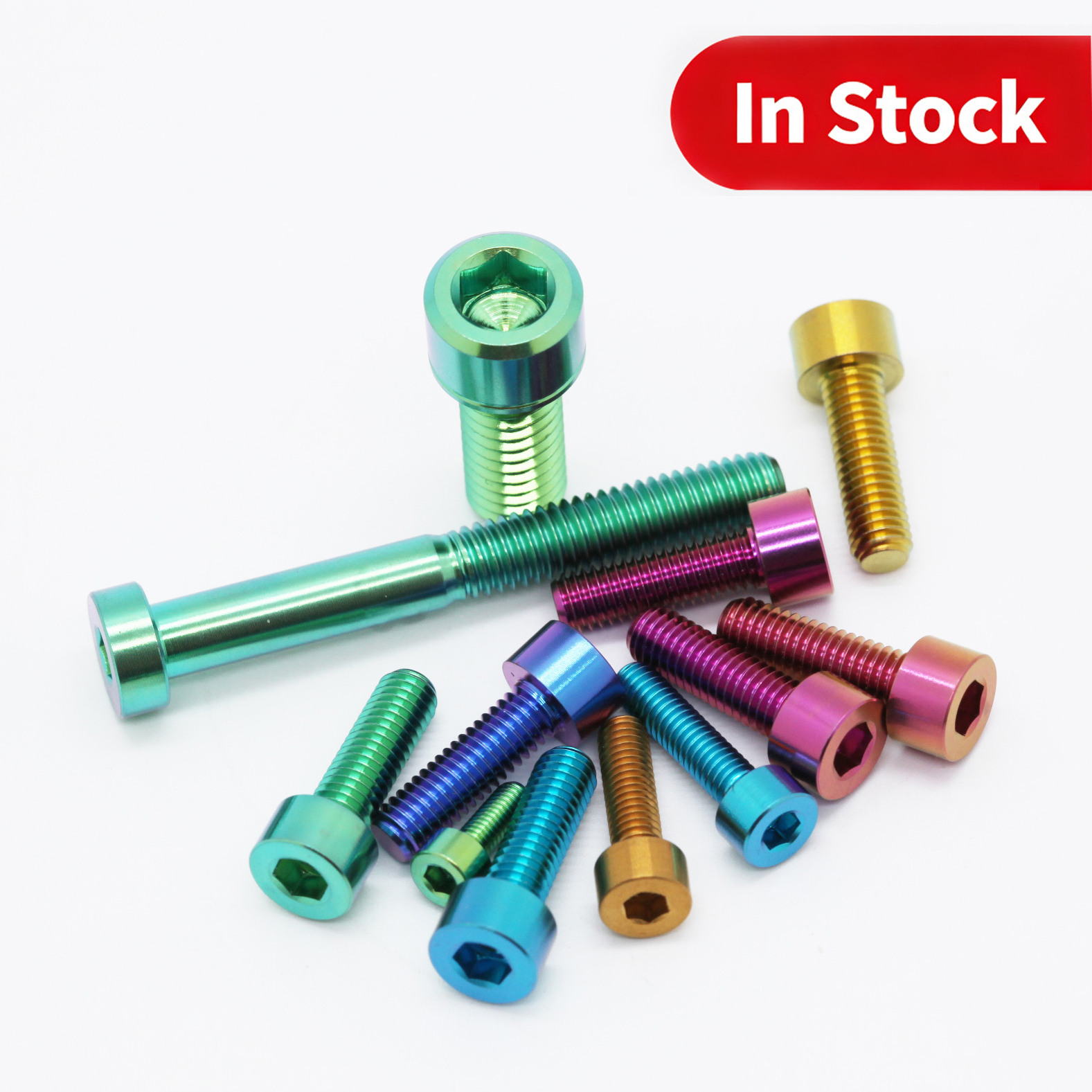
Precision-Machined Titanium Socket Head Screws & Fasteners
Manufactured according to DIN 912, ISO 4762, and customized OEM specifications. Certified high-purity titanium bars for motorsport, hypercar, aerospace, and medical engineering.
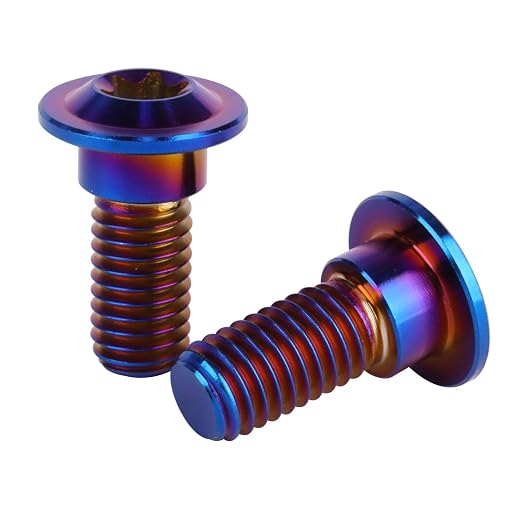
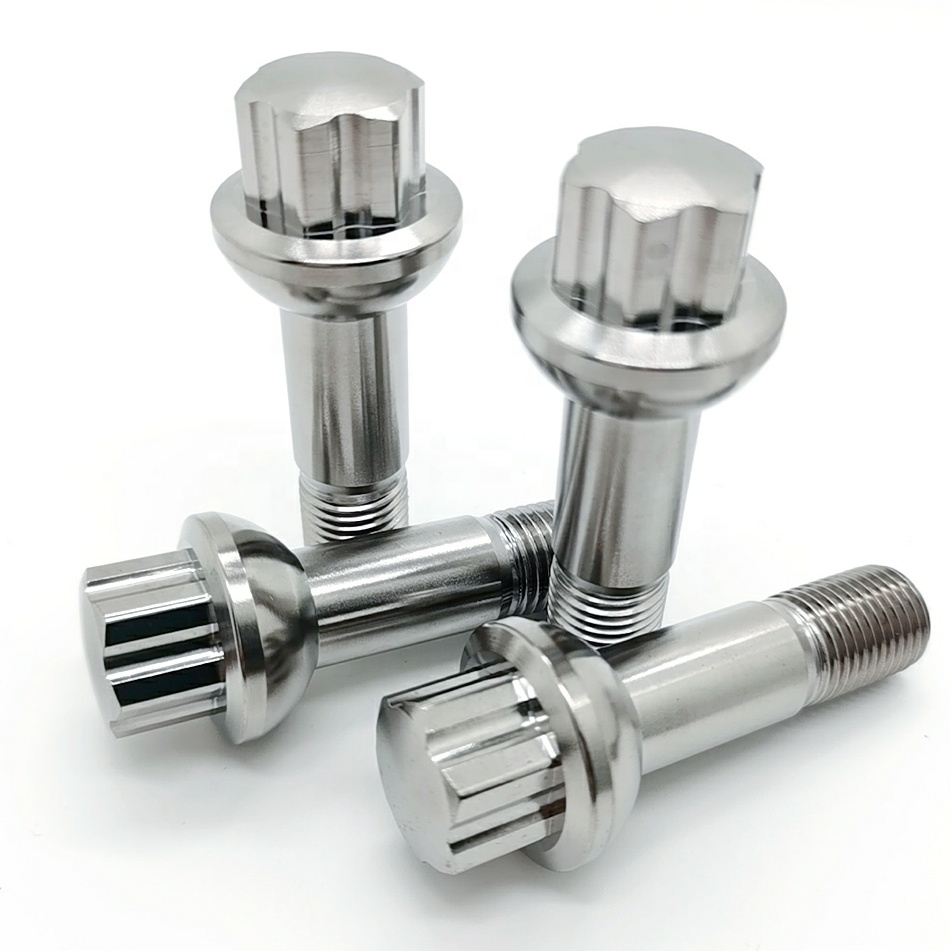
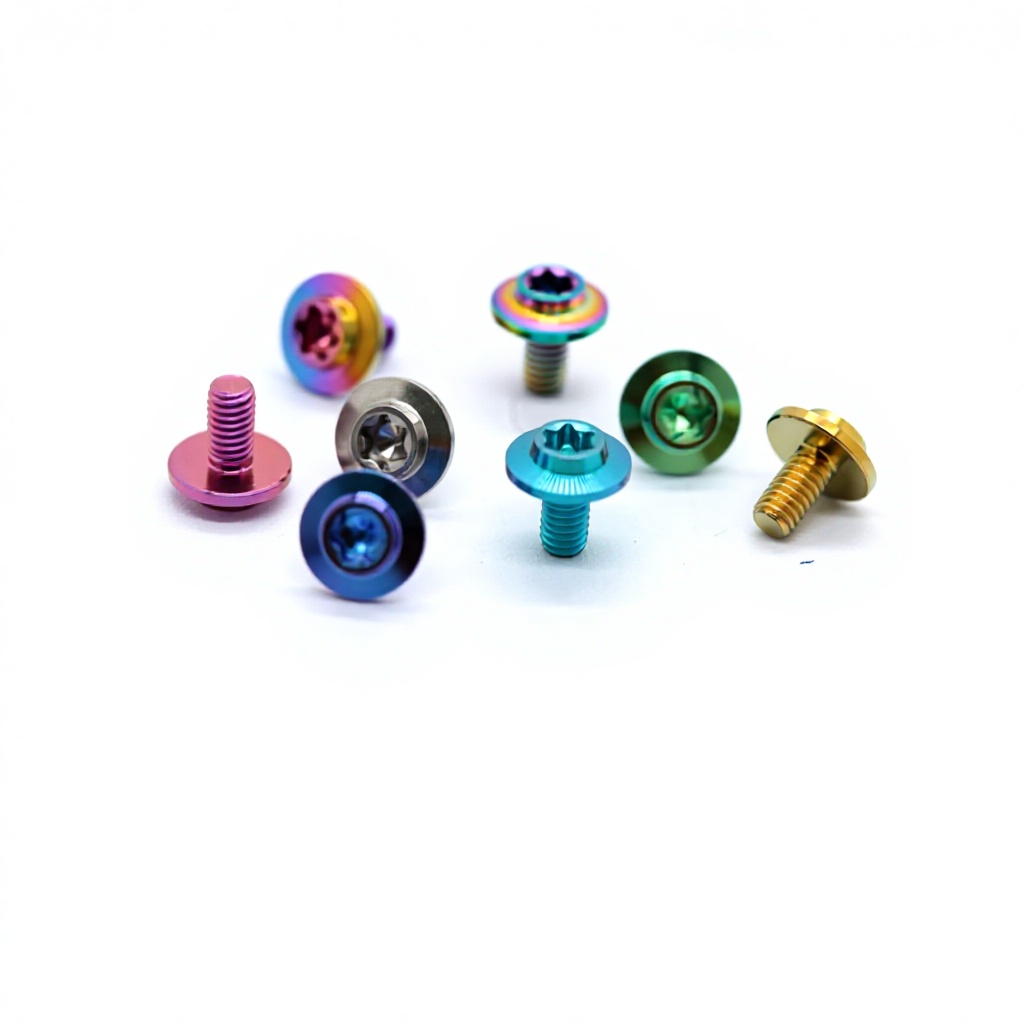
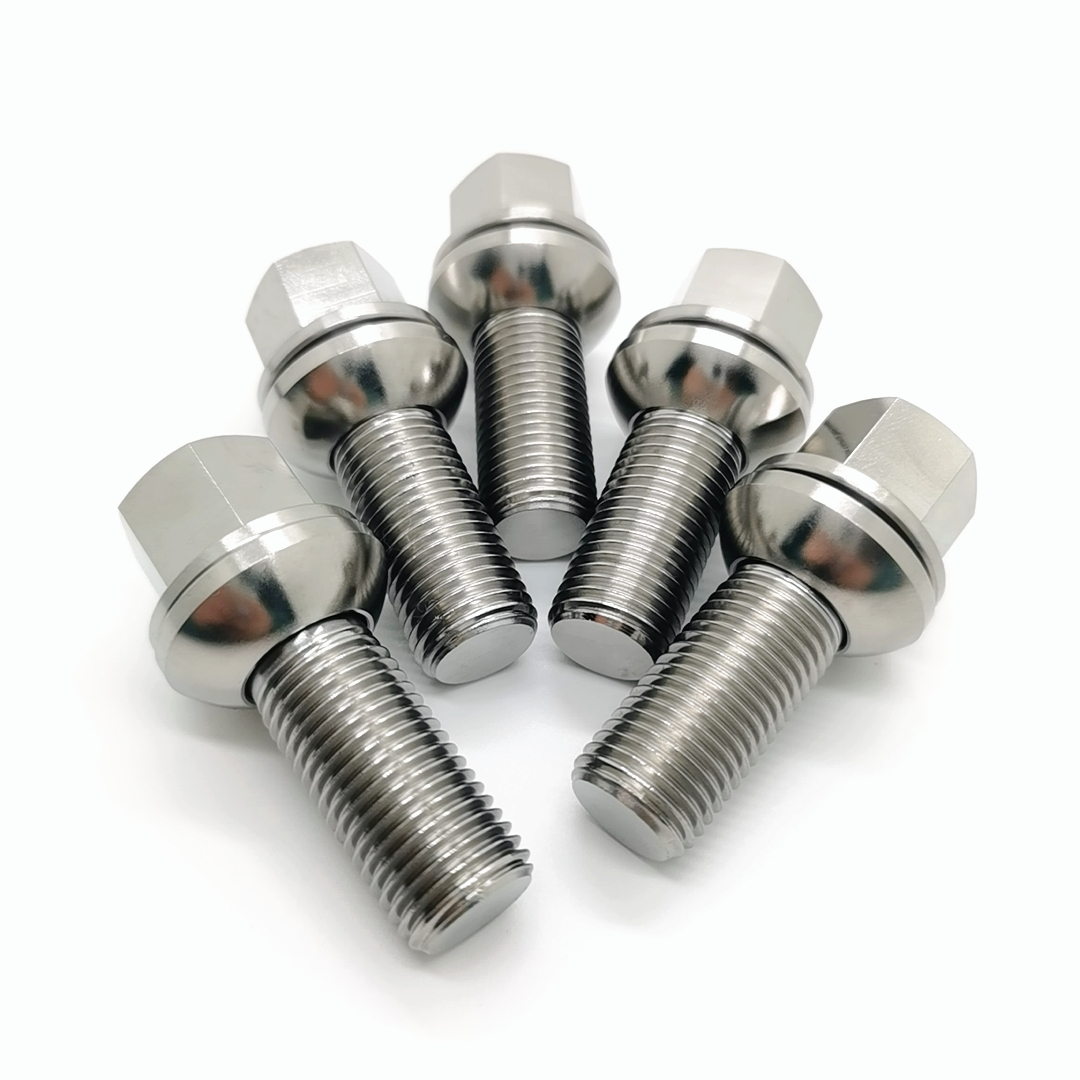
Engineering Insights: Titanium Socket Head Bolt Manufacturing Analysis
Critical structural metrics, metallurgical composition, and why global OEMs transition from 10.9/12.9 alloy steels to Ti-6Al-4V fasteners.
Superior Strength-to-Weight Ratio
With an annealed density of 4.43 g/cm³, Ti-6Al-4V Grade 5 socket head bolts achieve over 895 MPa minimum tensile strength. This provides ~44% weight reduction compared to conventional grade 8.8 and 10.9 automotive alloy fasteners without sacrificing clamping yield load capacity.
Exceptional Corrosive Resistance
Upon atmospheric exposure, titanium instantly develops a self-healing, adherent TiO₂ (ruthenium/anatase structure) passive layer. Unlike zinc-plated or cadmium-finished carbon steel bolts, titanium socket cap screws remain impervious to chlorides, salt spray, marine splash, and acid run-offs.
Fatigue Life Under Cyclic Stress
Our CNC-turned socket screws incorporate precision cold-rolled or multi-axis turned radius threads. By engineering smooth root radii (compliant with aerospace AS8879 and DIN 912 standards), micro-notch stress concentration is minimized, multiplying dynamic fatigue endurance.
| Material Designation | Yield Strength (MPa) | Tensile Strength (MPa) | Density (g/cm³) | Thermal Expansion (10⁻⁶/K) | Non-Magnetic Status |
|---|---|---|---|---|---|
| Titanium Grade 5 (Ti-6Al-4V) | 828 Min | 895 - 1000 | 4.43 | 8.6 | Completely Amagnetic |
| Commercially Pure Ti (Grade 2) | 275 Min | 345 Min | 4.51 | 8.6 | Completely Amagnetic |
| Class 8.8 Carbon Steel | 640 | 800 - 830 | 7.85 | 12.0 | Ferromagnetic |
| Stainless Steel 316 / A4-70 | 450 | 700 | 8.00 | 16.0 | Mild / Slight Work-Hardened |
Future Sourcing & Technology Trends: Titanium Socket Head Screws
What engineering directors, automotive tier-1 suppliers, and precision procurement managers must anticipate over the next decade.
Electrification & Unsprung Mass Optimization
Global EV automakers are systematically replacing legacy structural fasteners with Grade 5 socket head bolts. Reducing unsprung weight across suspension uprights, brake caliper brackets, and battery enclosure trays provides exponential battery efficiency gains without frame re-engineering.
Advanced Anti-Galling Surface Treatises
Gall-sensitive sliding contact in pure titanium threads is obsolete. Modern procurement demands integrated Physical Vapor Deposition (PVD), Diamond-Like Carbon (DLC), or micro-ceramic titanium anodizing, dropping thread friction coefficients below 0.12 while preserving pitch fit accuracy.
Full Mill-To-Bolt Digital Traceability
Supply chain validation now prioritizes unassailable provenance. Procuring from manufacturers located directly within raw-material clusters (like Baoji) ensures single-source heat numbering, spectrometer alloy verification, and traceable mechanical certs matching ASTM B348 compliance.
Why Partner With Yevzo: Direct Manufacturer in Titanium Valley
Based in Honeycomb Industrial Park, Baoji High-Tech Development Zone, Shaanxi, China—the world epicenter of titanium metallurgy.
Baoji Raw Material Proximity
Direct sourcing access to raw sponge, vacuum arc remelted (VAR) ingots, and ASTM B348 titanium bars drastically mitigates raw material lead-time fluctuations and guarantees batch chemical integrity.
Multi-Axis CNC Fleet
Equipped with over 100 dedicated CNC turning centers, sliding-head swiss lathes, and 3/4-axis milling centers capable of cutting, drilling, and thread-whirling complex hex socket geometries consistently.
In-House Surface Finishing
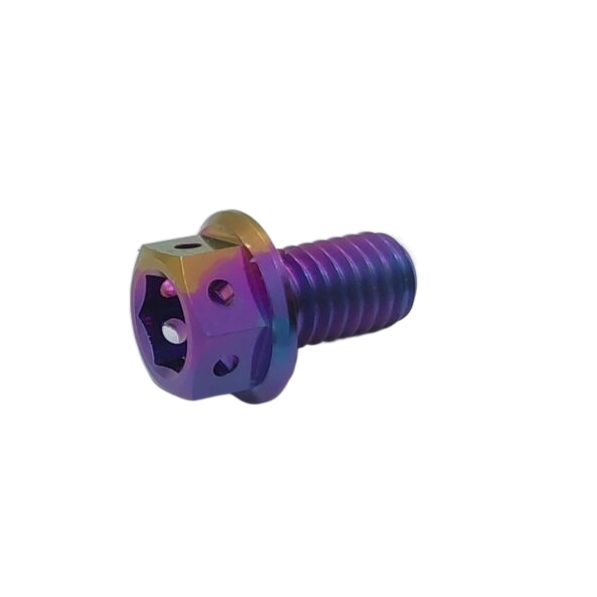
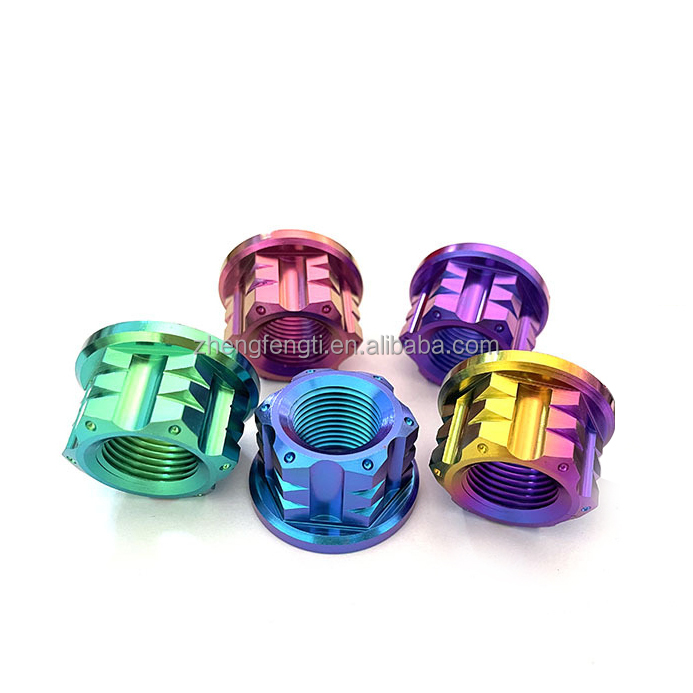
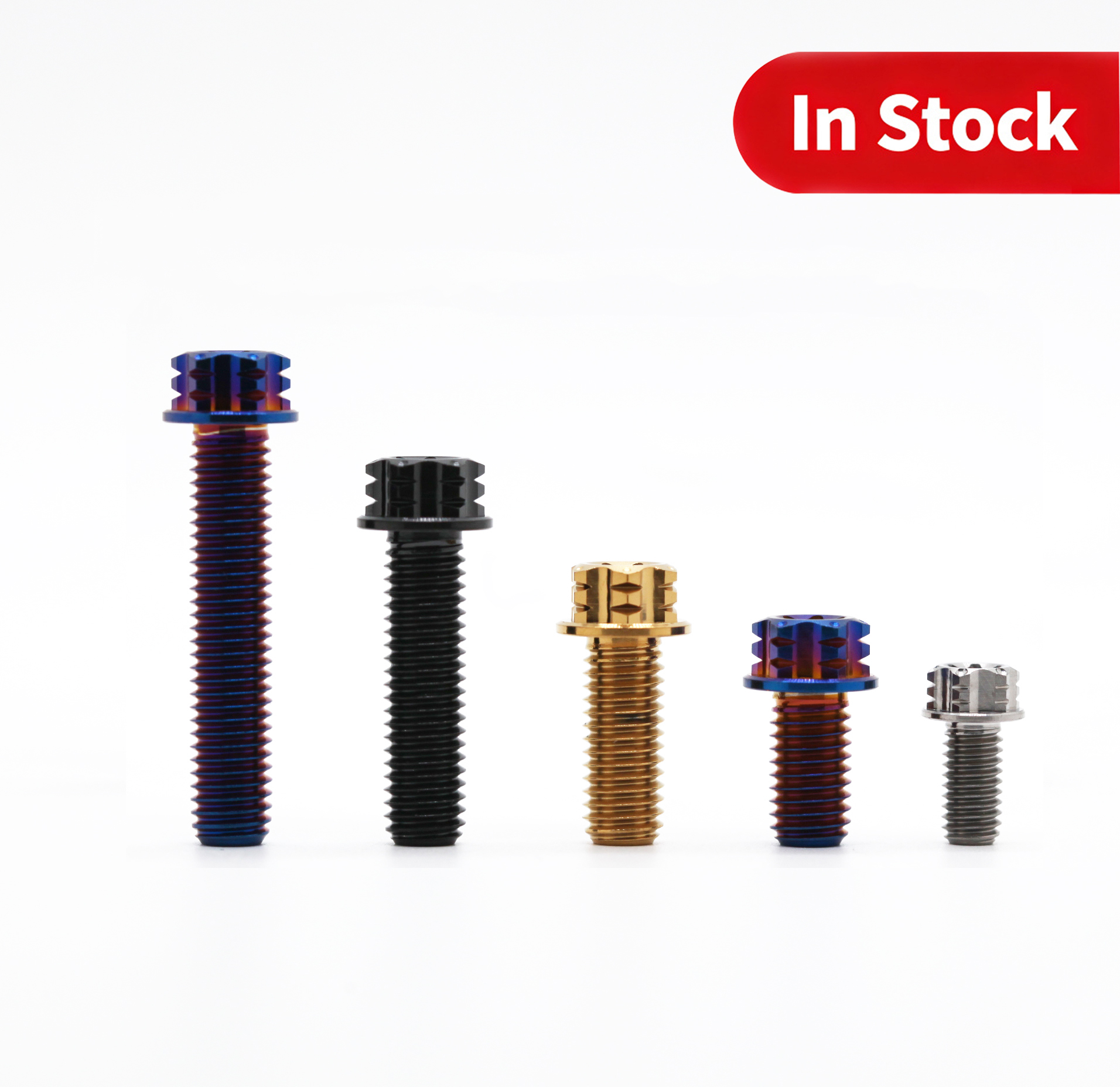
Complete control over post-machining aesthetics and functional coatings: micro-polishing, chemical degreasing, electro-chemical anodizing (rainbow, gold, blue, purple, black), and protective PVD applications.
Documented Quality Control
100% thread ring/plug gauge check, optical comparator dimensional profiling, tensile load destruction testing, and Mill Test Certificates (EN 10204 3.1) delivered alongside every shipment.
Frequently Asked Questions: Sourcing Titanium Socket Bolts
Authoritative technical clarification on standards, engineering parameters, galvanic interactions, and ordering protocols.
Can Titanium Socket Bolts Replace Grade 10.9 or 12.9 Steel Fasteners?
Grade 5 (Ti-6Al-4V) titanium delivers a yield strength around 828–910 MPa and tensile strength between 895–1000 MPa, completely exceeding Grade 8.8 steel bolts and directly matching structural capabilities of Grade 10.9 screws. For severe pre-load setups exceeding Grade 12.9, our metallurgists engineer custom cold-work treated titanium alloys or specific flange profiles to widen clamping pressure distribution.
How Do You Prevent Thread Galling During Assembly?
Because titanium has a low thermal conductivity and reactive surface oxide layer, high torque or fast rundown speeds can provoke micro-frictional cold welding (galling). To prevent this, apply anti-seize paste containing copper, molybdenum disulfide (MoS₂), or nickel compound. Alternatively, specifying PVD or hard-anodized surface finishes naturally creates a low-friction operational boundary.
How Is Galvanic Corrosion Handled Between Titanium and Aluminum?
Titanium holds an electrochemically noble position. When fastened into aluminum or magnesium alloys in moist, saline, or corrosive marine operating environments, galvanic couples can induce sacrificial degradation of the lighter metals. We recommend utilizing passivated titanium finishes, insulating synthetic or Delrin washers, or applying non-conductive thread lock agents.
What Are the Standard MOQ and Production Delivery Terms?
Standard catalog DIN 912 hex socket bolts, M3 to M20 nuts, and stock items have an entry minimum order quantity (MOQ) of 20 to 100 pieces. Custom engineering components machined to print run on flexible trial batches. Shipments are supported worldwide under Incoterms FOB, CFR, CIF, EXW, FCA, and fully cleared DDP with payments via T/T, L/C, or PayPal.
Request Technical Catalog & Factory Quotation
Explore full thread geometry specifications, torque reference tables, custom CNC machining capacities, and wholesale contract pricing from our Baoji engineers.