Marine Alloy
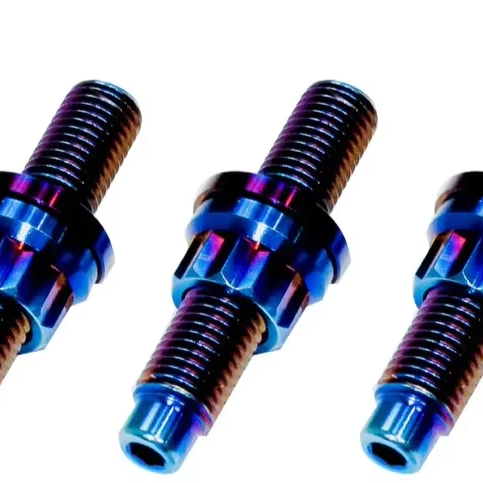
M5 M6 M8 Wholesale Titanium Alloy Hexagon Head Industrial Grade Bright Finish Bolts
- Grade: Gr5 Ti-6Al-4V
- Thread: M5, M6, M8 Rolled
- Finish: Bright Polished
Precision cold-forged and CNC-machined titanium components engineered from premium Baoji aerospace-grade billets. Compliant with ASTM B348, DIN, and ISO marine tolerances.
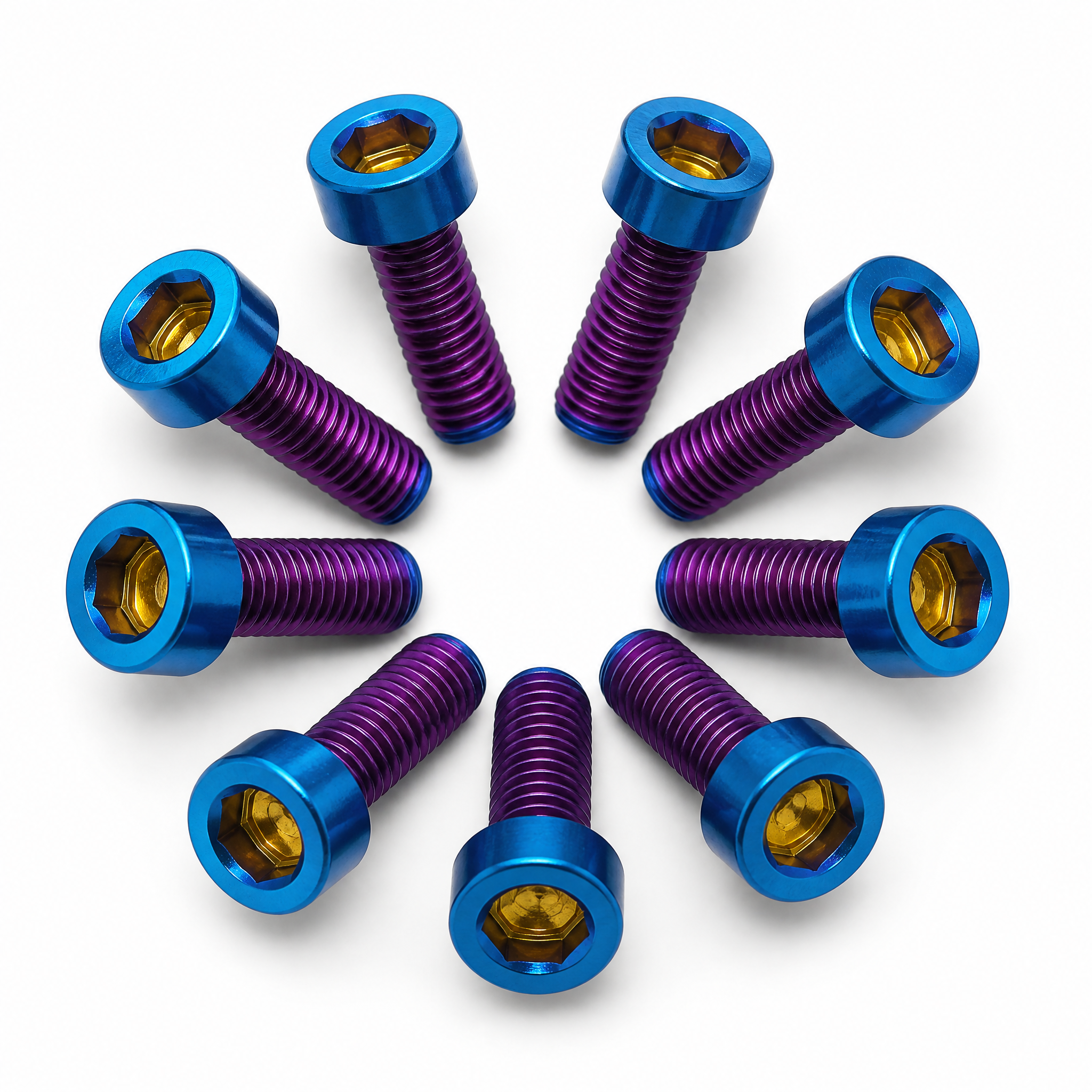
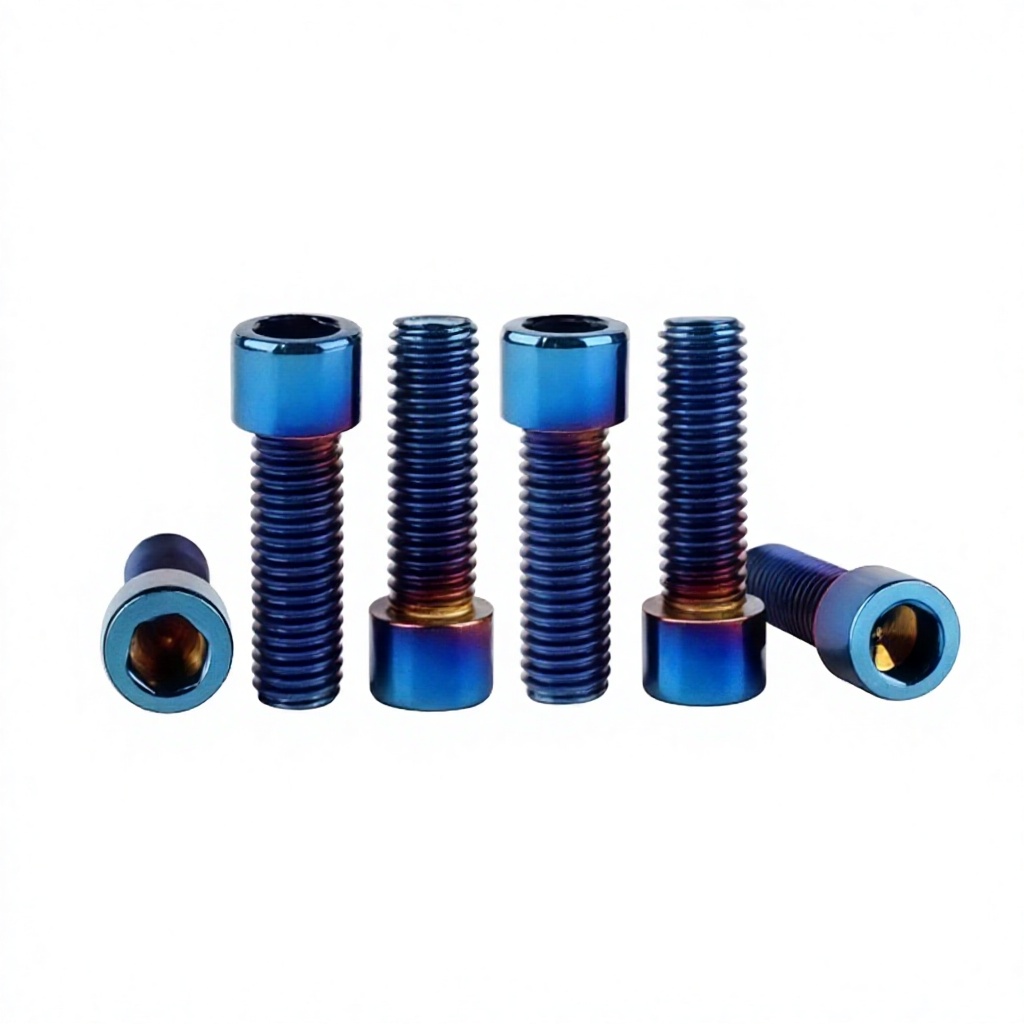
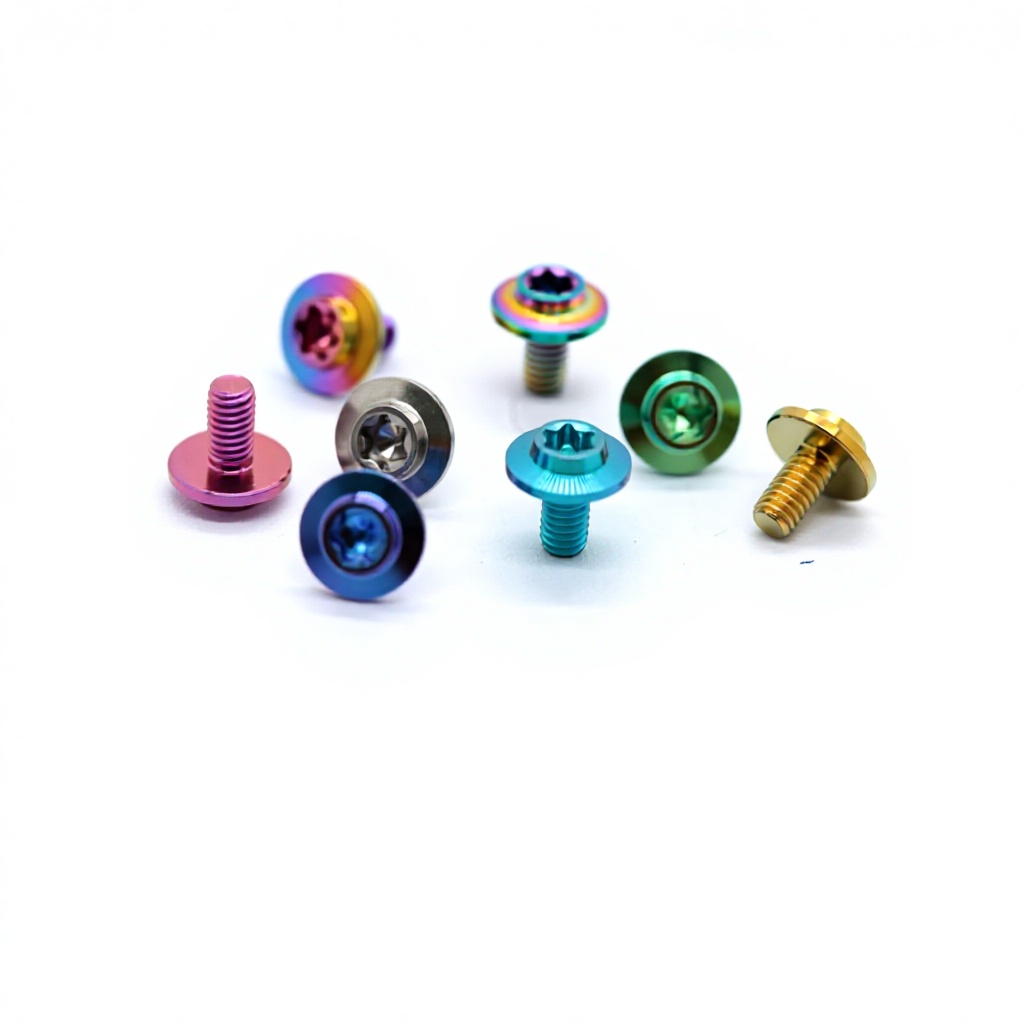
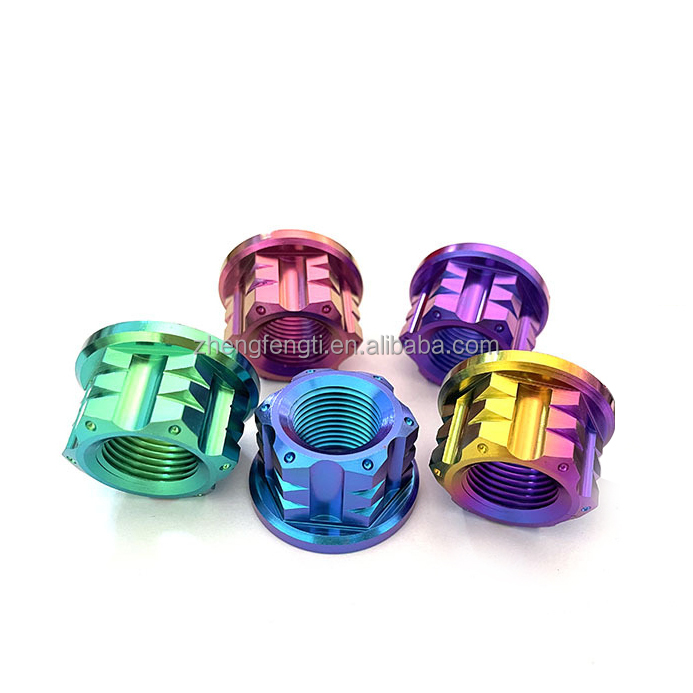
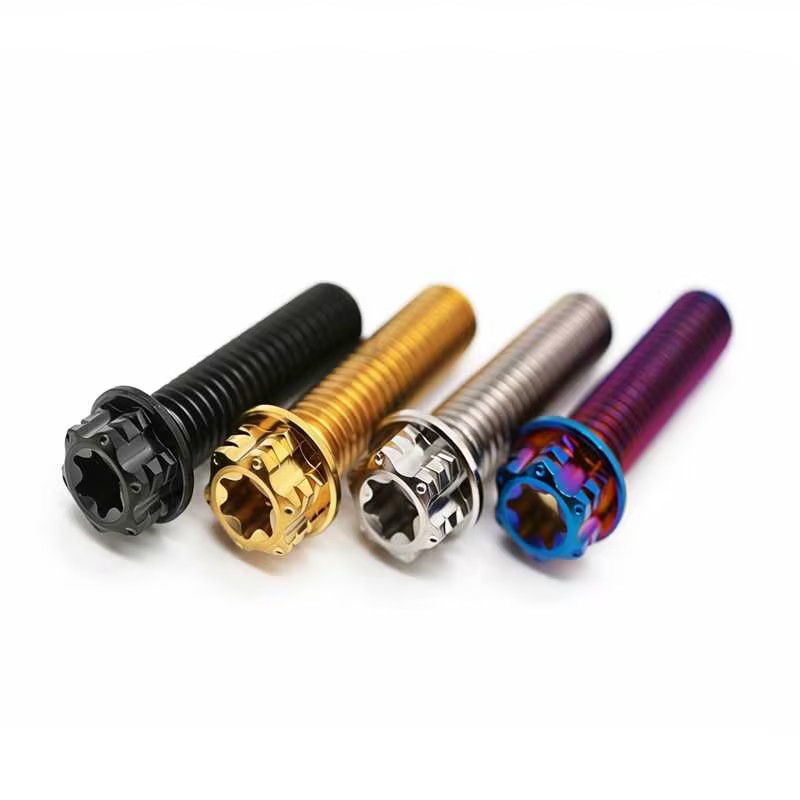
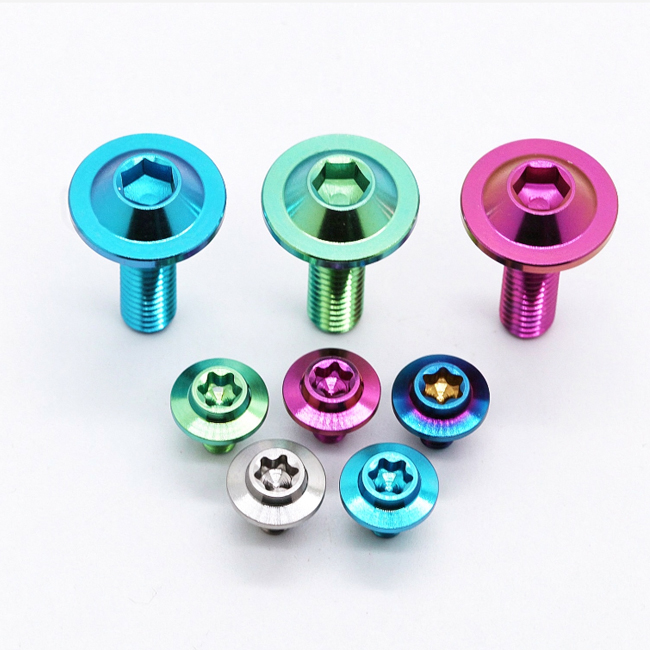
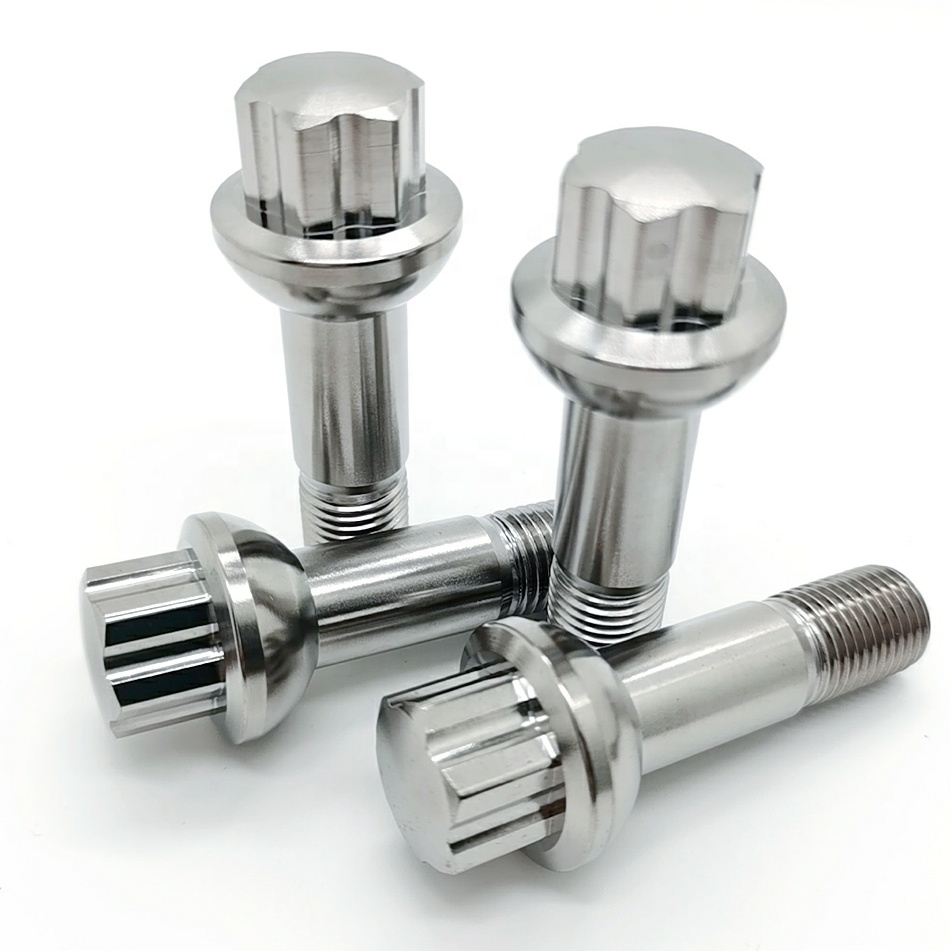
Selecting a qualified vendor for critical subsea and naval-grade bolted joints demands strict auditing of raw material pedigree, CNC tolerances, thread rolling methods, and metallurgical consistency. Below is our industry survey of the premier global manufacturing entities capable of delivering mission-critical titanium fasteners:
Situated in Baoji, China's "Titanium Valley," Yevzo integrates certified ASTM B348 raw stock forging with ultra-precise 5-axis CNC machining, leading the supply chain in high-strength Gr5 (Ti-6Al-4V) marine and motorsport fasteners with direct-factory cost advantages.
Specializes in large-diameter titanium tie rods, structural studs, and extreme pressure subsea hardware for North American naval shipbuilders and deepwater oil extraction platforms.
Leverages aerospace cold-heading technologies to manufacture class-leading fatigue-rated titanium bolts and self-locking nuts for European defense contractors and oceanic racing catamarans.
Renowned for heavy-duty offshore fastening solutions, specializing in wind turbine jacket foundations and subsea riser clamp studs manufactured from high-grade titanium and super duplex alloys.
Global leader in bespoke subsea instrumentation hardware, specializing in non-magnetic, ultra-deep subsea housings and critical pressure-retaining Grade 5 and Grade 9 titanium fasteners.
A specialized provider of high-alloy engineered fasteners, stocking commercially pure Grade 2 and heat-treated Grade 5 fasteners for desalination and hypersaline environments.
Pioneers in high-purity titanium metallurgy, producing ultra-reliable fasteners that serve the high-speed hydrofoil, commercial marine turbine, and LNG carrier shipping industries.
One of the largest master distributors in the Western Hemisphere, offering comprehensive stock of non-corrosive fasteners with specialized kitting programs for boatyards and OEM builders.
European manufacturer recognized for high-end wire drawing and cold-heading technologies tailored for luxury superyachts, naval fittings, and coastal subsea applications.
Corrosion resistance in marine environments is dictated by the alloy's ability to maintain a dense, insoluble, and instantaneous self-healing passive oxide film (TiO₂). When 316L stainless steel suffers localized breakdown resulting in catastrophic pitting and crevice corrosion under low-oxygen marine silt or stagnant waterline conditions, titanium remains thermodynamically immune.
| Engineering Property | Grade 2 (CP Titanium) | Grade 5 (Ti-6Al-4V) | Marine 316L Stainless | Super Duplex 2507 |
|---|---|---|---|---|
| Yield Strength (Rp 0.2) | 275 – 350 MPa | 828 – 910 MPa | 220 – 300 MPa | 550 MPa |
| Tensile Strength (Rm) | 345 – 450 MPa | 895 – 1000+ MPa | 520 – 680 MPa | 750 – 1000 MPa |
| Density (g/cm³) | 4.51 g/cm³ | 4.43 g/cm³ | 7.98 g/cm³ | 7.80 g/cm³ |
| PREN Number | Immune (> 45 equivalent) | Immune (> 45 equivalent) | 23 – 25 | 42 – 45 |
| Chloride Stress Corrosion (SCC) | Completely Immune | Immune (< 60°C Sea) | Extremely Vulnerable | High Resistance |
| Weight Reduction Benefit | 43.5% lighter than steel | 44.5% lighter than steel | Baseline standard | Baseline standard |
While Commercially Pure Grade 2 titanium is exceptionally ductile and perfectly suited for low-load intake sea-strainers, hull skin fittings, and wet exhaust flanges, Grade 5 (Ti-6Al-4V) is the industry benchmark for high-stress structural joints. With a yield strength exceeding 828 MPa, Gr5 outperforms ISO 898-1 Class 8.8 carbon steel bolts while delivering total immunity to splash-zone salt spray.
Strategic sourcing in the naval architecture, luxury marine, and deep-sea extraction sectors is rapidly evolving past simple spot purchasing. Three dominant technological developments are transforming global request-for-quotations (RFQs):
In high-vibration maritime environments, such as twin-turbo marine diesel mounts, high-speed outdrive brackets, and offshore winch mounts, cut threads introduce micro-notches that act as stress concentration risers. Advanced manufacturing facilities now mandate CNC thread rolling. By plastically deforming annealed Grade 5 titanium grain fibers along continuous contours instead of cutting through them, the fastener's fatigue endurance limit is improved by 30% to 45%, resisting dynamic subsea harmonics.
Historically, titanium fasteners suffered from thread galling (cold-welding) during rapid pneumatic installation due to their low thermal conductivity and high friction coefficient. The contemporary marine procurement standard relies on PVD MoS₂ (Molybdenum Disulfide) dry films, specialized fluoropolymer coatings, or electro-plasma Micro-Arc Oxidation. These barrier layers drop the coefficient of friction from 0.40 to less than 0.12, enabling consistent torque-tension relationships without requiring messy liquid anti-seize paste in closed marine hulls.
With fluctuating sponge titanium market prices and stringent ISO 9001:2015 traceability compliance, Tier-1 marine engineering contractors are directly bypassing secondary western redistributors. By partnering directly with integrated factories situated in raw metal clusters—such as Baoji, China—procurement departments secure mill-certified ASTM B348 bar traceability, reduce airfreight carbon footprints, and guarantee fixed quarterly pricing structures for long-term naval shipbuilding drydock schedules.
Operating continuously since 2013 in the heart of China’s "Titanium Valley" (Baoji, Shaanxi), Yevzo combines the responsiveness of an engineering-focused manufacturer with world-class metallographic testing facilities. Our vertically organized production flow minimizes margin stacking, mitigates porosity risks, and ensures guaranteed dimensional repeatability.
Direct access to pristine sponge titanium melt batches. Mill test certificates (EN 10204 3.1) guaranteed on every raw billet order.
Utilizing high-speed Swiss-type lathes, 5-axis CNC machining, and cold heading presses to hold tolerances within ±0.01 mm.
Optical sorting, GO/NO-GO thread ring gauge verification, ultrasonic flaw evaluation, and salt spray validation prior to packaging.
Low catalogue MOQs starting from 10–30 pcs, custom drawing prototyping, and international DDP delivery straight to shipyards.
Download our complete CAD catalog, engineering torque matrices, and factory pricing schedules for custom Grade 2 and Grade 5 fasteners. Inquire with our Baoji engineering headquarters today.