Engineering-Grade Titanium Fastener Series
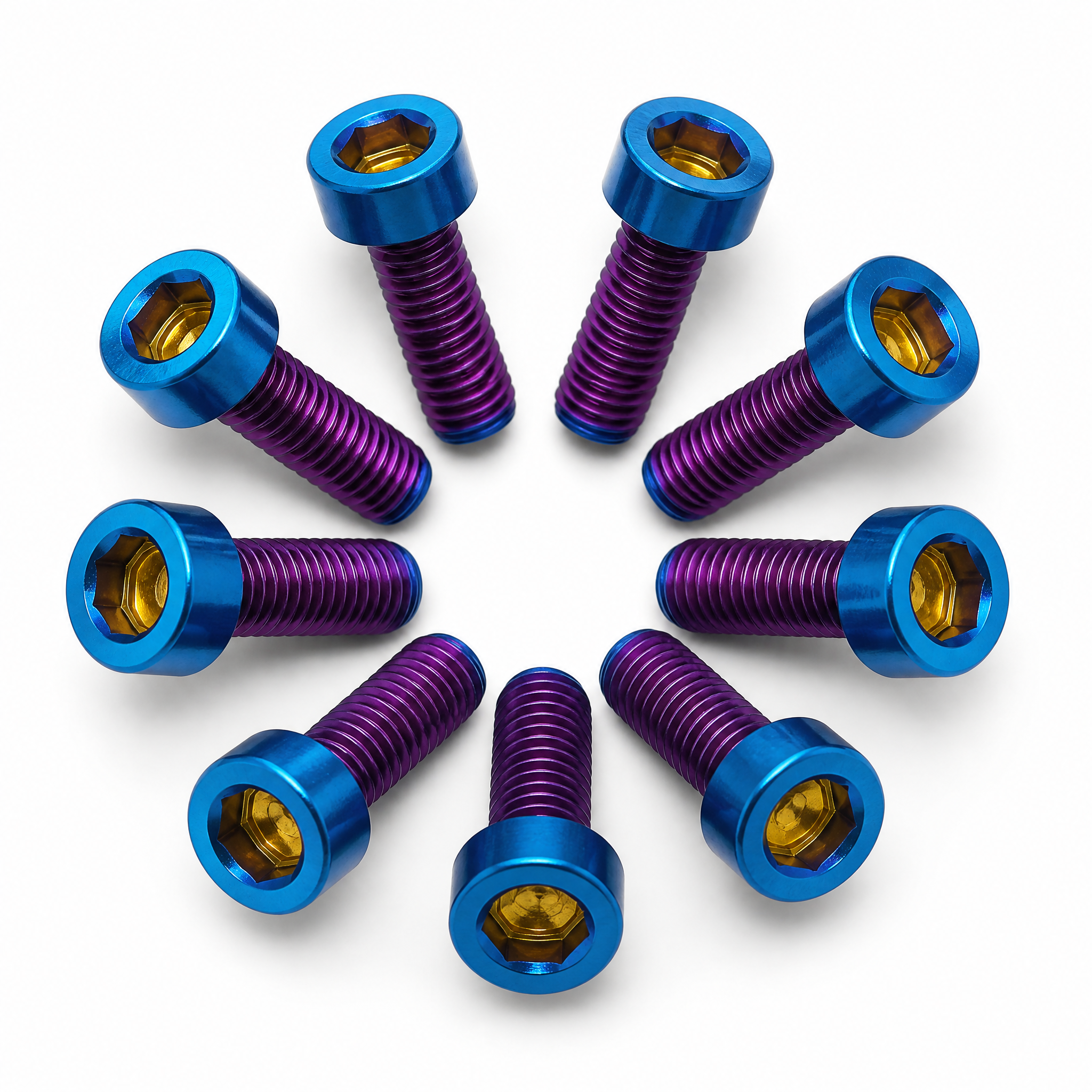
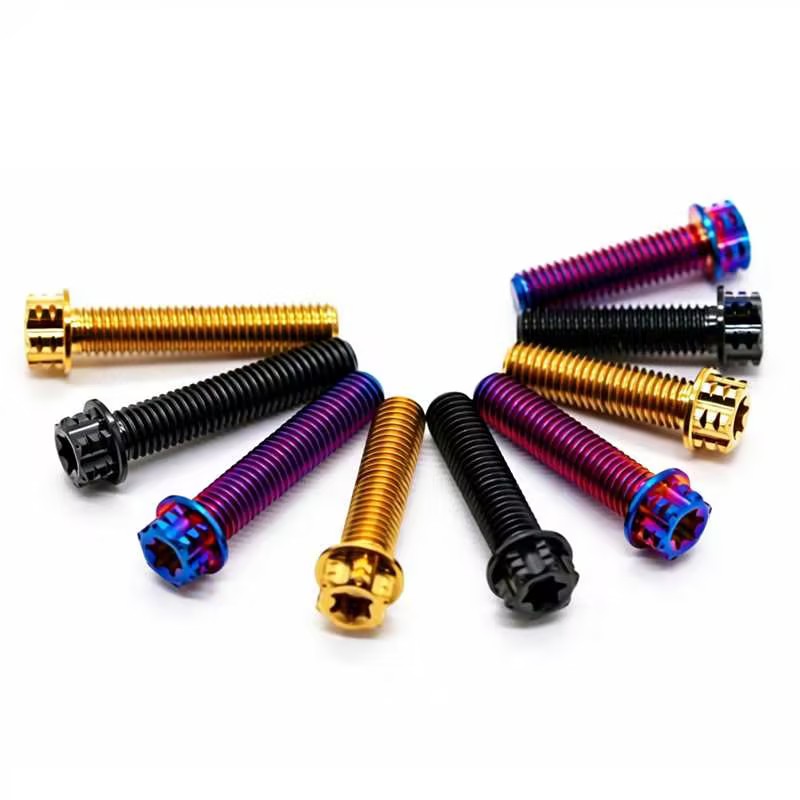
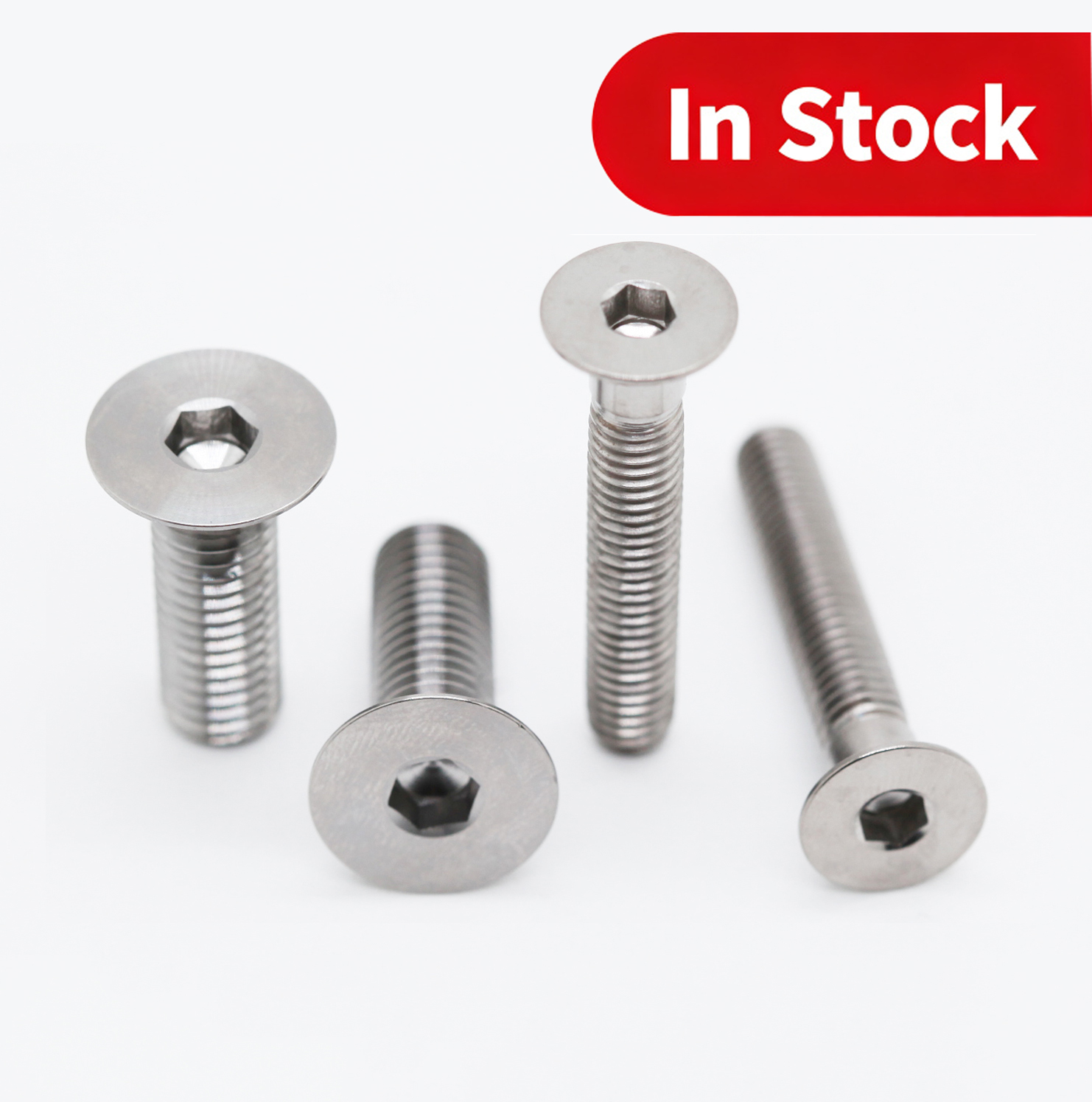
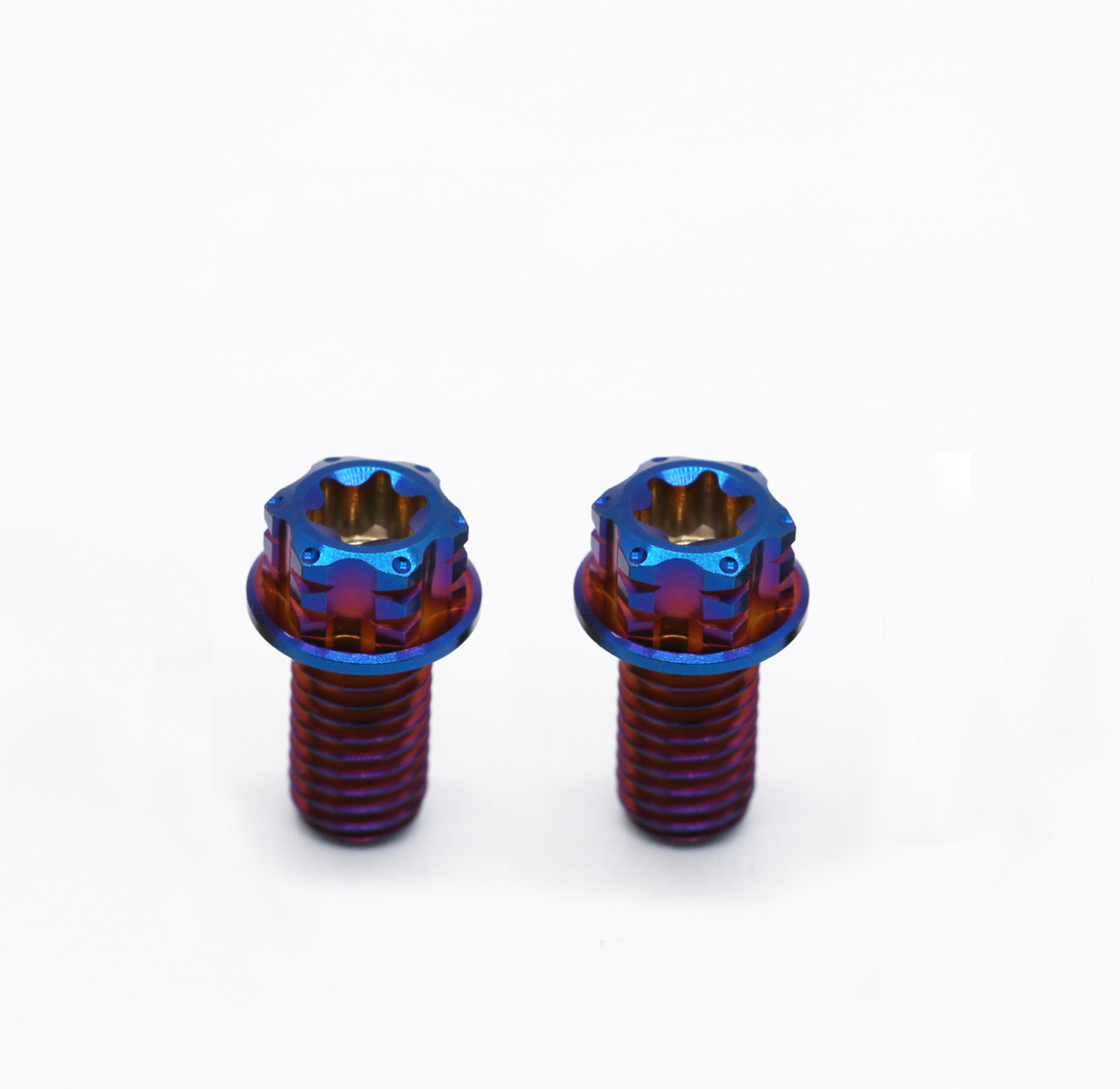
Factory-direct inventory adhering to ISO 9001, DIN, and ASTM mechanical specifications. Custom CNC turn-milling and advanced multi-tone PVD / anodized treatments available.
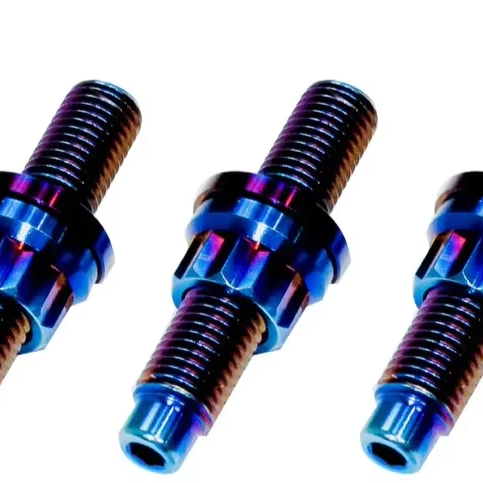
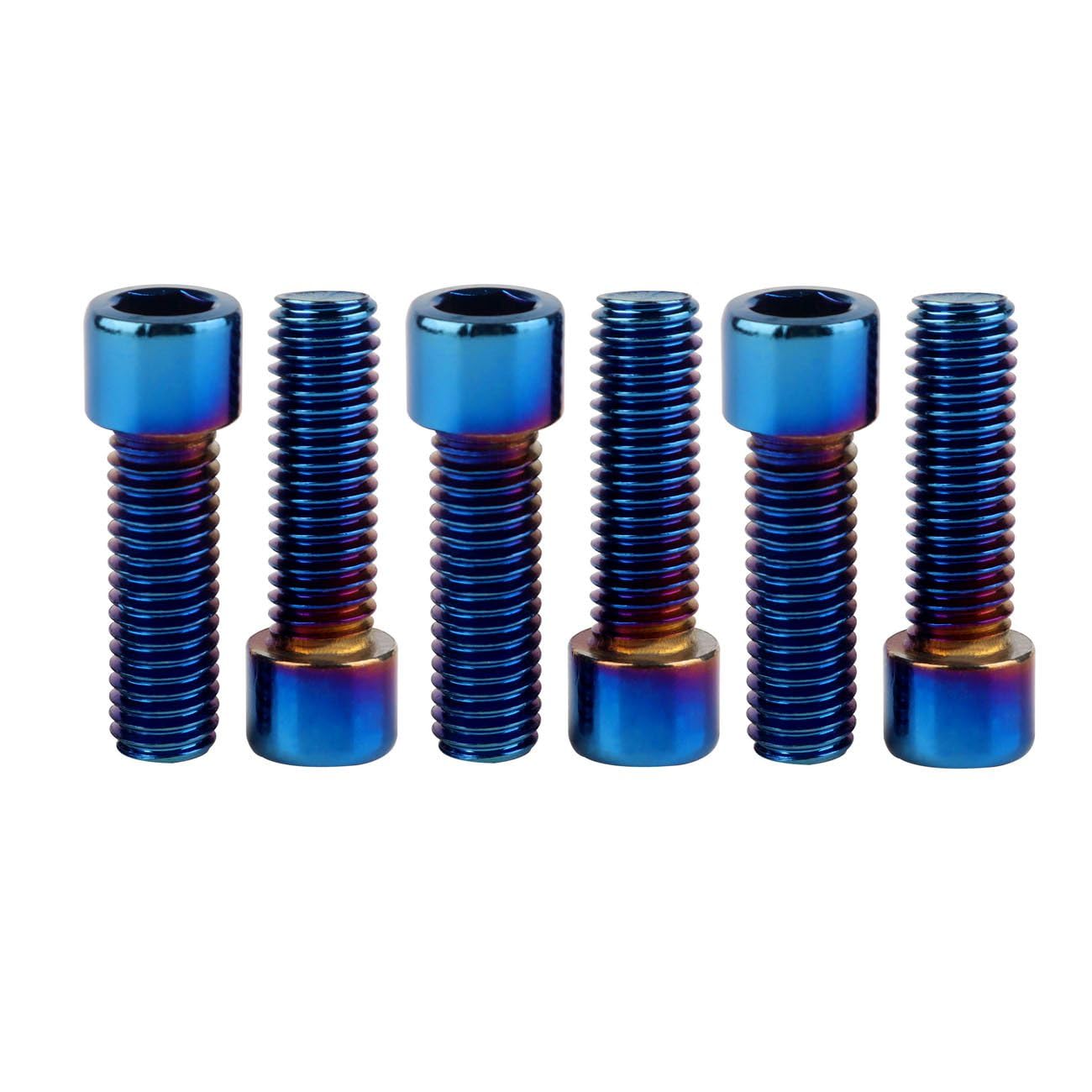
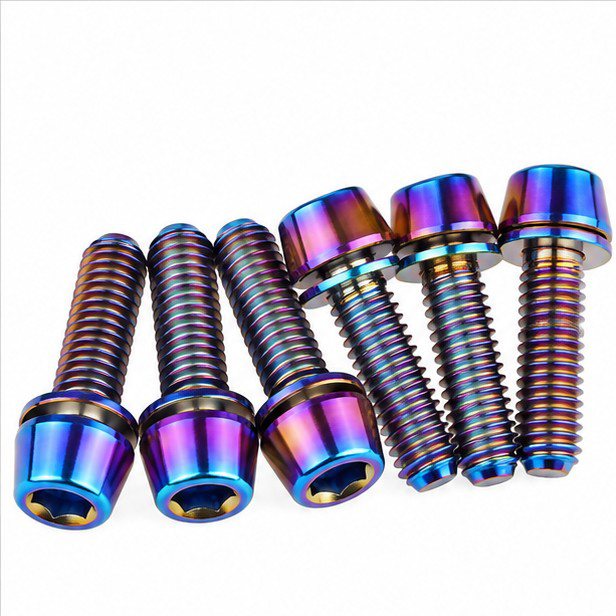
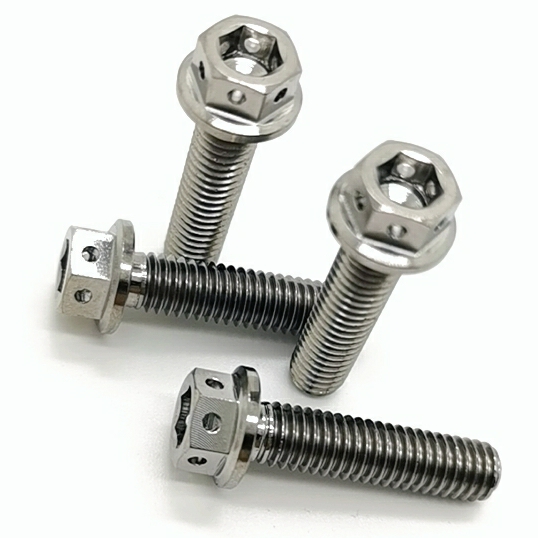
Whitepaper: Industrial Titanium Fastener Engineering & Sourcing Ecosystem
As performance automotive, motorsports, e-mobility, marine robotics, and aerospace industries demand higher power-to-weight ratios, the global supply chain for structural fasteners is undergoing a material-driven transition. Titanium fasteners—chiefly Ti-6Al-4V Grade 5 (UNS R56400) and Commercially Pure Grade 2 (UNS R50400)—have expanded from aerospace-exclusive niches into high-volume industrial supply agreements. Selecting the right factory requires navigating raw-material traceability, precision cold-heading vs. multi-axis CNC subtractive turn-milling, and advanced galvanic passivation.
Global Material Benchmark: Fastener Alloy Selection
Design engineers evaluating the transition from Class 8.8 / 10.9 structural steels or 316 stainless steel to titanium fasteners must evaluate both structural yield and weight characteristics:
| Mechanical Parameter | Gr2 Unalloyed (CP Titanium) | Gr5 (Ti-6Al-4V Annealed) | AISI 316 Stainless | Class 8.8 Structural Steel |
|---|---|---|---|---|
| Density (ρ) | 4.51 g/cm³ | 4.43 g/cm³ | 8.00 g/cm³ | 7.85 g/cm³ |
| Yield Strength (Rp0.2) | 275 - 450 MPa | ≥ 828 MPa | ≥ 220 MPa | ≥ 640 MPa |
| Ultimate Tensile (Rm) | ≥ 345 MPa | ≥ 895 MPa | ≥ 520 MPa | ≥ 800 MPa |
| Specific Strength (Rm/ρ) | 76.5 kN·m/kg | 202.0 kN·m/kg | 65.0 kN·m/kg | 101.9 kN·m/kg |
| Chloride Resistance | Immune (< 80°C) | Immune ambient / marine | Prone to pitting | Requires sacrificial coating |
Future Sourcing & Procurement Trends in Titanium Hardware
Enterprise buyers and hardware supply officers are adjusting procurement frameworks according to three structural market developments:
1. Hub-Sourced Sponge-to-Bolt Traceability
Buyers are shifting away from generalist metal trading intermediaries in favor of integrated source factories situated within certified processing belts like China's "Titanium Valley" in Baoji. Direct access to ASTM B348-certified bar stock eliminates secondary transport margins and provides melt-heat chemistry verification down to single-digit ppm levels for interstitial elements (C, O, N, H).
2. Precision Rolled vs. Cut Threads
For cyclic and dynamically loaded applications—such as unsprung automotive wheel lug bolts and motorcycle caliper anchors—procurement standards specify thread rolling post-machining. Rolling compresses grain boundaries along the thread contour, increasing fatigue cycle limits by 30% to 45% compared to single-point subtractive lathe turning.
3. Comprehensive DDP Modular Kit Supply
Purchasing units increasingly avoid bulk sorting overhead by requesting pre-packaged, multi-part BOM (Bill of Materials) fastener kits. Direct-to-assembly-line delivery with custom barcodes, laser-etched torque markings, and sealed anti-abrasion blister packing cuts factory assembly floor sorting times and mitigates thread scuffing during transit.
Top 10 Titanium Fastener Kits Factory & Supplier Landscape
When evaluating global supply channels, the following 10 supply profiles constitute the primary manufacturers and tier-one contract suppliers servicing the market:
- Baoji Precision Non-Ferrous Direct Hubs (e.g., Yevzo Titanium): Located in China's Titanium Valley, holding raw titanium bar inventory to produce custom CNC/rolled bolts with rapid turnaround.
- Aerospace Fastener Conglomerates (US/Europe): High-spec military/aerospace-certified suppliers handling AS9100 programs with lengthy production lead cycles.
- Specialist Motorsport Engineering Suppliers (UK/Germany): Dedicated tuning hardware suppliers producing race-calibrated chassis fasteners and drilled safety-wire fasteners.
- Baoji Integrated Titanium Auto Parts Plants: Specialized producers of grade 5 wheel lug hardware and high-precision titanium studs for exotic automotive platforms.
- Nordic Marine Hardware Contract Machine Shops: Focused on Gr2 unalloyed saltwater marine fasteners, pump impellers, and underwater fastening assemblies.
- Precision Bicycle Component Factories (Taiwan/East Asia): Specialized in lightweight hollow-head, Torx T25/T30, and micro-metric DIN bolts for carbon cycling components.
- Medical Fixation Implant Manufacturers (Switzerland/Japan): ASTM F136 ELI (Extra Low Interstitial) specialist facilities delivering surgical-grade bone fixation screws.
- Industrial Chemical Equipment Fastener Suppliers: High-volume suppliers of large-diameter Gr2/Gr7/Gr12 hex bolts for industrial autoclaves and desulfurization plants.
- Custom Motorcycle Tuning Fabricators (US/Japan): Boutique and contract manufacturers focusing on Torx-drive, tapered socket caps, and Burnt-Blue PVD titanium finishes.
- Turnkey Multi-Axis Contract CNC Machine Shops: General contract manufacturers executing low-volume, drawing-based titanium milling and threading for bespoke machinery.
Factory Edge: Direct Manufacturing Advantage
Headquartered in the Honeycomb Industrial Park, High-Tech Development Zone, Baoji, Shaanxi, China, our facility leverages regional production capabilities established since 2013 to lower direct component acquisition costs:
Raw Material Integration
Factory-direct sourcing of ASTM B348 Gr1, Gr2, Gr5, and Gr12 bar stock guarantees heat-lot chemical traceability from sponge ingot to packed fasteners.
100+ CNC Units
Equipped with 3-axis, 4-axis, and multi-spindle turn-milling centers producing metric (M3–M24) and unified (UNC/UNF) threads to Class 6g/6H tolerances.
Independent Verification
Onsite-checked facilities supporting optical profiling, helium leak detection, micro-hardness testing, and complete EN 10204 3.1 mill test reporting.
Rapid Prototyping & MOQ
Flexible low MOQs (10 to 30 pcs on catalog bolts; 100 to 200 pcs on custom CNC items), with standard sample turnarounds in 3 to 7 working days.
Procurement FAQ: Engineering Guidance for B2B Sourcing
How do we prevent galling (cold-welding) during titanium fastener installation?
Due to titanium's spontaneous oxide film, galling can occur under sustained thread contact friction. We recommend applying anti-seize paste (containing molybdenum disulfide MoS2 or copper flakes) on threads during assembly. Alternatively, specify physical vapor deposition (PVD) DLC, or micro-arc oxidation coatings on the thread surfaces. Always torque bolts with calibrated manual torque tools rather than continuous-impact pneumatic drivers.
How should galvanic corrosion risks be addressed when joining titanium to aluminum?
Titanium has a significantly higher noble electrical potential than aluminum. In conductive or saltwater environments, the aluminum substrate acts as an anode and may corrode over time. To prevent this, design assemblies with non-conductive dielectric washers (such as PTFE or PEEK), specify insulating sealants, or utilize cadmium-free barrier primers at structural interface zones.
What surface finishing options are available and do they affect thread pitch tolerances?
We provide raw machined, hand-buffed mirror polished, electrochemical anodization (gold, blue, purple, green, rose, and burnt-blue), and high-hardness PVD coatings (nitride gold, titanium black). Standard electrochemical anodization changes the refractive index through an ultra-thin oxide film (< 200 nm), leaving 6g/6H thread pitch tolerances completely unaffected.
What international logistics and commercial settlement terms are available?
We accommodate Incoterms including EXW, FCA, FOB, CFR, CIF, CPT, and door-to-door delivery with duties paid (DDP). Accepted payment options include T/T wire transfer, L/C, D/P, PayPal, Western Union, and Escrow across multiple currencies (USD, EUR, GBP, JPY, CAD, AUD, and CNY).
Connect Directly With Our Engineering Department
Submit your 2D/3D component drawings (PDF, STEP, DWG) or specification targets to receive a production quote and factory turnaround evaluation.
Inquire Now