Direct Factory Custom Fastener Catalog
Engineered from virgin aerospace-grade ASTM B348 Grade 5 (Ti-6Al-4V) and commercially pure Grade 2 titanium ingots. Every fastener undergoes roll threading and multi-axis CNC surface machining to ensure micro-crack-free roots and extreme resistance to mechanical shearing.
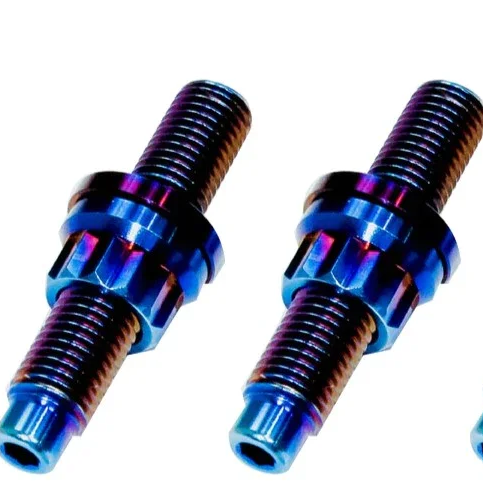
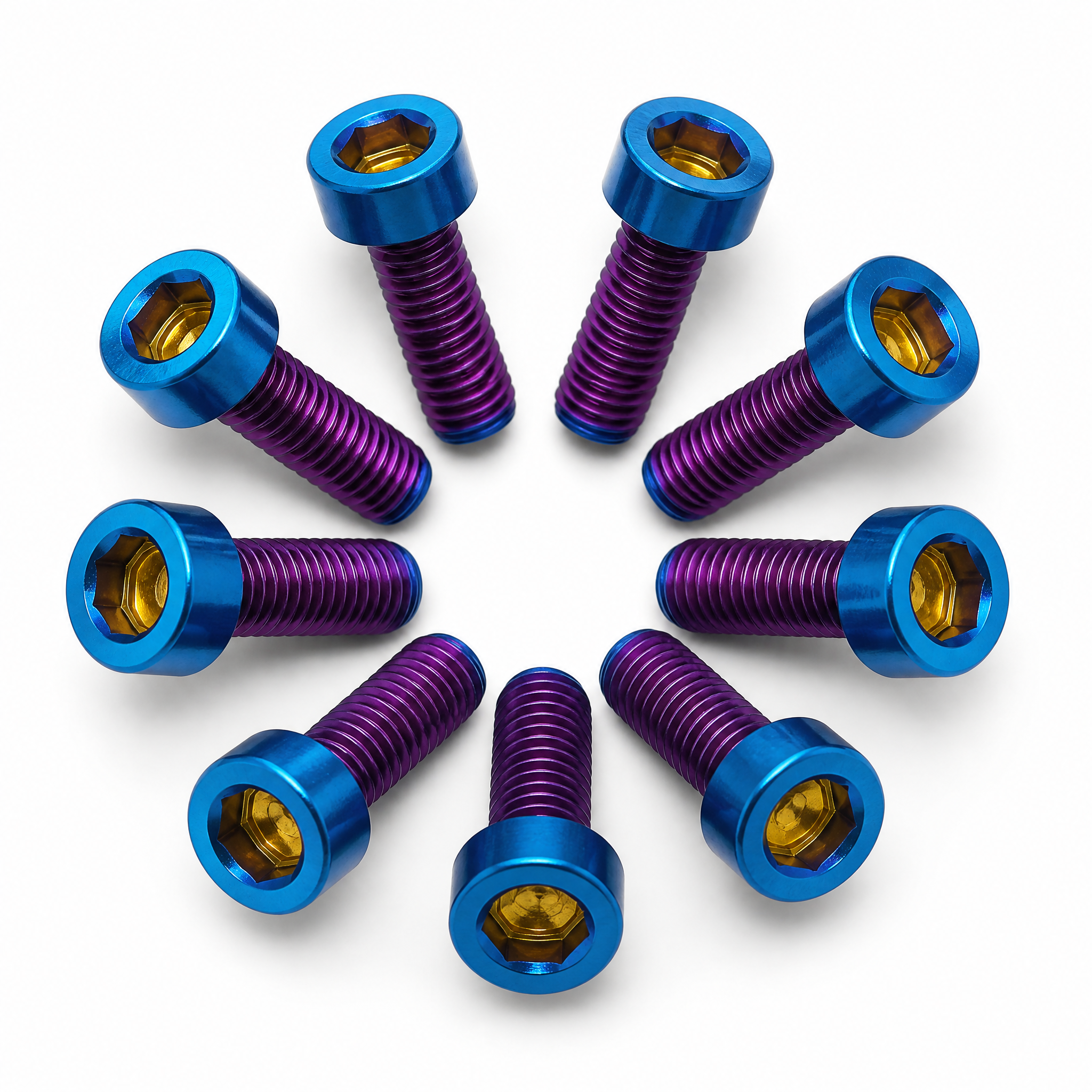
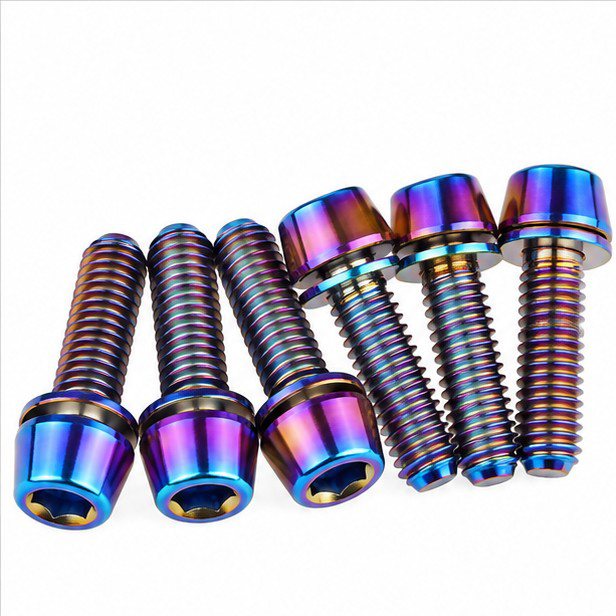
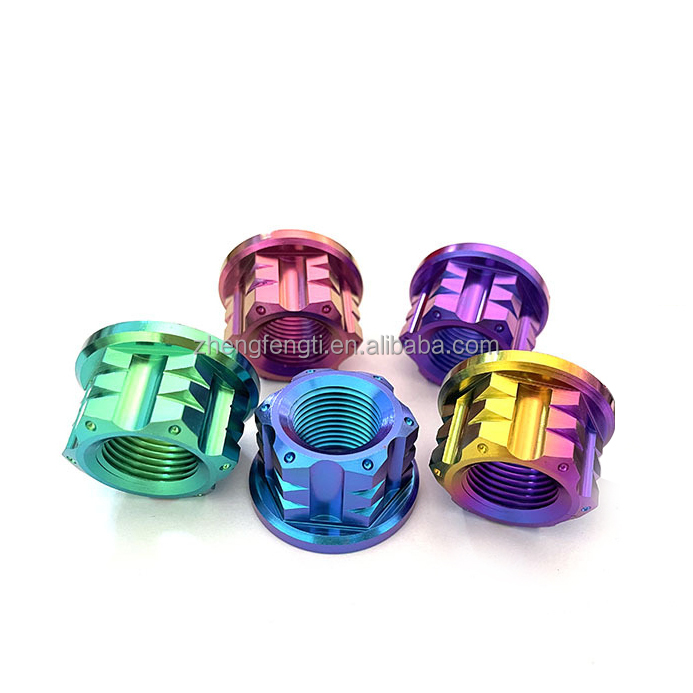
State of Global Custom Titanium Fastener Manufacturing
Precision fastening systems engineered from titanium alloys have transitioned from niche aerospace and military hardware into pivotal structural elements across hypercar manufacturing, elite e-mobility, performance motorsports, subsea oil and gas valves, and surgical bio-implants. The metallurgical convergence of high specific strength (strength-to-weight ratio), natural biopassivity through titanium dioxide (TiO2) self-healing surface films, and extreme galvanic endurance makes titanium the ultimate upgrade over alloy steels, duplex stainless steels, and 7075-T6 aluminum alloys.
Selecting an OEM/ODM titanium manufacturer requires deep scrutiny beyond superficial surface aesthetics. Because titanium features low thermal conductivity (approx. 6.7 W/m·K for Ti-6Al-4V versus 50 W/m·K for standard carbon steels) and high chemical reactivity at elevated cutting temperatures, machining titanium fasteners demands rigorous feed-rate calibration, high-pressure cryogenic cooling systems, and specialized tool geometries. Cutting threads with standard dies introduces severe micro-notching and burrs, catastrophic failure points under dynamic cyclic fatigue. World-class manufacturers utilize CNC cold-forming or warm roll-threading below the beta transus temperature (around 995°C) to guarantee continuous grain flow across the root diameter.
Engineering Rule of Thumb: When upgrading load-bearing fasteners from Grade 8.8 or Grade 10.9 structural steels to Grade 5 Titanium (Ti-6Al-4V, UNS R56400), an immediate 44% mass reduction is achieved while preserving a minimum yield strength of 828 MPa and ultimate tensile strength exceeding 895 MPa, maintaining an endurance ratio (fatigue limit / tensile strength) above 0.50.
Comprehensive Evaluation: Top 10 Titanium Fasteners Manufacturers & Suppliers
The following vendor comparative matrix provides B2B buyers, procurement executives, and mechanical design engineers with objective benchmarks across process capability, quality compliance, geographical location, and delivery lead times.
| Manufacturer / Brand | Origin / Hub | Primary Standards | Core Specialization | Machining & Cold Heading Capacity | Lead Time & MOQ |
|---|---|---|---|---|---|
| Yevzo Titanium Metal Co., Ltd. | Baoji, China (Titanium Valley) | ISO 9001, ASTM B348, DIN, ISO | Custom Motorsport, Auto Hub Bolts, OEM/ODM Fasteners | 100+ CNC Units, Precision Turning, Roll Threading | 10-20 pcs MOQ; Fast Express 3-7 Days |
| LISI Aerospace | Paris, France | AS9100, EN 9100, NADCAP | Commercial Aviation, Defence Airframe Rivets & Bolts | Industrial Warm-Heading & Automated Thread Rolling | Enterprise Long-term Agreements (LTA) |
| Howmet Fastening Systems (Alcoa) | Torrance, CA, USA | MIL-SPEC, NAS, AS9100 | Huck Bolting Systems, Blind Fasteners, High Shear | Mass Forging, High-Volume Aerospace Automated Lines | High MOQ; Tier-1 Supply Chains |
| Baoji Titanium Industry Co., Ltd. (Baoti) | Baoji, China | GB/T, ASTM, AMS, ISO | Raw Titanium Ingot, Bar Stock & Heavy Fastener Rods | Smelting, Vacuum Arc Remelting, Heavy Forging | Bulk Raw Materials & Large Turnkey Batches |
| Poggipolini S.p.A. | San Lazzaro, Italy | ISO 9001, AS9100 | Formula 1, MotoGP, Hypercar Caliper & Suspension Hardware | 5-Axis High-Precision Machining, Custom Cold Forming | Custom Batch; Precision Racing Protocols |
| B&B Specialities, Inc. | Anaheim, CA, USA | MS, NAS, AN Standard | Modified Drive Styles, Aerospace Ti Engine Screws | Hot/Cold Heading, Secondary Centerless Grinding | Medium to High MOQs; Standard Aerospace Quoting |
| Tifosi Titanium Parts | Biel, Switzerland | ISO Metrics, DIN Standards | Elite Cycling, Luxury Horology & Custom Instrumentation | Micro-Swiss CNC Turning Centers, Fine Metrology | Niche Small-Batch Production |
| SuperAlloy Industrial Co., Ltd. | Yunlin, Taiwan | IATF 16949, ISO 9001 | Automotive Forged Lug Nuts, Wheel Fastening Assemblies | Automated Forging & Robotic Multi-Station Cells | Container Volumes; Automotive Tier-1 |
| Precision Castparts Corp. (SPS Fasteners) | Jenkintown, PA, USA | NASM, AS9100, Nadcap | Ultra-High Fatigue Structural Titanium Bolts | Integrated Vacuum Heat Treatment & Roll Threading | Strict OEM Aerospace Contracts Only |
| MW Industries (RAF Electronic Hardware) | Seymour, CT, USA | RoHS, REACH, ISO 9001 | Electronic Precision Stand-offs, Titanium Spacers | Rapid Screw Machining, Swiss Turning | Standard Distribution Stock / Custom Prototypes |
Future Procurement & Manufacturing Trends (2025–2030)
Global supply chain disruptions and stringent weight-reduction mandates across automotive electrification and commercial spaceflight are driving fundamental transformations in titanium fastener fabrication and supply chain dynamics.
Additive + Subtractive Hybrid Manufacturing
Direct Metal Laser Sintering (DMLS) and Electron Beam Melting (EBM) of Grade 23 (Ti-6Al-4V ELI) allow topological optimization of fastener heads with hollowed core geometries, reducing weight by an additional 18% before CNC machining final precision threads.
Advanced PVD & DLC Anti-Galling Coatings
Physical Vapor Deposition (PVD) and Diamond-Like Carbon (DLC) coatings have emerged as standard practice to conquer titanium's historical Achilles heel: galling and cold-welding during automated high-speed torque installation in factory assembly lines.
EV Unsprung Mass Optimization
Battery Electric Vehicle (BEV) engineers face severe curb weight penalties. Migrating wheel hubs, subframe pins, and brake caliper bolts from alloy steel to Gr5 titanium directly cuts rotational inertia and unsprung mass, translating into improved range efficiency and damper responsiveness.
Closed-Loop Sustainable Scrap Recycling
Global aerospace primes demand strict ESG compliance. Modern facilities now recycle 100% of solid titanium CNC swarf and turnings via Vacuum Arc Remelting (VAR) loops, slashing the embodied carbon footprint of custom fasteners by over 38%.
Digital Mill Test Certification & Heat Traceability
Manual paperwork is obsolete. Leading procurement platforms enforce digital Mill Test Certificates (MTC EN 10204 3.1) linked via laser-engraved 2D DataMatrix codes on fastener heads, displaying chemical spectrometry and Charpy impact values instantly to field inspectors.
Near-Net-Shape Warm Rolling Integration
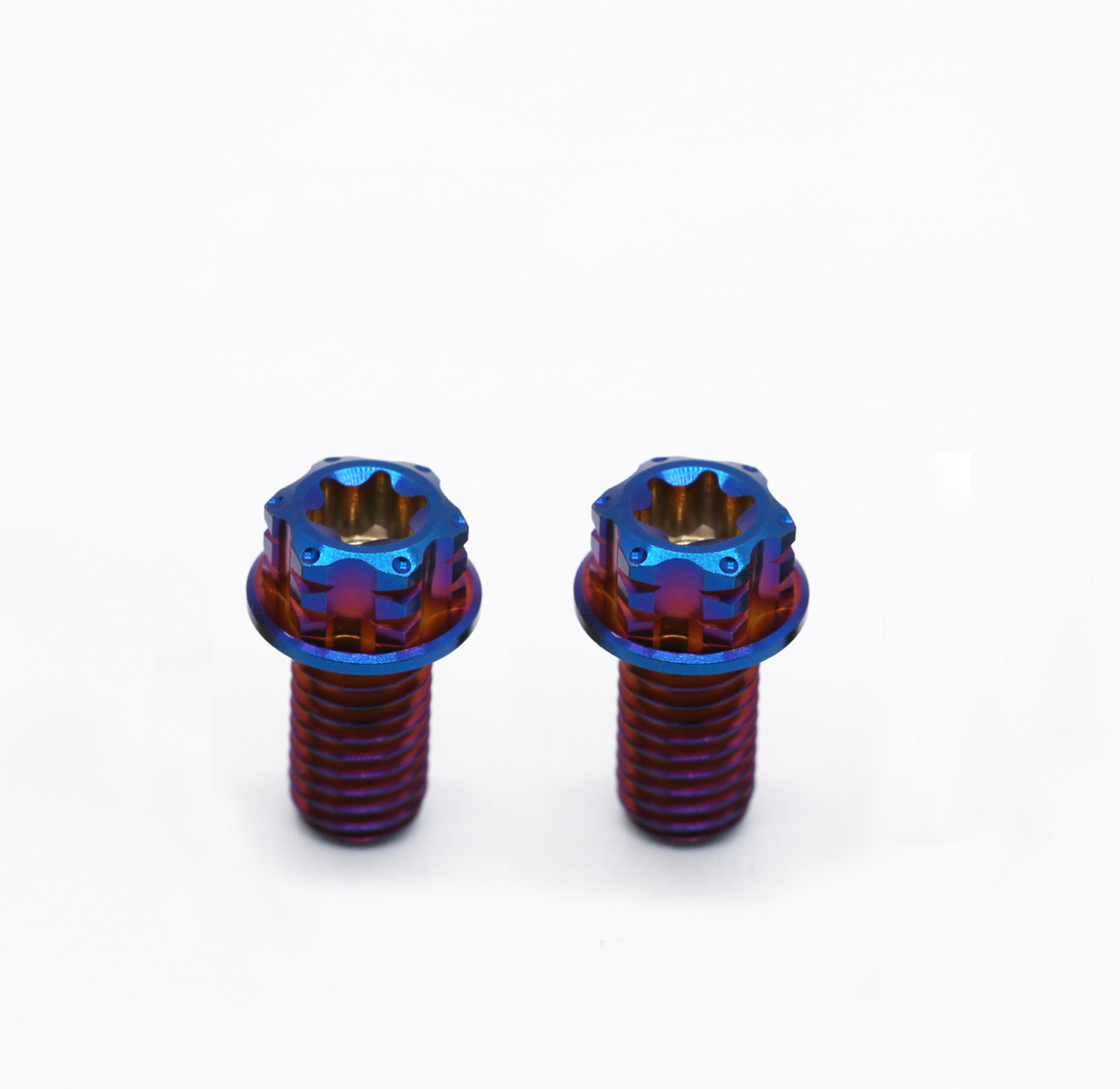
To eliminate scrap loss caused by subtractive bar peeling, modern factories utilize automated multi-station warm headers operating between 650°C and 750°C, achieving precision DIN 6921 flange profiles with zero material waste and superior shear strength.
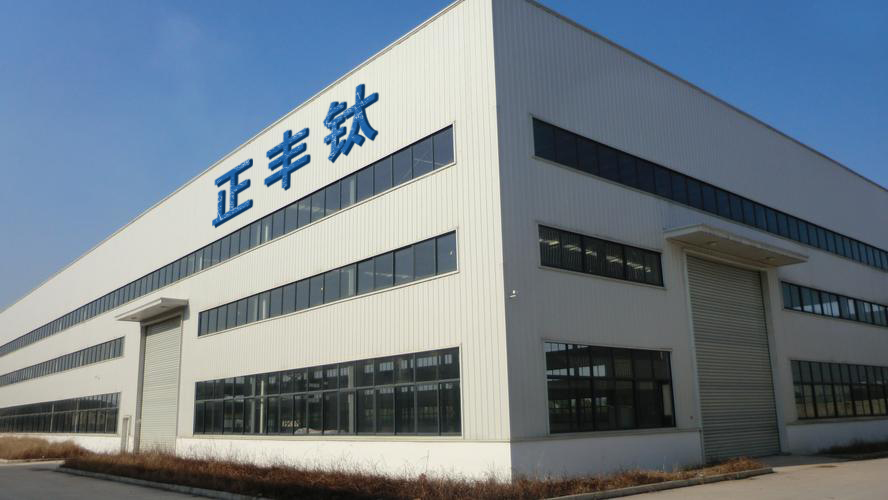
Factory-Direct Manufacturing: Yevzo Titanium Metal Co., Ltd.
Operating continuously since 2013 from the heart of Baoji High-Tech Development Zone ("China's Titanium Valley"), Yevzo Titanium eliminates broker markups, long lead times, and communication gaps for global industrial clients. By maintaining end-to-end control from certified ASTM B348 bar inspection to five-axis CNC finishing, we provide uncompromised structural integrity at direct-factory economies.
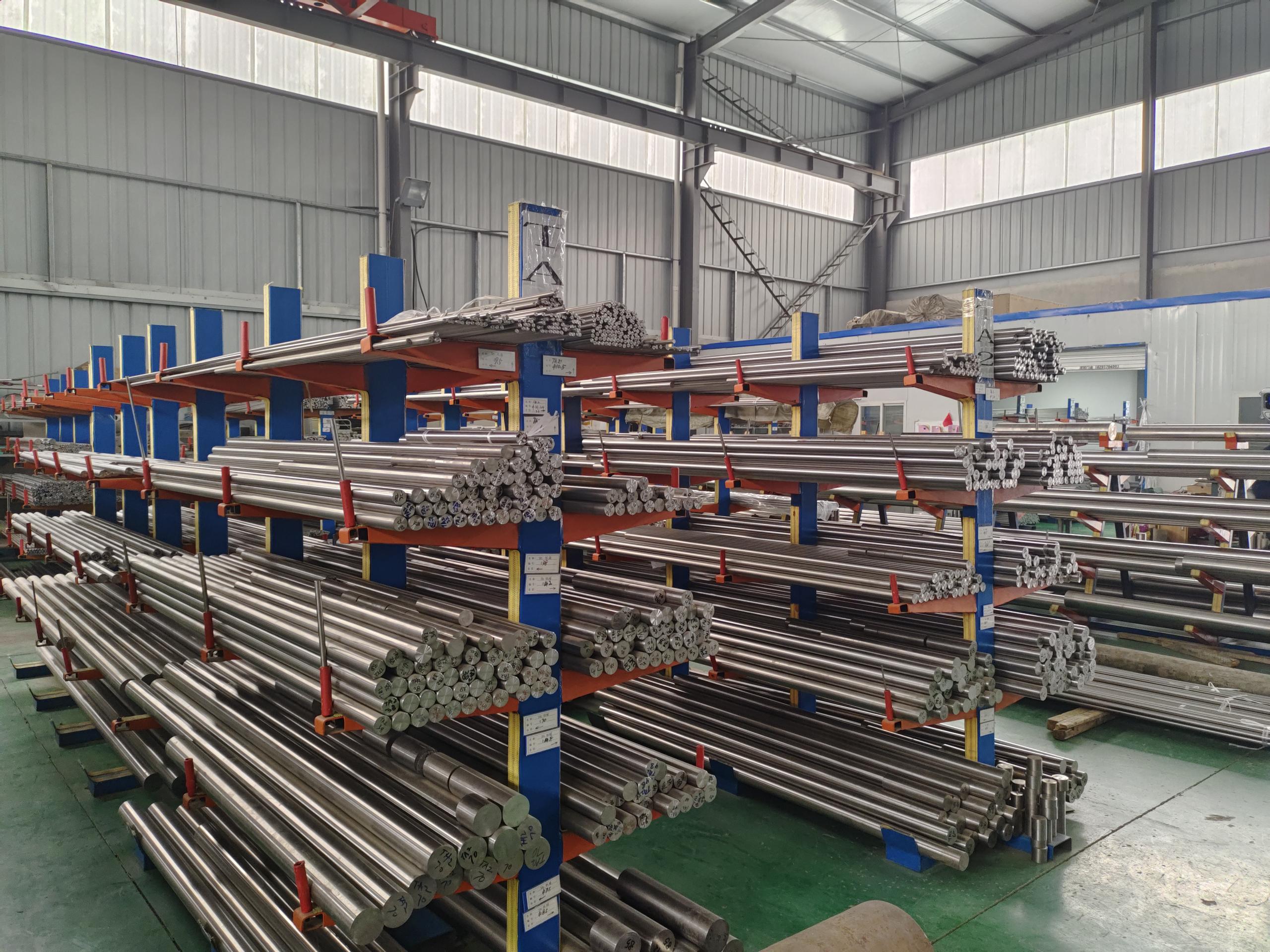
- ✓ Raw Material Advantage: Immediate proximity to primary sponge and ingot processors enables full heat-number traceability and raw titanium stock reserves of over 300 metric tons.
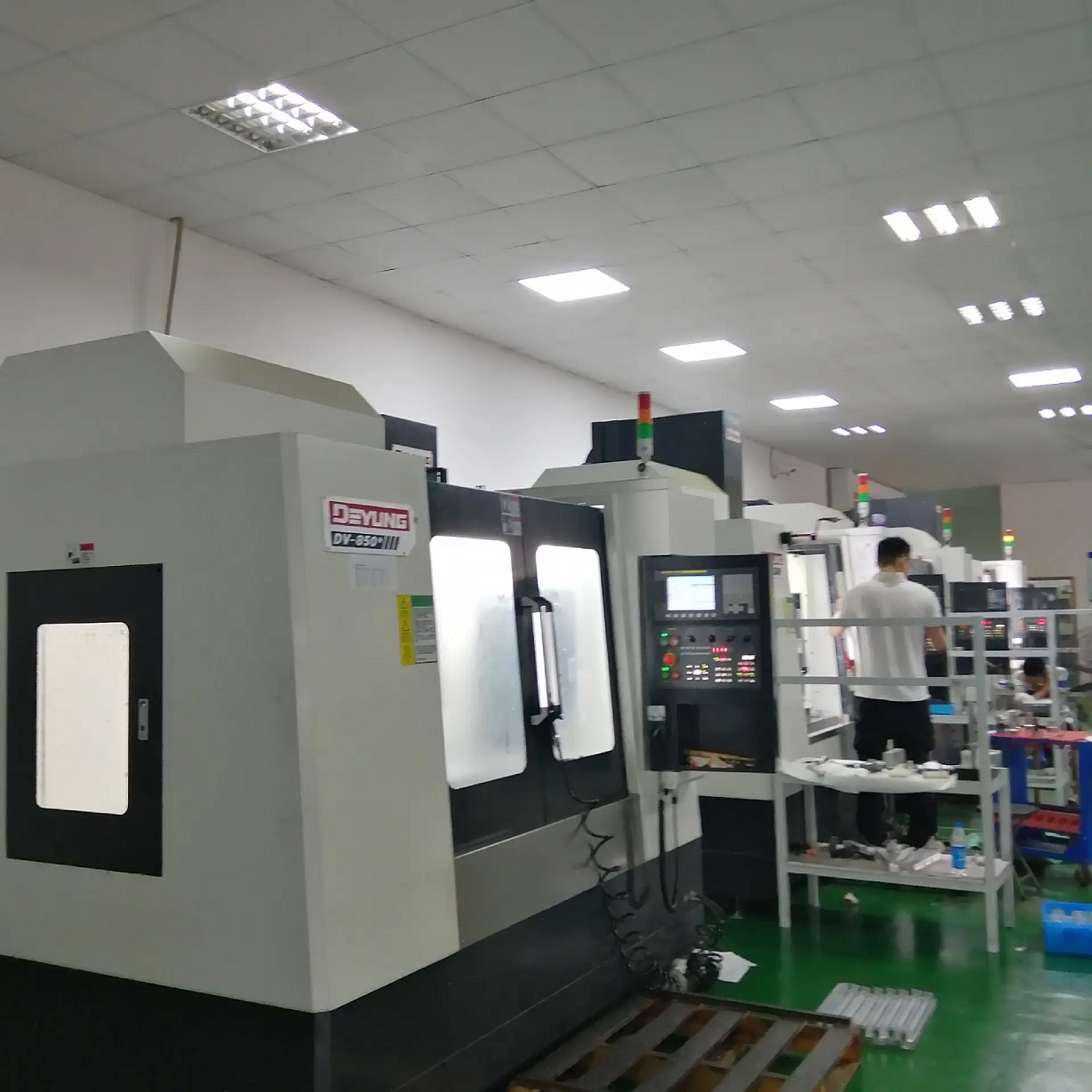
- ✓ Machining Fleet: Over 100 production machines, including high-speed Swiss-type lathes, 3-axis & 4-axis CNC centers, dedicated thread roll formers, and automated optical sorting systems.
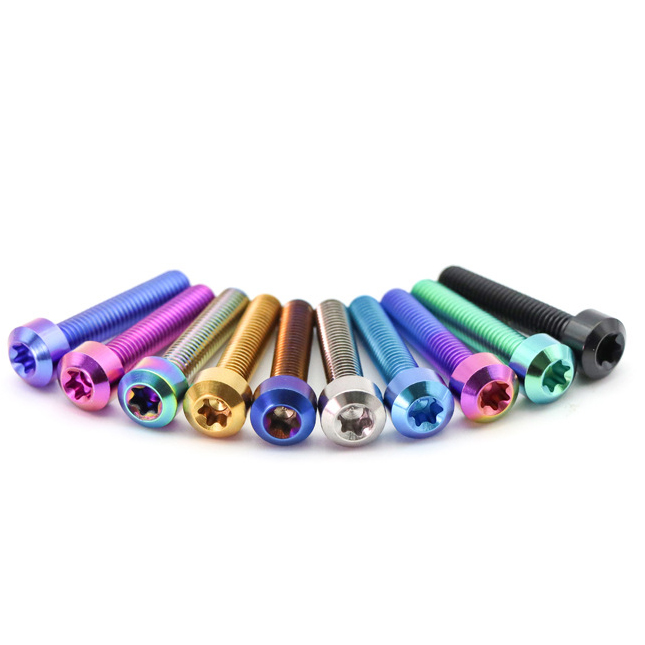
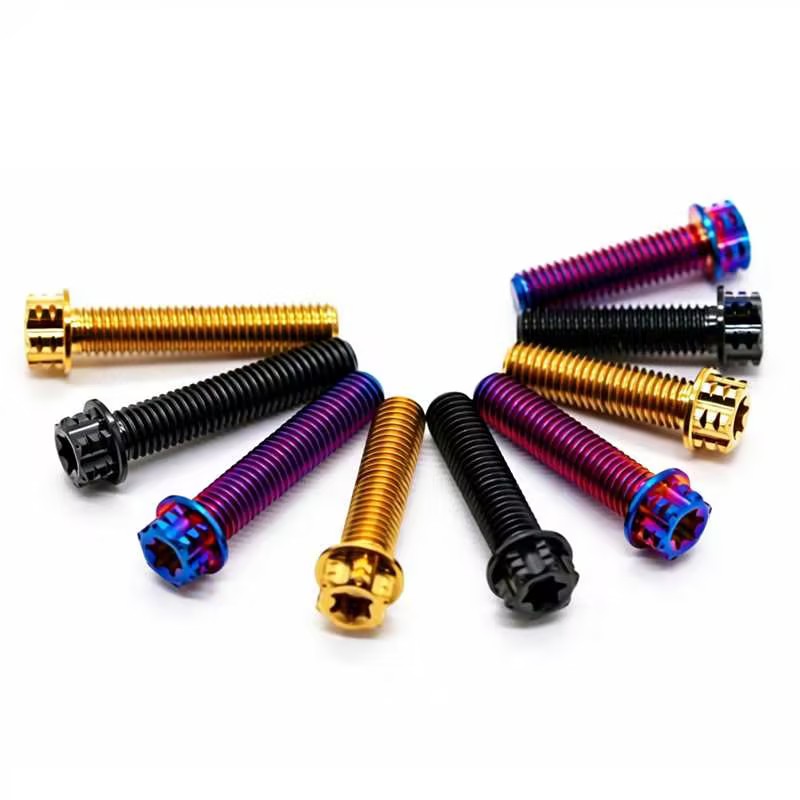
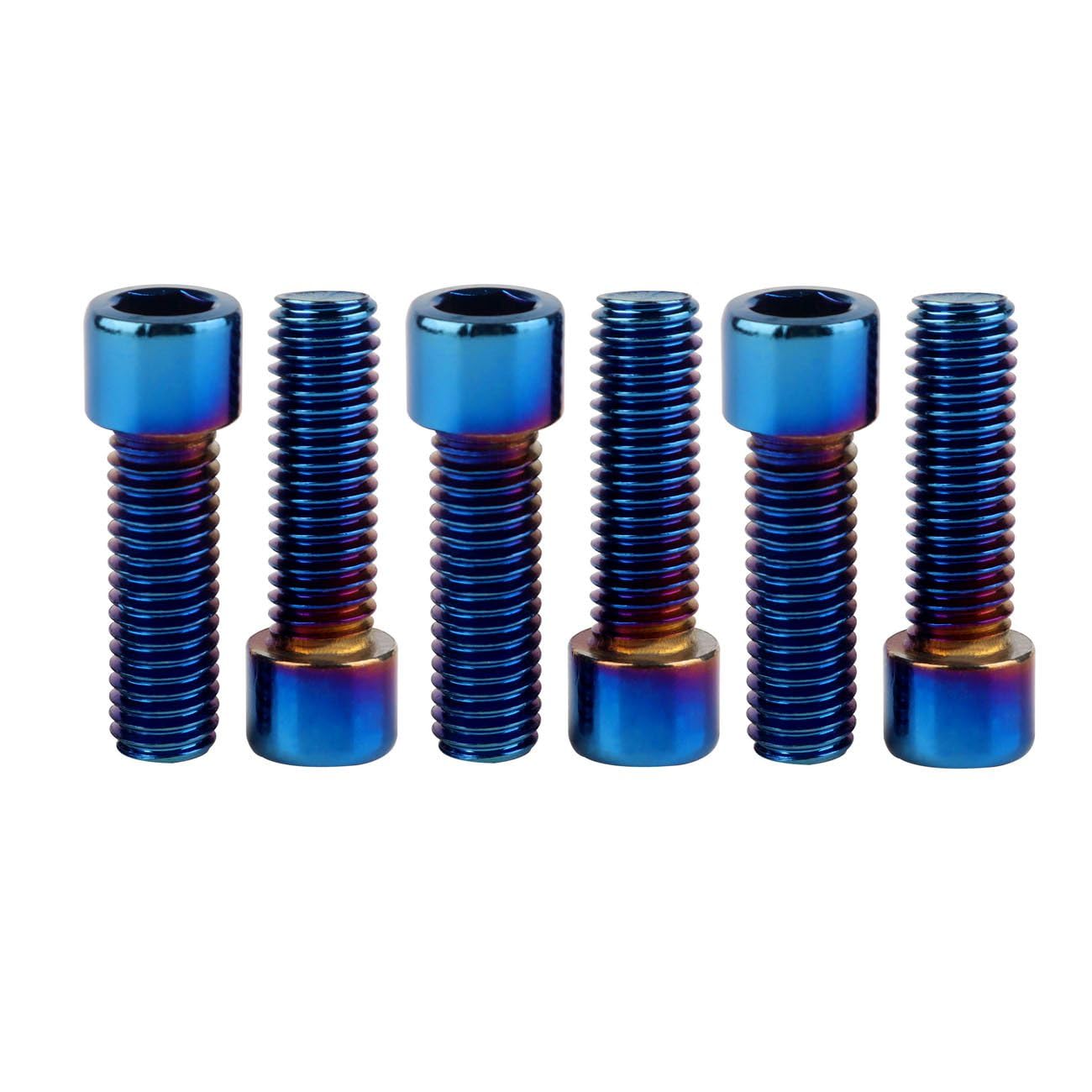
- ✓ Full Surface Treatment Suite: In-house ultrasonic degreasing, electrolytic multi-color anodizing (gold, burnt blue, emerald green, violet, rainbow), PVD nitride coatings, and mirror hand-polishing.
- ✓ Engineering Flexibility: Rapid quoting on customized drawings (STEP, IGES, DWG, PDF). Low MOQ barrier for bespoke prototypes (from 10-30 pcs) scaling seamlessly to 500,000+ unit production runs.

Custom Titanium Fasteners Procurement FAQ
Critical technical inquiries addressed by metallurgical specialists and senior application engineers to streamline your sourcing workflow.
Q1: How does Grade 5 (Ti-6Al-4V) compare with Grade 2 Commercial Titanium in fastener applications?
Grade 2 is commercially pure (CP) alpha-phase titanium offering outstanding cold formability and exceptional resistance against chemical corrosion, seawater, and oxidizers, but its yield strength is modest (~275 MPa) with tensile strength around 345 MPa. It is restricted to non-structural or light chemical mounting hardware.
Grade 5 (Ti-6Al-4V, UNS R56400) is an alpha-beta duplex alloy containing 6% aluminum and 4% vanadium. Heat-treated and aged Gr5 reaches a minimum tensile strength of 895 MPa and yield strength of 828 MPa, making it structurally equivalent to Grade 8.8 or Grade 10.9 high-tensile steel while weighing 44% less. Grade 5 is mandatory for automotive wheel hubs, motorcycle calipers, exhaust systems, and structural airframe joints.
Q2: What design measures eliminate galling (cold-welding) in titanium fasteners?
Galling occurs because titanium reacts with air to build an ultra-thin oxide layer. Under heavy contact pressure and friction during torque application, this film breaks down, causing direct bare-metal contact and micro-welding between male and female threads. To mitigate galling:
- Always apply an anti-seize paste based on copper, molybdenum disulfide (MoS2), or fluoropolymers before tightening.
- Specify rolled threads instead of cut threads, as rolled root radii provide a smoother micro-inch surface finish (Ra ≤ 0.4 μm).
- Employ surface treatments such as physical vapor deposition (TiN or DLC) or hard micro-arc oxidation to elevate surface hardness above 60 HRC.
- Mate titanium male threads into bronze, brass, or stainless steel inserts when repeated field service is anticipated.
Q3: Can titanium bolts cause galvanic corrosion when fastened into aluminum or magnesium components?
Yes. Titanium sits on the noble (cathodic) end of the galvanic series (-0.05V vs SCE), while aluminum alloys (such as 6061-T6, -0.79V) and magnesium (-1.60V) are highly active anodes. If an electrolyte (e.g., road salt spray or brackish water) connects both metals, accelerated galvanic corrosion of the aluminum host component will occur.
To prevent this, engineers should specify non-conductive dielectric washers (PTFE, PEEK, or nylon), anodize or coat the aluminum component, or apply an isolating zinc-nickel or ceramic barrier coat to the fastener clamping interface.
Q4: Why are rolled threads superior to CNC cut threads for dynamic high-fatigue joints?
Machining threads via single-point CNC tooling cuts directly across the internal grain structure of the titanium bar, leaving microscopic notch tears, tool chatter marks, and tensile residual stresses at the thread root. When subjected to repetitive cyclic loading (such as engine vibrations or suspension impacts), fatigue cracks initiate at these notches.
Roll threading plastically deforms the material between hardened dies, burnishing the thread flank and root while preserving uninterrupted grain flow along the profile. This induces beneficial compressive residual stresses that increase fatigue endurance limits by 30% to 50%.
Q5: What are standard torque values for Grade 5 Titanium bolts compared to steel fasteners?
Because the elastic modulus (Young's Modulus) of Grade 5 titanium is roughly 114 GPa—almost half that of steel (206 GPa)—a titanium bolt stretches twice as much as a steel bolt under the same clamp preload. Additionally, the friction coefficient of dry titanium is higher.
As a rule of thumb, lubricated Gr5 titanium bolts should be tightened to approximately 80% to 85% of the torque specified for an ISO Grade 8.8 steel fastener of identical diameter. Over-torquing can lead to joint relaxation or severe thread stripping. Always use a calibrated torque wrench and follow manufacturer torque specifications.
Q6: Does decorative anodizing alter thread pitch dimensions or torque performance?
Unlike aluminum anodizing (which builds a thick sacrificial oxide layer of 10 to 25 microns), titanium anodizing is an electrochemical passivation process that grows a transparent titanium oxide film measuring between 20 and 300 nanometers. The observed colors (gold, blue, purple, magenta) are optical interference wavelengths, not dyed pigments.
Because the coating thickness is sub-micron, it has zero impact on thread fit classes (such as 6g/6H tolerances) and does not require pre-machining pitch compensation. However, for extreme anti-wear requirements, functional PVD (titanium nitride) or carbon vapor coatings are recommended over standard decorative anodizing.