Engineered Fastening Solutions: Featured Titanium Portfolio
Precision CNC-turned and thread-rolled screws conforming to DIN, ISO, and custom drawing profiles. Sourced directly from our Baoji production facility.
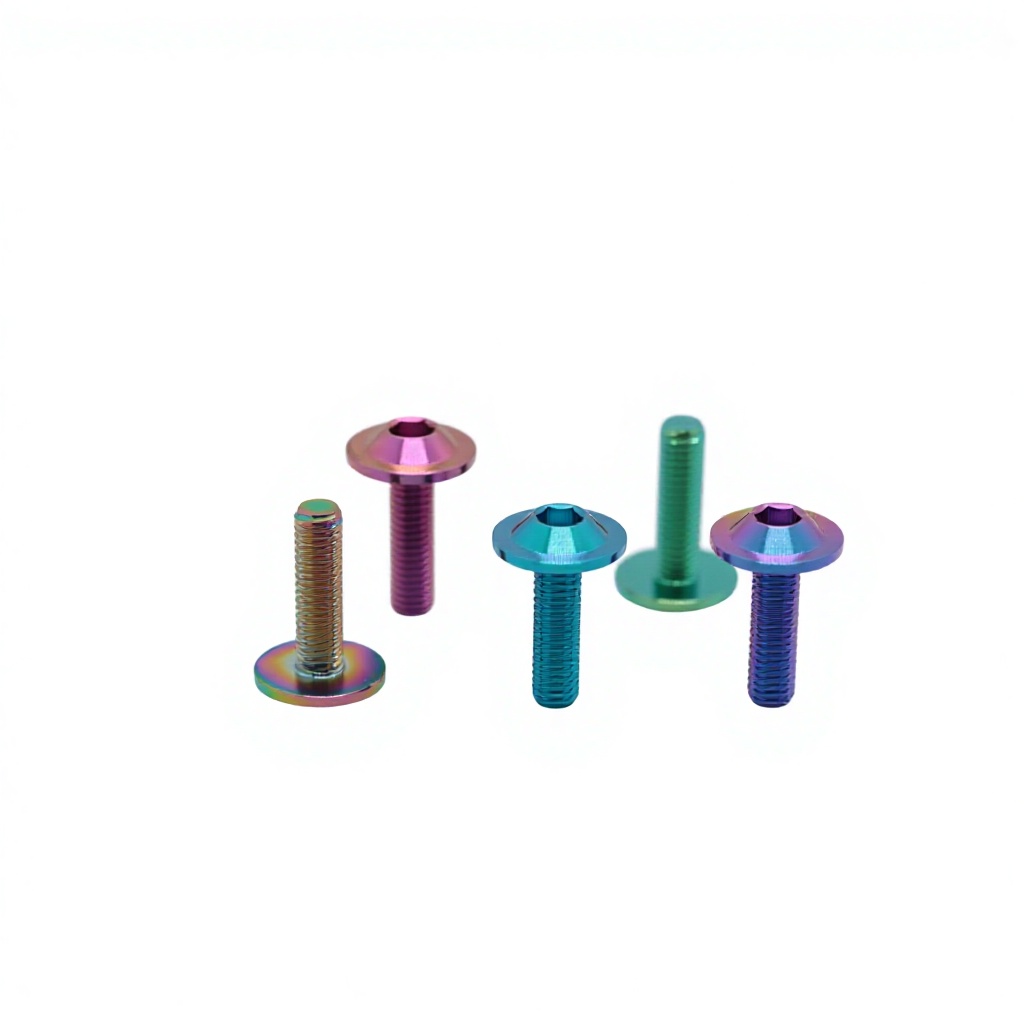
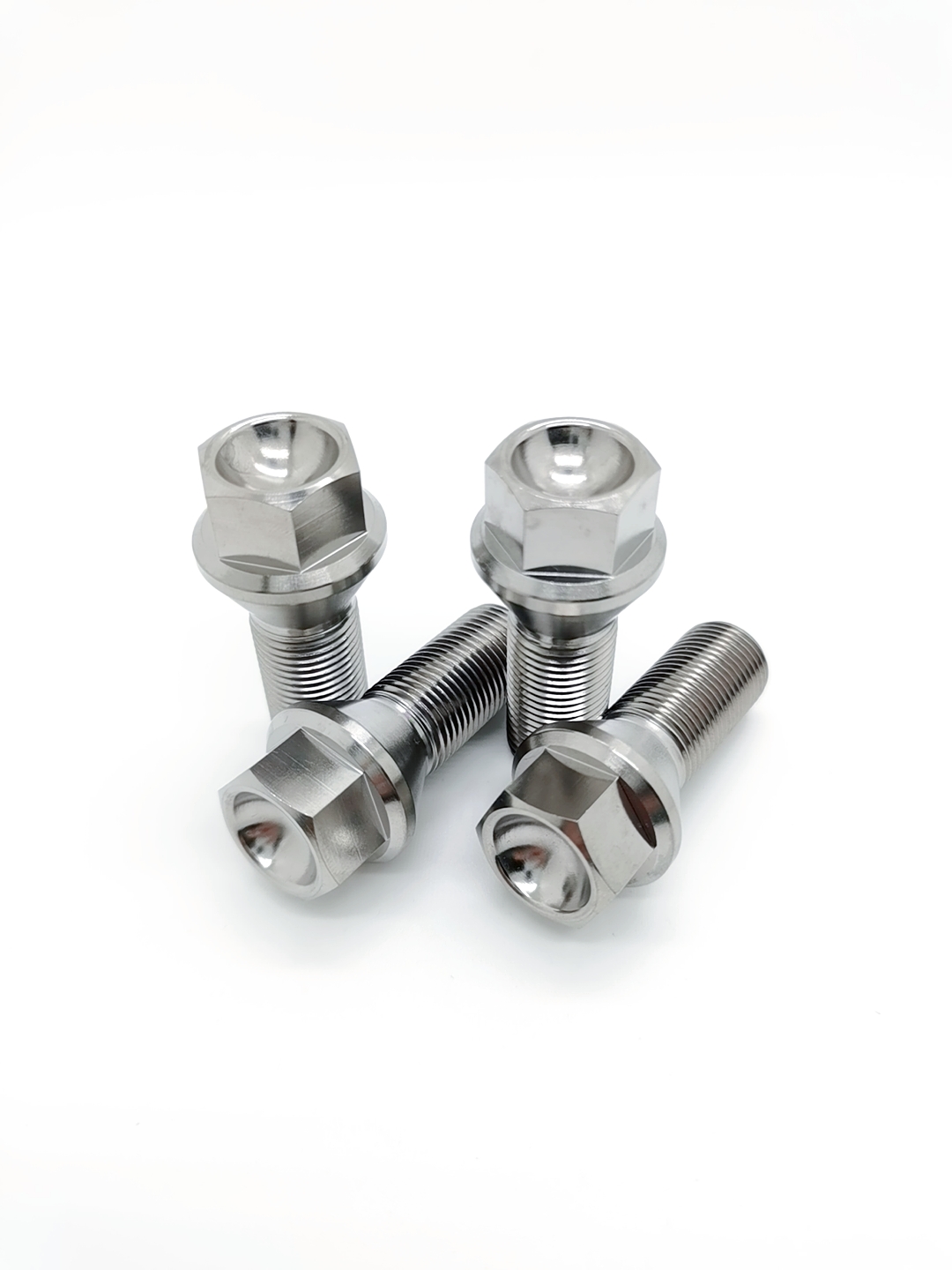
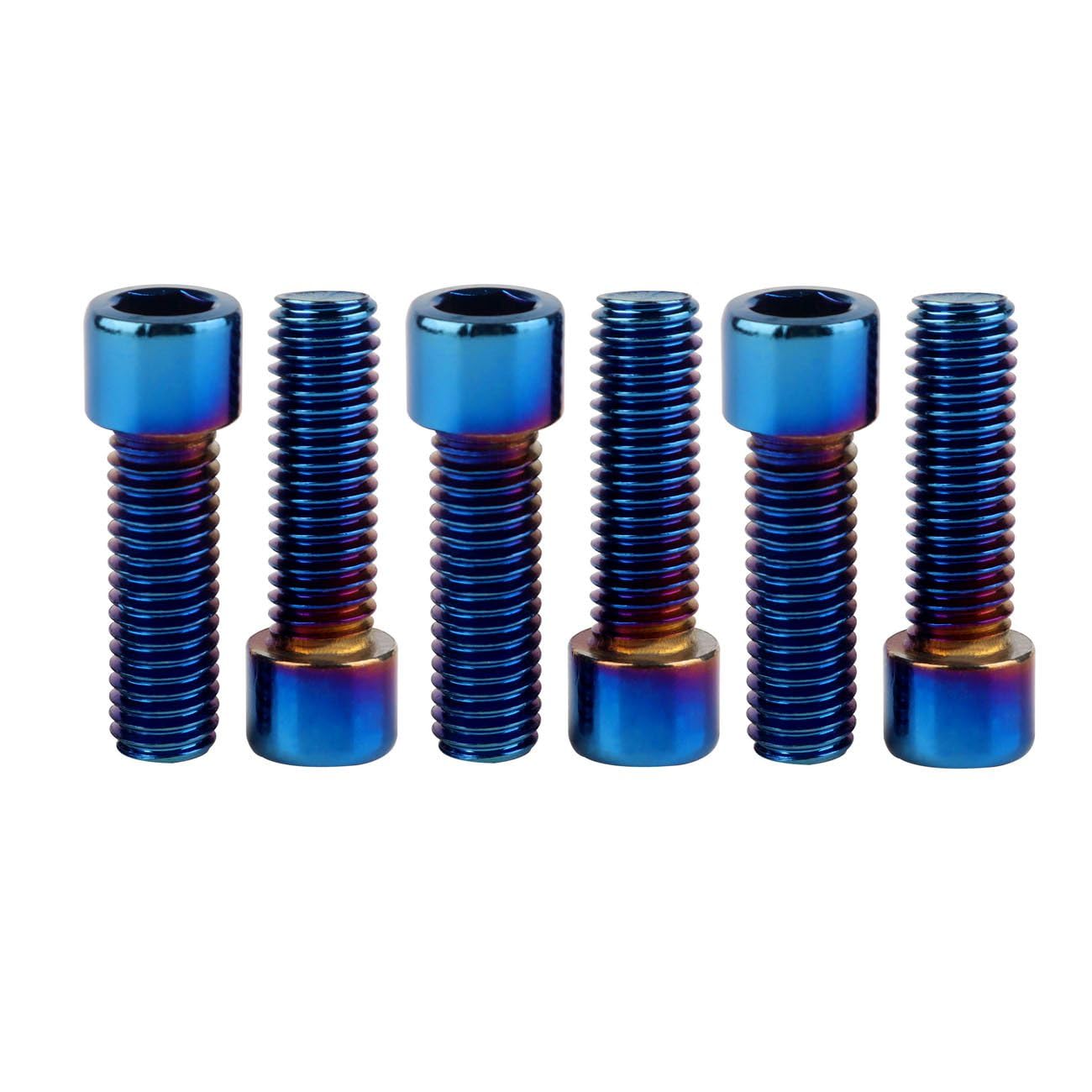
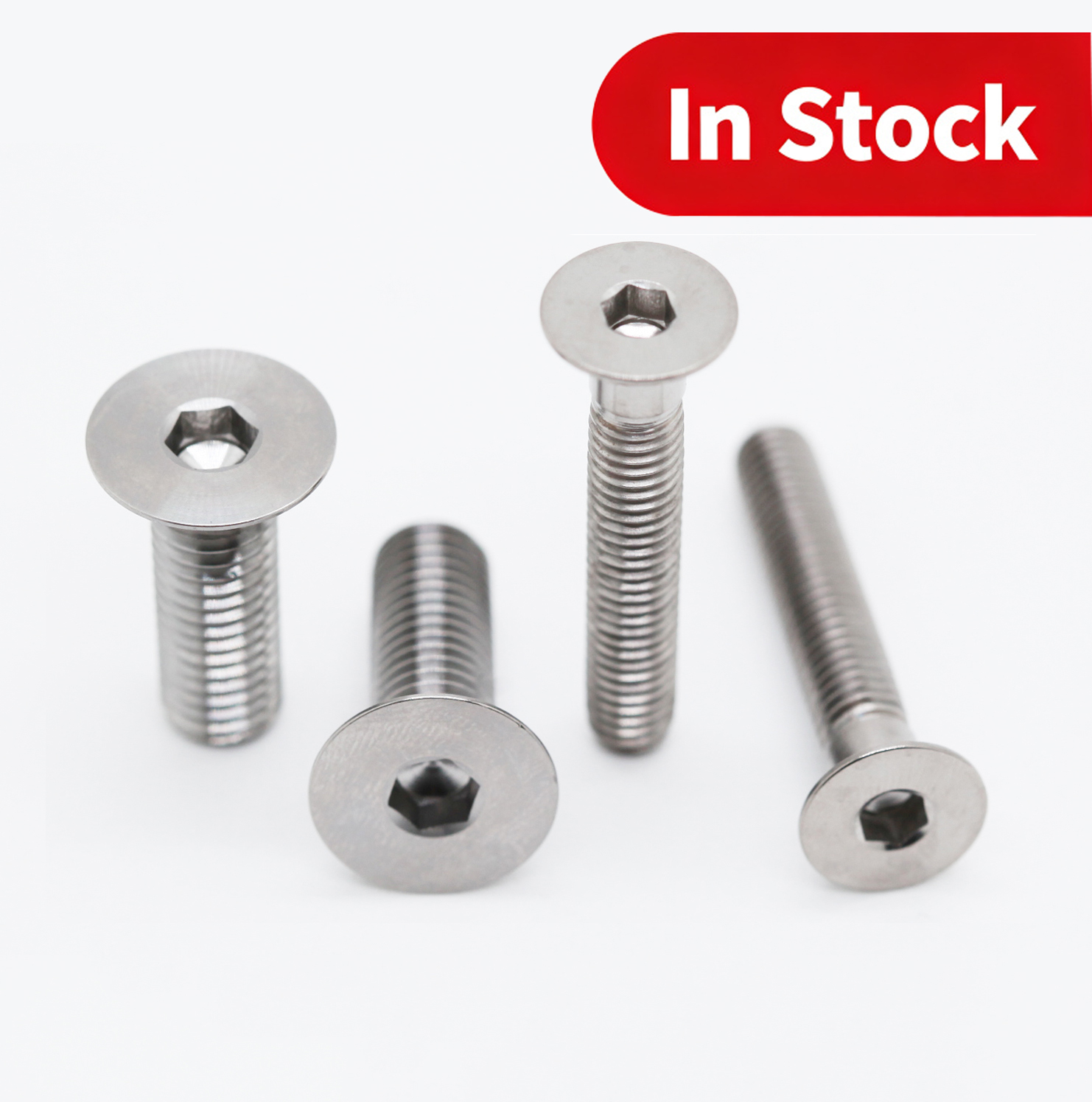
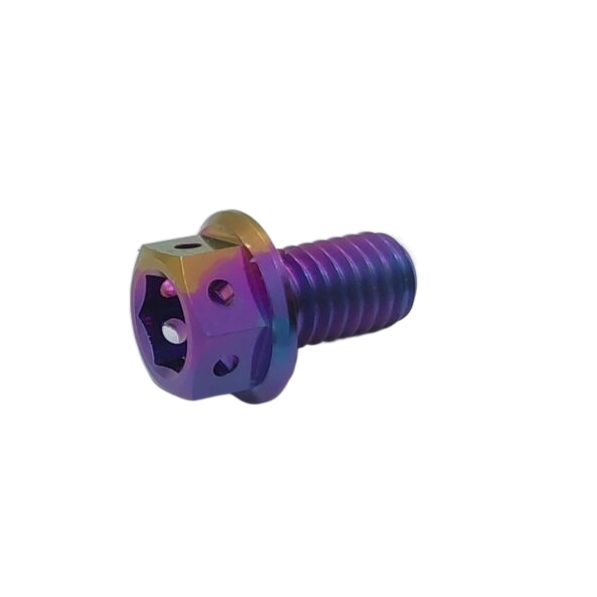
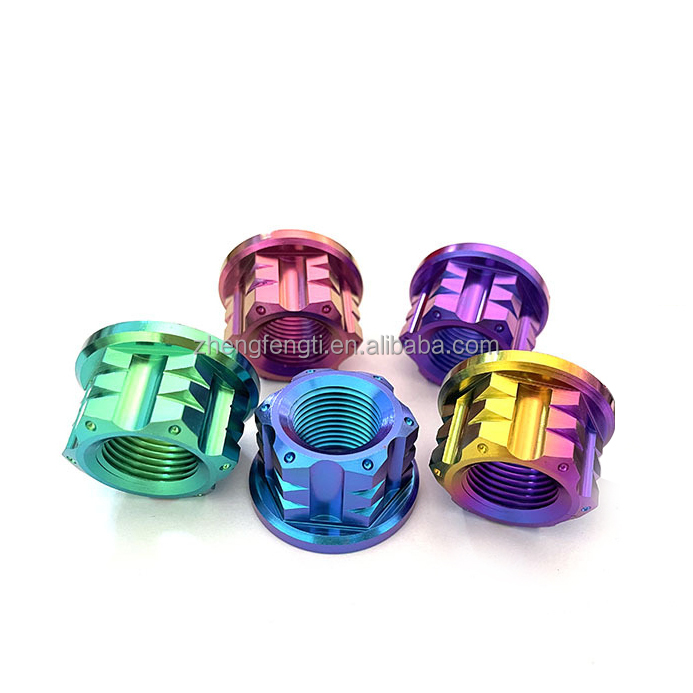
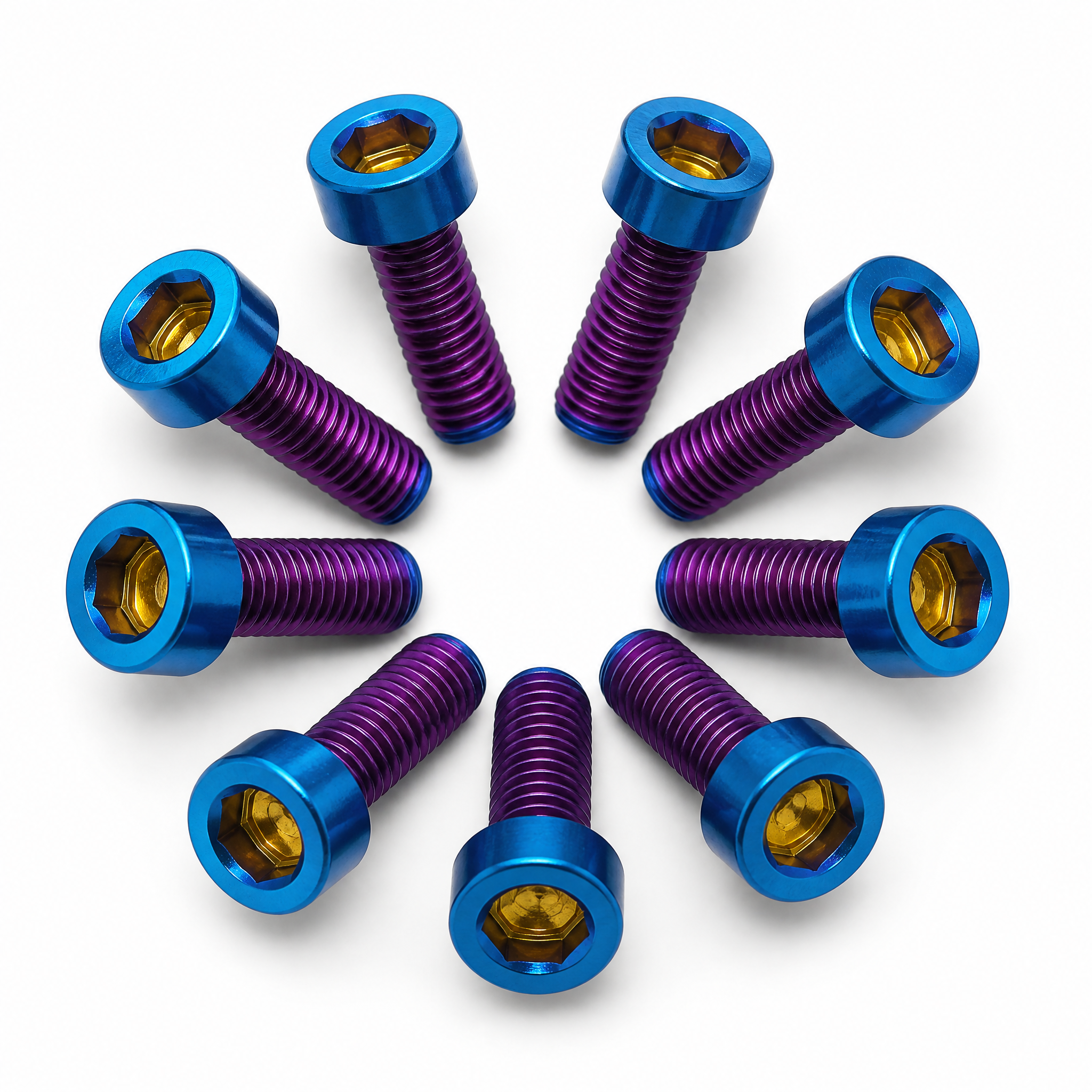
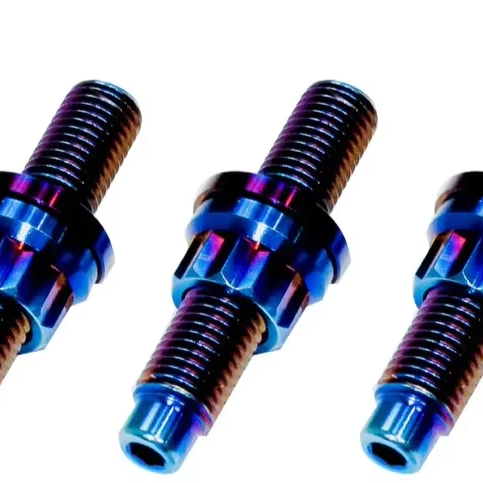
Engineering White Paper: Technical Foundations of Titanium Machine Screws
A technical guide for design engineers, procurement specialists, and supply chain managers evaluating titanium alloy fasteners against legacy steel and aluminum hardware.
In modern industrial assemblies, fastening joints represent a primary critical failure point. Engineers face relentless pressure to reduce unsprung mass in electric mobility, prevent chloride-induced pitting in marine and subsea installations, and preserve mechanical structural integrity across severe thermal cycles. Standard high-tensile steel fasteners, while cost-efficient, suffer from excessive mass density (approximately 7.85 g/cm³) and catastrophic failure risk from rust, stress corrosion cracking (SCC), and hydrogen embrittlement. Aluminum fasteners offer low weight but lack adequate yield strength, shear resistance, and thermal fatigue resistance under dynamic mechanical shock.
Titanium machine screws have emerged as the paramount engineered solution, providing exceptional structural specific strength (strength-to-weight ratio), natural dielectric biocompatibility, and permanent surface passivity. At Yevzo Titanium Metal Co., Ltd., we transform mill-certified ASTM B348 bar stock into tight-tolerance machine screws through advanced cold-heading, high-speed CNC turning, and precision thread-rolling methodologies.
Metallurgical & Mechanical Comparison Matrix
Empirical property evaluation according to ASTM B348, ASTM F467/F468, and ISO 898-1 standards.
| Mechanical / Physical Property | Commercial Pure Gr2 (CP) | Grade 5 (Ti-6Al-4V / 3.7165) | Grade 7 (Ti-0.15Pd) | Structural Steel 8.8 | Stainless Steel 316 (A4-70) |
|---|---|---|---|---|---|
| Nominal Tensile Strength (MPa) | ≥ 345 | ≥ 895 – 1000 | ≥ 345 | 800 – 830 | 700 |
| 0.2% Yield Strength (MPa) | ≥ 275 | ≥ 828 | ≥ 275 | 640 | 450 |
| Volumetric Density (g/cm³) | 4.51 | 4.43 | 4.51 | 7.85 | 8.00 |
| Modulus of Elasticity (GPa) | 103 | 114 | 103 | 205 | 193 |
| Corrosion Resistance (Salt/Chloride) | Immune (< 100°C) | Exceptional | Extreme (Acidic media) | Poor (Requires plating) | Moderate (Pitting risk) |
| Elongation at Break (%) | ≥ 20% | ≥ 10% – 15% | ≥ 20% | 12% | 40% |
| Magnetic Permeability | Non-magnetic (1.00005) | Non-magnetic (1.00005) | Non-magnetic | Ferromagnetic | Paramagnetic (Post-cold work) |
Procurement Market Dynamics & Global Industry Trends
Strategic analysis for enterprise procurement teams adjusting to shifting technological, regulatory, and industrial requirements.
EV Mass Reduction & Unsprung Tuning
Automotive tiers are migrating from legacy carbon bolts to Class 8.8 Gr5 flange fasteners in battery packs, braking hubs, and motor mount brackets. Reducing unsprung rotating weight directly boosts motor dynamic responsiveness and battery range efficiency while halting underbody galvanic degradation.
Semiconductor & Cleanroom Adoption
High-vacuum, ultra-clean manufacturing sectors enforce zero toleration for zinc flakes, rust dust, or volatile outgassing. Electropolished Commercially Pure Grade 2 titanium screws are rapidly replacing electro-galvanized components within lithography chambers and wet etch processing apparatus.
ESG Lifecycle Mandates & Circularity
Global original equipment builders prioritize sustainable lifecycle sourcing. Unlike cadmium-plated or passivated steel hardware demanding perpetual replacement, titanium parts deliver virtually infinite lifespans under corrosive conditions, vastly cutting the total cost of ownership (TCO) across decades.
Looking further into technical developments, the demand for precision cold-rolled threads versus cut threads has surged by over 60%. While CNC thread cutting is versatile for prototyping non-standard thread pitches, thread rolling induces continuous grain-flow orientation parallel to the thread profile. This plastic deformation eliminates micro-notches, work-hardens root surfaces, and bolsters shear fatigue resistance by up to 35%—a decisive requirement for motorsport chassis, marine hulls, and drone propulsion mounts.
Enterprise Strengths: The Yevzo Manufacturing Edge
Rooted in China's Titanium Valley since 2013, our integrated manufacturing and testing complex eliminates distribution markups and validates metallurgical stability.
Titanium Valley Origin
Headquartered in the High-Tech Development Zone of Baoji, Shaanxi, we leverage seamless access to China's premier titanium sponge and ingot supply clusters. Direct raw bar selection guarantees raw material batch consistency and strict lot traceability from the melt furnace to final threads.
100+ Advanced CNC Machines
Equipped with 3-axis, 4-axis, and 5-axis turning-milling centers, along with specialized high-speed thread-rolling and heading equipment. We reliably maintain radial and axial tolerances within ±0.01 mm across both standard (DIN, ISO, ANSI) and bespoke engineering blueprint specifications.
Full Inspection & Mill Certs
Each batch undergoes rigorous optical thread-comparators, Go/No-Go thread gauge checking, coordinate measuring machines (CMM), and spectroscopic alloy chemical composition checks. Mill Test Reports (MTR) according to EN 10204 3.1 are supplied systematically with shipments.
From Raw Bar Stock to Packaged Hardware: The 5-Step Process
Traceability passes continuously from team to team, preserving heat lot integrity throughout every critical processing junction.
Material Verification
Spectroscopic chemistry validation and ultrasonic flaw detection on incoming ASTM B348 round bar stock.
CNC Precision Machining
Multi-axis turning of head geometry, socket broaching, countersinking, and high-strength cold thread-rolling.
Degreasing & Cleaning
Ultrasonic purging removes cutting fluids, metal fines, and contaminants before specialized surface treatments.
Surface Finishing / PVD
Vibratory polishing, micro-sandblasting, electrochemical anodization (Burnt Blue, Gold, Purple) or PVD coating.
Final QC & Thread Packing
Ring-gauge thread testing, packaging in custom anti-collision trays and labelled cartons to avoid thread damage.
Frequently Asked Questions: Sourcing & Engineering
Detailed technical, operational, and commercial insights addressing frequent procurement checkpoints.
What is the fundamental engineering difference between Grade 2 and Grade 5 titanium machine screws?
How can engineers mitigate galling, thread seizing, and galvanic corrosion during assembly?
What are your Minimum Order Quantities (MOQ) and production lead times for standard vs. custom parts?
Does electrochemical color anodizing or PVD alter the thread pitch and assembly tolerances?
Which international commercial trade terms, payment gateways, and shipping logistics do you support?
Accelerate Your Project With Custom Titanium Hardware
Send your dimensional drawings, CAD files, target quantities, and finish preferences to our Baoji manufacturing facility. Our engineering review team replies with an actionable manufacturing assessment and formal quotation within 24 hours.