Certified Titanium Brake & Chassis Fastener Recommendations
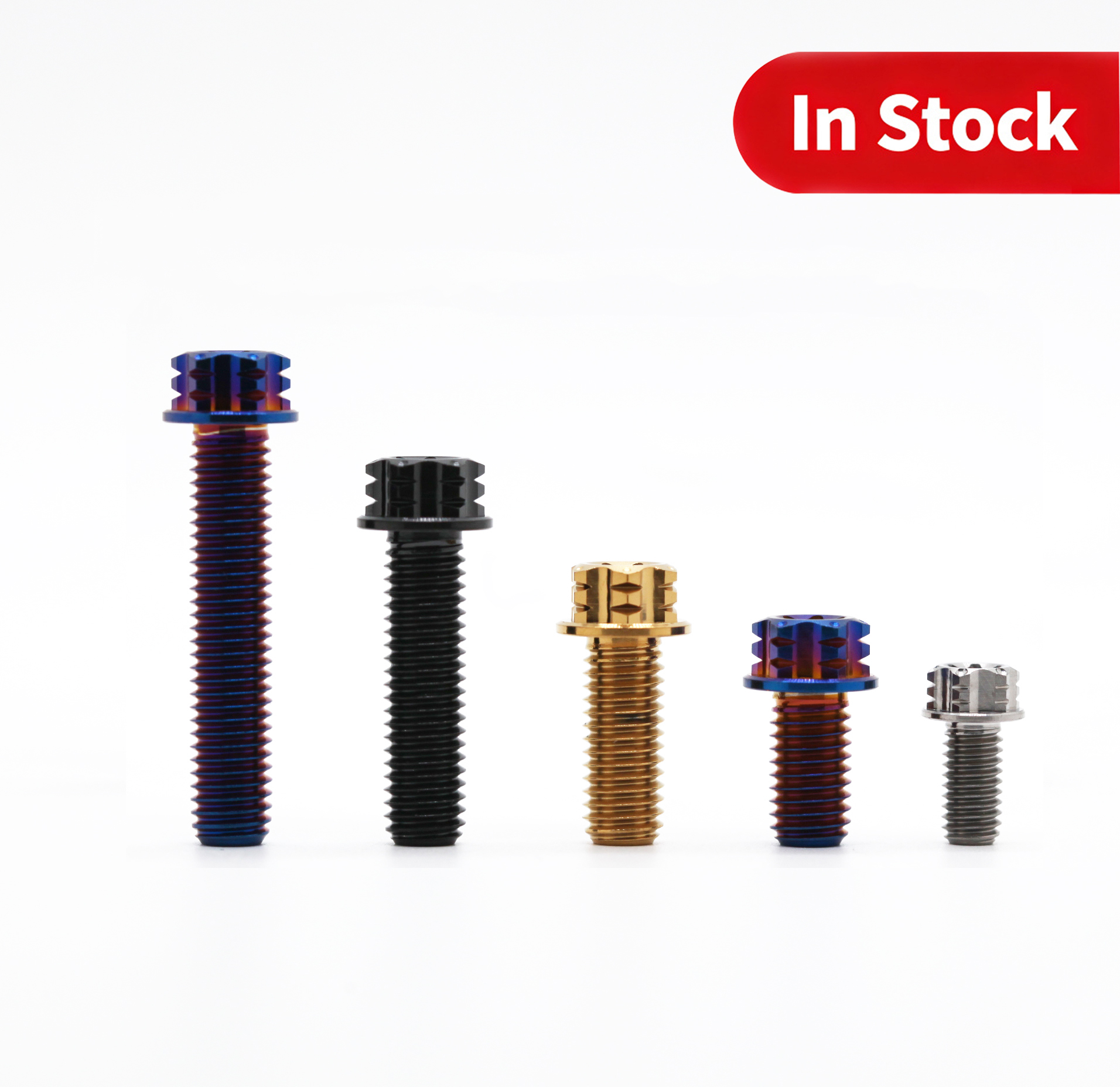
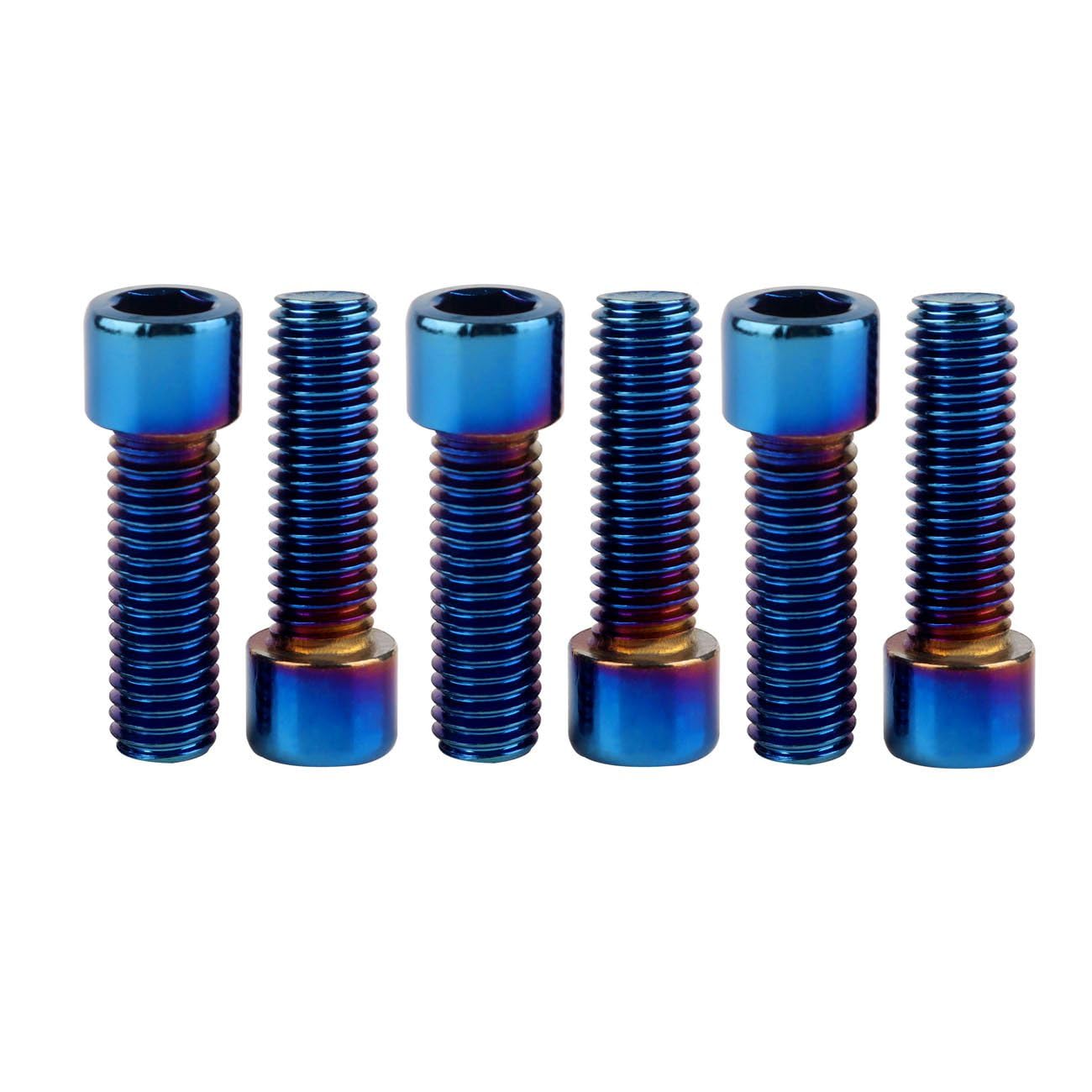
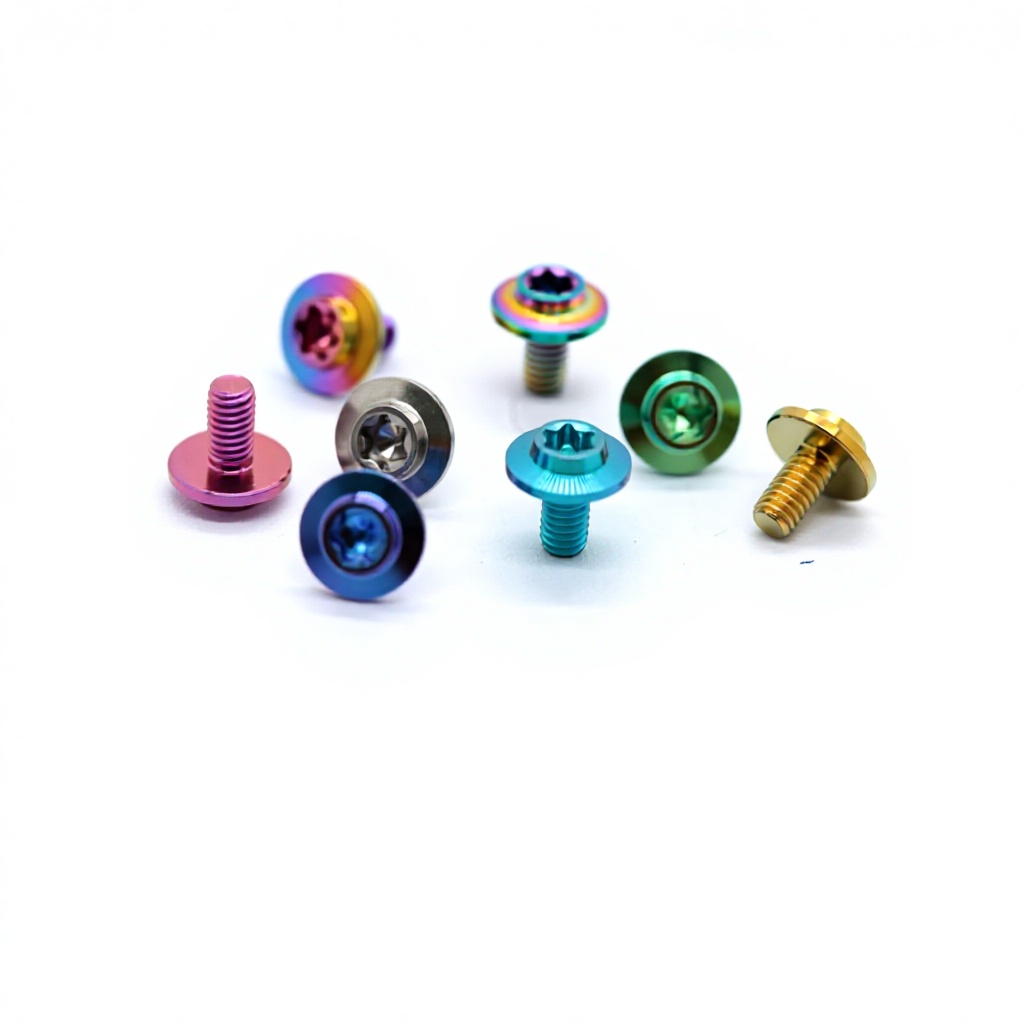
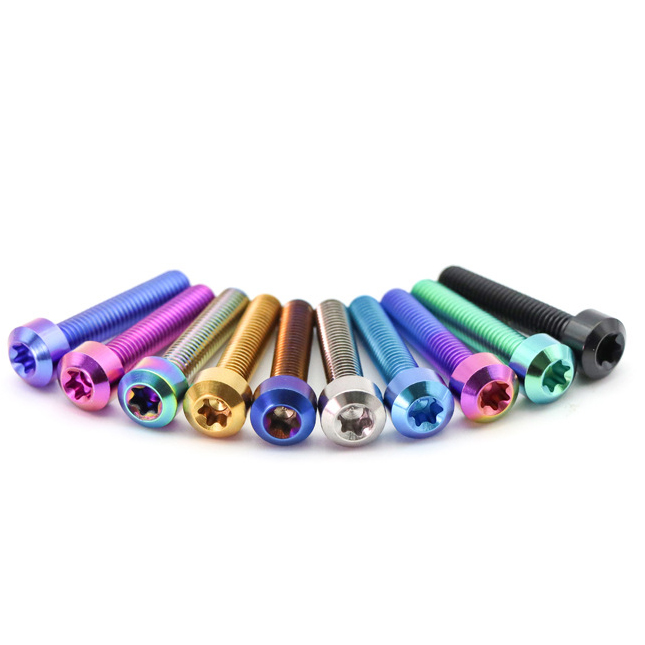
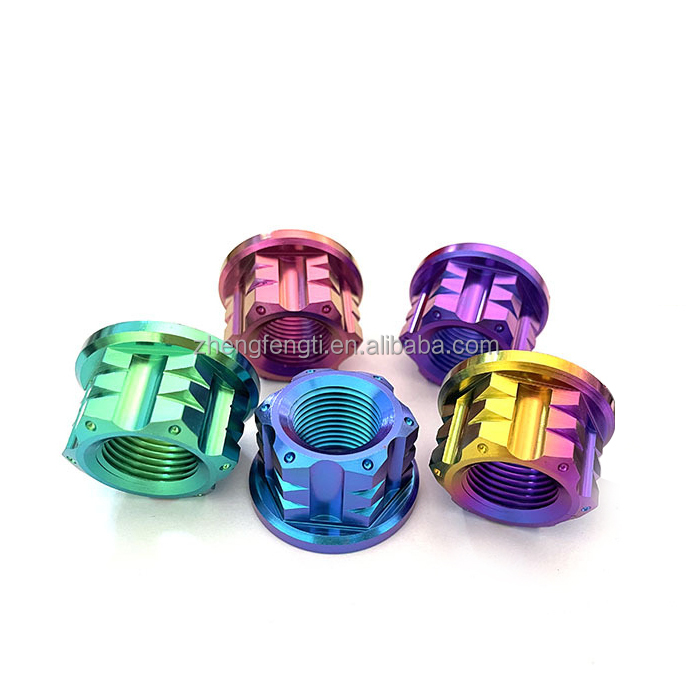
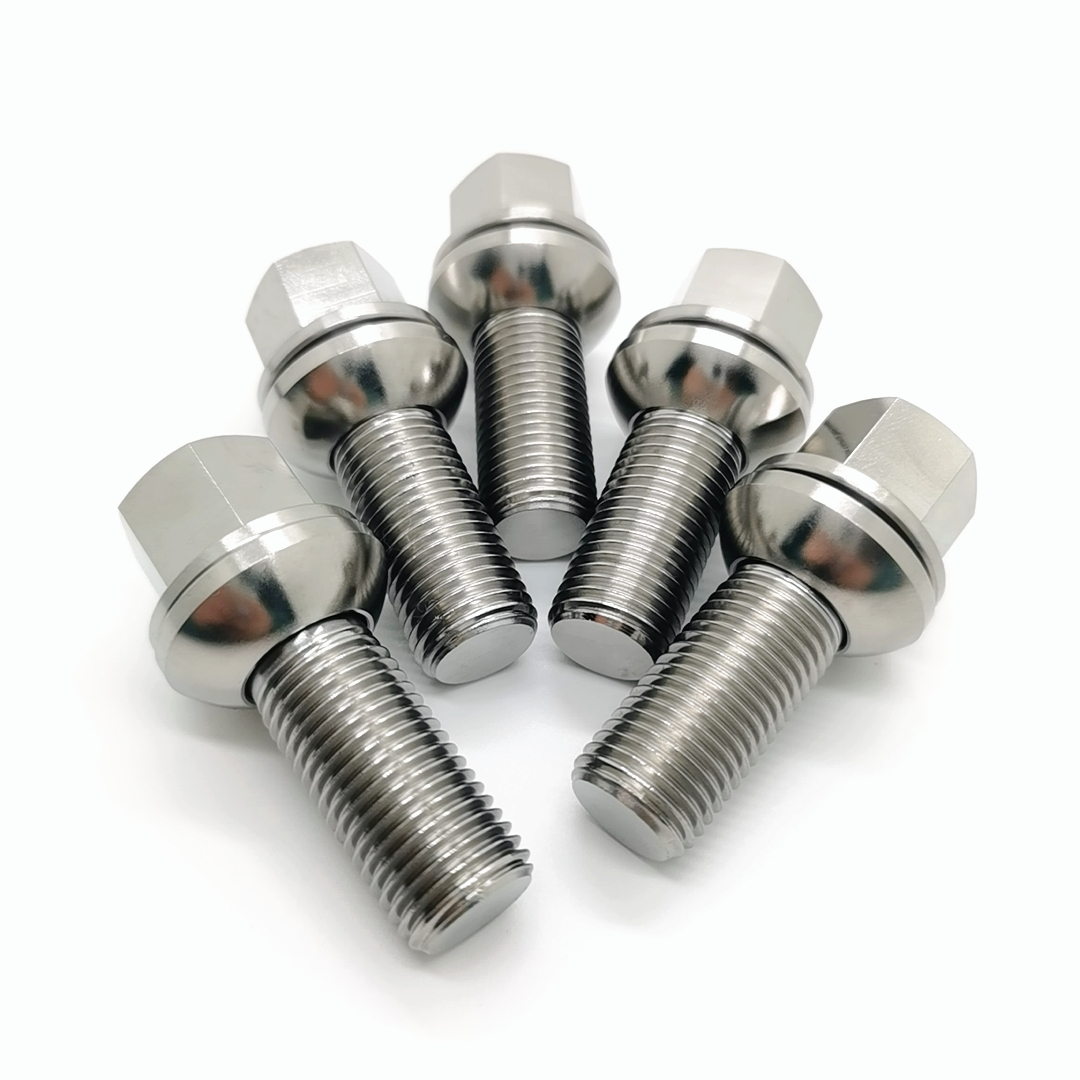
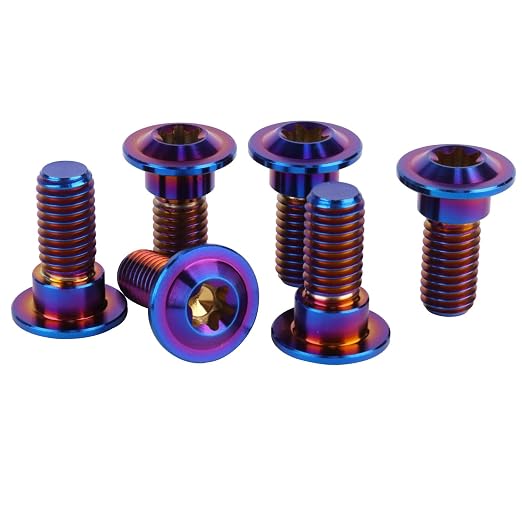
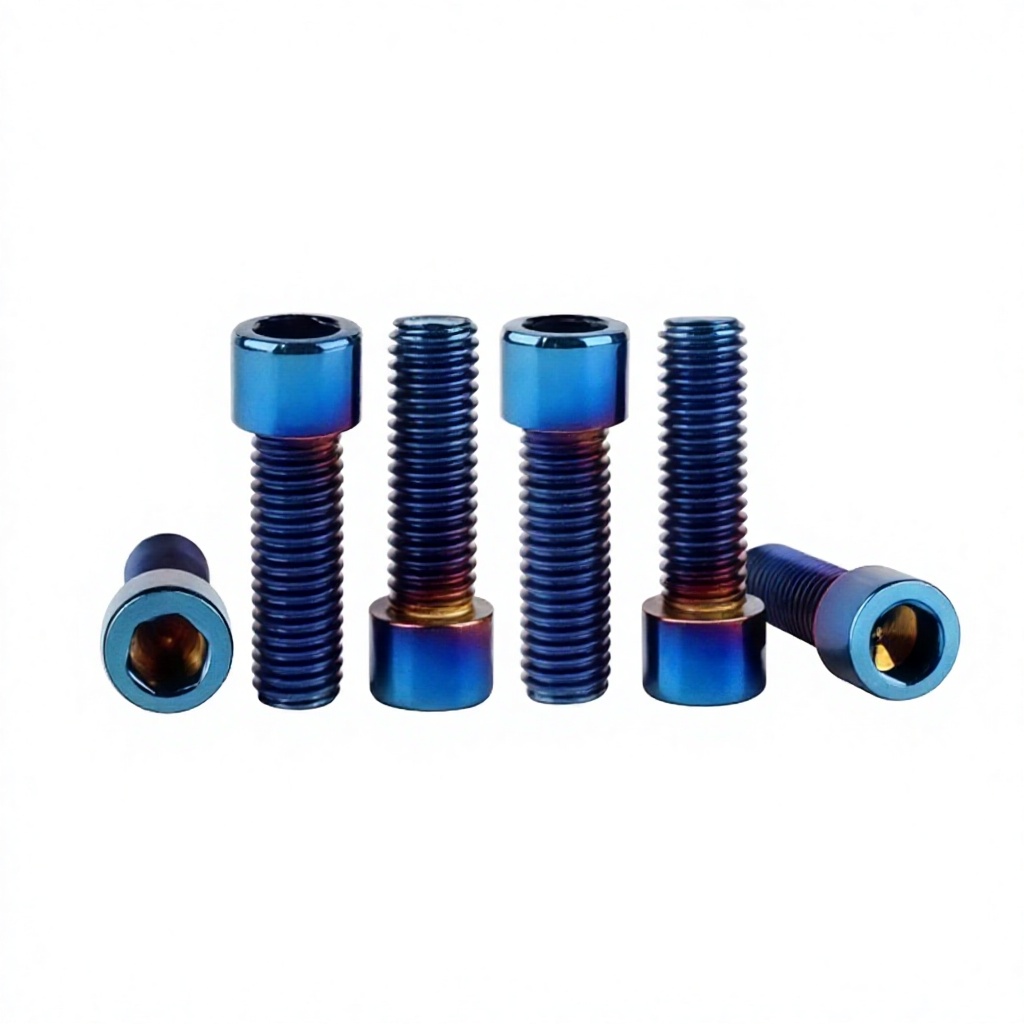
Explore our core production portfolio engineered specifically for hydraulic brake calipers, floating disc rotors, hub interfaces, and lightweight suspension integration.
Metallurgical Fundamentals: Why Grade 5 Titanium Dominates Braking Systems
In high-performance automotive and motorcycle engineering, the braking assembly represents an unforgiving operating environment marked by rapid thermal cycles, high cyclic shear stresses, and severe exposure to corrosive road salts.
Extreme Strength-to-Weight Ratio
Weighing only 4.43 g/cm³ compared to structural alloy steel (7.85 g/cm³), Ti-6Al-4V delivers an extraordinary 44% mass reduction. In braking systems, unsprung and rotational mass reductions directly enhance suspension reaction times, wheel-tracking compliance, and transient acceleration dynamics without compromising clamping load.
Thermal Dissipation & Creep Resistance
Kinetic energy during aggressive braking events generates localized rotor interface temperatures exceeding 600°C (1112°F). Unlike carbon steel which undergoes metallurgical softening and loss of preload tension, aerospace-grade Ti-6Al-4V maintains stable elastic modulus and tensile yield resistance under intense thermal saturation.
Inherent Passive Oxide Protection
Upon ambient atmospheric exposure, titanium instantly synthesizes a resilient, chemically inert titanium dioxide (TiO₂) passivation layer. This nanometer barrier exhibits complete immunity to de-icing chlorides, brake fluid glycol-ethers, and moisture, preventing stress-corrosion cracking and thread seizure.
| Property Parameter | Ti-6Al-4V Gr5 (Annealed) | Ti-6Al-4V ELI (Gr23) | Commercially Pure Gr2 | High-Tensile Steel 8.8 | Stainless 316 (A4-80) |
|---|---|---|---|---|---|
| Ultimate Tensile Strength | 950 – 1050 MPa | 860 – 920 MPa | 345 – 450 MPa | 800 – 830 MPa | 800 MPa |
| Yield Strength (0.2% Offset) | 880 – 920 MPa | 790 – 830 MPa | 275 – 310 MPa | 640 MPa | 600 MPa |
| Density (g/cm³) | 4.43 g/cm³ | 4.43 g/cm³ | 4.51 g/cm³ | 7.85 g/cm³ | 8.00 g/cm³ |
| Modulus of Elasticity (GPa) | 114 GPa | 110 GPa | 103 GPa | 205 GPa | 193 GPa |
| Fatigue Endurance Limit (Rotational) | 510 MPa | 480 MPa | 180 MPa | 380 MPa | 280 MPa |
| Shear Strength (Double Shear) | 550 – 620 MPa | 520 MPa | 240 MPa | 480 MPa | 460 MPa |
| Chloride Pitting Susceptibility | Zero (Immune) | Zero (Immune) | Zero (Immune) | High (Requires Zinc) | Moderate (Crevice risk) |
Critical Design Insight: Thread Rolling vs. CNC Cut Threads
For brake rotor mounting and radial caliper mounts, standard CNC lathe single-point threading generates continuous micro-notches across the root radius, concentrating tensile cyclic fatigue and accelerating shear failure. At Yevzo Titanium, all critical OEM titanium brake bolts feature cold-rolled threads produced by synchronized cylindrical dies. This displacement process compresses the alpha-beta grain structures continuously along the flank and root radii, inducing deep compressive residual stresses that increase fatigue endurance life by more than 300% under high-frequency deceleration cycles.
Advanced Manufacturing Innovations in Titanium Brake Fasteners
The transition from low-volume aftermarket tuning components to standardized tier-1 OEM braking assemblies has driven pivotal breakthroughs across material science and surface tribology.
PVD & DLC Hard Coatings
Plasma Physical Vapor Deposition (PVD) applies wear-resistant coatings (TiN, TiAlN, and Diamond-Like Carbon) yielding superficial hardness ratings up to 2500–3000 HV. This prevents surface marring and eliminates galling during high-speed impact gun assembly.
Ti-6Al-4V Grade 23 (ELI)
For racing calipers and endurance racing chassis, Extra Low Interstitial (ELI) titanium reduces dissolved oxygen, carbon, and iron to strict trace limits, offering superior fracture toughness (KIC > 70 MPa·m½) in sub-zero and elevated shock conditions.
Wire-EDM Safety Wire Holes
Pre-drilled flange head configurations engineered for race-track compliance. Our multi-axis EDM and micro-drilling eliminate sharp burrs inside radial locking holes, protecting aircraft safety wire from shearing during violent vibration harmonics.
Anti-Galling Solid Film Lubes
Integration of bonded molybdenum disulfide (MoS₂) and ceramic micro-coatings directly on thread roots stabilizes the torque-tension friction coefficient (μ = 0.10–0.12), ensuring predictable clamping force without requiring messy anti-seize paste during factory assembly.
Future Sourcing Trends for Automotive & Motorcycle Brake Hardware
Global supply chain volatility, electric vehicle platform weight budgets, and stringent regulatory demands are redefining how procurement directors evaluate titanium fastener contracts through 2030.
Electric Vehicle Unsprung Mass Optimization
EV platforms carry substantial curb weight penalties due to high-voltage battery modules. Automotive OEMs are actively replacing structural steel wheel hub bolts and caliper fasteners with titanium to shave unsprung corner weight. This improves damper responsiveness, reduces tire scrub wear, and contributes directly to overall driving range efficiency.
Direct Mill Heat Traceability & EN 10204 3.1
Procurement departments are shifting away from intermediate distributors toward direct mill-integrated manufacturers. Tier-1 automotive and motorsport buyers mandate full EN 10204 3.1 inspection certification from the raw ingot melt stage, including third-party chemical spectroscopy, ultrasonic internal void inspection, and certified mechanical proof testing.
Hybrid OEM/ODM Contract Hedging
With titanium sponge prices tied to aerospace build rates, forward-thinking parts brands are establishing long-term master service agreements (MSAs) featuring raw ingot indexing and standardized buffer stock. Partnering with Baoji-based factories allows overseas importers to maintain lean just-in-time shipping schedules without vulnerability to seasonal metal spot inflation.
Direct Sourcing from China's Titanium Valley
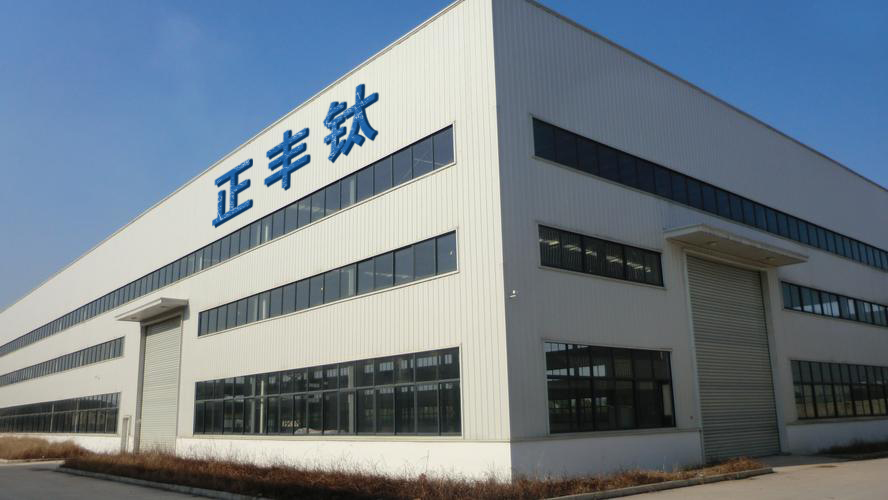
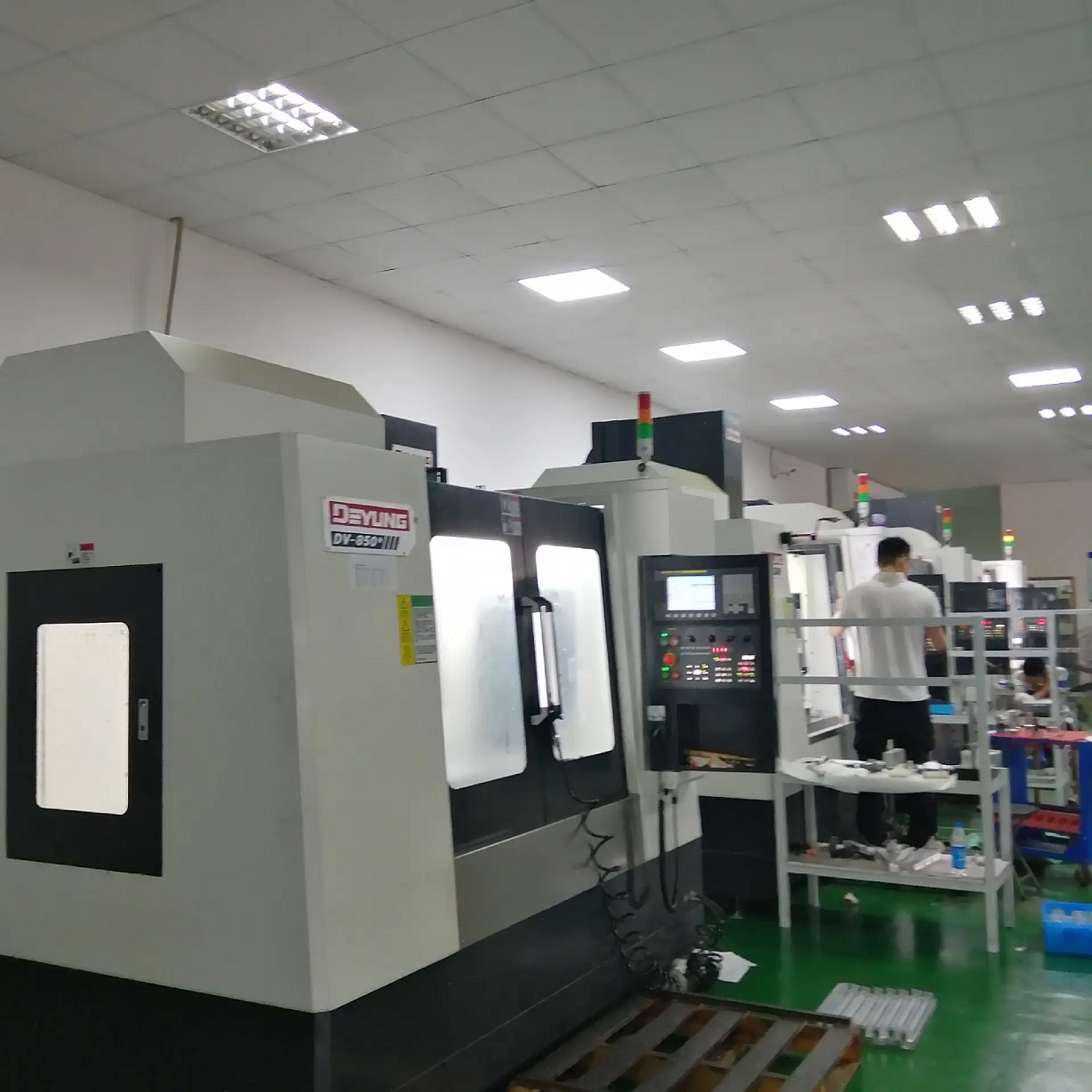
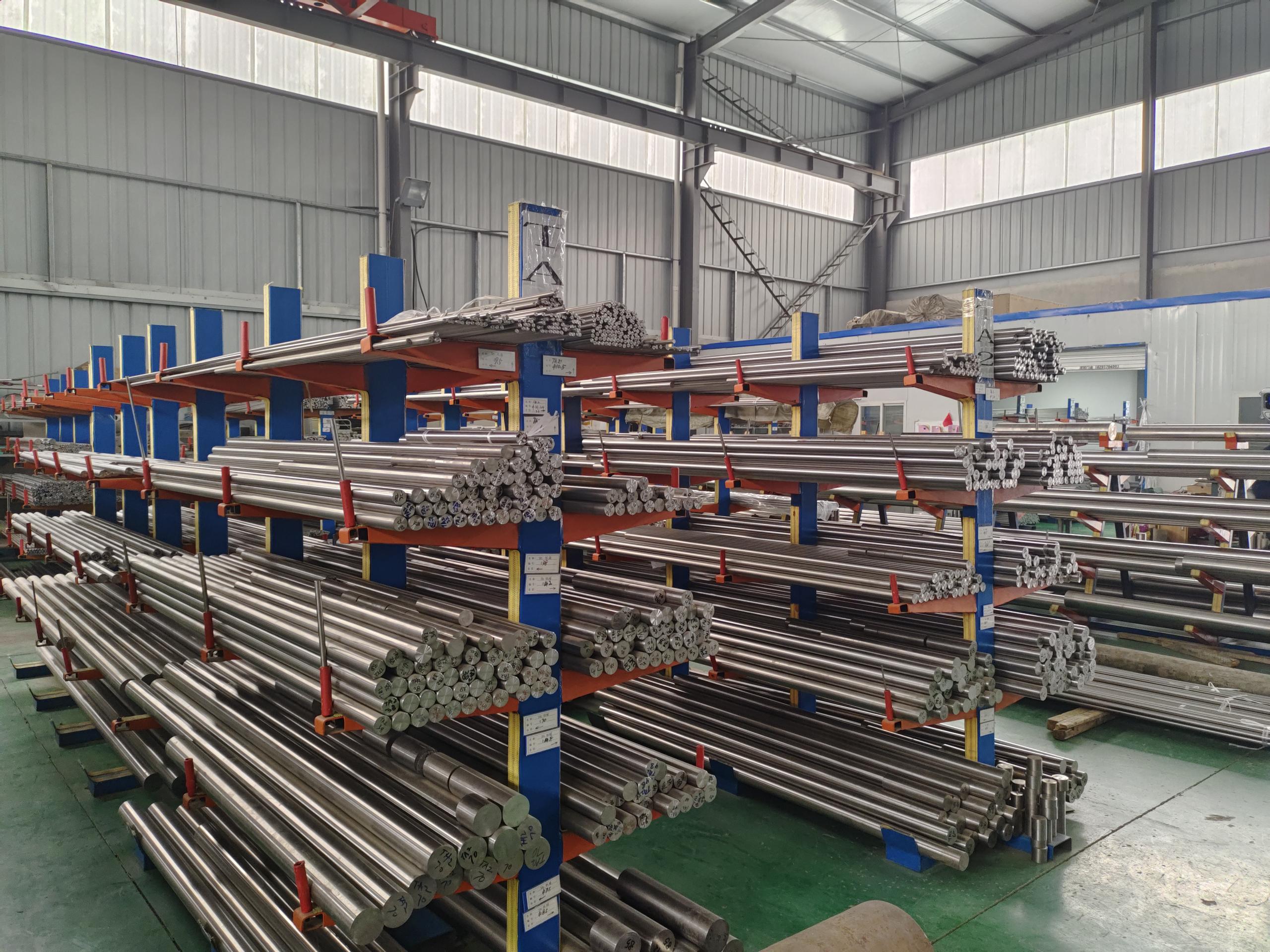
Operating since 2013 in the High-Tech Development Zone of Baoji, Yevzo Titanium Metal Co., Ltd. sits at the epicentre of China's non-ferrous metallurgical supply chain. Our facility merges certified ASTM B348 bar stocking, precision multi-axis CNC turning, thread rolling, ultrasonic degreasing, and in-house PVD surface finishing under one roof.
- 100+ Precision Machine Units: High-speed Swiss-type lathes, 3/4/5-axis CNC machining centers, and heavy-duty cylindrical thread-rolling machines.
- Full Metallurgy Traceability: Every batch is backed by certified melt mill test reports (MTR) with verified chemistry and mechanical tension curves.
- Custom OEM/ODM Engineering: Rapid prototyping from 2D/3D models (STEP, DWG, PDF) with custom head broaching (Torx, Hex, Spline) and buyer branding.
- Flexible International Trade: Incoterms support for FOB, CIF, DDP, and DDU with flexible payment structures (T/T, L/C, PayPal, Western Union).
End-to-End Quality Assurance & Verification Protocol
Brake fasteners are critical safety components. Our internal quality inspection department enforces zero-compromise testing protocols across every manufacturing milestone.
1. Spectrometric Verification
Incoming ASTM B348 Grade 5 bars undergo optical emission spectrometry (OES) to verify elemental compositions (Al 5.5–6.75%, V 3.5–4.5%, Fe < 0.40%, O < 0.20%) prior to machine loading.
2. Optical Comparator & CMM
Coordinate Measuring Machines (CMM) and digital profile projectors verify pitch diameter, flank angle, under-head radius fillet blend, and runout within tight ±0.01 mm tolerances.
3. Tensile & Proof Testing
Destructive lot sampling measures ultimate tensile load, yield threshold, and elongation percentage. Caliper mounting bolts are tested under 100% axial proof-load without plastic deformation.
4. Flaw Detection & Packing
Fluorescent dye penetrant inspection (FPI) and ultrasonic examination identify surface micro-fissures or core voids. Finished bolts are individually partitioned in cellular trays to safeguard rolled threads.
Frequently Asked Questions on Titanium Brake Fasteners
Clear, engineering-backed answers covering mechanical sizing, galling mitigation, torque tightening formulas, and international trade compliance.
Can titanium brake bolts safely replace 10.9 and 12.9 grade steel bolts?
What torque specifications should be applied when mounting titanium brake rotor and caliper bolts?
How does your factory prevent galling (thread seizing) during installation?
Is there a risk of galvanic corrosion between titanium bolts and aluminum brake calipers?
What are your minimum order quantities (MOQ) and production lead times for custom drawings?
What documentation and inspection certificates are included with export shipments?
Ready to Upgrade Your Braking Hardware Supply Chain?
Connect directly with our Baoji engineering headquarters. Submit your 2D/3D part drawings or required fastener specifications for a comprehensive technical quote and manufacturing feasibility review within 24 hours.