DIN Standard
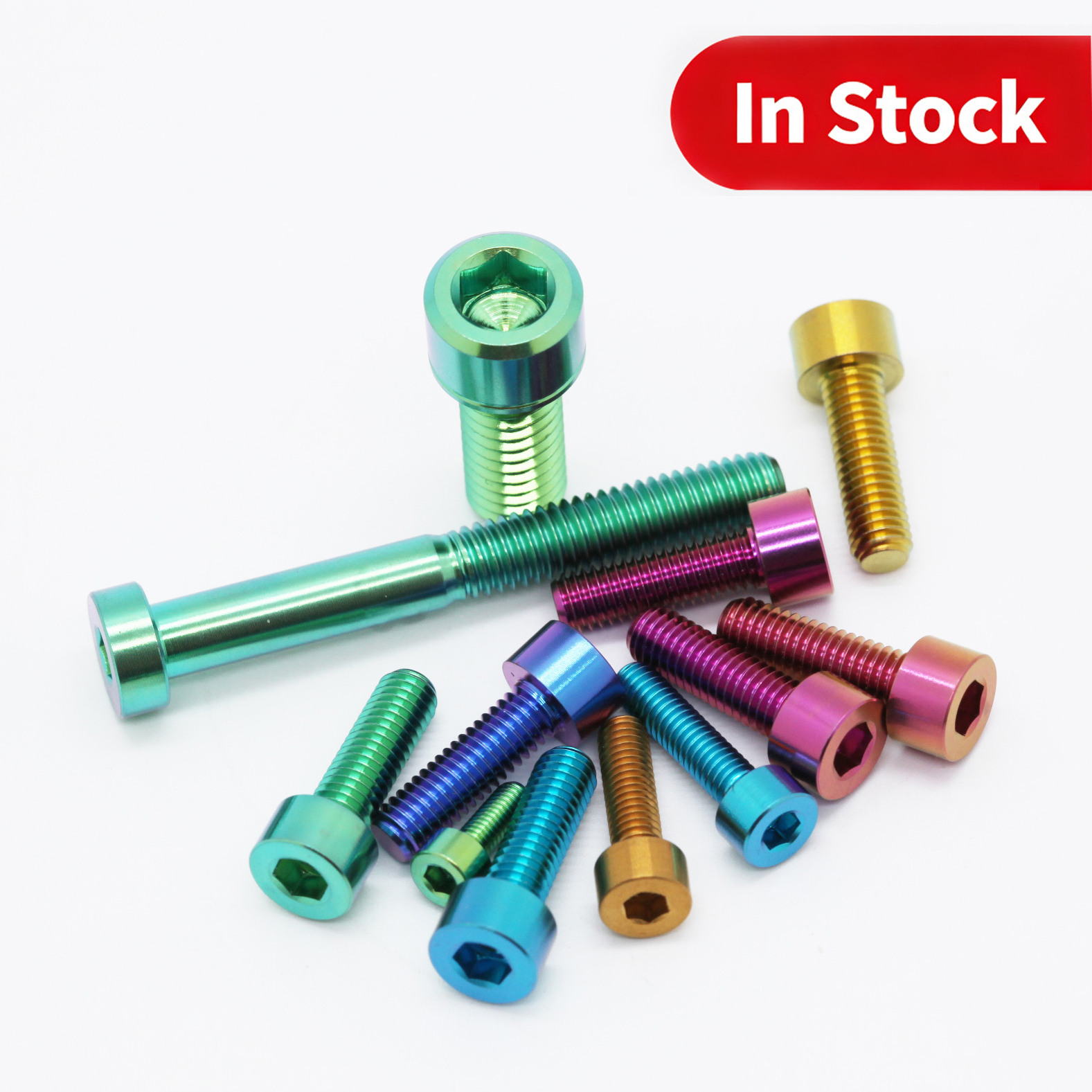
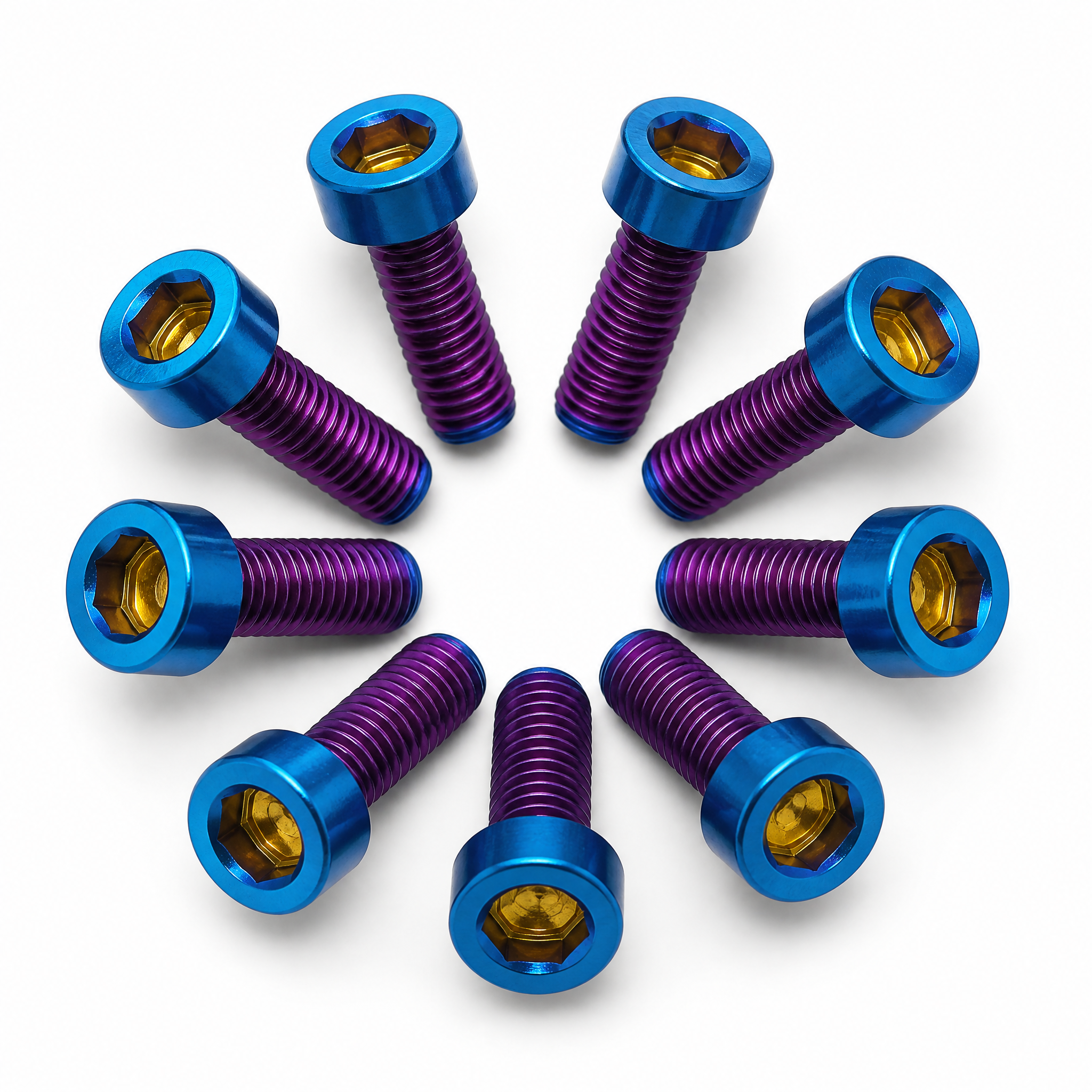
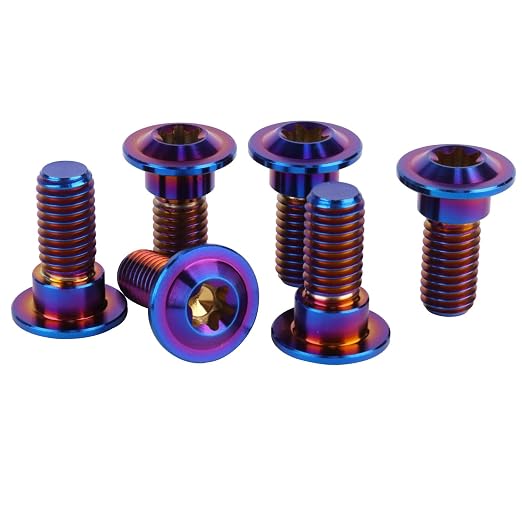
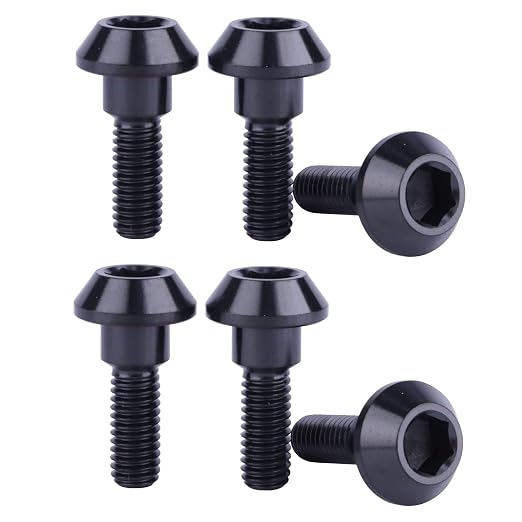
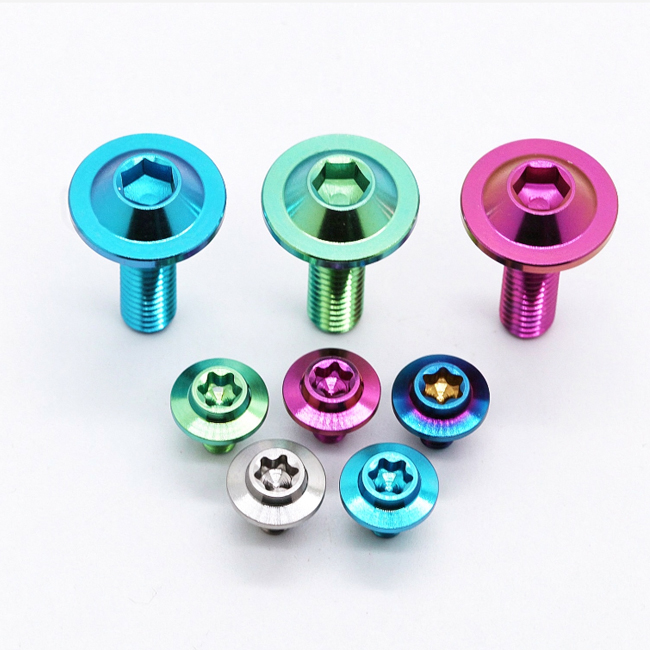
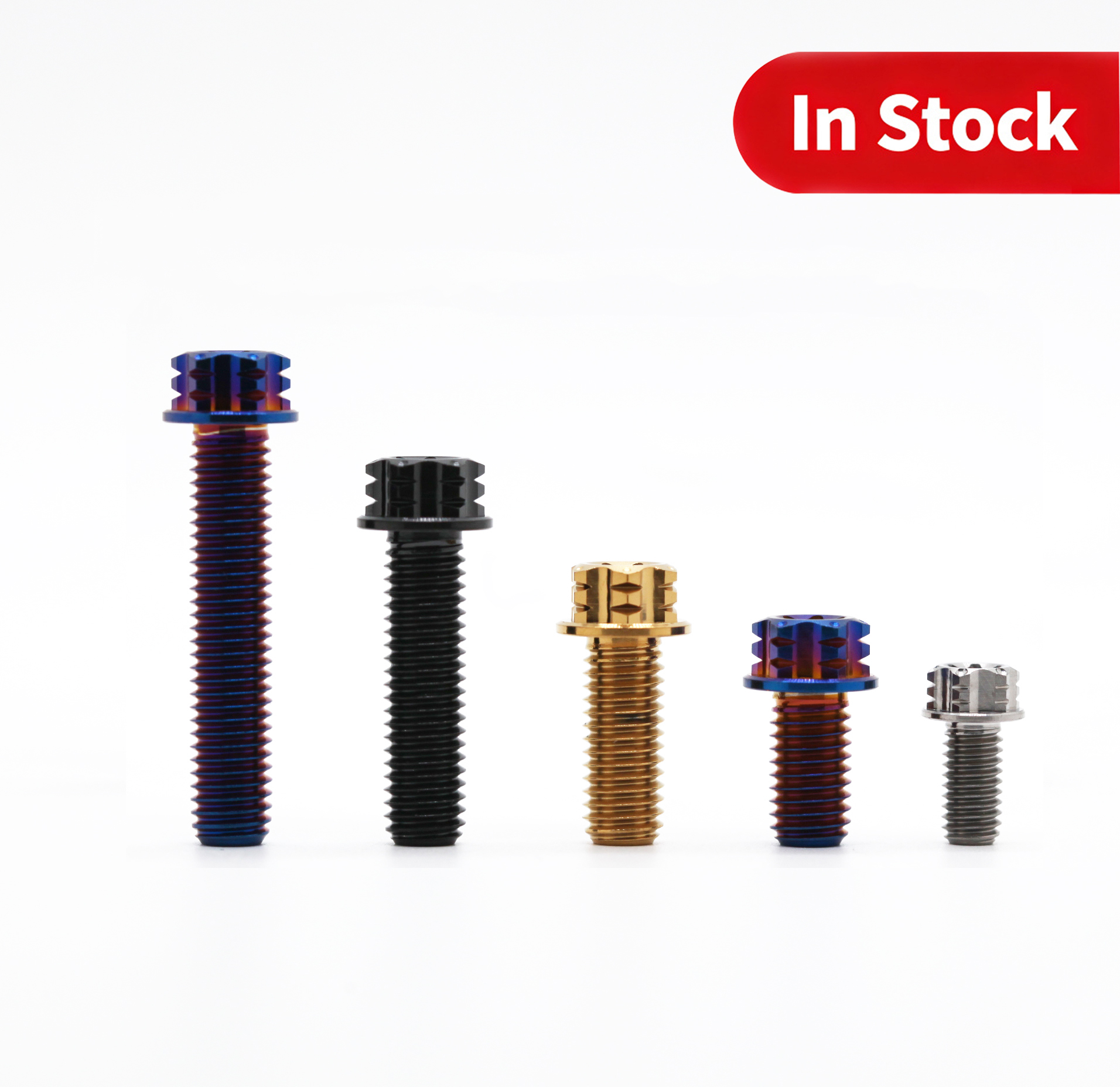
Wholesale GR5 DIN912 Titanium Hex Socket Bolts Custom Size Titanium Screws
- StandardDIN 912 / ISO 4762
- GradeTi-6Al-4V (Gr5)
- Tensile≥ 895 MPa
Explore our core product line manufactured via cold thread rolling and multi-axis CNC turning. Engineered to eliminate stress risers, boost shear stamina, and resist corrosive media.
For Chief Procurement Officers, Structural Engineers, and Tier-1 Industrial Sourcing Specialists.
In mission-critical mechanical connections—ranging from subsea desalination manifolds and cryogenic chemical reactors to aerospace airframes and high-stress automotive drivetrains—standard carbon or austenitic stainless steel rods (such as AISI 304 or 316) frequently succumb to chloride pitting, stress corrosion cracking (SCC), or excessive mass burdens. Custom OEM Titanium Threaded Rods engineered to ASTM B348 and ASTM F136 specifications deliver an unrivaled strength-to-weight ratio combined with absolute immunity to localized atmospheric and galvanic chloride degradation.
When evaluating titanium threaded rods, design authorities must distinguish between commercially pure titanium (Grade 1 and Grade 2) and alpha-beta structural titanium alloys (Grade 5 Ti-6Al-4V and Grade 23 Ti-6Al-4V ELI). Grade 2 CP titanium offers outstanding ductility (elongation ≥ 20%) and exceptional chemical process tolerance, ideal for non-structural submerged ties, plating racks, and marine architectural fasteners. Conversely, Grade 5 (Ti-6Al-4V) introduces vanadium and aluminum solute strengthening to hit a minimum ultimate tensile strength of 895 MPa, matching or eclipsing Grade 8.8 and Grade 10.9 steel studs while lopping off approximately 44% of total structural mass.
Thread rolling represents our benchmark manufacturing mandate for load-bearing titanium rods. Unlike subtractive single-point thread cutting or die turning—which severs the metallurgical grain fibers of the titanium bar—continuous cylindrical die rolling cold-works the root and flank zones. This generates unbroken, compressive residual stress profiles throughout the thread crests and roots, reducing the elastic notch factor (Kt) and elevating cyclic fatigue endurance by up to 300% under dynamic axial harmonic excitation.
Precision pitch alignment is controlled under ISO 965-2 (metric 6g/6h classes) and ASME B1.1 (UN/UNF Class 2A/3A fits). For critical OEM orders, runout and concentricity are inspected via laser micrometers to maintain rod straightness tolerances within 0.15 mm per 1,000 mm run.
| Metallurgical Grade | Standard Specification | Yield Strength (Rp0.2, min) | Tensile Strength (Rm, min) | Density | Typical Industrial OEM Application |
|---|---|---|---|---|---|
| Grade 1 (CP4) | ASTM B348 / DIN 3.7025 | 170 MPa | 240 MPa | 4.51 g/cm³ | Deep-draw chemical fixtures, plate heat exchangers, low-pressure chlorination ties. |
| Grade 2 (CP3) | ASTM B348 / DIN 3.7035 | 275 MPa | 345 MPa | 4.51 g/cm³ | Marine scrubber anchoring, flue gas desulfurization (FGD), brine piping threaded studs. |
| Grade 5 (Ti-6Al-4V) | ASTM B348 / AMS 4928 | 828 MPa | 895 MPa | 4.43 g/cm³ | Motorsport chassis rods, aerospace sub-assemblies, suspension linkages, high-g fixtures. |
| Grade 7 (Ti-0.15Pd) | ASTM B348 / DIN 3.7235 | 275 MPa | 345 MPa | 4.51 g/cm³ | Reducing acid environments, hot concentrated hydrochloric/sulfuric chemical autoclaves. |
| Grade 23 (Ti-6Al-4V ELI) | ASTM F136 / ISO 5832-3 | 790 MPa | 860 MPa | 4.43 g/cm³ | Surgical orthopedic instrumentation, marine deep-submergence vessels, cryogenic piping. |
Strategic purchasing managers are fundamentally realigning their vendor qualification protocols. Here is what is actively reshaping the global supply chain for custom titanium threaded rods and studs.
Procurement teams are moving aggressively away from third-party broker networks. Ensuring raw material integrity requires dealing exclusively with manufacturers co-located within dedicated titanium melting hubs like Baoji. Direct access to vacuum arc remelting (VAR) ingots eliminates cross-contamination risks and hedges against violent international spot-market price fluctuations.
With titanium scrap value recovery remaining a significant cost driver, leading aerospace and automotive buyers are mandating cold heading for stud preforms prior to CNC thread finishing. Cold forming reduces material scrap from 55% down to less than 12%, achieving aggressive piece-part cost optimizations on high-volume production schedules.
Enterprise compliance demands complete supply-chain lineage. Tier-1 buyers now require digital MTR packages with EN 10204 3.1 certification verifying low interstitial elements (Oxygen ≤ 0.20%, Iron ≤ 0.30%, Hydrogen ≤ 0.015%), complete with verifiable carbon footprint scores on the titanium reduction process.
Breakthroughs in anti-galling treatments, thread flank microgeometry, and multi-axis automated inspection are resolving historic titanium hardware limitations.
Titanium threads possess an affinity for micro-welding (galling) when torqued against matching titanium nuts. Advanced Physical Vapor Deposition (PVD), Diamond-Like Carbon (DLC), and AMS 2488 Type II anodization generate hard ceramic interfaces that eradicate binding without anti-seize paste.
Aerospace and high-vibration applications are rapidly substituting standard UNC/Metric coarse profiles with controlled-root radius UNJ (ASME B1.15) and MJ (ISO 5855) threads. A continuous rounded root radius (0.15011p to 0.18042p) disperses stress peaks under severe fluctuating dynamic load cycles.
Low thermal conductivity in titanium (6.7 W/m·K vs 50 W/m·K in mild steel) concentrates heat at cutting tool tips, provoking work-hardening. Liquid nitrogen (LN2) through-spindle cryogenic tooling stabilizes cutting zones, preserving immaculate surface finishes (Ra ≤ 0.4 μm) on threads.
Contactless optical scanning now validates thread lead error, pitch diameter, flank angle, and major/minor dimensions on 100% of aerospace lots. Digital dimensional maps eliminate human sampling error, assuring seamless field installation in high-reliability assemblies.
Operating continuously since 2013, our production infrastructure pairs upstream sponge traceability with Swiss-precision CNC machining capacity.
Situated in Honeycomb Industrial Park within the Baoji High-Tech Zone, our factory draws directly from the epicenter of China’s non-ferrous metallurgical processing. We secure certified 0A/1A grade titanium sponge and premium bar stock with zero intermediary freight delays or unauthorized lot blending.
Our dedicated workshop spans three-axis, four-axis, and simultaneous five-axis CNC centers, dual-spindle turning centers, high-tonnage precision thread rolling machines, and optical sorting stations. We manufacture bespoke diameters from M2 up to M64 with length spans reaching 3,000 mm.
Serving verified accounts across North America, Northern Europe, East Asia, and Australasia. We deliver under FOB, CIF, DDP, and DAP Incoterms with automated customs paperwork, individual thread sheath protection, vacuum inner bags, and export-grade reinforced wooden crating.
Direct metallurgical and operational answers addressing common hurdles in engineering design, assembly, and bulk procurement.
Titanium has a significantly lower coefficient of thermal expansion (CTE) than austenitic stainless steels: approximately 8.6 × 10⁻⁶/K for Ti-6Al-4V versus 16.0 × 10⁻⁶/K for 316 stainless steel between 20°C and 100°C. In assemblies subjected to wide thermal deltas, differential thermal contraction must be calculated to prevent clamp-load relaxation or bolt over-stressing.
Because titanium is electrochemically noble (+0.05V vs SCE) compared to active structural aluminum (-0.75V vs SCE), direct metallic contact in the presence of an electrolyte causes sacrificial galvanic consumption of the aluminum. To isolate the joint, our engineers specify non-conductive PTFE/ceramic washers, insulating sleeves, or apply an inorganic seal coat over anodized titanium surfaces.
Titanium features an elastic modulus of ~114 GPa, roughly half that of alloy steel (~210 GPa). Under torque, titanium rods stretch more per unit load than steel fasteners. Applying steel torque tables will over-elongate or yield the threads. Always calculate torque using titanium-specific friction coefficients (k ≈ 0.15 to 0.22) and apply molybdenum disulfide (MoS2) or nickel-based anti-seize paste.
Yes. We regularly produce DIN 975 full-length rods and DIN 976 threaded studs in standard 1,000 mm, 2,000 mm, and custom lengths from M3 through M48 in both Gr2 and Gr5. Rods undergo automated mechanical straightening post-threading to ensure total indicator reading (TIR) runout remains strictly within international tolerances.
Require non-standard thread pitches (e.g., metric fine, Acme, buttress, or left-hand reverse), custom double-ended tie rods, or certified ASTM F136 medical rods? Our Baoji technical desk reviews STEP/DWG drawings and supplies itemized DDP manufacturing quotes within 12 working hours.