Class 8.8
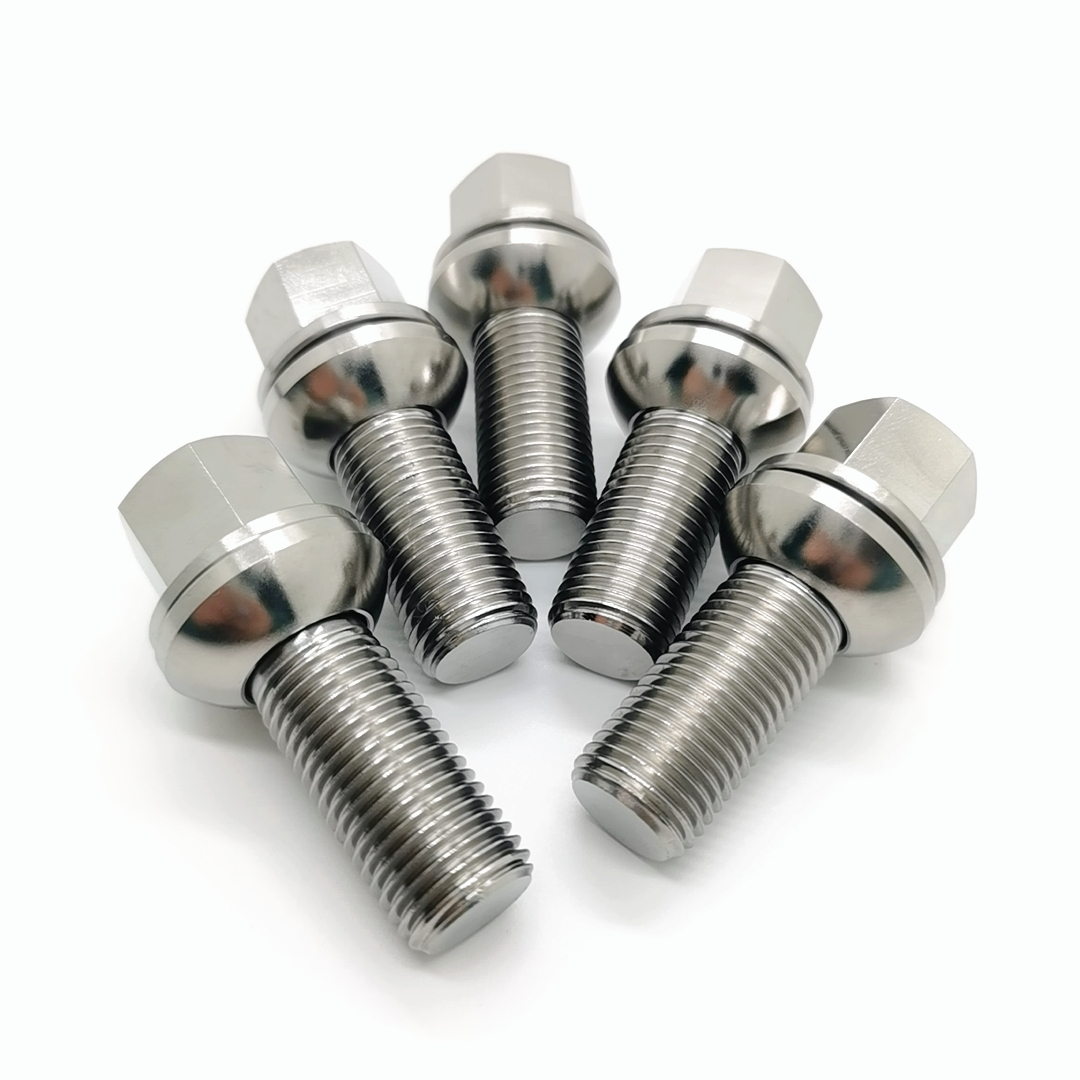
Engineered for high strength-to-weight efficiency, extreme thermal stability, and ultimate corrosion resistance across critical mechanical assemblies.
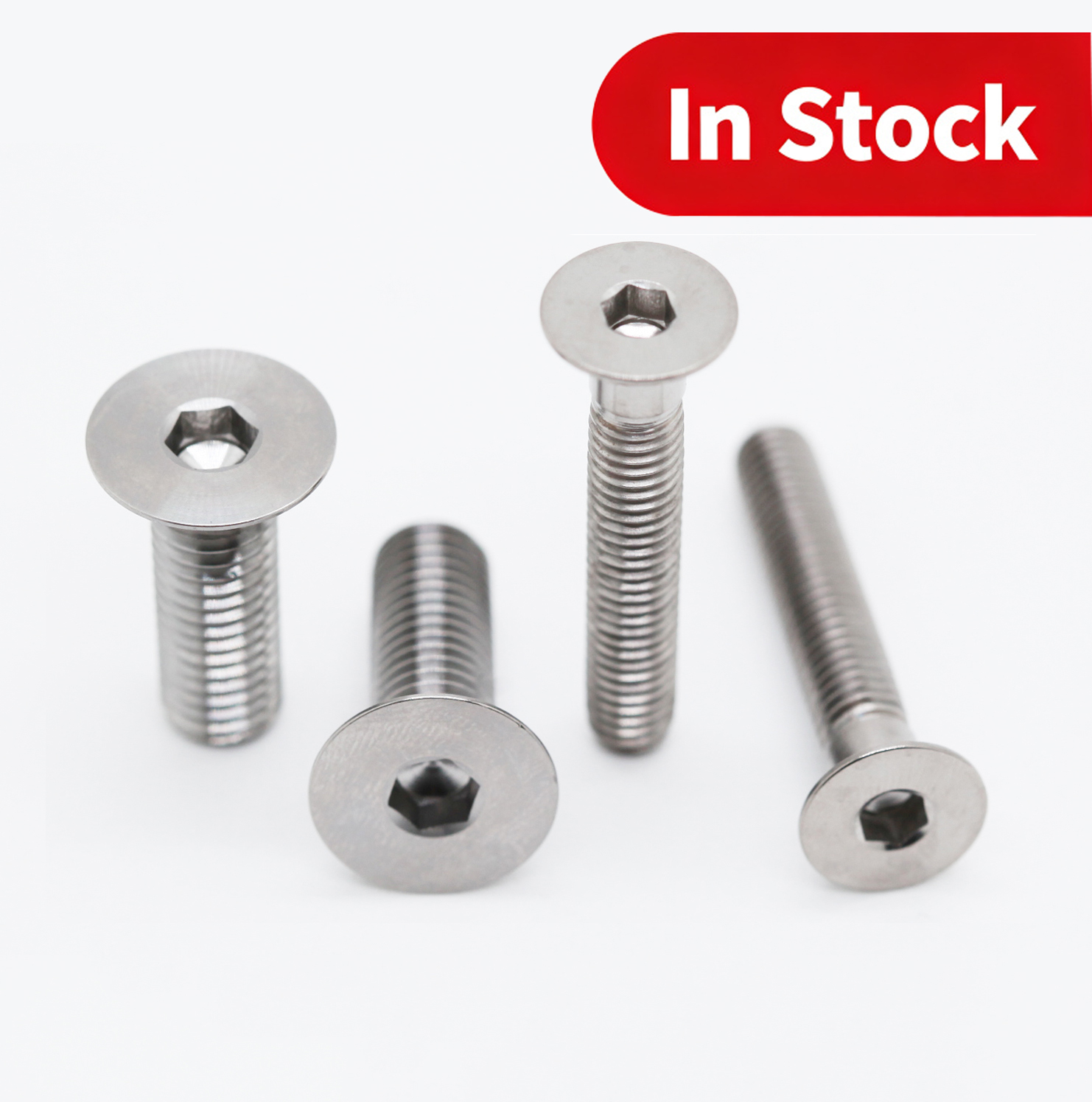
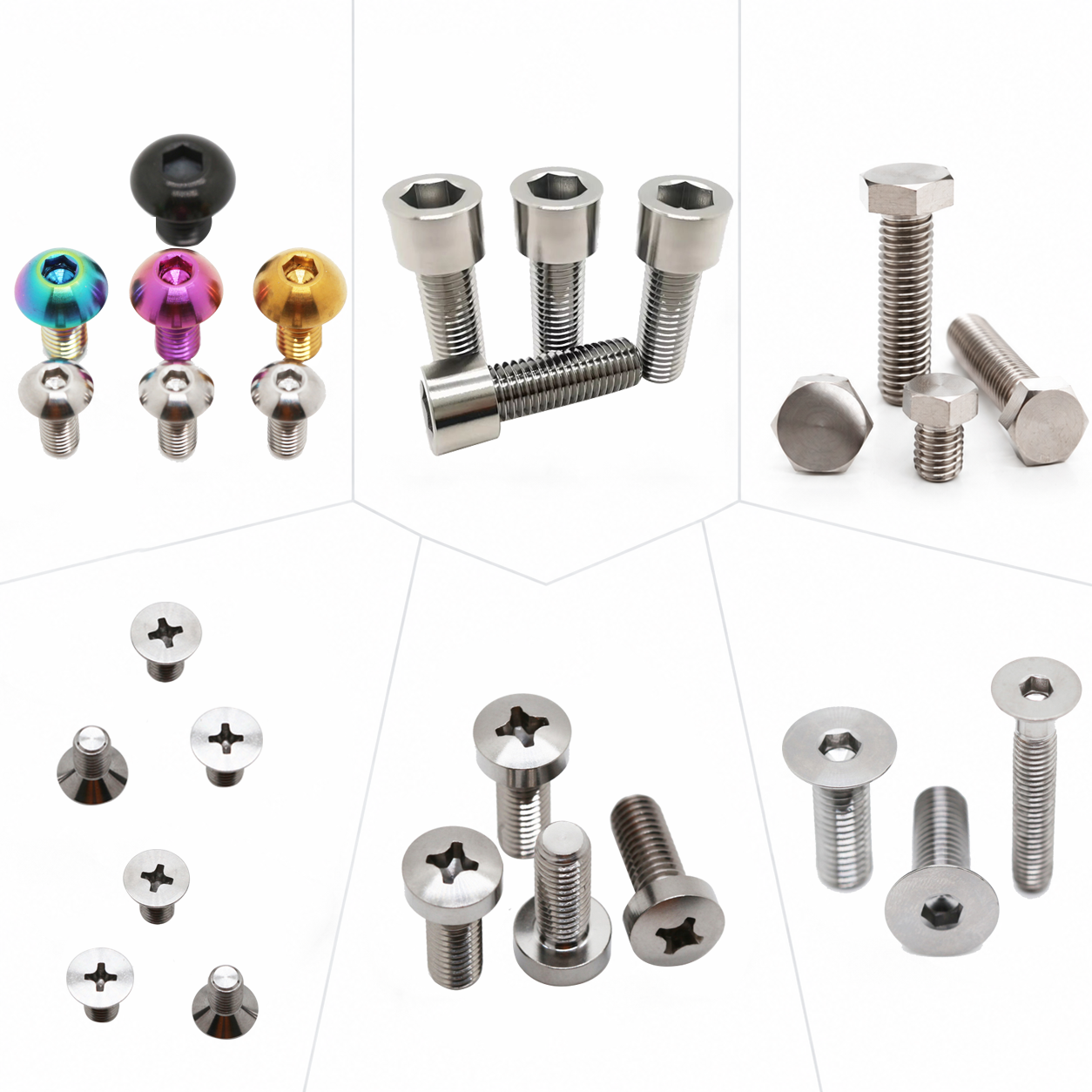
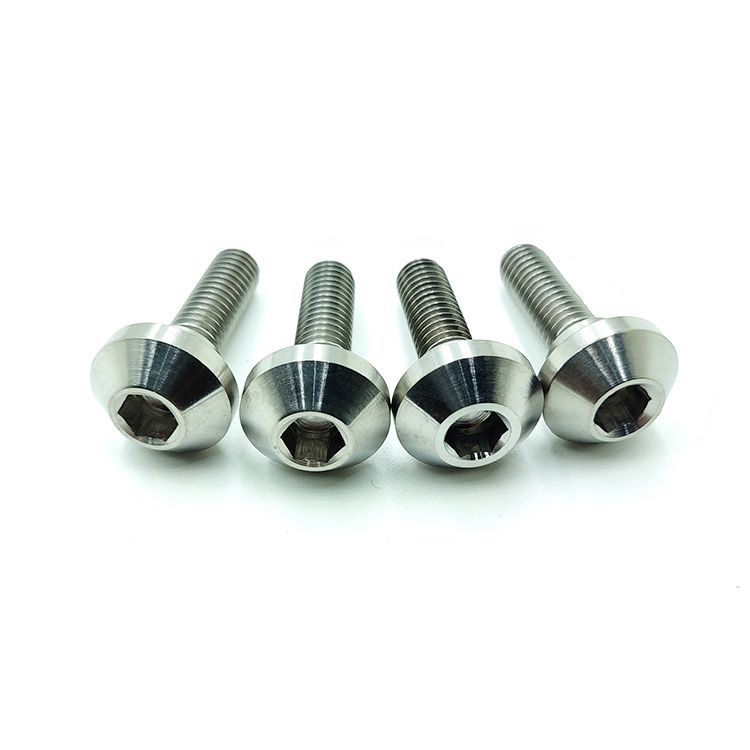
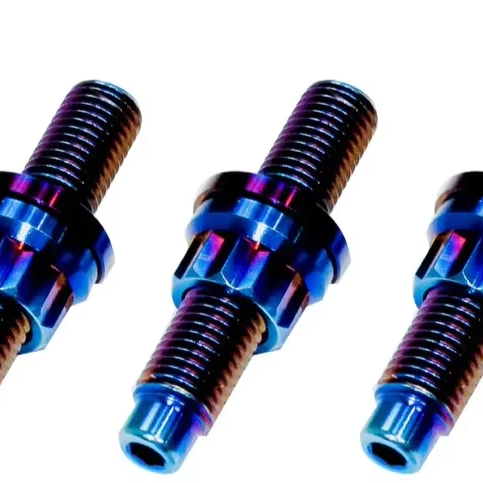
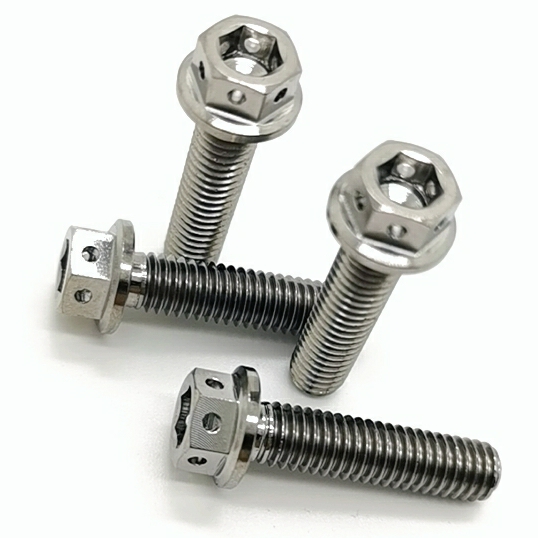
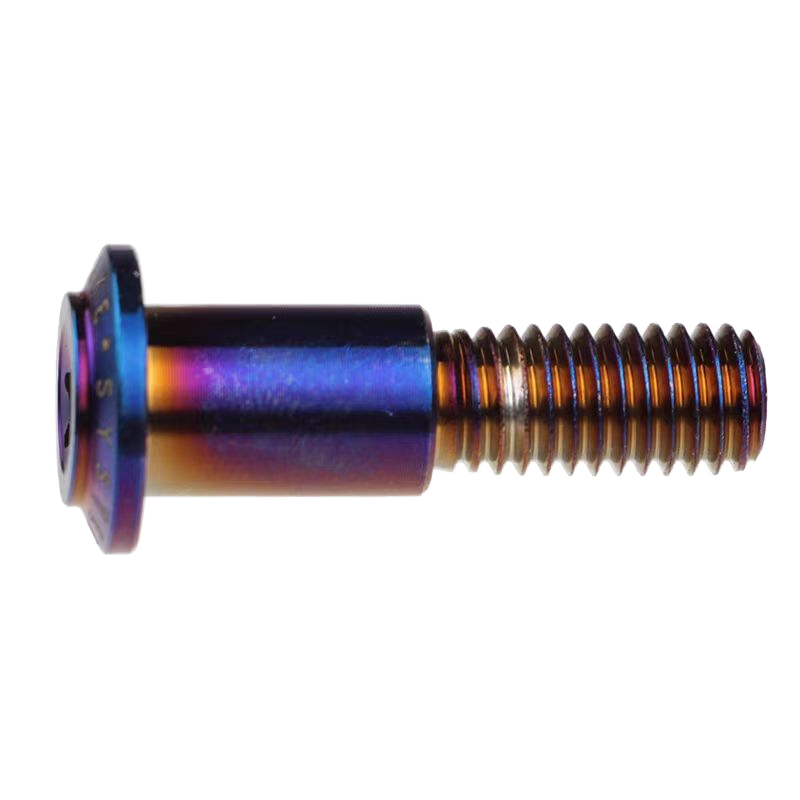
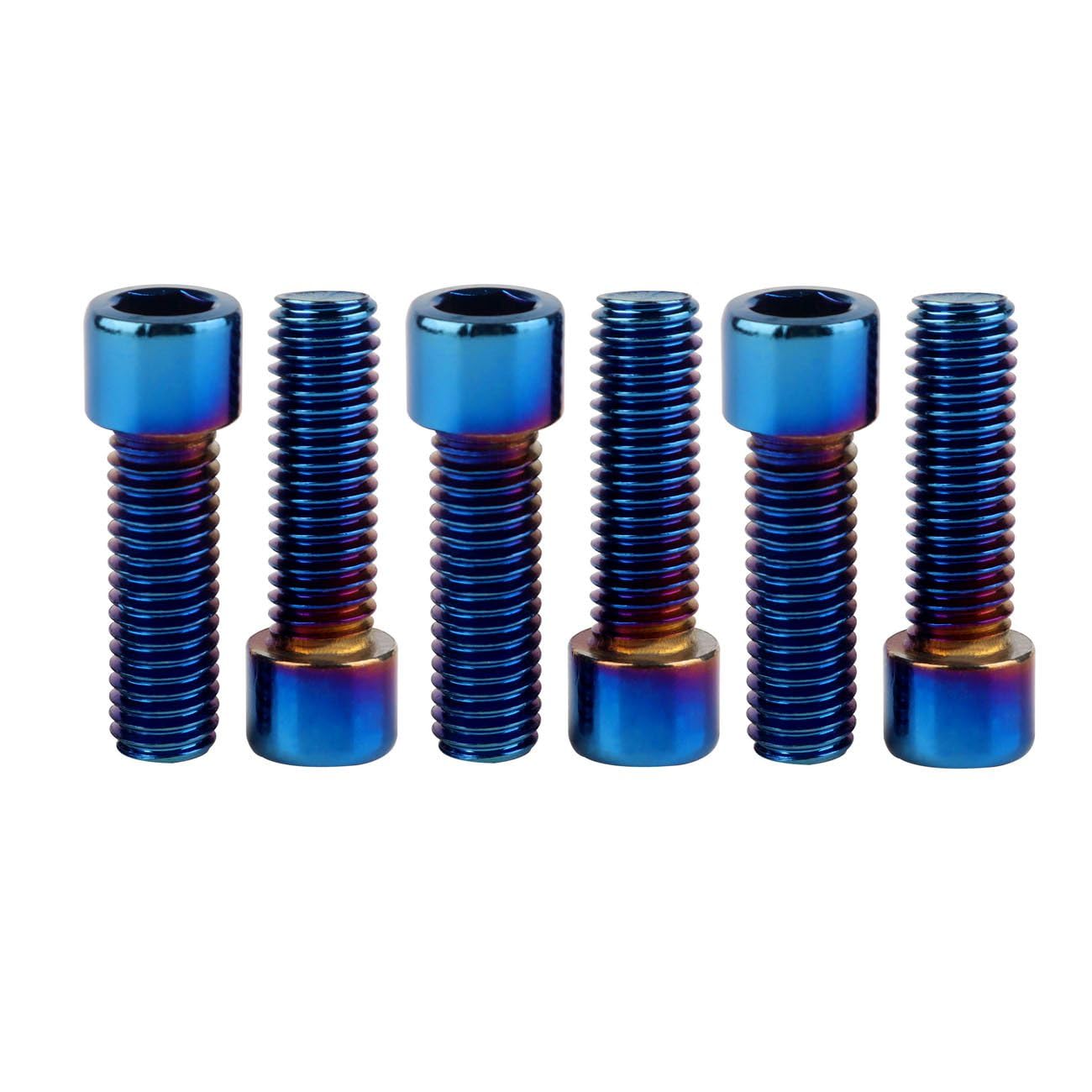
Operating continuously since 2013, Yevzo Titanium Metal Co., Ltd. combines sovereign metal supply advantages with multi-axis CNC micro-machining capabilities.
Headquartered within the Honeycomb Industrial Park of Baoji High-Tech Development Zone, Yevzo is positioned at the epicenter of global titanium refining and forging. Our supply chain operates without intermediate steel brokers or trading friction. Every batch of Grade 2 (UNS R50400) and Grade 5 (Ti-6Al-4V, UNS R56400) commences with strict vacuum-arc remelted (VAR) ingots meeting ASTM B348, AMS 4928, and ISO 5832 standards.
Unlike standard set screws manufactured through cold-forging carbon wires, titanium set screws require advanced multi-axis CNC lathe turning, precise internal socket broaching, and cut/ground helical threads to eradicate micro-fissures and stress concentration planes. Our manufacturing floor houses specialized automatic Swiss-turn centers configured specifically for the difficult shear properties and lower thermal conductivity inherent to titanium alloys.
No intermediaries. Direct technical consultation from CAD/STEP drawing analysis to finished threaded components with complete lot traceability.
Engineered socket profiles including Hexagon, Torx (Star drive), Spline, and Slotted designs fabricated without micro-fracturing along internal corners.
Electrolytic Type II and Type III anodization protocols that alter optical interference layers without dimensional deviation on thread pitch diameters.
Mill Test Certificates (EN 10204 3.1) accompanying every dispatch documenting exact interstitial gas limits (O, N, C, H, Fe).
Understanding mechanical load distribution, galling mitigation, and point profile dynamics for specialized mechanical assemblies.
Set screws—often referred to as grub screws—perform an essential function in modern kinematics: transmitting torsional drive, securing rotating shafts against axial displacement, and locating precision optical or medical stages without head interference. However, selecting a custom OEM titanium set screw requires analyzing physical traits beyond those of standard structural hex bolts.
The retention mechanism of a headless set screw depends on the interface between its contact point and the mating shaft. At Yevzo, our CNC manufacturing line accommodates five distinct point geometries:
1. Cup Point (DIN 916 / ISO 4029): The most common geometry, featuring a specialized cutting rim that penetrates into the shaft surface for maximum locking integrity. Suited for semi-permanent assemblies subjected to dynamic vibration.
2. Cone Point (DIN 914 / ISO 4027): Features a sharp, conical profile designed to sink into a pre-drilled locating hole, providing maximum torsional resistance and rigid axial positioning.
3. Flat Point (DIN 913 / ISO 4026): Engineered for applications requiring frequent repositioning without scoring or marring hard chrome shafts, brass liners, or ceramic interfaces.
4. Dog Point & Half Dog (DIN 915 / ISO 4028): Features a cylindrical tip that registers into an internal slot or keyway, allowing rotational float while restricting axial movement.
| Parametric Metric | Gr2 Commercially Pure (CP) | Gr5 Alloy (Ti-6Al-4V) | AISI 316 Stainless (Ref) | Class 10.9 Steel (Ref) |
|---|---|---|---|---|
| Ultimate Tensile Strength | 345 – 485 MPa | 895 – 1000 MPa | 580 – 620 MPa | 1000 – 1040 MPa |
| Yield Strength (0.2% Offset) | 275 MPa min | 828 MPa min | 290 MPa min | 900 MPa min |
| Mass Density | 4.51 g/cm³ | 4.43 g/cm³ | 8.00 g/cm³ | 7.85 g/cm³ |
| Modulus of Elasticity | 105 GPa | 114 GPa | 193 GPa | 210 GPa |
| Corrosion in Seawater / Marine | Immune (< 0.001 mm/yr) | Immune (< 0.001 mm/yr) | Pitting Risk in Crevice | Severe Rusting |
| Magnetic Permeability | Non-magnetic (1.00005) | Non-magnetic (1.00005) | Slightly Paramagnetic | Ferromagnetic |
Titanium exhibits a rapid surface passivation mechanism, spontaneously producing an adherent titanium dioxide (TiO₂) film upon oxygen exposure. While this imparts corrosion resistance, it can cause clean titanium surfaces to micro-weld under extreme contact pressure—a state known as galling or cold welding.
When specifying custom OEM set screws, our engineering team mandates precise thread lead-in chamfers (30° to 45° angle) to avoid thread cross-binding. For critical installations involving titanium-into-titanium threads, we recommend factory-applied anti-seize lubricants (such as molybdenum disulfide or ceramic paste) or specialized surface conversion processes, including thin-film PVD coatings (TiN, TiAlN, DLC) and Micro-Arc Oxidation (MAO) to enhance surface hardness past 65 HRC.
Strategic structural shifts across robotics, e-mobility, semiconductor fabrication, and clean hydrogen infrastructure driving micro-fastener demand.
The expansion of surgical robotics, collaborative lightweight arms (cobots), and high-maneuverability UAVs requires strict reductions in rotational inertia. Designers are replacing traditional hardened alloy steel set screws with Gr5 titanium. This reduces reciprocating mass by over 40% while preserving clamping retention at high torque limits.
Semiconductor lithography, advanced microscopy, and satellite optical payloads operate in high-vacuum environments where zinc or cadmium plated steel fasteners outgas toxic contaminants. Passivated, ultrasonic-degreased Grade 5 titanium set screws maintain structural stability without volatile residue or non-magnetic interference.
With the rapid shift toward high-voltage electric propulsion and PEM hydrogen electrolysis stacks, fasteners must withstand aggressive chemical exposures, stray currents, and localized chlorine salts. Titanium set screws provide stability without the stress-corrosion cracking seen in austenitic stainless steels.
Technical guidance direct from Yevzo's engineering and metallurgical quality control teams.
Submit your 2D drawings (PDF, DXF) or 3D models (STEP, IGES) alongside your intended application requirements. Our senior application engineers will provide DFM feedback, tolerance validation, and quotation within 24 hours.