Factory-Engineered Titanium Fasteners & Hex Components
Direct OEM production from certified aerospace-grade titanium billet. Explore our primary series of precision hex head bolts, flanged fasteners, countersunk machine screws, and high-strength nuts machined to DIN, ISO, and custom tolerances.
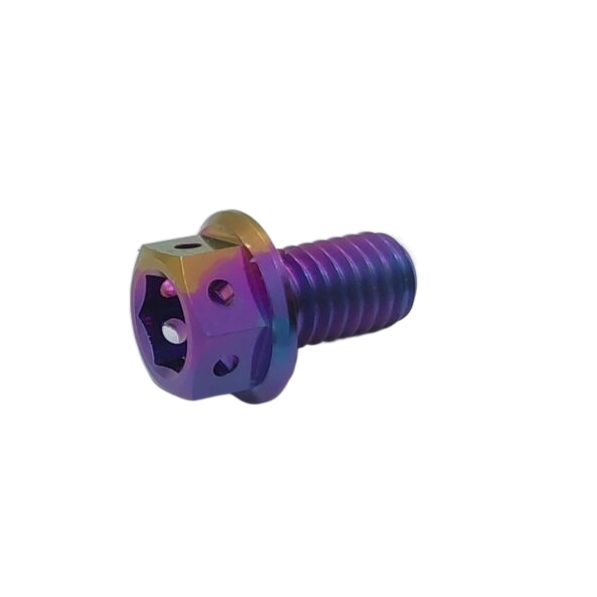
ZFTI Class 8.8 Gr5 Titanium Flange Bolt Anodized PVD Hex Head UNF Thread CNC Machined Motorcycle
- StandardDIN 6921 / UNF
- MaterialGr5 (Ti-6Al-4V)
- FinishPVD Anodized Multi-Color
- Tensile≥ 895 MPa
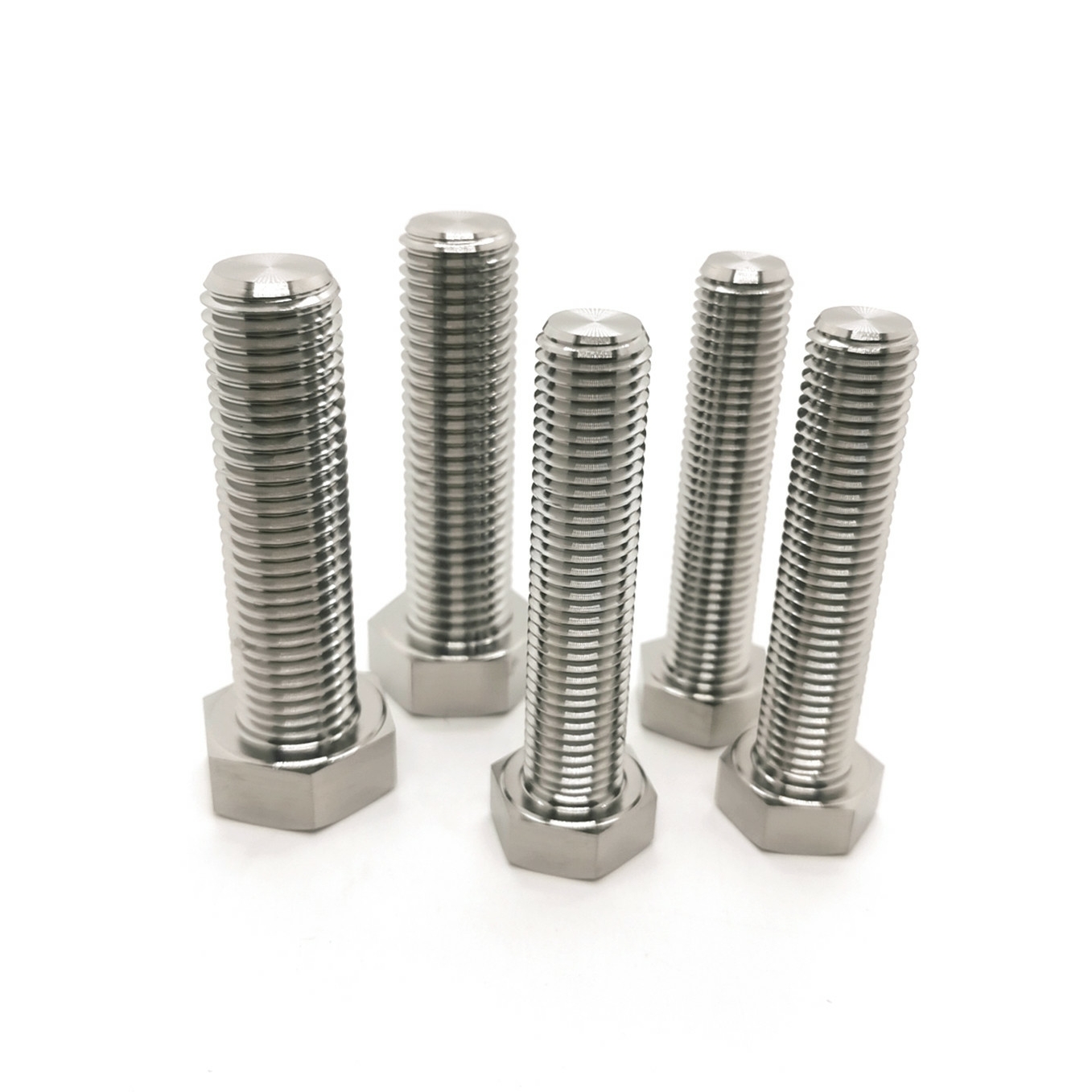
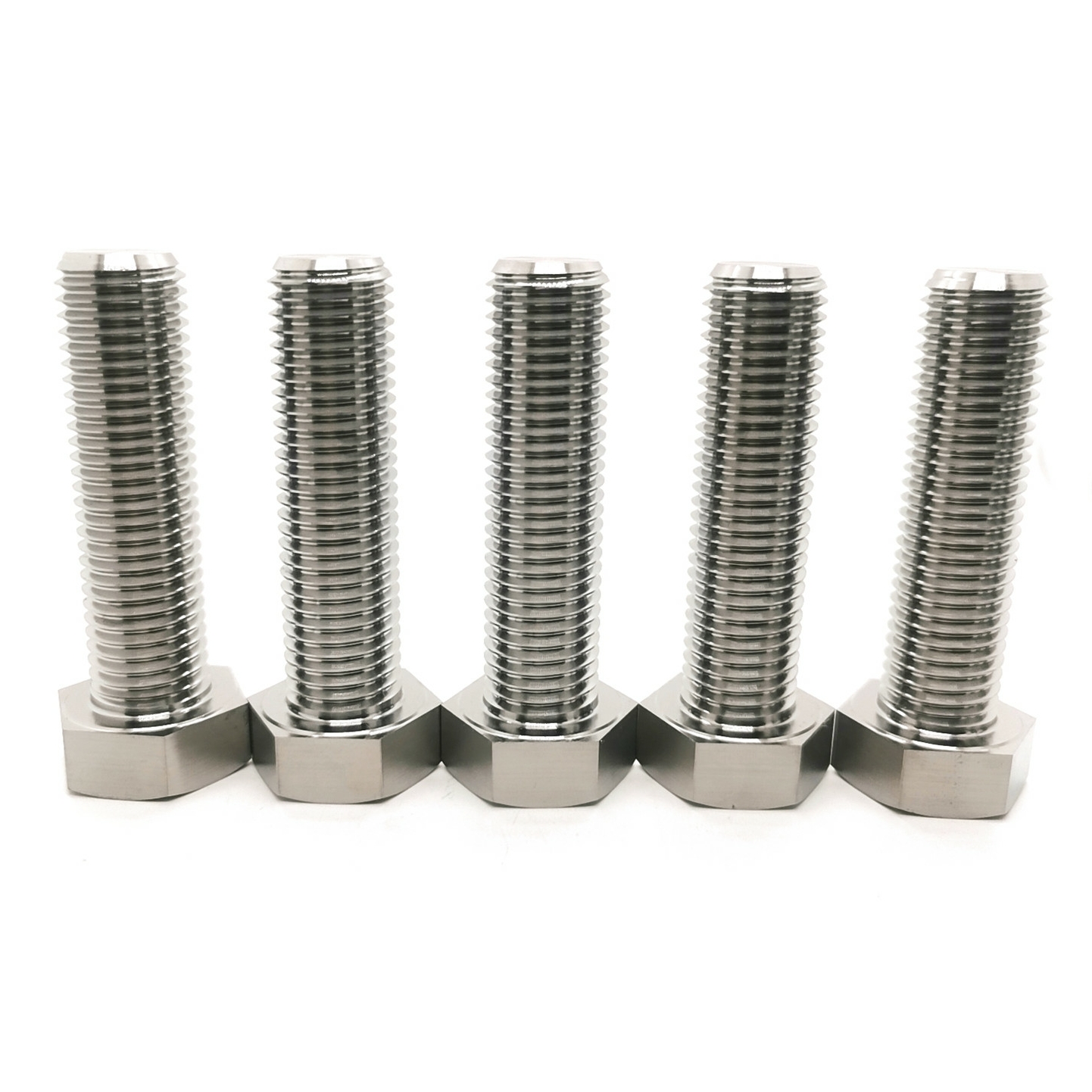
ZFTI Factory Direct Titanium Hex Bolt Full Thread ISO 4018 M8 M10 M12 M14 M16 Plain Finish
- StandardISO 4018 / DIN 933
- Metric SizesM8 – M16 Fully Threaded
- GradeGrade 5 / Grade 2
- SurfaceMachined / Polished Plain
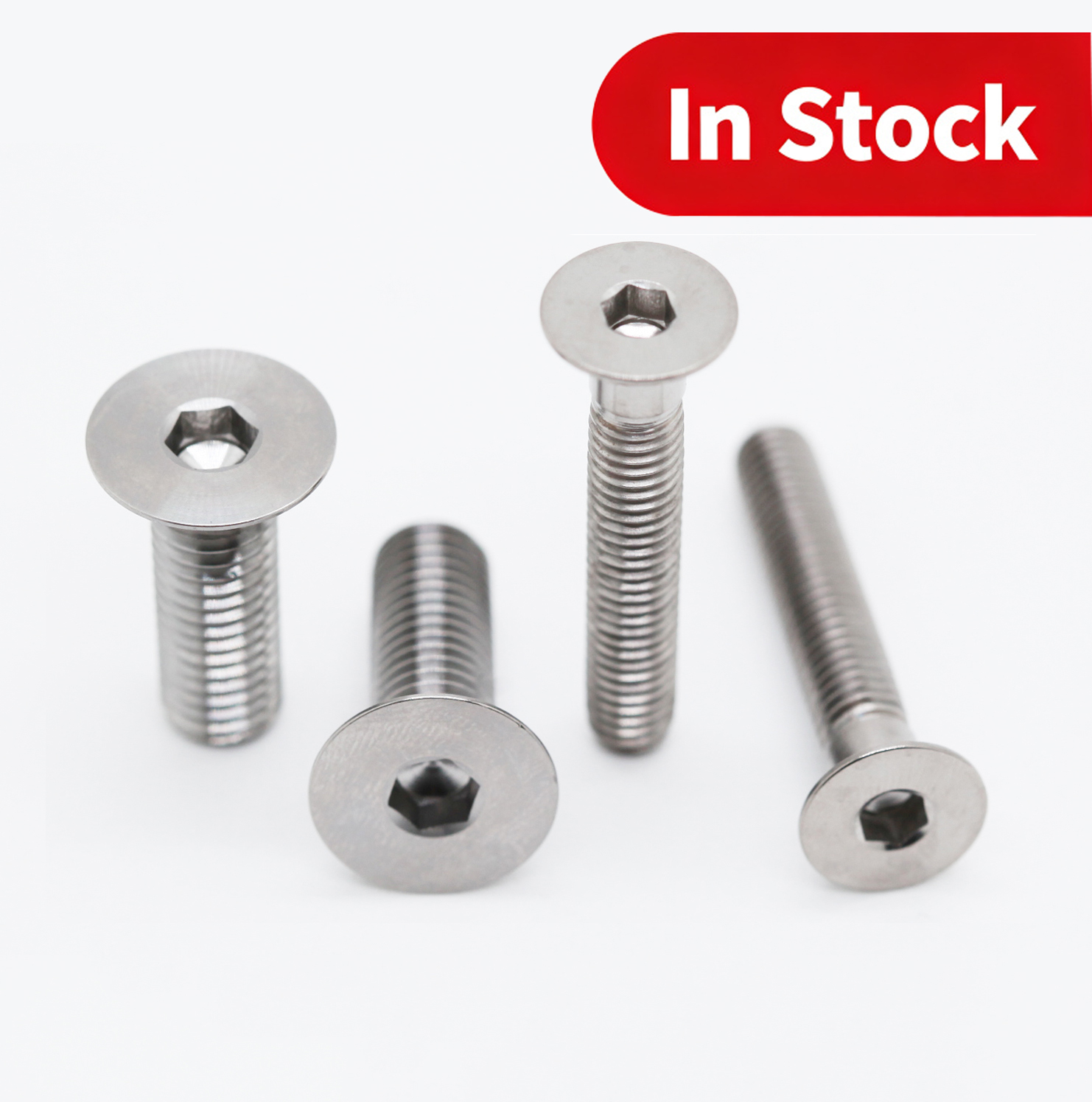
Available Immediately DIN7991 Titanium Countersunk Hexagon Bolt Flat Head Screw M3 M4 M5
- StandardDIN 7991 / ISO 10642
- Drive StyleHexagonal Socket
- DiameterM3, M4, M5 Micro-Screws
- ApplicationPrecision Robotics & Drones
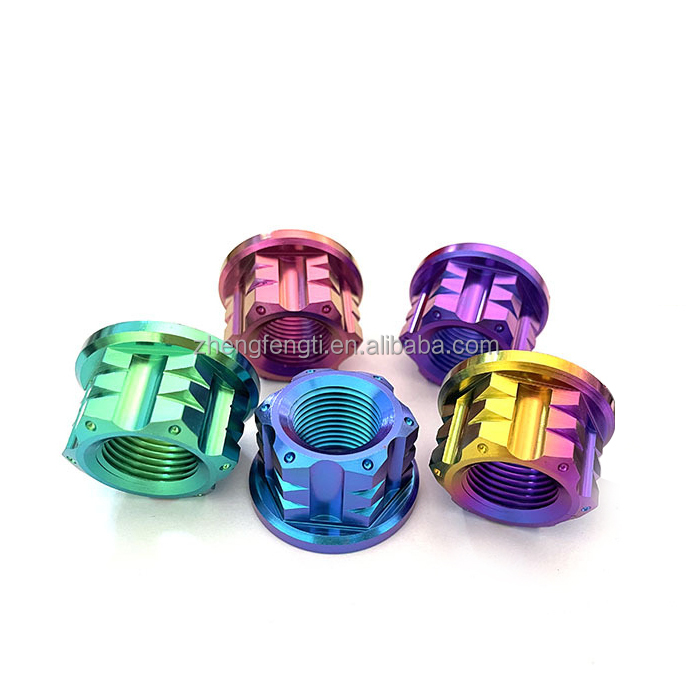
Wholesale Titanium Flange Hex Nut M4 M5 M6 M8 M10 CNC Machine DIN933 CLASS8.8 Corrosion-Resistant
- StandardDIN 6923 / Custom Hex
- DiameterM4 to M10 Metric
- Property ClassEquivalent Class 8.8 / 10.9
- FeatureIntegrated Serrated Base
DIN912 Titanium Hexagon Socket Head Cap Screws Class 8.8 CNC Machined Corrosion-Resistant (M0.8-M24)
- StandardDIN 912 / ISO 4762
- Size RangeM0.8 Micro to M24 Heavy
- ToleranceISO 6g / Class 2A
- TreatmentElectrolytic Polishing
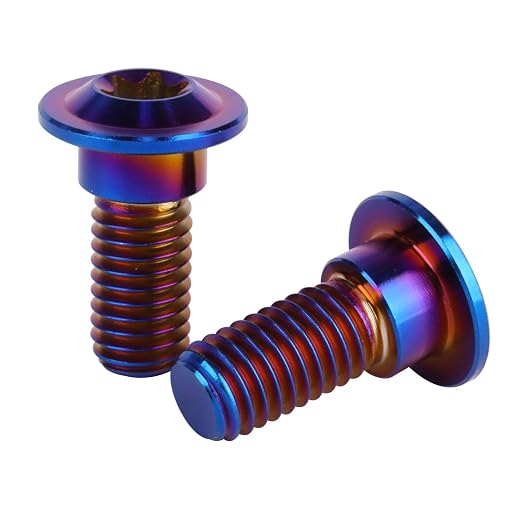
Motorcycle Titanium Bolts Hexagonal Step Flat Head Zinc Finish M8 1.25 Teeth Disc Brake
- GeometryStepped Hex Shoulder Bolt
- Thread PitchM8 x 1.25 Rolled Threads
- Shear StrengthHigh Dynamic Fatigue Life
- UsageRotor & Caliper Mounting
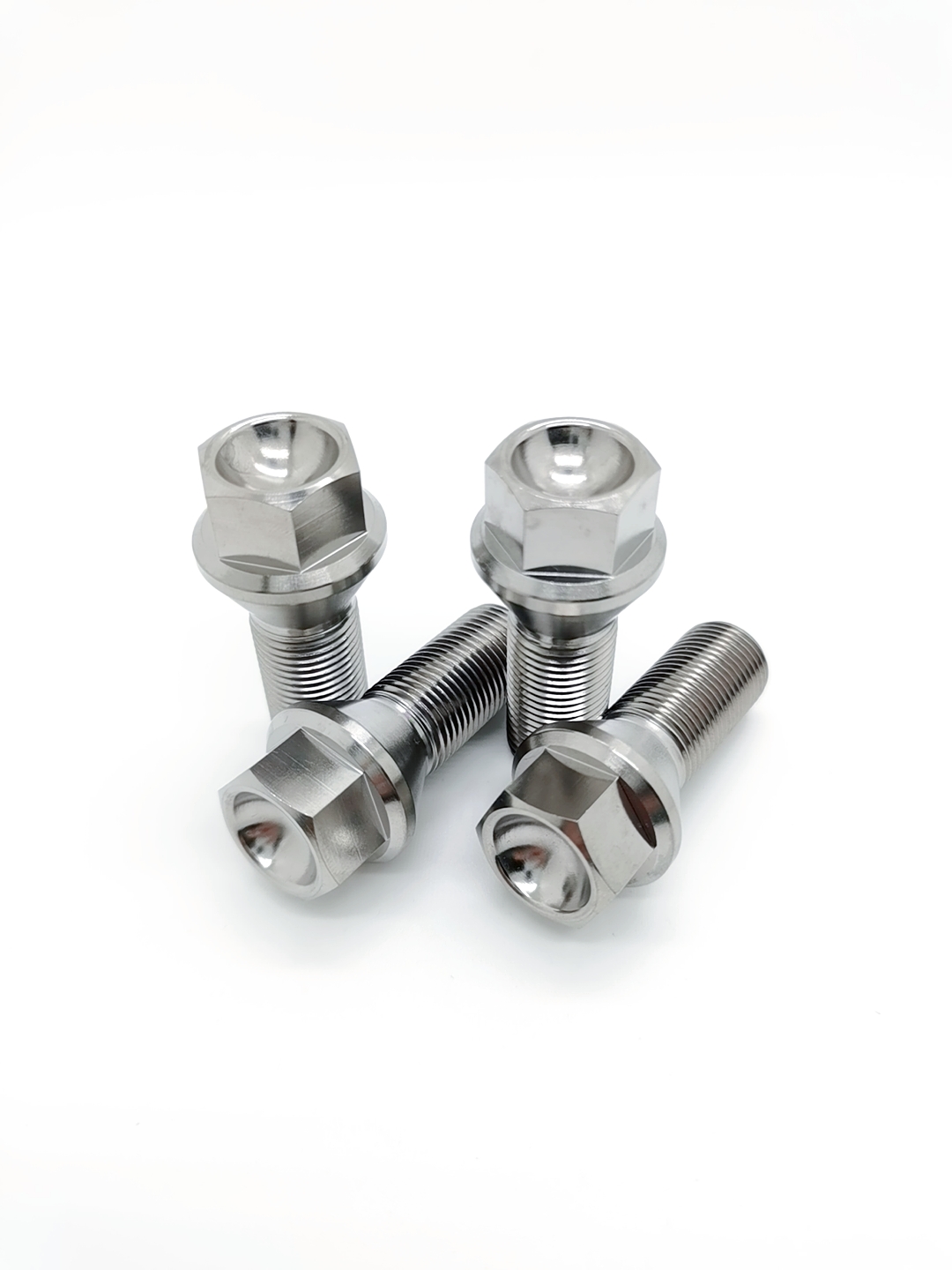
GR5 Titanium Wheel Lug Bolts Lightweight High Strength Flat Head UNC for Custom Wheels
- SeatingConical 60° / Ball Seat
- MaterialForged Ti-6Al-4V Bar
- Weight Cut45% Less vs Grade 10.9 Steel
- ThreadMetric M12/M14 & UNC
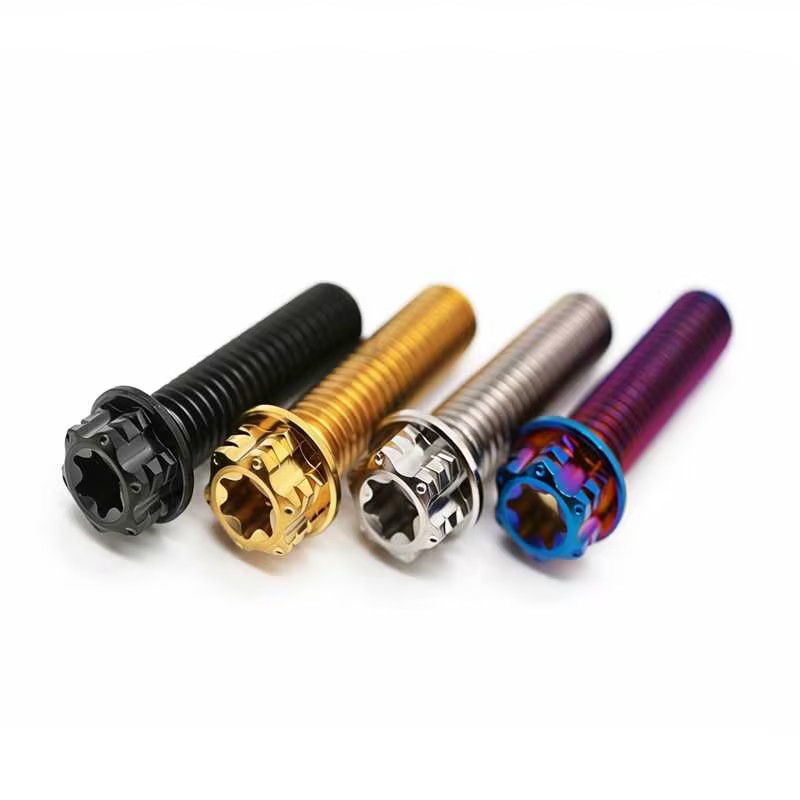
M8 Titanium Torx Head Motorcycle Bolt Gr5 CNC Anodized PVD Star Screw for Bike Modification OEM
- DriveTorx / Hex Star Drive
- CoatingVacuum Arc PVD Coating
- Anti-GallingPhysical Vapor Hardened
- ApplicationChassis, Fairing & Engine
Engineering Whitepaper: Metallurgical Purity and Forming Mechanics in Titanium Hex Fasteners
Industrial procurement of custom OEM titanium hex screws requires a rigorous understanding of metallurgical phase equilibrium, grain boundary morphology, and mechanical shear tolerances. As an engineering-first titanium fastener manufacturer rooted in Baoji—China's renowned "Titanium Valley"—Yevzo Titanium Metal Co., Ltd. controls every vector of production from raw vacuum arc remelted (VAR) sponge titanium to precision cold-heading and multi-axis CNC Swiss machining. Titanium fasteners cannot be treated like common stainless steel or carbon steel; their unique mechanical behavior demands tight process parameters to prevent cold work hardening, micro-cracking, and thread seizure under high clamping loads.
Cold Heading vs. 5-Axis CNC Precision Machining: The Structural Grain Analysis
When evaluating custom OEM factories, procurement directors must evaluate the structural difference between fully CNC cut hex fasteners and warm-forged/cold-headed screws with rolled threads. At Yevzo Titanium, we deploy both technologies according to product performance requirements:
Thread Rolling Technology
Cutting threads disrupts the metallurgical grain fibers. Our factory utilizes high-pressure hydraulic thread rolling dies. Cold plastic deformation forces the grain lines to continuously flow along the thread crest and root profiles, delivering a 30% higher shear resistance and superior dynamic fatigue life under high cyclic preloads.
Multi-Axis Swiss Machining
For complex architectural geometries, custom stepped hex flanges, and internal drive cap configurations (DIN 912, DIN 7991), our Japanese citizen CNC turning centers execute live tooling operations in a single clamping setup, guaranteeing strict runout tolerances within ±0.005 mm.
Vacuum Annealing & Stress Relief
Following high-speed CNC turning or severe cold heading, residual internal stresses are completely mitigated inside high-vacuum heat treatment furnaces at 700°C – 750°C. This prevents stress-corrosion cracking (SCC) and eliminates head-to-shank separation under shock vibration.
Mechanical & Metallurgical Yield Matrix: Grade 5 Titanium vs. Competitive Alloys
Specifying the appropriate titanium grade directly impacts strength-to-weight efficiency, elastic modulus matching, and galvanic safety. The table below outlines key baseline engineering values verified across ASTM B348, AMS 4928, and ISO 898-1 standard benchmarks:
| Material Specification | Yield Strength (MPa) | Tensile Strength (MPa) | Density (g/cm³) | Specific Strength (kN·m/kg) | Corrosion Resistance | Thermal Expansion (×10&sup6;/K) |
|---|---|---|---|---|---|---|
| Titanium Gr5 (Ti-6Al-4V) Annealed | ≥ 828 | ≥ 895 | 4.43 | 202 | Extreme (Immune to Chlorides) | 8.6 |
| Titanium Gr2 (Commercially Pure) | ≥ 275 | ≥ 345 | 4.51 | 76 | Immune (Acid/Alkali/Seawater) | 8.6 |
| Stainless Steel 316 / A4-80 | ≥ 600 | ≥ 800 | 7.98 | 100 | Moderate (Pitting in Cl¯) | 16.0 |
| High-Tensile Steel Class 10.9 | ≥ 900 | ≥ 1040 | 7.85 | 132 | Poor (Requires Surface Plating) | 11.5 |
| Aerospace Aluminum 7075-T6 | ≥ 503 | ≥ 572 | 2.81 | 204 | Low (Susceptible to Exfoliation) | 23.4 |
From a functional standpoint, Ti-6Al-4V Grade 5 hex bolts offer comparable clamping force to Property Class 8.8 and 10.9 steel fasteners while achieving a 43% to 45% reduction in unsprung mass. For performance automotive hub hubs, caliper brackets, motorcycle subframes, and robotic articulation arms, this mass reduction substantially diminishes rotational inertia and resonant harmonic chatter.
Surface Engineering: Anodizing, PVD Hard Coatings, and Anti-Galling Tribology
A primary tribological hurdle in applying titanium fasteners is their susceptibility to adhesive wear, commonly referred to as galling or cold welding. Because titanium naturally reacts instantaneously with atmospheric oxygen to generate a thin, self-passivating titanium dioxide (TiO&sub2;) layer, sliding friction against another metal under heavy normal loads can strip this oxide film, resulting in direct bare-metal contact and micro-welding of mating thread peaks.
Electrolytic Anodizing (Type II)
Beyond aesthetic coloration (blue, gold, purple), industrial Type II conversion anodizing significantly increases the surface oxide layer depth, raising compressive surface stress, lowering the frictional coefficient, and improving initial thread engagement wear resistance.
PVD Magnetron Sputtering
For high-cycle fasteners, our physical vapor deposition (PVD) chambers deposit ultra-hard ceramic thin films including Titanium Nitride (TiN), Titanium Carbonitride (TiCN), and DLC (Diamond-Like Carbon), yielding surface hardness ratings exceeding 2,500 – 3,000 HV.
Torque-Tension Calculation
Titanium features an elastic modulus of ~114 GPa (roughly half of steel's 210 GPa). Consequently, torque targets must be calculated using the formula T = K · D · F, accounting for a nut factor (K) shifting from 0.10 with anti-seize paste to 0.22 in dry mating environments.
Galvanic Isolation Design
When fastening titanium hex bolts into magnesium or 6000/7000 aluminum housings, the electrochemical potential gap can induce galvanic cell corrosion in the anodic aluminum. We supply custom insulating PTFE/nylon collars and dry-film MoS&sub2; barrier coatings to ensure zero joint degradation.
Future Procurement Trends: 2025–2030 Global Market Outlook for Custom Titanium Fasteners
Strategic sourcing of custom titanium hardware is shifting from reactive aftermarket parts ordering toward deep, integrated Tier-1 and Tier-2 OEM contract manufacturing. Cross-industry supply chain analyses point to distinct strategic transformations occurring across key industrial sectors:
Electrified Powertrain & EV Lightweighting
Battery electric vehicles (BEVs) and electric hypercars face severe vehicle curb-weight restrictions to maximize range. Grade 5 titanium wheel lug bolts, subframe flanged bolts, and suspension fasteners are becoming standard specifications in high-performance EVs to offset high cell-pack weights while ensuring absolute road salt corrosion resistance.
Aerospace Commercialization & Drones
The acceleration of Low Earth Orbit (LEO) satellite constellations, private rocketry, and commercial eVTOL air taxi platforms has created unprecedented demand for certified, traceable titanium hex head screws that offer micro-tolerance threading, high vibration stability, and low cryogenic outgassing.
Green Hydrogen & Marine Decarbonization
Hydrogen electrolyzers, maritime fuel cells, and offshore energy infrastructure require fasteners capable of withstanding intense chloride oxidation and high-pressure hydrogen embrittlement. Commercially Pure Grade 2 and specialized Grade 12 titanium fasteners provide total immunity where high-grade stainless steels succumb to pitting.
Baoji Factory Infrastructure & Quality Management Architecture
Operating since 2013, Yevzo Titanium Metal Co., Ltd. is physically positioned within the Honeycomb Industrial Park, Fenghuang 3rd Road, High-Tech Development Zone, Baoji, Shaanxi, China. Our on-site manufacturing compound integrates high-speed Japanese turning-milling centers, cold-heading stations, vacuum heat treatment furnaces, and an in-house metallurgical inspection laboratory.
EN 10204 3.1 Traceability
Every single batch of titanium bars undergoes strict spark emission spectrometry and ultrasonic non-destructive testing (NDT). We provide raw material mill test certificates verifying exact chemical composition and mechanical tensile limits for zero-defect compliance.
Automated Metrology & CMM
Dimensional fidelity of hex head concentricity, flange perpendicularity, and lead angle pitch is audited via automated optical comparators and Coordinate Measuring Machines (CMM) down to ±0.002 mm, preventing installation misalignment.
OEM / ODM Custom Tooling
We machine hex flange screws, deep internal Torx/star drives, drilled safety-wire race heads, stepped suspension shafts, and countersunk flat sockets directly from customer 2D blueprints (PDF/DWG) and 3D parametric solids (STEP/IGES).
Comprehensive Export Terms
Global procurement teams benefit from diversified trade contracts: FOB, CFR, CIF, EXW, FCA, CPT, and door-to-door DDP with customs clearing. Flexible multi-currency payments supported in USD, EUR, GBP, JPY, and AUD via T/T, L/C, and secure transactions.
Frequently Asked Questions for Sourcing Custom Titanium Screws
Clear, authoritative technical answers addressing engineering verification, production cycles, minimum order quantities, and anti-galling procedures.
What exact criteria determine whether a hex bolt should be specified in Grade 2 versus Grade 5 titanium?
Why do rolled threads outperform machined threads on OEM titanium hex screws?
What are the factory's Minimum Order Quantities (MOQ) and production lead times for custom drawings?
How does Yevzo prevent thread galling during high-torque robotic or manual installation?
Can titanium fasteners be safely clamped into aluminum or carbon fiber without causing galvanic degradation?
What quality documentation and testing reports are included with international shipments?
Connect Directly With Our Baoji Fastener Engineering Team
Whether you require standard DIN/ISO titanium hex fasteners or custom multi-axis CNC components machined from proprietary drawings, our engineering staff reviews thread classes, strength parameters, torque limits, and coating specs within 24 hours.