Precision Engine & Industrial Titanium Fasteners
Explore our core product lineup manufactured from premium Ti-6Al-4V Grade 5 and Grade 2 materials. Designed for high strength-to-weight ratio, extreme corrosion resistance, and mission-critical reliability.
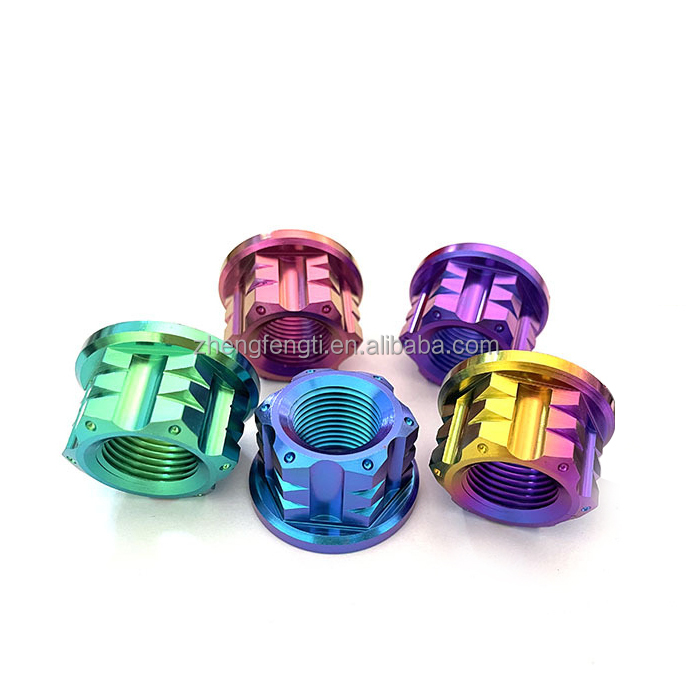
Wholesale Titanium Flange Hex Nut M4 M5 M6 M8 M10 CNC Machine DIN933 CLASS8.8 Plain Finish
View Details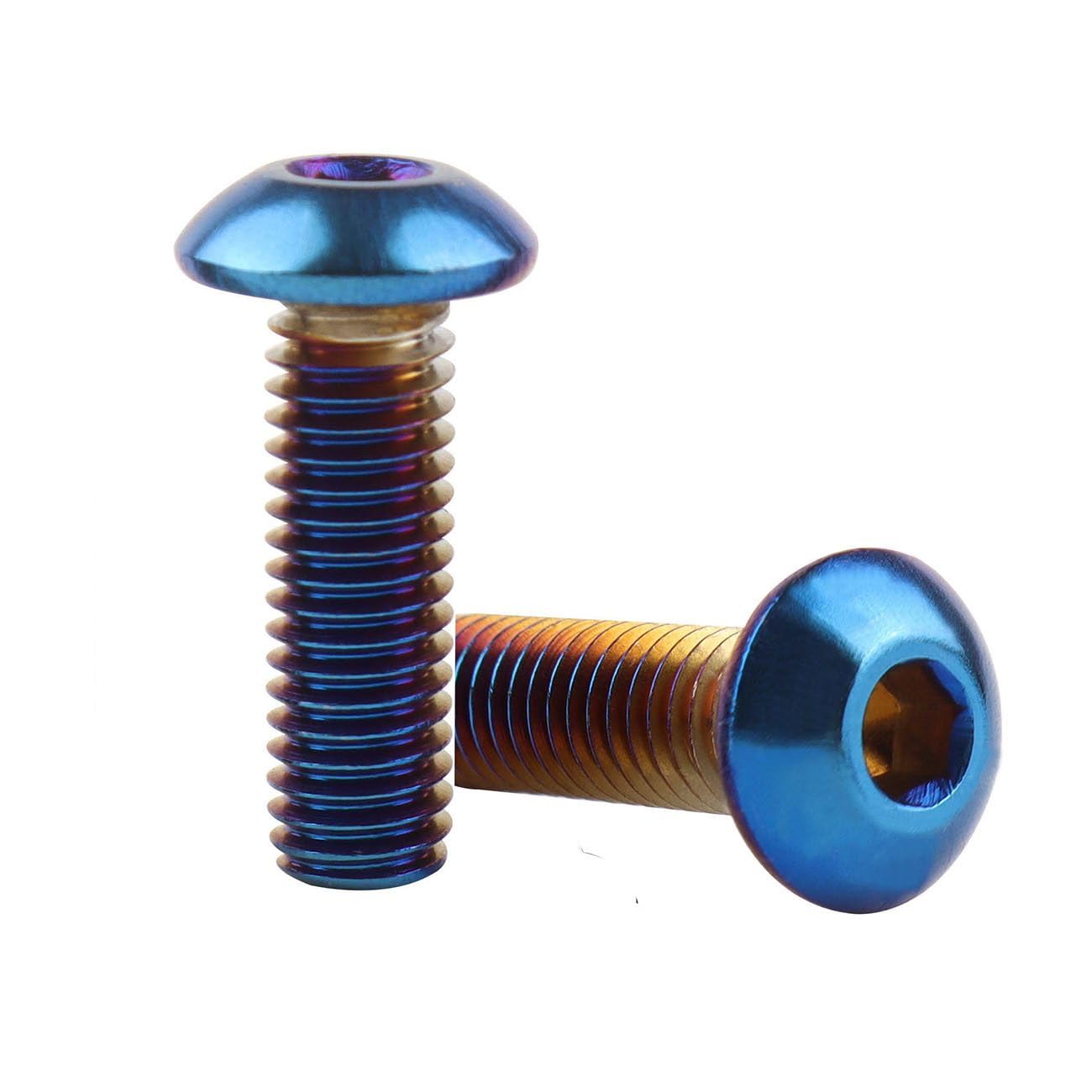
Titanium Finish Bolt M6x12 16 20 25 30 35mm Titanium Screw for Bicycle & Motorcycle Modifications
View Details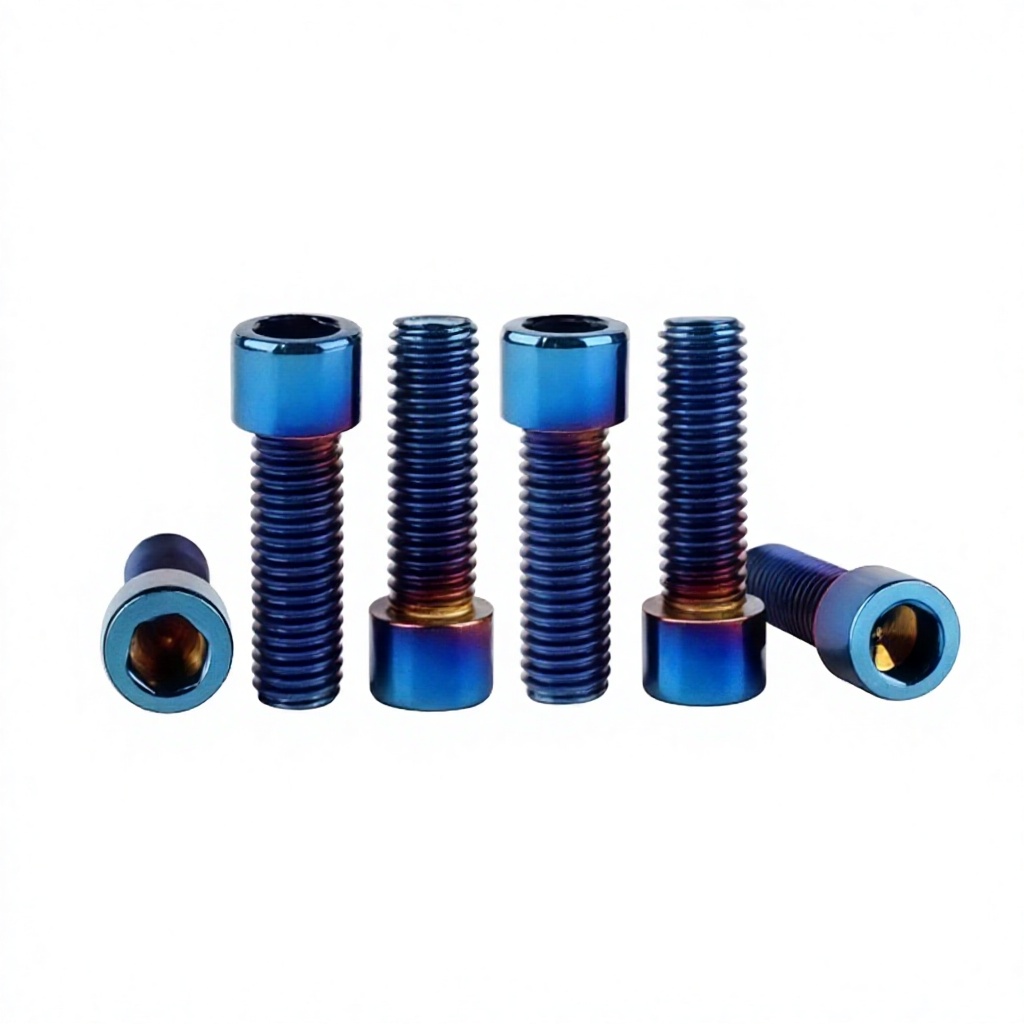
Titanium Bolts with Flat Head Screws Zinc Finish M1.6 Thread Industrial Grade Fastener
View Details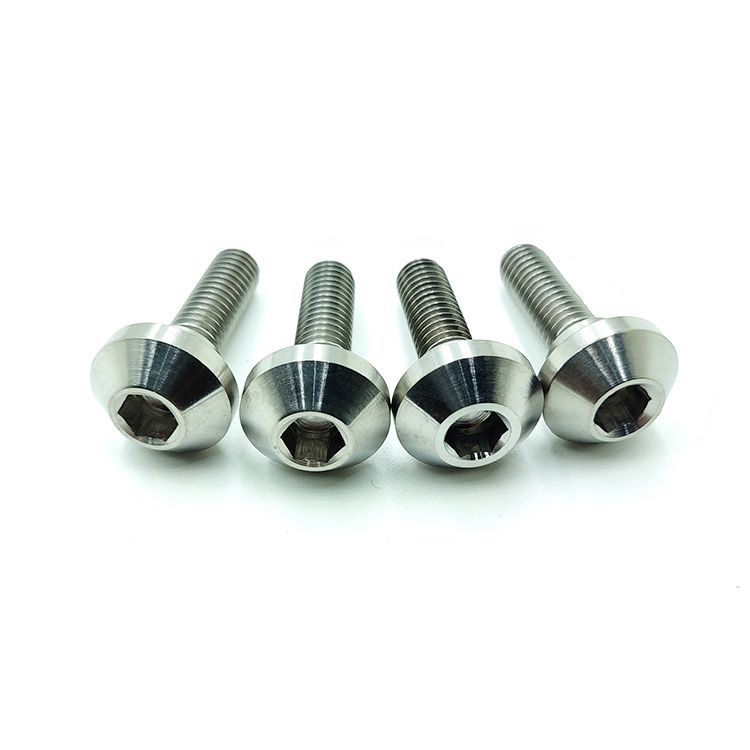
GR5 Titanium Alloy Anodized Brake Bolts for Motorcycle Modified High Performance Class 10.9 & 12.9
View Details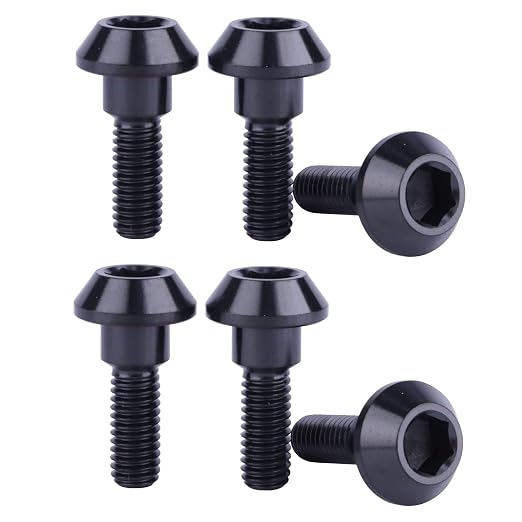
Titanium Bolts Motorcycle Brake Disc Bolt M6 X 20mm High-Tensile Disc Rotor Fastener
View Details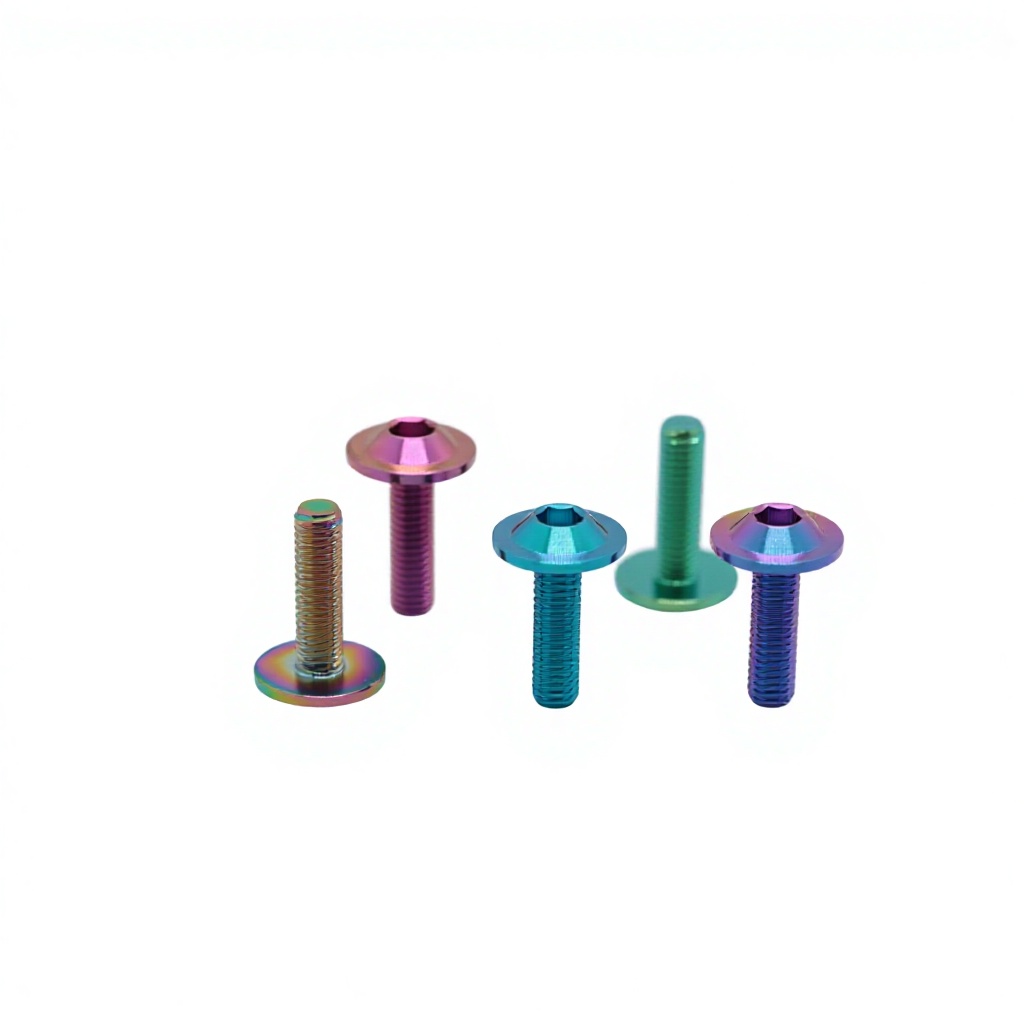
Titanium Large Cap Head Hex Screws Anodized/Plain Finish Colored Fairing Bolts
View Details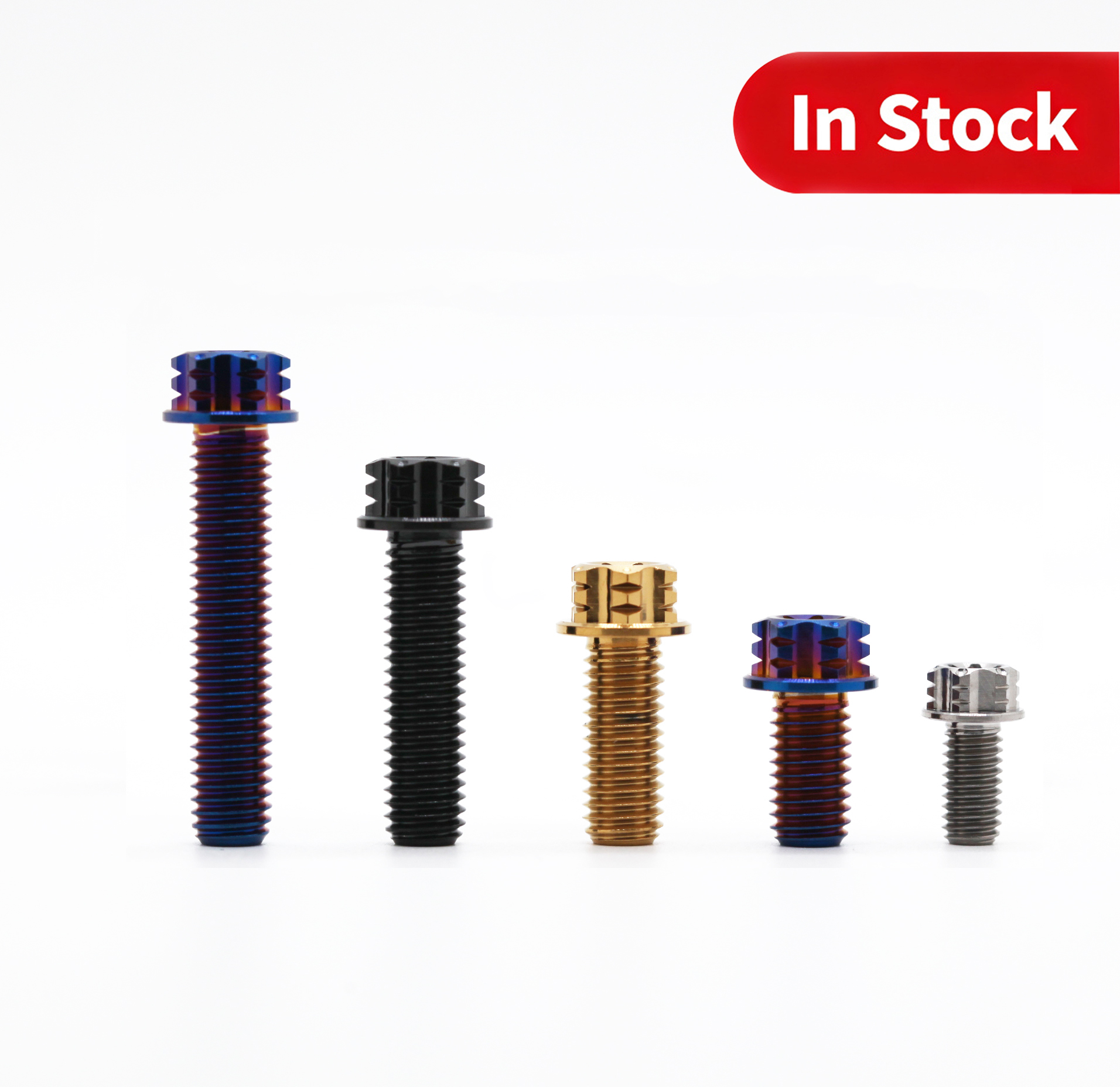
Gr5 Ti 6Al 4V Titanium Alloy Flange Bolts for Motorcycles PVD Anodized M6 M8 M22
View Details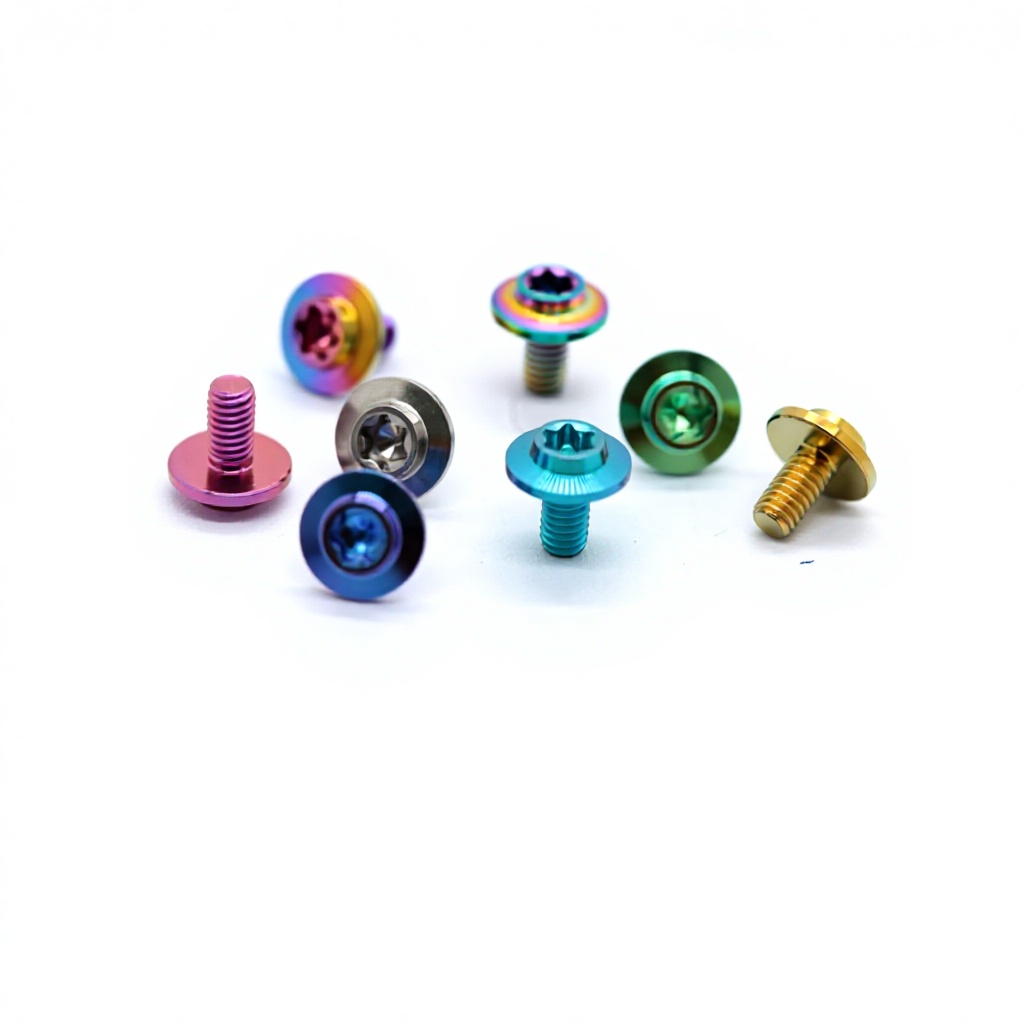
Anodized High Strength GR5 Titanium Alloy M6*15 Umbrella Head Bolts for Motorcycle Modification
View Details1. Technical Overview: Custom OEM Titanium Hardware Procurement
Modern industrial engineering demands hardware solutions that transcend the physical limitations of conventional carbon steel and stainless steel. As a leading manufacturer and exporter rooted in Baoji—world-renowned as China's "Titanium Valley"—Yevzo Titanium Metal Co., Ltd. delivers custom OEM titanium fasteners and precision CNC components engineered for mission-critical operations. The transition to titanium hardware is driven by severe environment requirements where elevated strength-to-weight ratios, extreme fatigue limits, and superior galvanic corrosion resistance are mandatory performance metrics.
Titanium hardware procurement is no longer restricted to aerospace and defense sectors. Industrial automation, automotive tuning, high-performance motorsport, marine subsea systems, cycling engineering, and chemical processing facilities actively specify Grade 2 Commercially Pure (CP) Titanium and Grade 5 Ti-6Al-4V Titanium Alloy. Understanding the metallurgical, mechanical, and economic tradeoffs between these grades is paramount for supply chain managers, technical buyers, and OEM design engineers.
Core Procurement Insight: Grade 5 Titanium (Ti-6Al-4V) yields an ultimate tensile strength exceeding 895 MPa while reducing overall joint weight by 44% compared to Grade 8.8 and 10.9 steel bolts. Selecting thread-rolled titanium hardware rather than thread-cut alternatives dramatically increases fatigue longevity under high dynamic vibration loads.
2. Metallurgy & Material Selection: Grade 2 vs. Grade 5 (Ti-6Al-4V)
The primary decision matrix when developing custom titanium bolts, nuts, and turned parts relies heavily on the crystalline structure of the base metal. Titanium alloys exist in three primary structural categories: Alpha (α), Near-Alpha, and Alpha-Beta (α-β) duplex structures.
Grade 2 Commercially Pure Titanium (UNS R50400)
Grade 2 titanium is an unalloyed, alpha-phase material offering exceptional ductility and corrosion resistance. Containing controlled balances of iron and oxygen, CP Grade 2 provides minimum yield strengths around 275 MPa and tensile strengths of 345 MPa. It is highly resistant to chlorite, marine saltwater pitting, and oxidizing acidic media. OEM buyers specify Grade 2 titanium hex flange nuts, flat washers, and DIN 933 hex head bolts for marine heat exchangers, desalination plant pumps, wastewater processing, and chemical fluid manifolds where joint mass is secondary to chemical immunity.
Grade 5 Titanium Alloy (Ti-6Al-4V / UNS R56400)
Grade 5 is an alpha-beta dual-phase alloy containing 6% aluminum (alpha stabilizer) and 4% vanadium (beta stabilizer). This precise alloy formulation creates a mechanical titan: minimum tensile strength reaching 895 MPa to 950 MPa and yield strength exceeding 828 MPa, making it structurally comparable to heat-treated alloy steels (ISO Class 10.9 and Class 12.9) at a fraction of the mass (density of 4.43 g/cm³ versus steel's 7.85 g/cm³). Grade 5 titanium is the undisputed standard for automotive wheel lug bolts, motorcycle brake caliper bolts, engine dress-up hardware, and aerospace structural pins.
| Mechanical Property | Grade 2 (CP Titanium) | Grade 5 (Ti-6Al-4V) | 316 Stainless Steel | Alloy Steel (Grade 10.9) |
|---|---|---|---|---|
| Ultimate Tensile Strength | ≥ 345 MPa | ≥ 895 MPa | ≥ 580 MPa | ≥ 1040 MPa |
| Yield Strength (0.2% Offset) | ≥ 275 MPa | ≥ 828 MPa | ≥ 290 MPa | ≥ 940 MPa |
| Density | 4.51 g/cm³ | 4.43 g/cm³ | 8.00 g/cm³ | 7.85 g/cm³ |
| Mass Reduction Ratio | ≈ −42% vs Steel | ≈ −44% vs Steel | Baseline (0%) | Baseline (0%) |
| Seawater Corrosion Rate | < 0.001 mm/year | < 0.001 mm/year | Risk of Pitting | Severe Oxidation |
| Thermal Expansion (10⁻⁶/K) | 8.6 | 8.6 | 16.0 | 12.0 |
| Standard Fastener Applications | Chemical, Marine Valves | Auto, Moto, Aerospace | General Marine | Heavy Machinery |
3. Precision Manufacturing & Quality Control Architecture
Manufacturing OEM titanium hardware requires specialized tooling geometry, high-pressure coolant feeds, and continuous tool-wear telemetry due to titanium’s low thermal conductivity and modulus of elasticity. At Yevzo Titanium, our manufacturing workflow incorporates five rigorous steps to guarantee zero-defect production:
Raw Bar Certification
Every lot of ASTM B348 Grade 2 and Grade 5 round bar undergoes spectral chemical analysis and mechanical tensile testing prior to loading onto bar feeders.
Multi-Axis CNC Machining
Utilizing high-rigidity 3-axis, 4-axis, and 5-axis turning centers to produce intricate umbrella head profiles, socket caps, custom flanges, and internal drive sockets (Torx/Hex).
Thread Rolling Process
Critical load fasteners undergo cold thread rolling rather than cutting. Rolling re-aligns grain flow lines parallel to the thread profile, enhancing fatigue resistance by 300%.
Surface Finish & PVD Anodizing
Options include plain micro-machined finishes, mirror polishing, electrochemical anodizing (Gold, Royal Blue, Burnt Blue, Purple), and physical vapor deposition (PVD Titanium Black/Nitride).
Metrology & Thread Inspection
100% verification using optical profile projectors, pitch micro-gauges, and 6H/6g thread ring/plug gauges to enforce strict ISO 4014, DIN 6921, and custom drawing tolerances.
Traceability & Clean Packaging
Heat-lot numbers are stamped or digitally tied to Mill Test Certificates (EN 10204 3.1). Ultrasonic cleaning eliminates cutting fluids prior to individual anti-friction pouching.
4. Strategic Procurement Trends in Titanium Hardware
As global supply chains navigate industrial decarbonization, lightweighting imperatives, and regional sourcing resilience, international buyers are shifting their titanium hardware procurement strategies. Procurement professionals must adapt to four pivotal macro-trends shaping the industry:
Trend A: Electrification & Unsprung Mass Optimization in Automotive OEM
The global shift toward Electric Vehicles (EVs) has turned mass reduction into a premium objective. Battery packs add 300 kg to 700 kg of static load to vehicle chassis. To preserve vehicle range and improve dynamics, automotive OEMs and performance tuners are replacing steel wheel hub bolts, lug nuts, and suspension links with Grade 5 Titanium. Reducing unsprung rotational mass at the wheel hub delivers disproportionate gains in suspension response, acceleration, and energy consumption efficiency.
Trend B: Consolidation of Sourcing in Integrated Industrial Ecosystems
Global buyers are consolidating purchase orders with integrated manufacturers located directly inside specialized metallurgy hubs. Sourcing from Baoji, China offers raw bar mill availability, forging workshops, heat-treatment facilities, and precision CNC turning shops within a 15-kilometer radius. This geographic concentration reduces raw material lead times by up to 40% and shields buyers from multi-tier supply chain disruptions.
Trend C: Demand for Advanced Protective & Decorative PVD Coatings
Traditional titanium anodizing relies on voltage-controlled oxide layer interference. While colorful, standard anodizing can wear under repeated wrenching. Modern buyers are transitioning toward PVD (Physical Vapor Deposition) Titanium Nitride (TiN) and Diamond-Like Carbon (DLC) coatings. PVD coatings yield surface hardness values above 2500 HV, offering extreme scratch resistance, ultra-low friction coefficients, and rich metallic black or deep gold visual profiles essential for premium automotive and motorcycle aftermarket branding.
Trend D: Standardized Fastener Hybridization
Engineers are increasingly specifying hybrid fastener configurations—such as DIN 6923 flange nuts modified with integrated locking serrations, or umbrella-head bolts featuring dual-drive options (internal Torx T30 plus hex socket flange). These custom hybrid geometries eliminate separate washering steps on automated assembly lines, lowering overall bill-of-materials (BOM) cost.
5. Future Development Trends: Next-Gen Titanium Hardware Technology
Looking ahead toward the next decade of hardware innovation, the titanium manufacturing landscape is evolving along three technical trajectories:
1. Additive-Subtractive Hybrid Manufacturing: Direct Energy Deposition (DED) and Selective Laser Melting (SLM) 3D printing are combining with high-speed 5-axis CNC finishing. This allows for internal hollow-core titanium bolts that maintain 90% of solid tensile strength while removing an additional 30% of core mass—revolutionizing aerospace frame assembly and Formula 1 powertrain mounting.
2. Advanced Anti-Galling Micro-Textures: Galling (cold welding) has historically affected unlubricated titanium threads under high torque. Next-generation laser surface texturing creates microscopic micro-dimples along the thread flanks, retaining anti-seize paste or dry lubricant coatings indefinitely and guaranteeing repeatable torque-tension relationships across hundreds of installation cycles.
3. Smart Embedded Fasteners: Integration of micro-piezoelectric sensors into hollowed titanium bolt shanks allows continuous real-time wireless monitoring of clamp load tension in critical subsea pipelines, offshore wind turbine hubs, and aerospace wing spars.
6. Why Partner with Yevzo Titanium Metal Co., Ltd.
Since 2013, Yevzo Titanium Metal Co., Ltd. has established itself as an authoritative supplier and exporter of custom titanium bolts, nuts, bars, and CNC parts. Located in Honeycomb Industrial Park, High-Tech Development Zone, Baoji, Shaanxi, our facility blends regional raw material dominance with rigorous modern quality control.
Our operational advantages directly solve international procurement pain points:
- Onsite-Verified Manufacturing Operations: Certified production lines featuring 100+ machining units capable of handling micro-fasteners (M1.6) up to industrial studs (M36+).
- Full OEM/ODM Customization: We transform 2D blue-prints (PDF/DWG) and 3D CAD models (STEP/IGES) into high-precision finished parts with custom head markings and buyer labels.
- Comprehensive Standard Compliance: Full tooling availability for ISO 4014, ISO 4017, ISO 4018, DIN 933, DIN 6921, DIN 6923, and ANSI/ASME thread profiles (UNC/UNF).
- Flexible International Logistics & Payment: Supporting FOB, CFR, CIF, EXW, FCA, CPT, DDP, and DDU terms with multi-currency settlement options (USD, EUR, GBP, JPY, AUD, CAD, CHF, CNY).
7. Frequently Asked Questions (B2B Procurement FAQ)
What is the mechanical difference between Grade 2 and Grade 5 titanium bolts?
How do I prevent thread galling when installing titanium fasteners?
Can Yevzo manufacture titanium bolts according to custom CAD drawings?
What surface color finishes and coatings are available for OEM parts?
What are the Minimum Order Quantities (MOQ) and sample lead times?
Does Yevzo supply Mill Test Certificates (MTC) with shipments?
Which delivery Incoterms and international payment options are supported?
8. Fastener Engineering Recommendation & Conclusion
Transitioning to custom OEM titanium hardware is a strategic investment in product longevity, structural efficiency, and brand prestige. Whether you are re-engineering an automotive hub assembly to shave rotational weight or constructing a chemical processing skid resistant to aggressive chlorites, Yevzo Titanium Metal Co., Ltd. provides the technical depth, raw material integrity, and machining accuracy required for global competitiveness.
Ready to elevate your hardware supply chain? Contact our Baoji engineering headquarters today to request material samples, technical specifications, or instant price quotes for your custom titanium fastener program.