Featured Titanium Fasteners & OEM Solutions
Explore our certified range of high-strength titanium alloy fasteners manufactured to strict international specifications (DIN, ISO, ASTM, UNC/UNF).
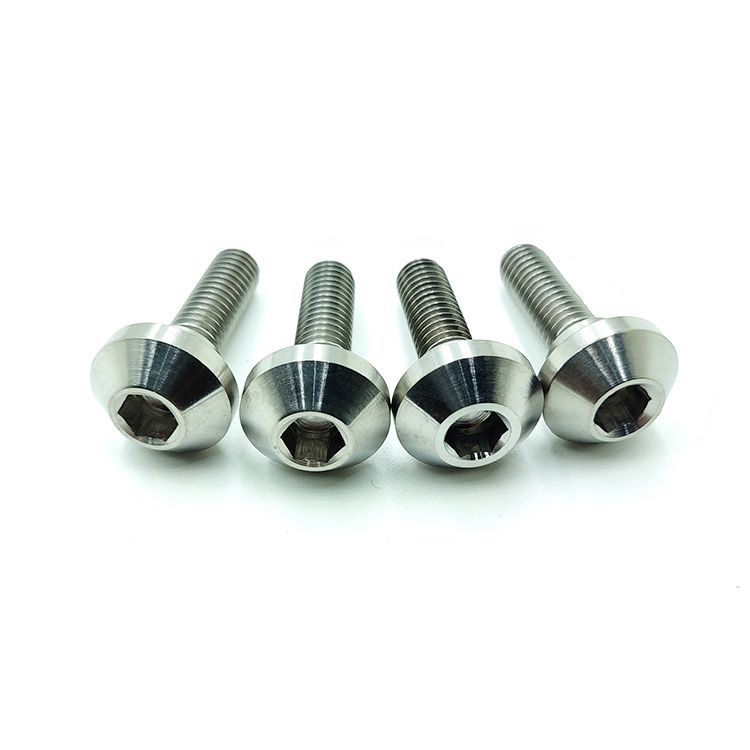
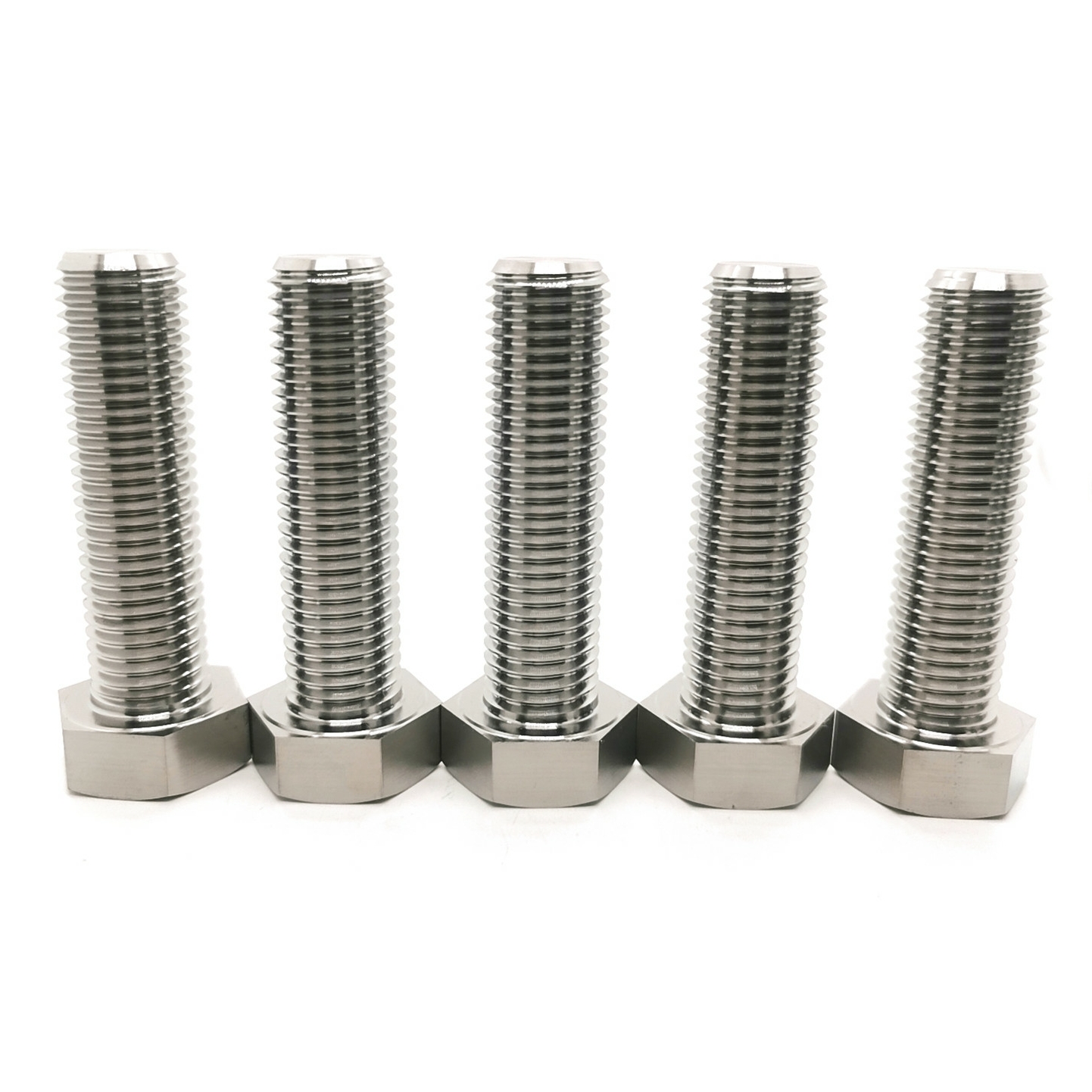
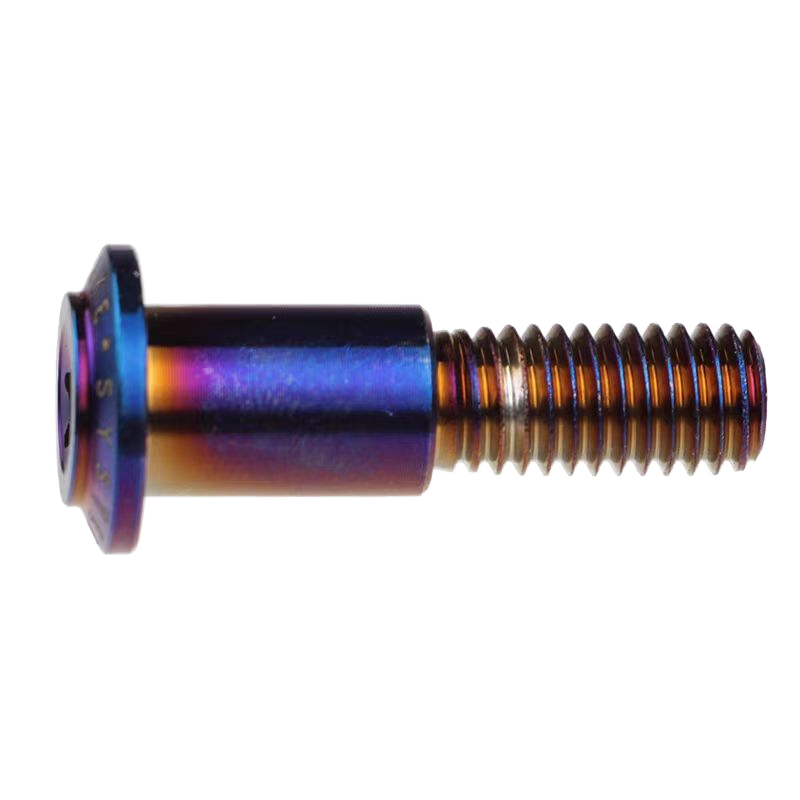
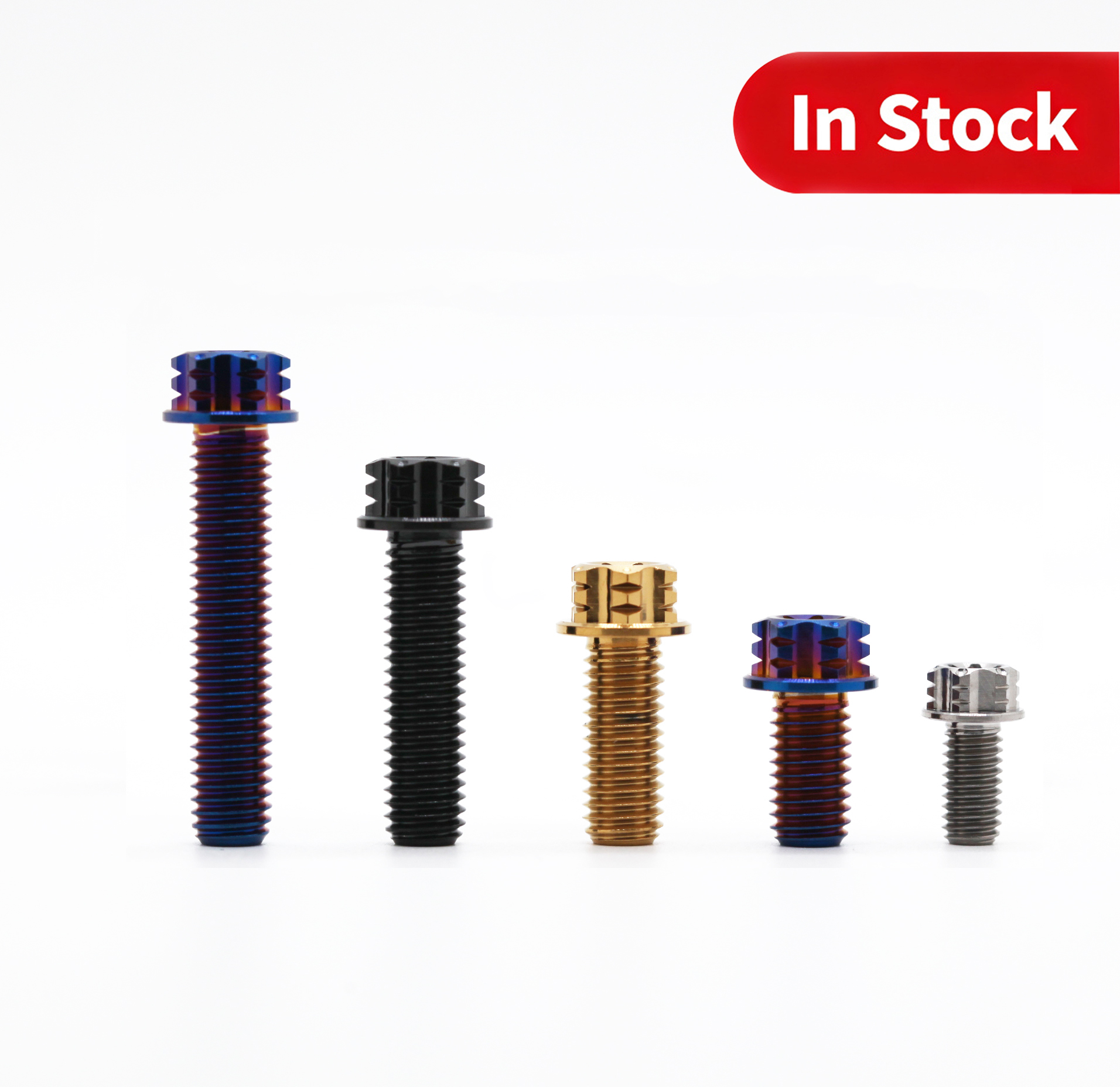
Engineering Whitepaper: Custom OEM Titanium Carriage Bolts Manufacturing & Sourcing Specification
In high-stress industrial, marine, automotive, and aerospace structural assemblies, the selection of fastening components dictates structural integrity, long-term fatigue limit, and resistance to environmental degradation. Titanium carriage bolts—characterized by their smooth, rounded dome head and integrated square neck designed to prevent rotation during single-sided torque application—represent a vital subset of specialized security and mechanical fasteners. When manufactured from high-purity Grade 2 or aerospace-grade Grade 5 (Ti-6Al-4V) titanium, these components deliver an unparalleled strength-to-weight ratio combined with absolute immunity to chloride-induced pitting and stress corrosion cracking.
As a global source manufacturer operating from China's "Titanium Valley" in Baoji, Shaanxi, Yevzo Titanium Metal Co., Ltd. produces precision custom OEM titanium carriage bolts tailored strictly to client engineering drawings, ASTM/ASME standards, and custom DIN 603 specifications. This technical whitepaper establishes the metallurgical parameters, manufacturing techniques, procurement trends, and selection frameworks required for procurement engineers and OEM buyers seeking to optimize structural fastness while stripping critical weight from end-use assemblies.
Metallurgical Superiority: Grade 5 (Ti-6Al-4V) vs. Grade 2 Titanium vs. Fastener Steels
Understanding the mechanical distinction between commercially pure titanium (CP) and alpha-beta titanium alloys is paramount when replacing conventional Grade 8.8, 10.9 steel or 316 stainless steel carriage bolts:
- Grade 5 Titanium (Ti-6Al-4V / UNS R56400): Annealed Grade 5 titanium exhibits a minimum tensile strength of 895 MPa (130 ksi) and a yield strength of 828 MPa (120 ksi). With a density of approximately 4.43 g/cm³, Ti-6Al-4V provides a 44% weight reduction compared to alloy steel while matching or exceeding the tensile proof loads of Grade 8.8 / Class 10.9 steel fasteners. Its high fatigue strength renders it ideal for dynamic load applications, such as automotive chassis mountings, high-performance marine decks, and structural framing.
- Grade 2 Titanium (Commercially Pure / UNS R50400): Offering an annealed tensile strength of 345 MPa (50 ksi), Grade 2 titanium excels in pure corrosion resistance environments where mechanical stress is secondary. It exhibits exceptional ductility and formability, making it the preferred choice for chemical process equipment, wastewater treatment installations, and architectural marine hardware.
| Mechanical / Physical Property | Ti-6Al-4V Grade 5 | Commercially Pure Gr2 | 316 Stainless Steel | Class 10.9 Alloy Steel |
|---|---|---|---|---|
| Ultimate Tensile Strength (MPa) | 895 - 1000 | 345 - 480 | 515 - 620 | 1040 - 1200 |
| 0.2% Yield Strength (MPa) | 828 - 910 | 275 - 410 | 205 - 310 | 940 - 1000 |
| Density (g/cm³) | 4.43 | 4.51 | 8.00 | 7.85 |
| Mass Reduction Ratio vs Steel | ~ 43.5% Lighter | ~ 42.5% Lighter | Baseline (0%) | Baseline (0%) |
| Pitting Resistance Equivalent (PREN) | Immune in Sea Level | Immune in Sea Level | 23 - 25 (Vulnerable) | Poor (Requires Coating) |
| Corrosion Barrier Mechanism | Self-Healing TiO2 Oxide | Self-Healing TiO2 Oxide | Cr2O3 Passive Layer | Zinc / Cadmium Plating |
Precision Manufacturing Mechanics of OEM Custom Carriage Bolts
The manufacturing process of custom OEM titanium carriage bolts requires specialized tool geometry and CNC parameters due to titanium's low modulus of elasticity, poor thermal conductivity, and strain-hardening tendencies during machining:
1. Cold Heading vs. Precision CNC Turning: While traditional steel carriage bolts are cold-headed in high-speed formers, high-strength Grade 5 titanium requires warm heading or multi-axis CNC Swiss-turning for complex custom profiles. CNC machining guarantees strict concentricity between the rounded dome head, the under-head square locking shank, and the threaded body, maintaining dimensional tolerances within ±0.01mm.
2. Thread Rolling for Superior Fatigue Endurance: Thread cutting physically interrupts the crystalline grain flow of titanium bar stock, creating stress concentration notches at thread roots. Yevzo utilizes high-precision cold thread rolling dies after turning. Thread rolling compresses titanium's surface grain structure, inducing compressive residual stress that boosts thread fatigue life by up to 300% compared to cut threads.
3. Neck Radius Engineering & Under-Head Locking: The critical transition point of a carriage bolt is the junction between the square neck and the threaded shank. Our engineers design smooth, stress-relieving fillets under the head to prevent shear failure under high vibrational loads in structural joints.
Why Enterprise Engineers Partner With Yevzo
Integrated OEM/ODM Capabilities & Supply Chain Mastery
Directly situated in the heart of China's titanium refining cluster, Yevzo offers seamless vertical integration from raw bar stock to micro-finished customized fasteners.
Baoji Raw Material Origin
Direct supply agreement with premium titanium sponge smelters ensures mill-certified ASTM B348 Grade 2 and Grade 5 bar stock with absolute material chemical purity and zero internal voids.
Drawing-to-Part Customization
Full CAD/CAM engineering review. Whether you require custom carriage bolt head diameters, extended square neck lengths, or imperial UNC/UNF threads, we deliver samples within 5-7 working days.
Advanced Surface Finishes
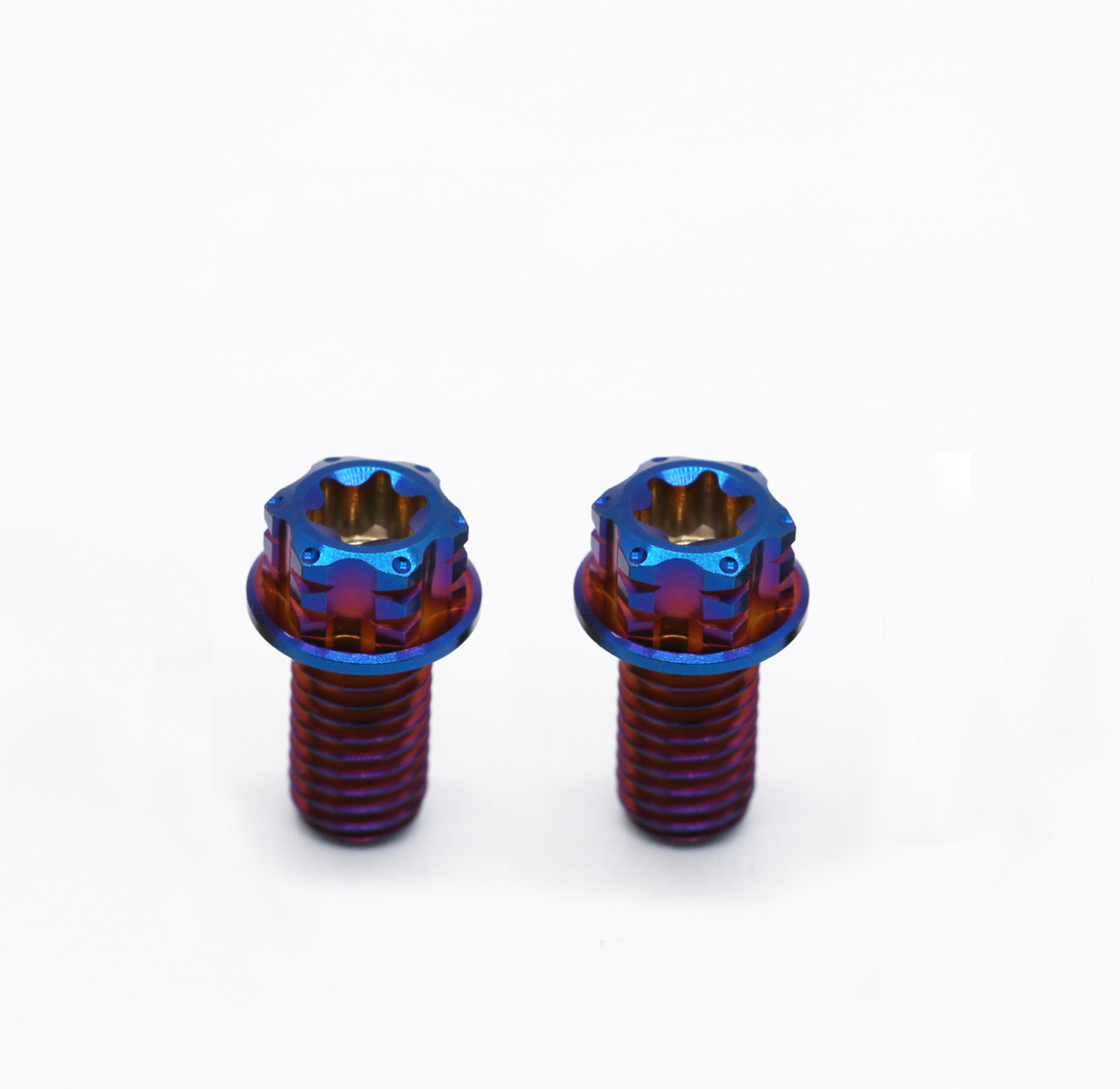
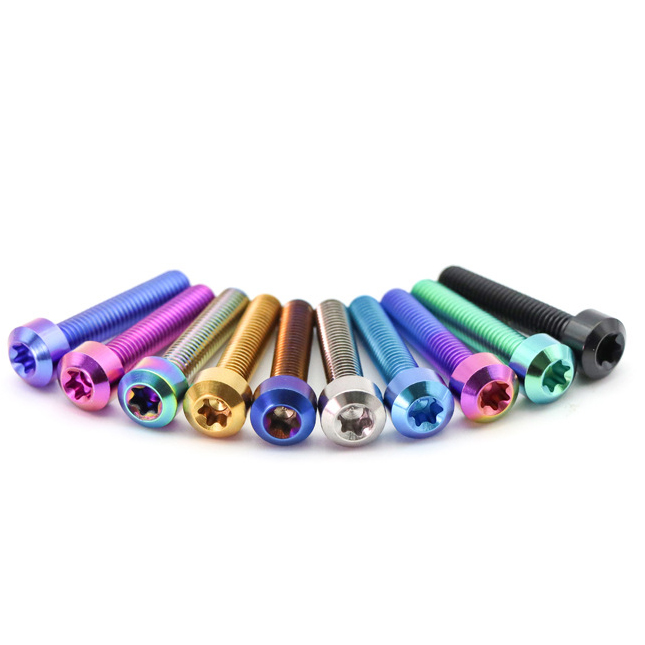
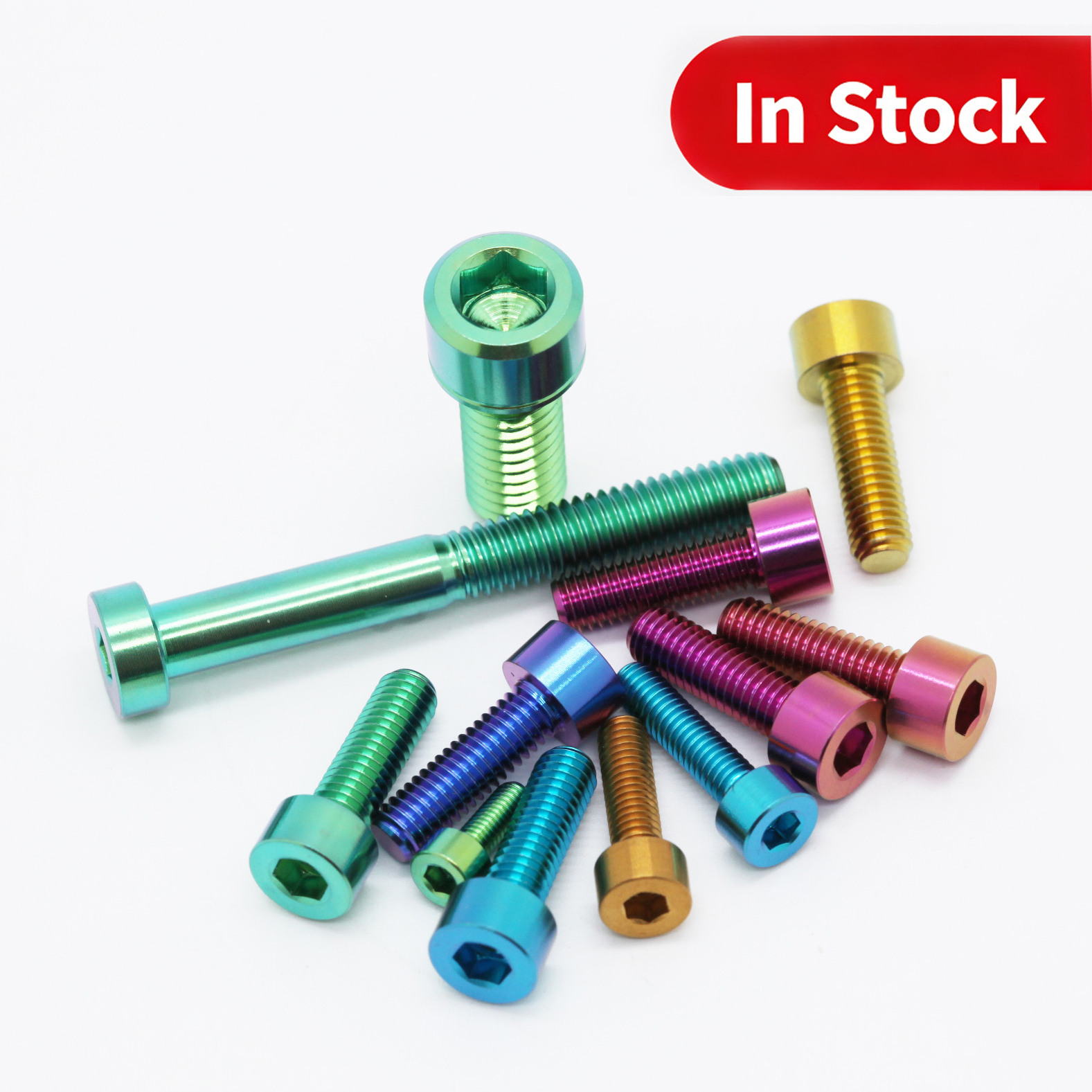
In-house PVD physical vapor deposition, electrochemical anodic oxidation (Gold, Blue, Purple, Burnt Rainbow, DLC Black), and micro-polishing for enhanced aesthetic and tribological properties.
Strict Quality Gateways
Every batch undergoes optical projector inspection, thread pitch micrometer checking, tensile shear testing, and optical emission spectrometer (OES) chemical validation.
Strategic Procurement Trends: Titanium Fasteners Market Outlook (2025–2030)
As global industrial OEMs transition toward sustainability, decarbonization, and extreme operational efficiency, purchasing directors are re-evaluating traditional bill-of-materials (BOM) fastener allocations. The procurement landscape for titanium carriage bolts and structural fasteners is being shaped by four core market trends:
1. Accelerated Commercial Vehicle & EV Lightweighting
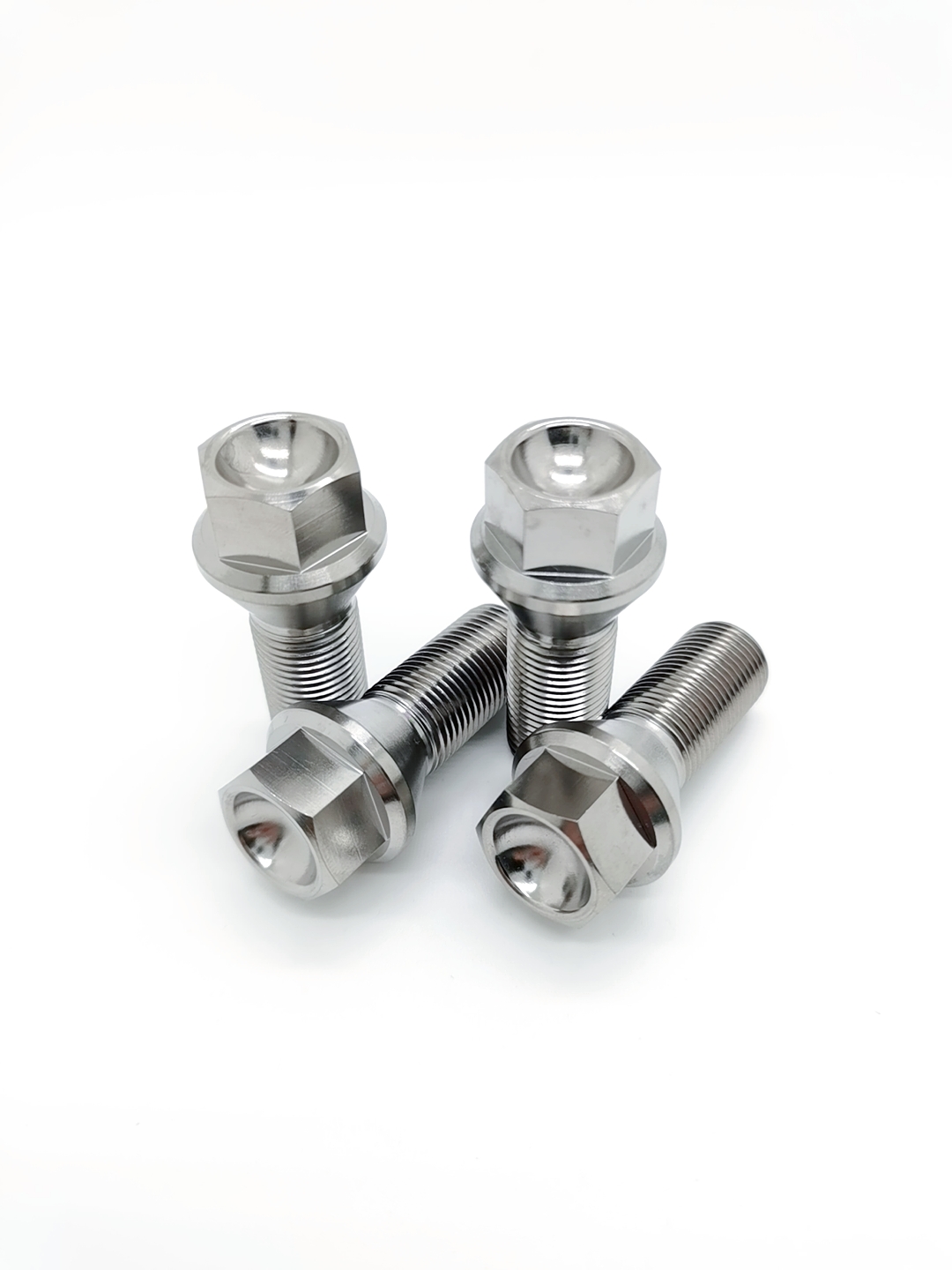
Unsprung weight reduction remains the single most cost-effective mechanical lever to increase battery range in Commercial Electric Vehicles (EVs) and improve suspension dampening response in performance automotive systems. Replacing heavy steel structural bolts with Grade 5 titanium directly yields a 43% mass reduction per fastener location, driving strong demand for custom OEM lug bolts, carriage bolts, and flange fasteners.
2. Rise of Hydrogen & Offshore Renewable Infrastructure
Offshore wind farms, tidal energy arrays, and hydrogen electrolysis plants present aggressively corrosive marine micro-environments. Conventional galvanized or stainless fasteners suffer from stress corrosion cracking (SCC) due to hydrogen embrittlement and chloride attack. Titanium carriage bolts are rapidly becoming the mandatory standard specification for long-life outdoor marine structural framing, eliminating costly maintenance and warranty callbacks.
3. Circular Material Traceability & Digital Mill Certificates
Modern enterprise buyers demand full digital supply chain transparency. Yevzo provides EN 10204 3.1 chemical and physical test certificates alongside complete heat-number batch traceability for every order. Digital twin documentation ensures seamless integration with customer aerospace and defense compliance frameworks.
4. Transition to Advanced Anti-Galling Thin-Film Coatings
Historically, titanium threads were prone to galling under dry dynamic tightening. Strategic procurement trends favor advanced surface treatments—such as Physical Vapor Deposition (PVD) Titanium Nitride (TiN) and Diamond-Like Carbon (DLC) coatings—which lower friction coefficients (μ ≈ 0.12), enabling reliable torque-tension relationships without relying heavily on wet thread anti-seize lubricants.
Frequently Asked Technical Questions (FAQ)
Direct technical answers from our engineering team regarding titanium fastener application, torque specs, galling prevention, and ordering procedures.
Ready to Request a Custom OEM Manufacturing Quote?
Send us your engineering drawings (STEP, DWG, PDF) or required dimensions (M3 to M24). Our metallurgical experts and production team will provide a comprehensive formal quotation within 24 hours.
Contact Us