Precision Titanium Fasteners & Lug Bolt Systems
Manufactured from certified Ti-6Al-4V aerospace titanium bar stock. Built for structural rigidity, ultimate fatigue resistance, and dramatic unsprung mass reduction.
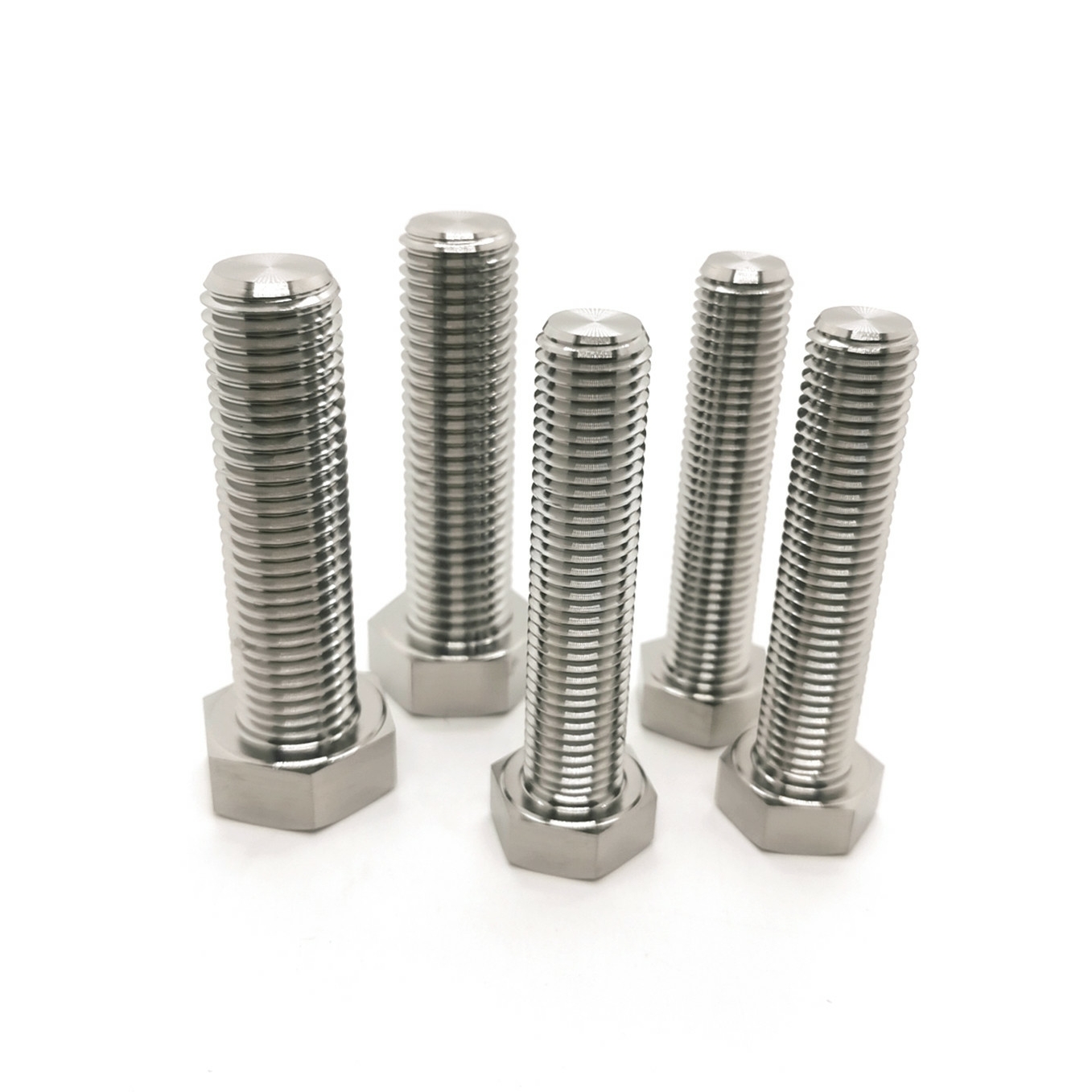
- MaterialGrade 5 (Ti-6Al-4V)
- StandardISO 4018 / DIN 933
- Thread FitMetric 6g Class
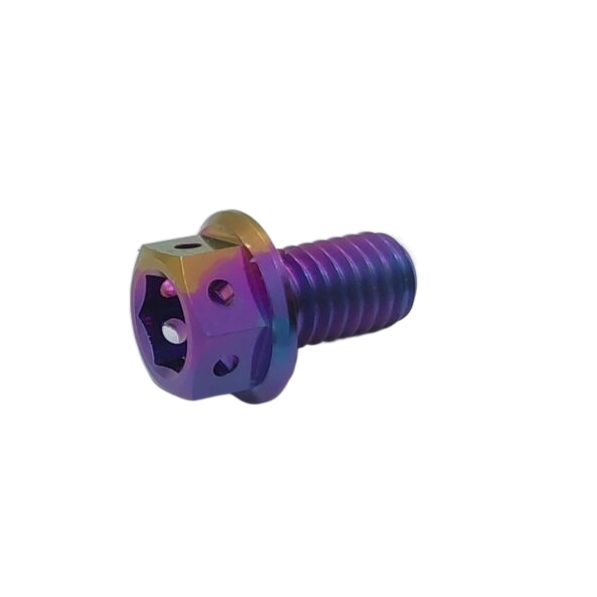
- MaterialClass 8.8 / 10.9 Gr5
- CoatingPVD Nitride / Burnt
- PitchUNF / Metric Custom
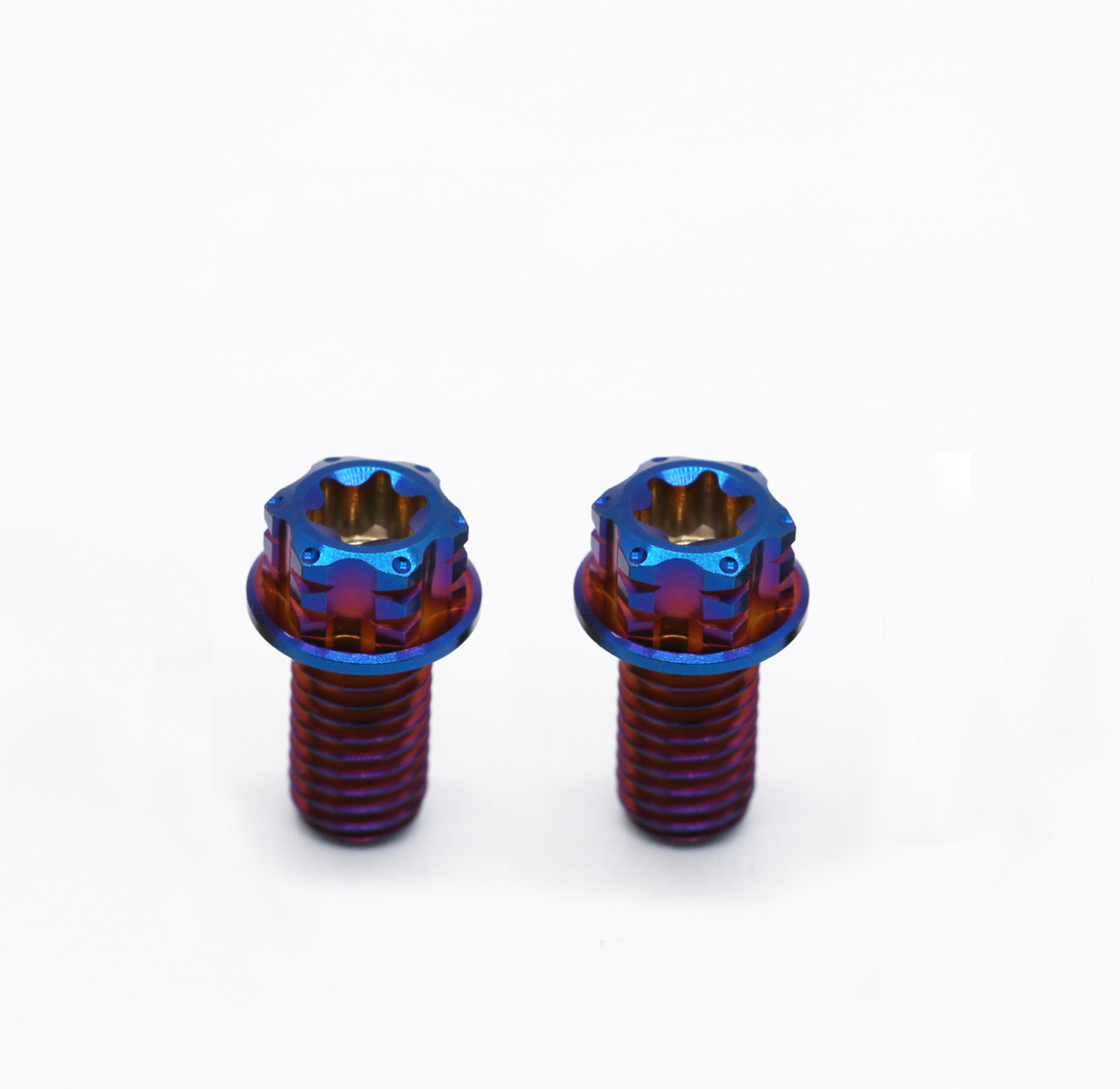
- CertificationISO 9001 Certified
- Tensile≥ 895–1000 MPa
- FinishVibro-Polished Plain
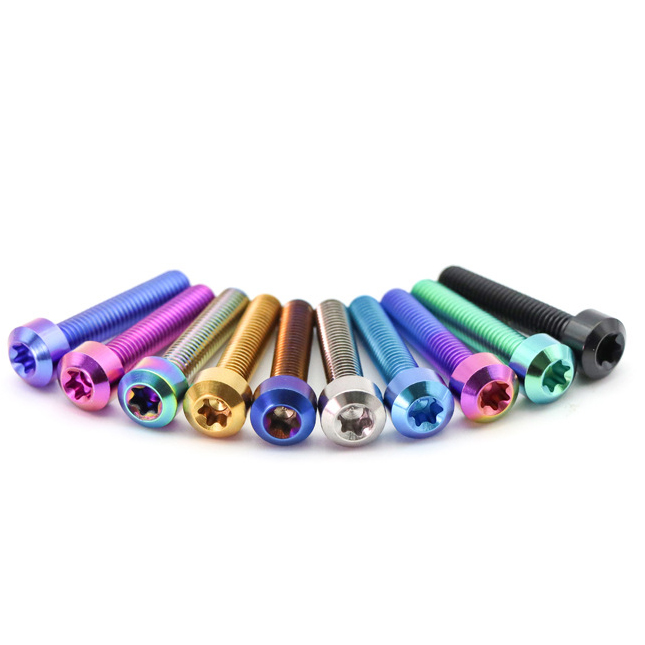
- Drive StylePrecision Torx T25-T40
- Thread TypeFine Metric Rolled
- ApplicationChassis / Powertrain
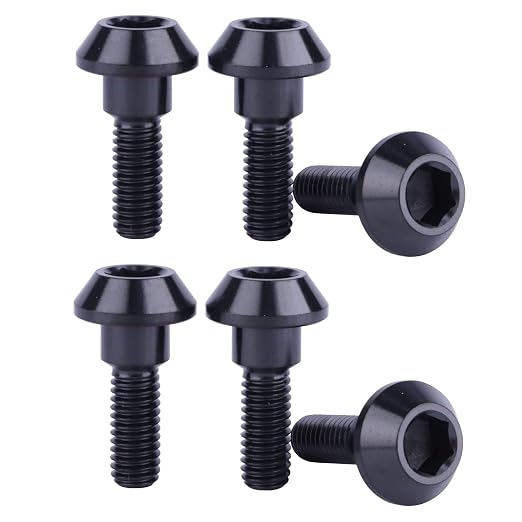
- Critical SpecShear & Heat Tested
- DimensionsM6 x 20mm (Low Profile)
- Safety FactorHigh Dynamic Shear
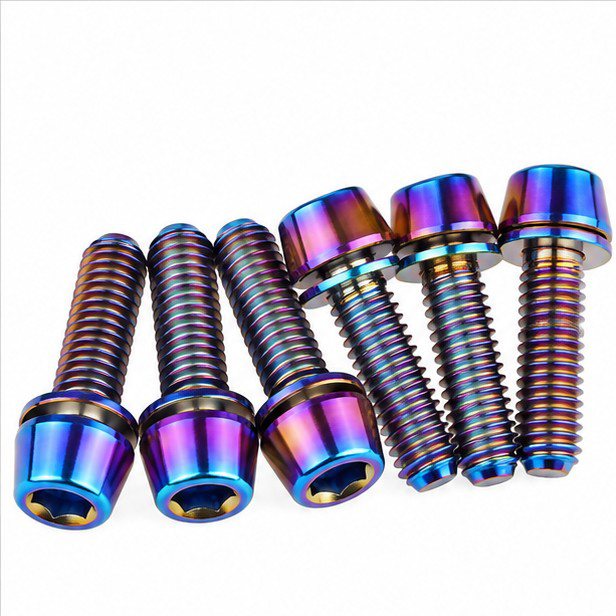
- Color FinishAnodized Burnt Blue
- IncludedSelf-Aligning Washer
- Torque Rating5.5 Nm Rated
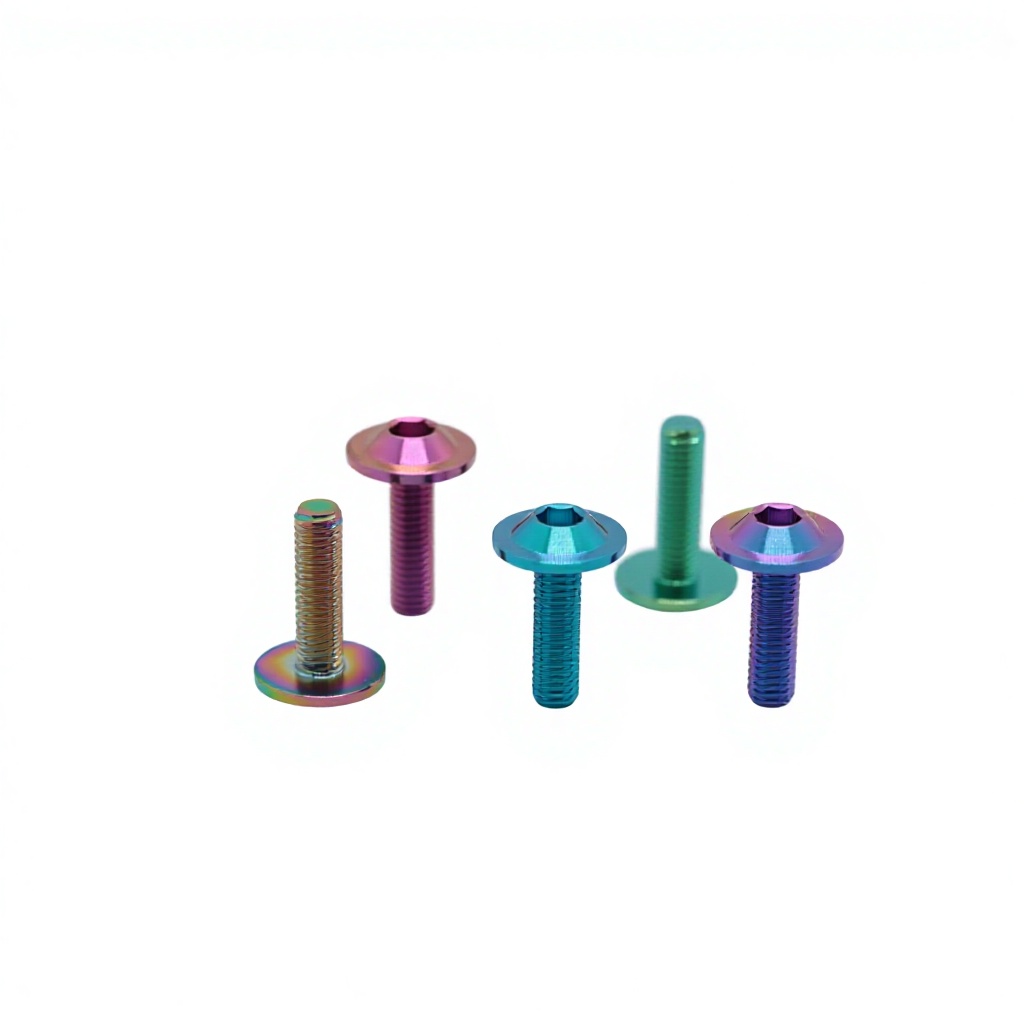
- Head ProfileWide Flange Dome
- Custom ColorsGold, Black, Violet
- SubstrateTi-6Al-4V ELI / Gr5
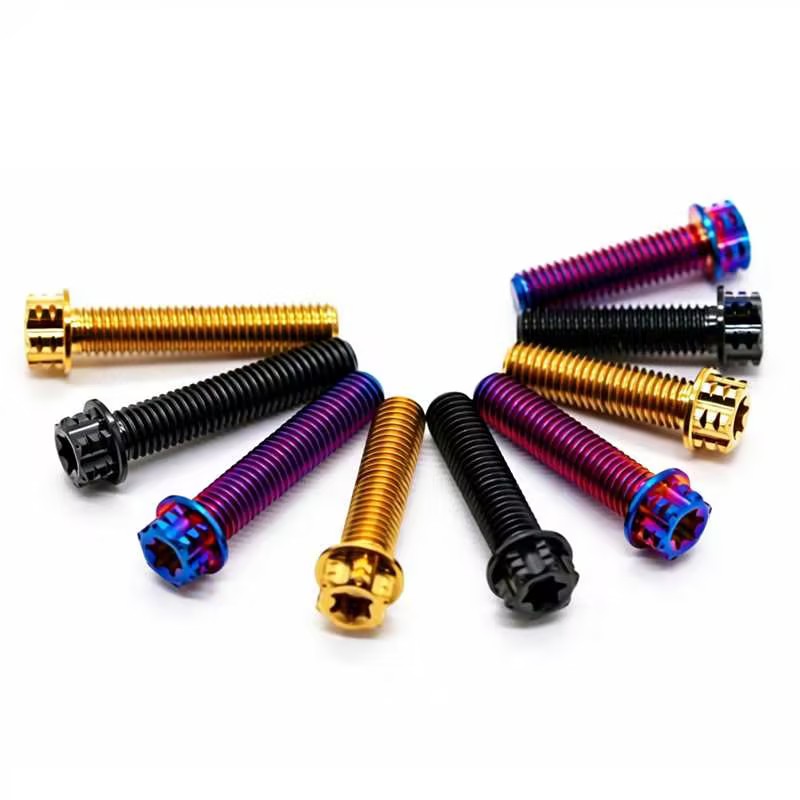
- DriveInternal Torx CNC Star
- MachiningTurn-Mill Center
- Tensile ClassComparable to 10.9
Technical White Paper: The Metallurgy of Ti-6Al-4V Automotive Wheel Lug Bolts
In high-performance automotive engineering and motorsport platforms, the wheel lug bolt operates under severe multiaxial fatigue, cyclical shear shock, thermal expansion differentials, and high-frequency rotational vibration. Traditional carbon or chromium-molybdenum alloy steels (Class 10.9 and 12.9) offer high static ultimate tensile strengths, but at a density penalty of ~7.85 g/cm³. This creates significant unsprung, rotational mass at the wheel hubs. Sourcing from experienced China wholesale titanium lug bolts factories enables automotive distributors, race teams, and tier-1 tuners to transition to Grade 5 Titanium (Ti-6Al-4V, UNS R56400), dropping hub rotational inertia by roughly 44% while maintaining structural yield and exceeding steel corrosion thresholds.
Grade 5 is an alpha-beta dual-phase alloy containing 6% Aluminum for alpha-phase stabilization (boosting matrix strength and thermal stability) and 4% Vanadium for beta-phase stabilization (providing critical ductility and work hardening capacity). For automotive lug bolts, our Baoji facility implements stringent controls over intersitial elements, limiting Oxygen (≤0.20%), Nitrogen (≤0.05%), and Carbon (≤0.08%) to prevent catastrophic hydrogen embrittlement or micro-cleavage failure under thermal thermal-cycling brake conditions.
| Mechanical & Physical Property | Ti-6Al-4V (Grade 5 Titanium) | AISI 4140 Chromoly (Quenched & Tempered) | Class 10.9 Fastener Steel | Impact on Wheel Dynamics |
|---|---|---|---|---|
| Density (g/cm³) | 4.43 g/cm³ | 7.85 g/cm³ | 7.84 g/cm³ | 43.6% reduction in rotational mass |
| Tensile Strength (Yield, MPa) | 880 – 950 MPa | 850 – 1000 MPa | 900 – 940 MPa | Equal elastic clamp capacity without plastic yield |
| Ultimate Tensile Strength (MPa) | 950 – 1050 MPa | 1000 – 1150 MPa | 1000 – 1040 MPa | Structural retention against dynamic hub shock loads |
| Elastic Modulus (Young's, GPa) | 110 – 114 GPa | 205 – 210 GPa | 206 GPa | Higher compliance absorbs impulse shock vibration |
| Fatigue Limit (Stress Cycles 10⁷) | 510 – 620 MPa | 450 – 520 MPa | 480 – 510 MPa | Superior cyclical endurance on road racing circuits |
| Corrosion Resistance (PREN / Neutral Salt) | Immune to Cl⁻ / >2000h ASTM B117 | Requires Electroplate (Zinc/Nickel) | Requires Dacromet/Phosphate | Zero surface oxidation, no frozen lugs on alloy wheels |
A vital consideration when procuring titanium lug bolts is the Thread Forming Methodology. Standard low-cost machine shops often single-point cut threads via CNC lathe. In contrast, our factory utilizes Cold Thread Rolling processes after induction heating of the blank shank. Rolling reorganizes the crystal grain flow lines into continuous, unbroken profiles following the thread contours. This cold work-hardening increases the root surface hardness by 18% to 25%, compresses residual surface stress, and elevates bolt fatigue life under bending stresses by over 300% relative to single-point cut alternatives.
Future Sourcing & Procurement Trends for Titanium Lug Hardware
Strategic insights for procurement directors, distribution networks, and automotive engineering teams managing non-ferrous fastener supply chains.
Electric Vehicle (EV) Unsprung Mass Optimization
With modern high-torque performance electric vehicles carrying heavy battery packs, chassis engineers are under intense pressure to optimize every gram of unsprung weight. Sourcing titanium lug bolts removes 1.5 to 2.5 kg of rotating mass directly from the wheel assemblies, delivering immediate improvements in regenerative braking transient response, damper compliance, suspension telemetry, and per-kWh driving range.
Consolidation into Direct-from-Source Industrial Clusters
Procurement teams are aggressively bypassing intermediary trading companies in favor of direct engagement with vertically integrated manufacturing facilities based in Baoji ("China Titanium Valley"). Direct factory collaboration guarantees heat-lot chemical traceability from VAR (Vacuum Arc Remelting) titanium ingots down to final thread inspection, drastically reducing counterfeit raw material risk and providing direct wholesale margin gains.
Floating Washer & Dual-Piece Kinematic Geometries
The market is transitioning away from conventional single-piece fixed conical lug bolts toward dual-piece configurations equipped with independent floating 60-degree taper or ball seats. This design decouples rotational clamping torque from radial seating friction, preventing the galling and gouging of forged aluminum wheel lug bores while preserving precise clamping preload under dynamic lateral acceleration on the track.
Manufacturing Evolution: Cold Forging, CNC Precision & PVD Surface Treatments
Historically, machining titanium alloy parts was notorious for extreme tool wear, poor thermal dissipation at the cutting edge, and micro-tearing of thread flanks due to work-hardening properties. Over the past decade, Chinese manufacturing engineering has pioneered specialized CNC tool geometries, ultra-high-pressure coolant delivery (>70 bar), and dedicated multi-station cold-forging presses capable of forming hex, socket, and internal star bolt heads at production rates exceeding 60 pieces per minute.
Following primary shaping, surface modification engineering plays a vital role in preventing tribological galling and galvanic coupling:
PVD Vacuum Sputtering (DLC & TiN)
Physical Vapor Deposition (PVD) produces Diamond-Like Carbon (DLC) and Titanium Nitride (TiN) nano-coatings with surface hardness exceeding 2500–3000 HV. This creates an extremely slick barrier that radically reduces friction coefficients, completely preventing thread micro-welding without degrading core substrate ductility.
Electrolytic Micro-Arc Anodizing
Unlike aluminum anodizing which builds thick dielectric layers, titanium electrochemical anodization manipulates the thickness of the natural TiO₂ passive oxide film through precise voltage titration. Light refraction produces brilliant aesthetic colors (Burnt Blue, Gold, Purple, Green) with zero added mass and zero thread dimensional tolerance deviation.
Ceramic Anti-Seize Pre-Coating
State-of-the-art export orders now frequently require dry-film solid lubricant pre-applied directly to thread engagements. Micronized hexagonal Boron Nitride (h-BN) or micro-encapsulated fluoropolymers stabilize thread torque friction coefficients between 0.10 and 0.12, ensuring repeatable pre-load tension across thousands of wheel change cycles.
Why Tier-1 Importers Partner with Yevzo Titanium
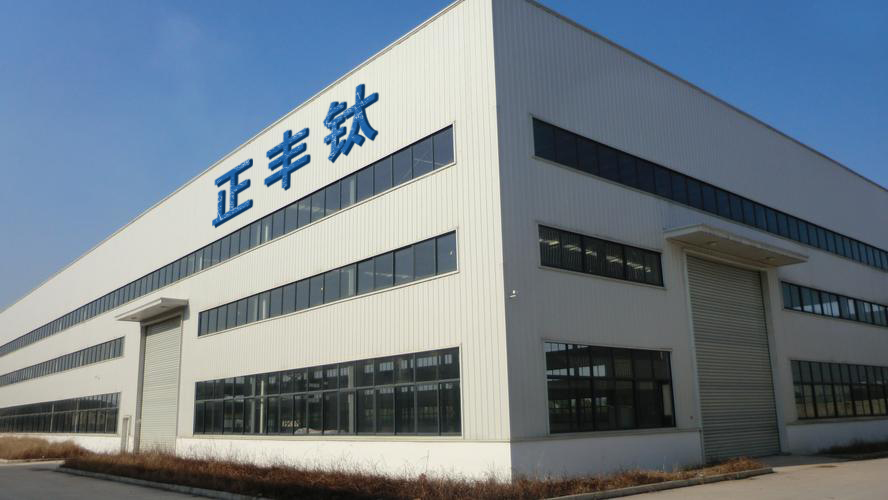
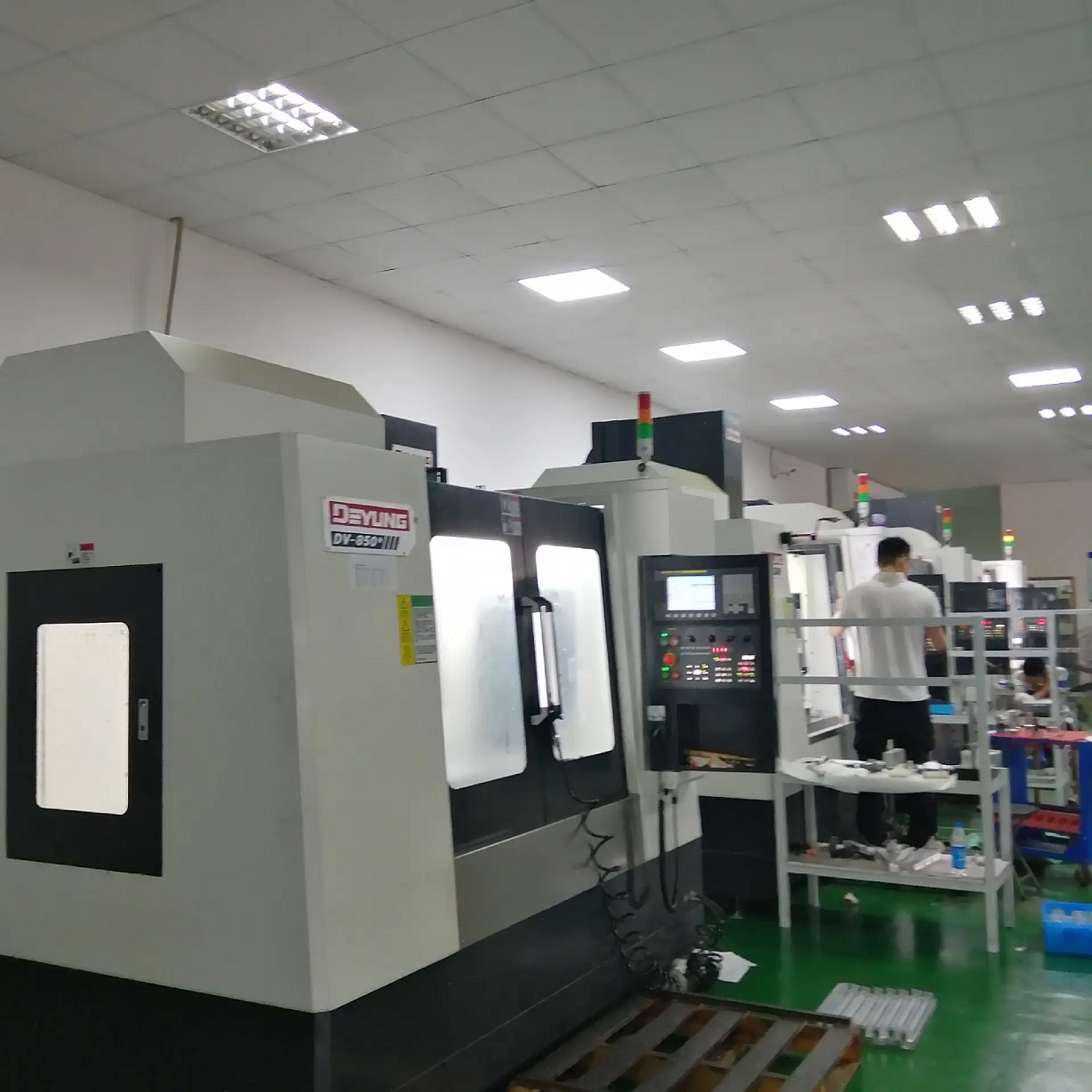
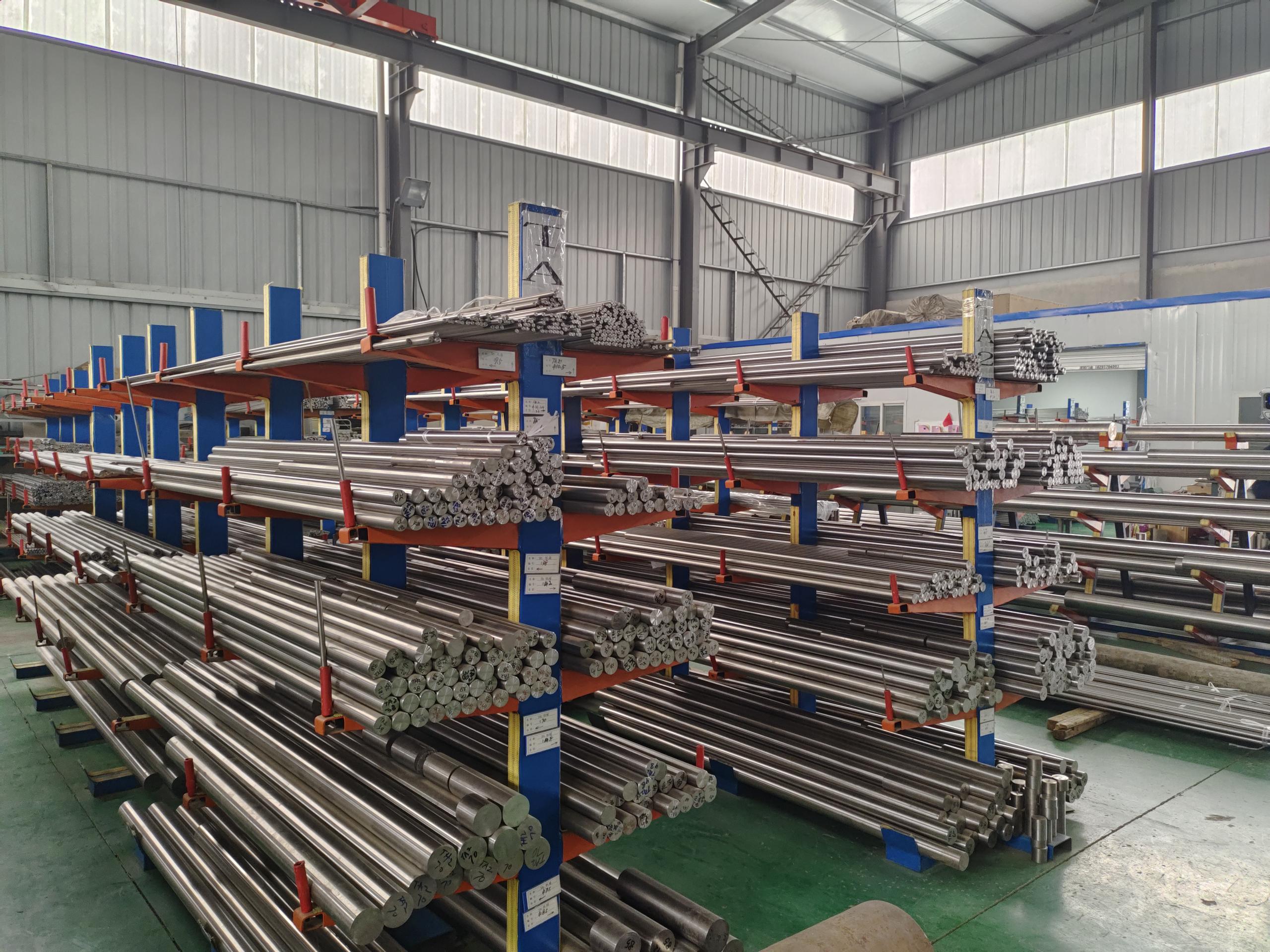
Operating since 2013 in the Honeycomb Industrial Park, Baoji High-Tech Zone. Our facility provides end-to-end industrial manufacturing from raw ingot certification to laser-etched finished parts.
Direct Enterprise Strengths for International Buyers
Baoji Raw Material Proximity
Located in China's "Titanium Valley," our raw titanium bar supply is sourced directly from premier sponge processing and vacuum remelting mills. This yields instant access to ASTM B348, AMS 4928, and ISO 5832-3 compliant billets with full heat-number traceability, chemical analysis sheets, and ultrasonic non-destructive testing reports.
Strict Metrology & In-House Lab
Every production lot undergoes rigorous mechanical validation: optical profile projectors for thread flank angle accuracy (±0.01 mm), digital CMMs, computerized tensile test benches measuring proof load & elongation, hardness indentation testing (HRC 32–38 for Gr5), and neutral salt-spray corrosion chambers.
Custom OEM / ODM & Private Label
We support custom head styles (Spline, Torx, Star, Classic Hex, Knurled Race-Spec), custom shank undercuts, drilled weight-reduction cavities, floating taper washers (60° Cone, R12/R13/R14 Ball seat), and precision laser marking of your brand logo, thread pitch, and torque rating specifications.
Frequently Asked Questions: Sourcing & Engineering
Comprehensive engineering clarifications addressing galvanic isolation, torque tension conversion, thread standards, and export logistics.
How do you prevent thread galling (cold welding) when installing titanium lug bolts into steel wheel hubs?
1. Always apply a specialized high-temperature, anti-seize paste containing copper, molybdenum disulfide (MoS₂), or ceramic boron nitride to both the threads and the washer interface.
2. Avoid dry pneumatic impact wrenches during initial threading. Spin bolts in by hand to ensure proper alignment, then tighten sequentially with a calibrated clicker torque wrench.
3. Specify PVD coating (such as DLC - Diamond Like Carbon) or solid-film dry lubricants which provide permanent, non-migrating low-friction barriers across the thread flanks.
What torque specification should be applied to Grade 5 Titanium wheel lug bolts compared to OEM steel?
Does galvanic corrosion occur between titanium lug bolts and forged aluminum wheels?
What is the standard Minimum Order Quantity (MOQ) and production lead time for custom OEM bolts?
What documentation and quality certifications accompany export shipments?
1. Mill Test Certificate (MTC / MTR) per EN 10204 3.1 detailing full chemical composition (ICP spectrometry) and mechanical properties (tensile, yield, elongation, reduction of area).
2. Full dimensional inspection report verifying thread pitch diameter (using calibrated GO/NOGO thread gauges), shank runout, and head perpendicularity.
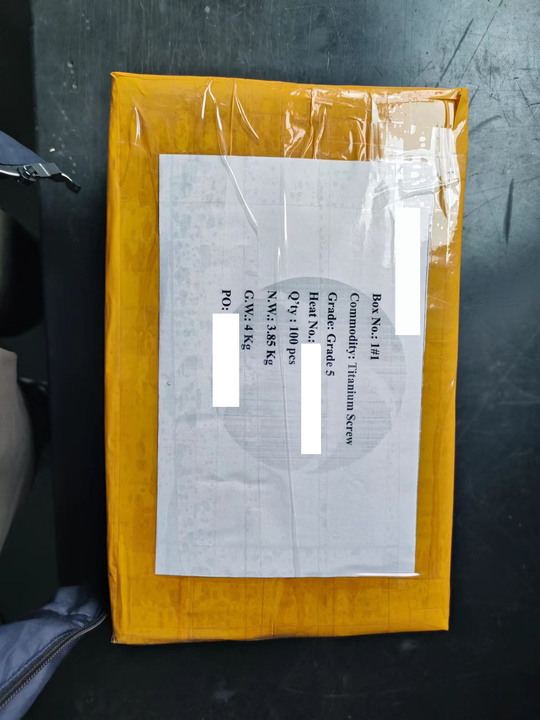
3. Certificate of Origin (CO, Form A, Form E) for customs tariff preferences, commercial invoice, and detailed packing list with serialized carton traceability.
What payment methods and international shipping Incoterms are supported?
• Accepted Incoterms: EXW, FOB (Shanghai / Tianjin / Qingdao / Shenzhen), CFR, CIF, CPT, and full Door-to-Door DDP (Delivered Duty Paid) via express air courier (DHL, FedEx, UPS) or consolidated sea freight.
• Payment Channels: Wire Transfer (T/T), Irrevocable Letter of Credit (L/C at sight), PayPal, Western Union, and Alibaba Trade Assurance. Currencies accepted include USD, EUR, GBP, AUD, CAD, JPY, and CNY.