Precision Engineered Fastener Recommendations
Explore high-demand low-profile, flange, and socket head fastener geometries engineered to ISO 7380, DIN 912, and DIN 6921 industrial standards for high-performance automotive, e-mobility, and marine systems.
Technical Specification & Mechanical Integrity of Titanium Button Head Bolts
A granular evaluation of chemical phase composition, head geometry stress flow, and structural comparison against structural steel fasteners.
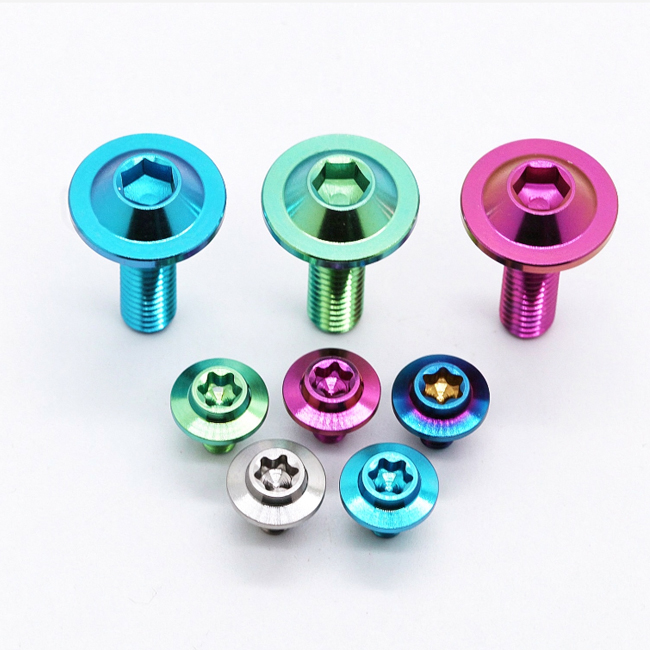
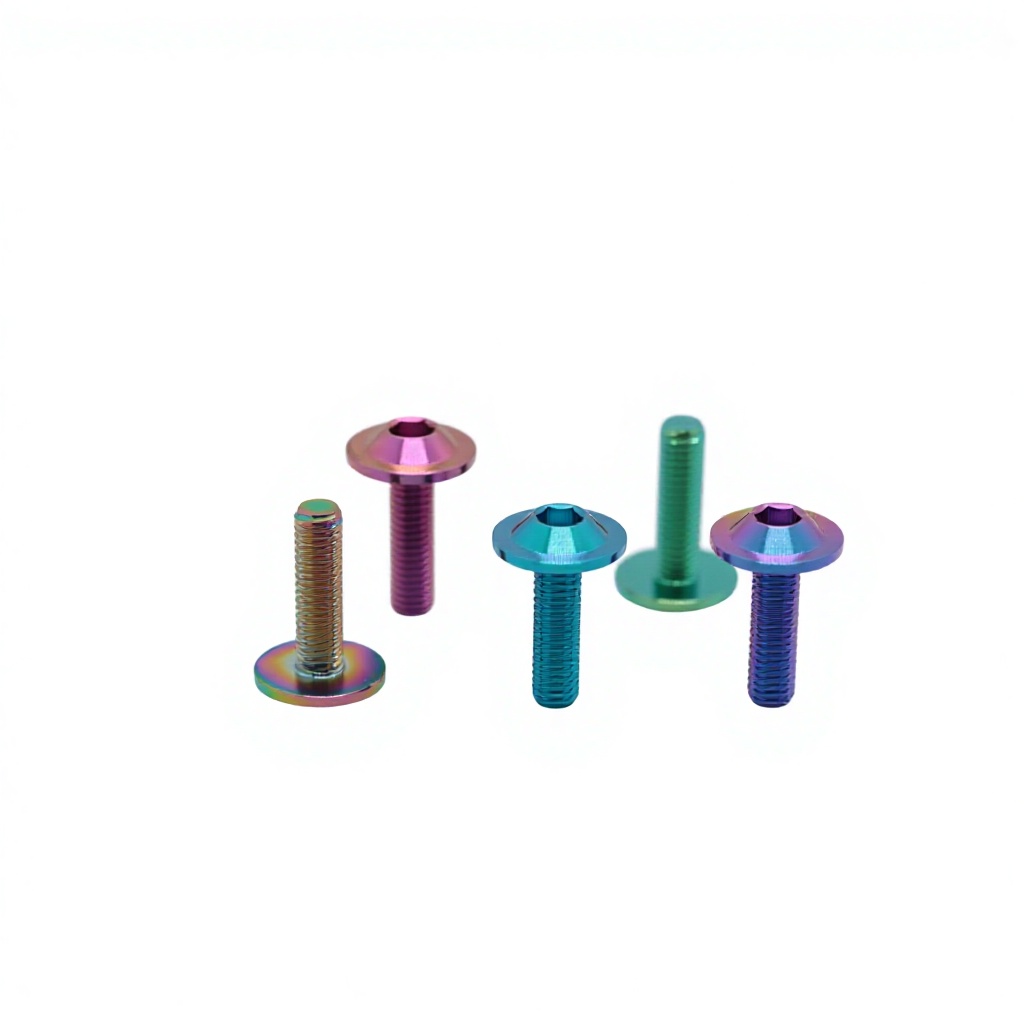
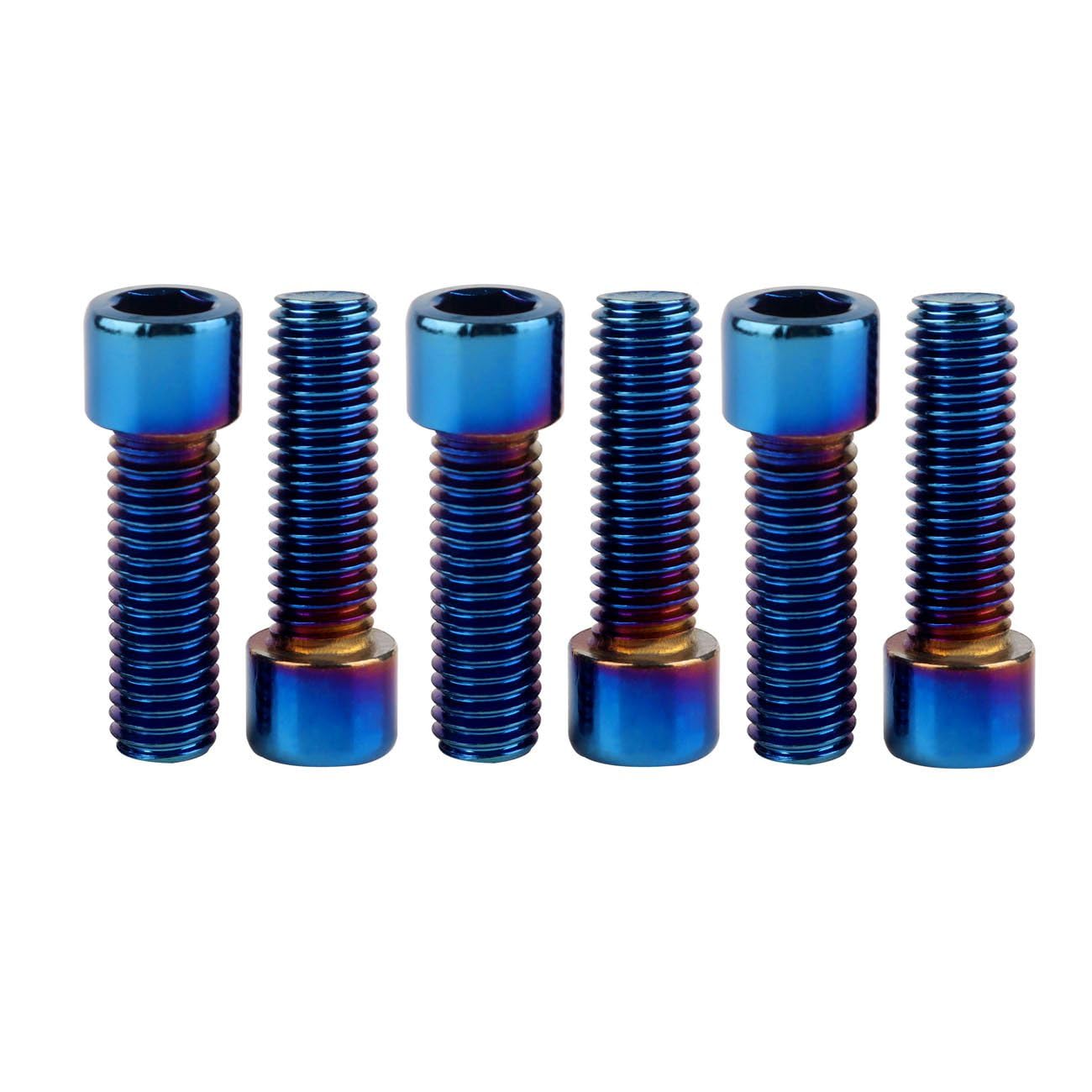
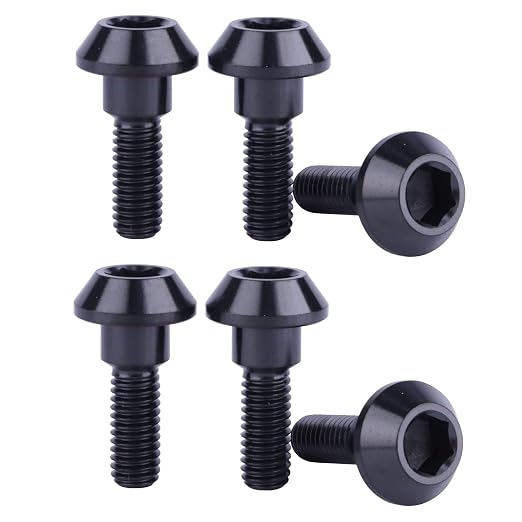
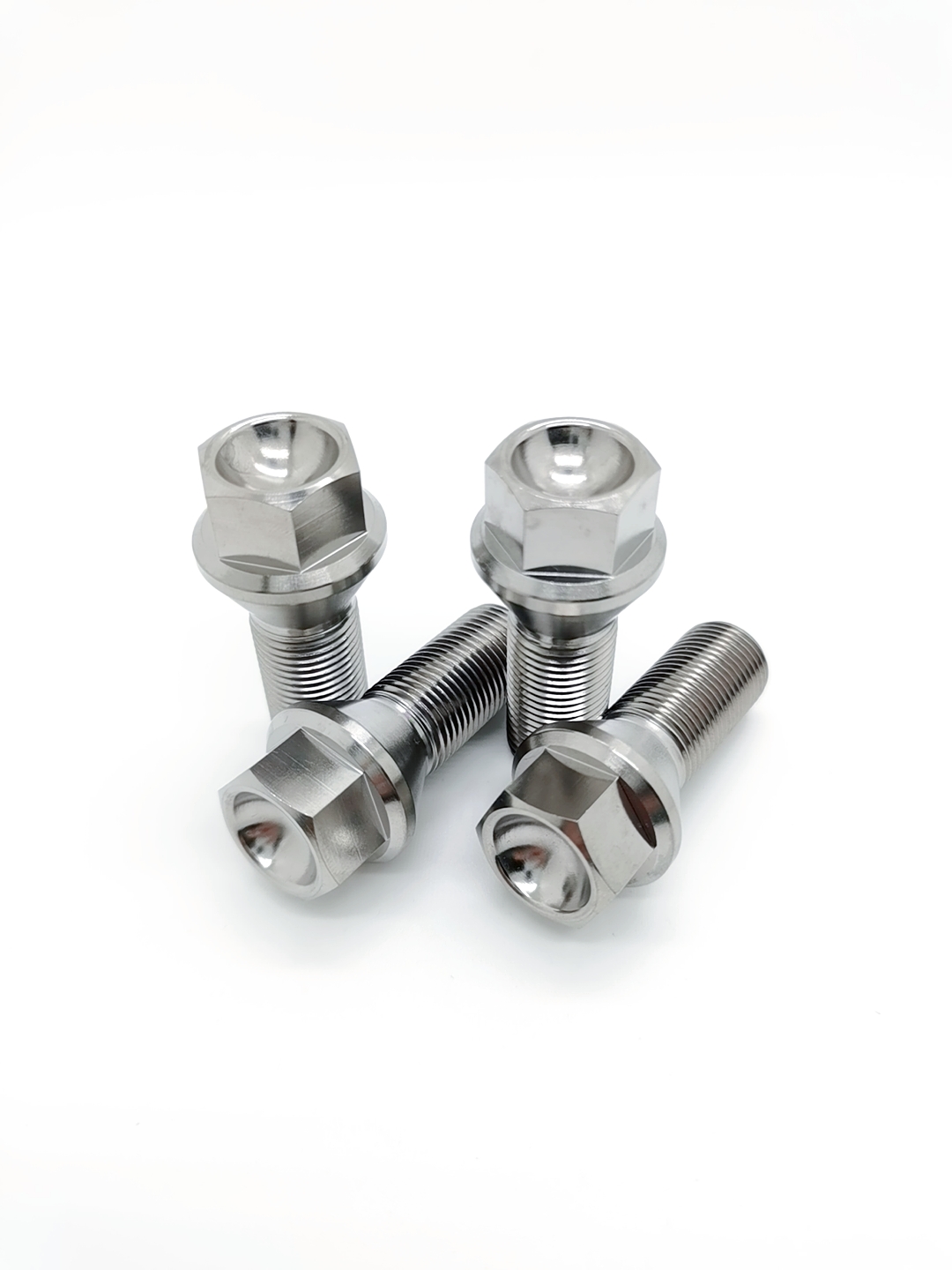
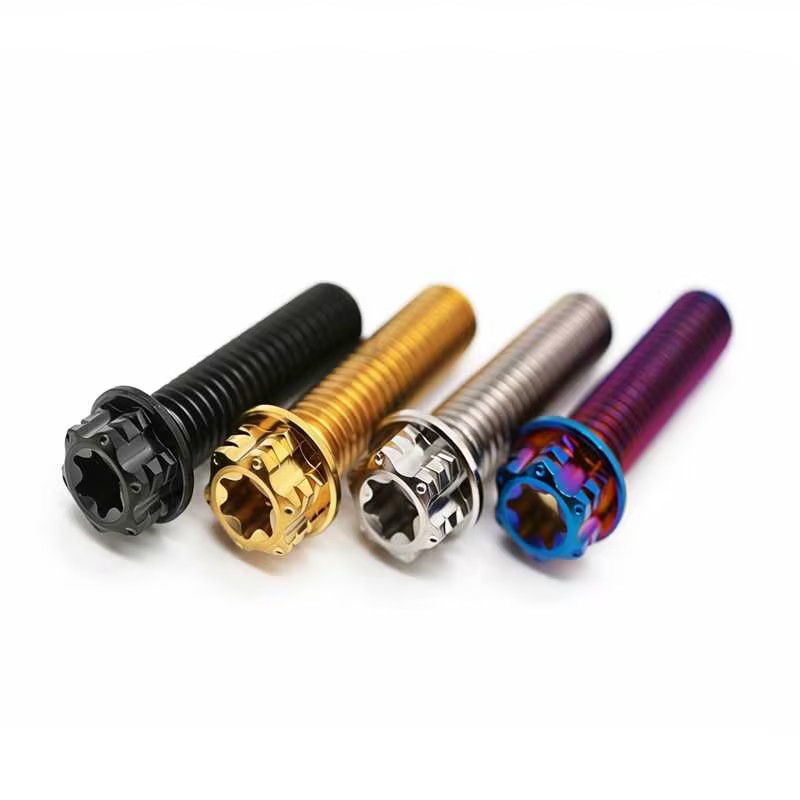
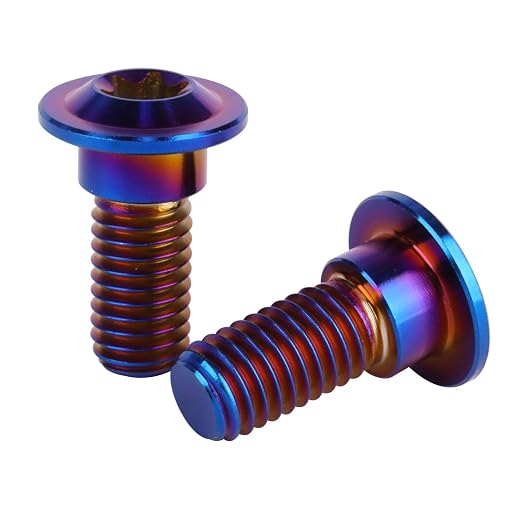
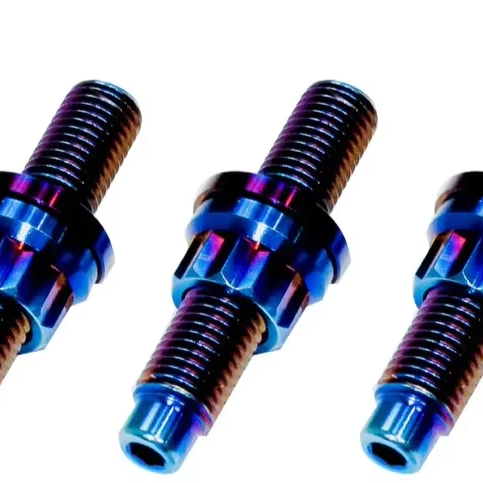
In mechanical engineering and industrial fastening systems, the titanium button head bolt (frequently specified under ISO 7380 or customized low-profile button/pan configurations) occupies a unique operational niche. Defined by its domed head profile and recessed internal drive (hexagonal socket or Torx / six-lobe), this fastener provides an optimal balance between aerodynamic streamlining, snag-free flush integration, and load distribution over a broadened clamping perimeter.
Unlike standard carbon or alloy steels, fasteners fabricated by Yevzo Titanium Metal Co., Ltd. utilize verified raw materials sourced straight from the heart of Baoji—China's world-renowned Titanium Valley. Our production lines operate primarily with Grade 5 Titanium (Ti-6Al-4V / UNS R56400 / Werkstoff 3.7165) and commercially pure Grade 2 Titanium. Grade 5 is an alpha-beta alloy characterized by outstanding strength-to-weight ratios, maintaining a tensile strength exceeding 895 MPa alongside a shear yielding resistance capable of substituting 8.8 and 10.9 structural alloy steels while cutting component mass by approximately 44% (density of 4.43 g/cm³ versus 7.85 g/cm³ for steel).
| Mechanical / Chemical Property | Grade 5 (Ti-6Al-4V) Annealed | Grade 2 (Commercially Pure) | Class 10.9 Alloy Steel | A2-70 (AISI 304 Stainless) |
|---|---|---|---|---|
| Nominal Tensile Strength (Rm) | ≥ 895 – 1000 MPa | ≥ 345 – 450 MPa | 1000 – 1040 MPa | 700 MPa |
| Yield Strength (Rp 0.2) | ≥ 828 MPa | ≥ 275 MPa | 900 – 940 MPa | 450 MPa |
| Density (g/cm³) | 4.43 g/cm³ | 4.51 g/cm³ | 7.85 g/cm³ | 7.90 g/cm³ |
| Modulus of Elasticity (GPa) | 110 – 114 GPa | 103 – 105 GPa | 210 GPa | 193 GPa |
| Corrosion Resistance (Chloride & Salt Spray) | Immune (Spontaneous TiO₂ Layer) | Immune (Exceptional Chemical Stability) | Poor (Requires Galvanization/Flake) | Moderate (Subject to Pitting/Crevice) |
| Thermal Expansion (10⁻⁶/K) | 8.6 | 8.6 | 11.7 | 16.0 |
Because button head cap screws possess a reduced head volume compared to standard cylindrical DIN 912 socket head cap screws, finite element analysis (FEA) is rigorously performed during tooling calibration. The transition radius between the shank and the undersurface of the button head is subjected to controlled cold radiusing to mitigate notch sensitivity and fatigue concentration under cyclical shearing forces. This mechanical detail is critical for Tier-1 automotive chassis assemblies, high-vibration motorcycle brake caliper mounts, and UAV airframes.
Emerging Procurement Trends in Global Fastener Supply Chains
Strategic movements driving the shift from legacy stainless and steel fasteners toward specialized non-ferrous titanium alloys.
Unsprung Mass Reduction in E-Mobility
Electric vehicle (EV) engineering requires stringent battery weight compensation. Procurement teams are replacing heavier Class 8.8 chassis hardware with button head and flange Grade 5 titanium bolts to reduce unsprung mass in suspensions and hub assemblies, noticeably improving battery thermal range.
Supply Chain Reshoring to Origin Mills
Global distributors are bypassing western trading hubs in favor of factory-direct procurement from Baoji mills. Direct mill integration ensures raw material ASTM B348 heat-lot traceability, lower standard lead times, and elimination of compounding brokerage margins.
Tightened Tolerance on Rolled Threads
Procurement teams are shifting away from cut-thread titanium bolts. Modern quality standards require continuously cold-rolled thread profiles (Grade 6g/6h fits) to maintain grain line continuity, which raises fatigue thresholds across critical cyclic stress boundaries by over 30%.
Furthermore, procurement programs are moving toward consolidated multi-standard orders. Sourcing managers increasingly pair button head fasteners with matching DIN 6923 flange nuts, custom CNC brackets, and specialized wheel lug bolts from a single unified factory partner. Consolidating production eliminates galvanic incompatibility, streamlines freight management, and guarantees matching anodized or PVD surface finishes across diverse application modules.
Future Development Trends in Titanium Fastener Engineering
Next-generation processing breakthroughs: PVD barrier layers, cold heading automation, and cross-industry deployment.
The manufacturing landscape for titanium button head bolts is undergoing a fundamental transformation. Historically limited to subtractive CNC turning from round bar stock, production economics are accelerating through continuous innovations in warm/cold heading multi-station forging. Heading processes deform annealed Grade 5 titanium wire under precise induction temperatures, creating head profiles and drive recesses without severing structural material fibers. This technological shift slashes material loss from over 65% down to under 12%, yielding lower per-unit manufacturing costs for high-volume automotive runs.
On the tribological front, micro-galling—a longstanding mechanical challenge inherent to sliding titanium surfaces under high tightening torque—is being solved through nanostructured functional coatings. In addition to traditional electrochemical anodization (Type II and Type III), physical vapor deposition (PVD) finishes with Titanium Carbonitride (TiCN), Diamond-Like Carbon (DLC), and Chromium Nitride (CrN) establish self-lubricating surface barriers with surface microhardness exceeding 2,500 HV. These innovations permit repeated assembly and tear-down cycles in professional motorsport and marine vessels without cold welding or thread seizure.
Direct-From-Baoji Manufacturing Excellence
Founded in 2013, Yevzo Titanium Metal Co., Ltd. delivers integrated smelting, forging, machining, and testing integrity across global markets.
-
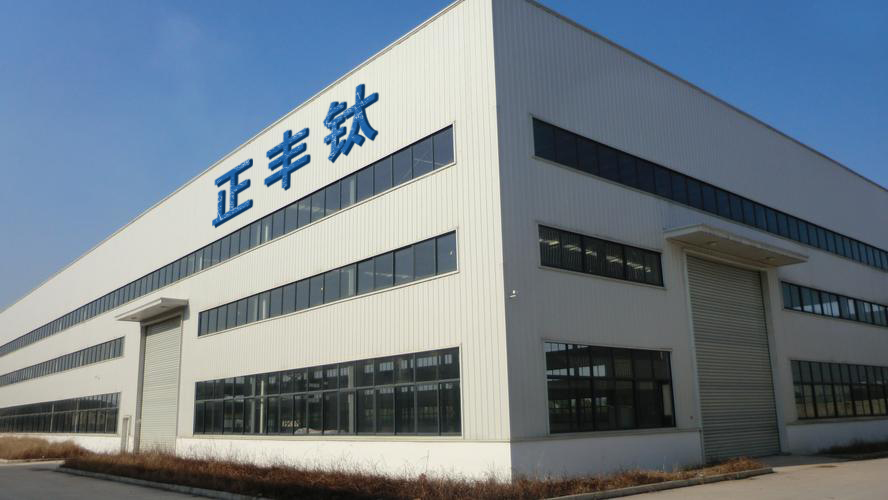
Origin Mill Location in Titanium Valley
Located in the Honeycomb Industrial Park of Baoji High-Tech Zone, our facilities eliminate tier-two transport delays and guarantee pure sponge and bar stock certified to ASTM B348 and AMS 4928 standards.
-
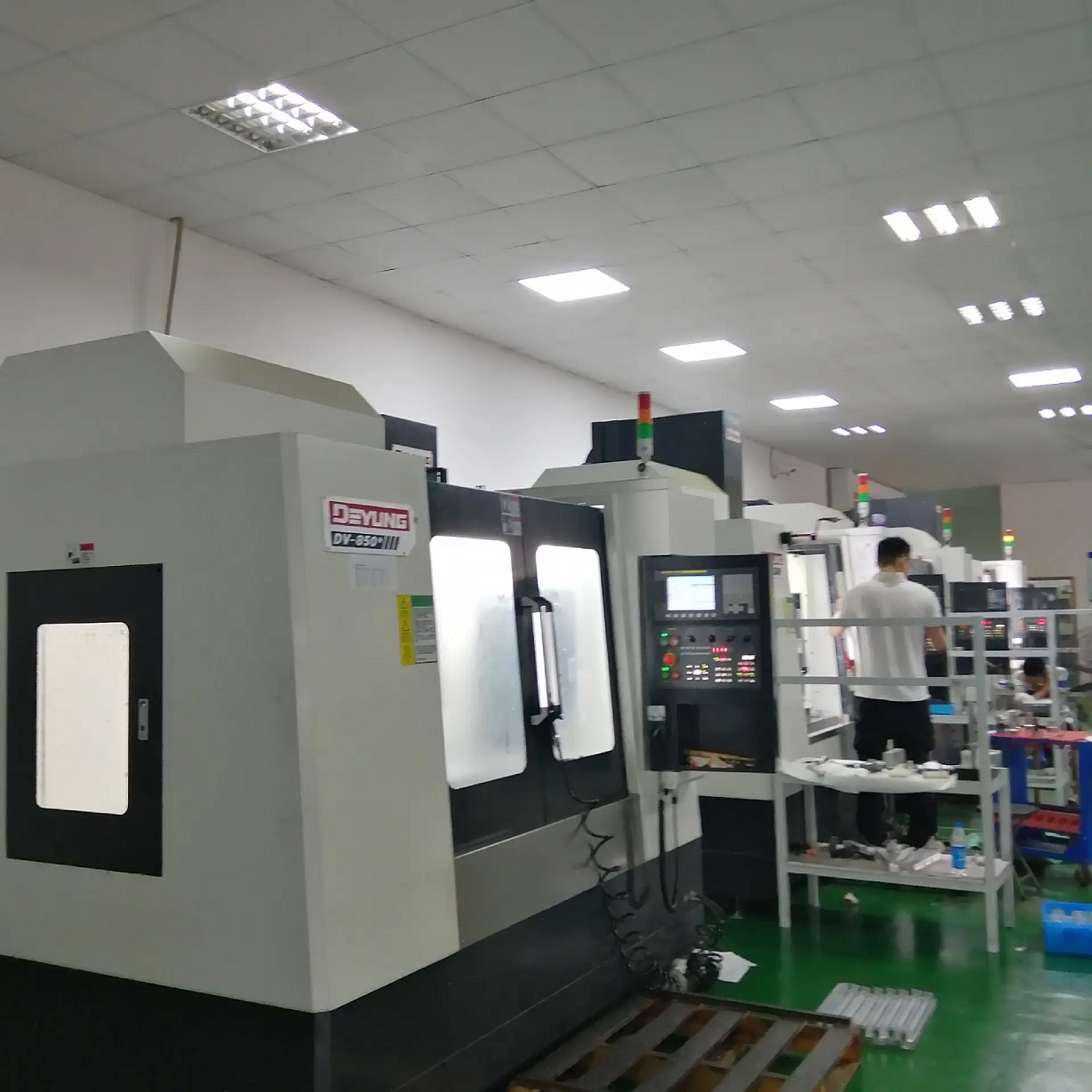
Precision Tooling & Rolling Fleet
Operating over 100 sets of 3-axis, 4-axis, and multi-spindle turning centers alongside automated thread rolling lines, maintaining tight concentricity tolerances within ±0.01 mm.
-
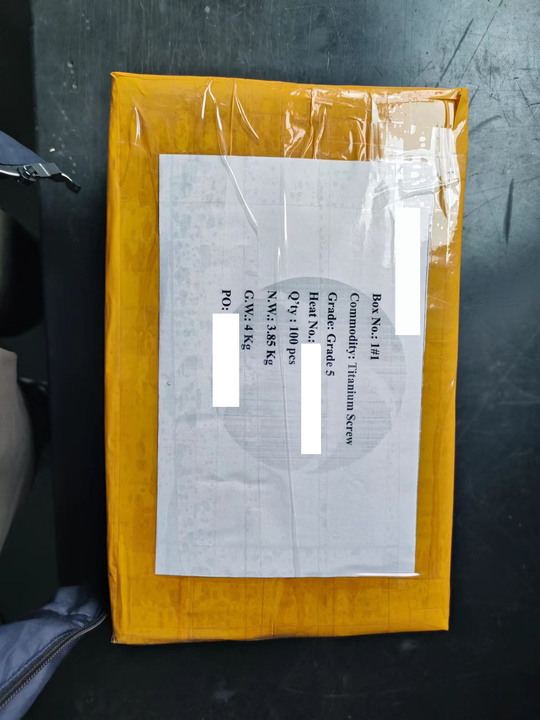
Strict Multi-Stage Metrology
Equipped with optical profile projectors, digital plug and ring thread gauges, universal tensile test rigs, and spectrometer chemical assay equipment for batch heat-lot verification.
-
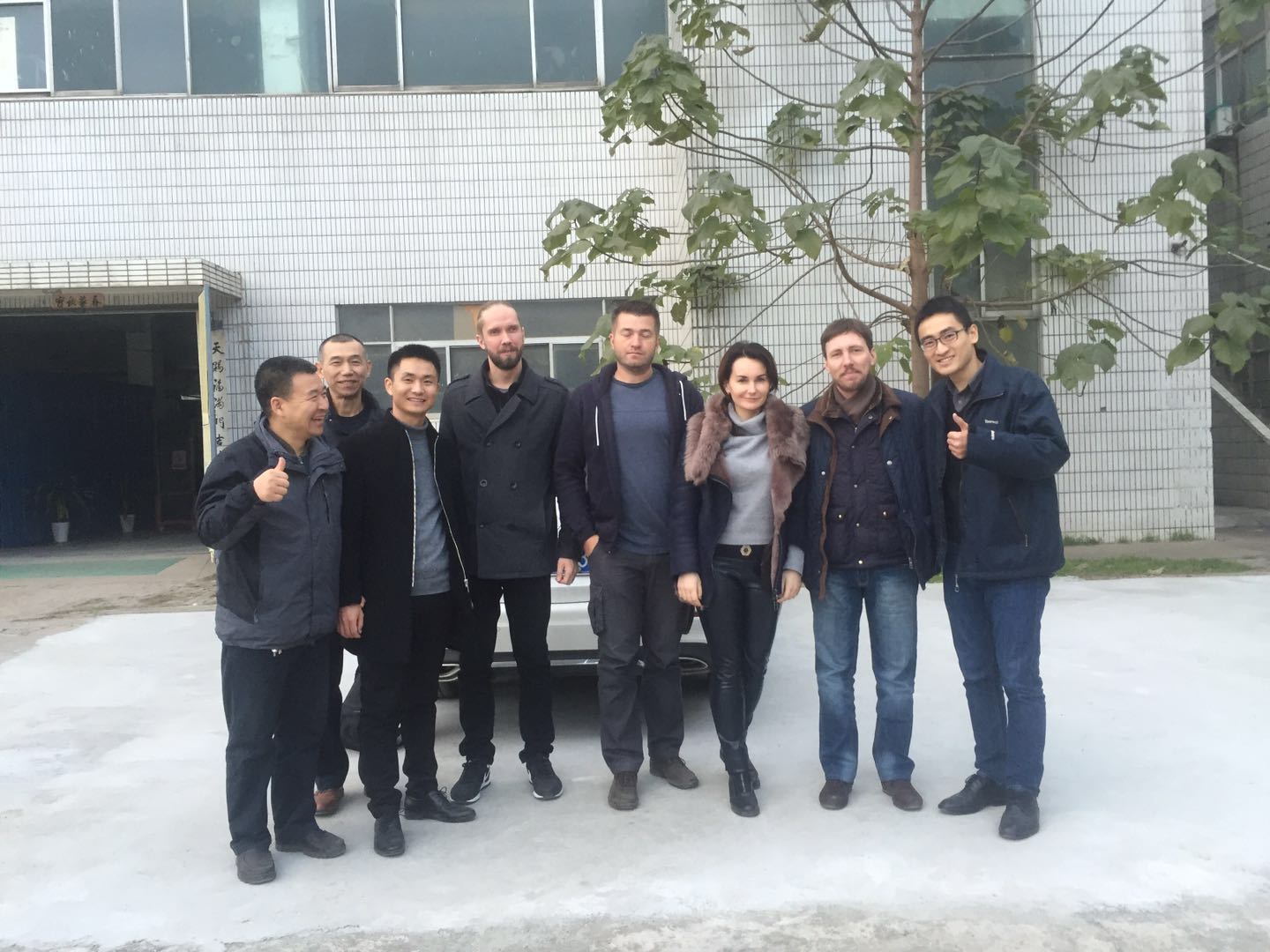
Comprehensive Global Trade Execution
Supplying North America, Northern Europe, and Southeast Asia under FOB, CIF, CFR, DDP, and express air terms. Flexible payment integrations support USD, EUR, GBP, AUD, and JPY settlements.
Frequently Asked Questions Regarding Titanium Fastener Sourcing
In-depth responses resolving engineering tolerances, surface treatment specifications, torque calculations, and commercial order operations.