Bicycle Series
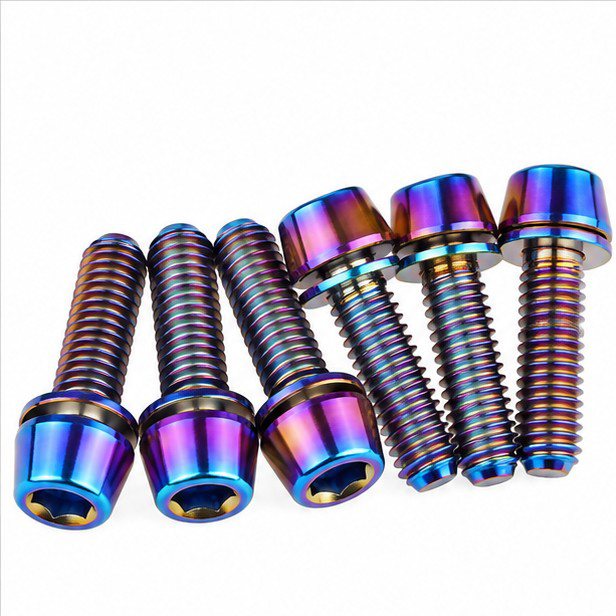
Manufactured to aerospace-grade mechanical thresholds. Explore our top engineered Grade 5 and Grade 2 titanium standard bolts, custom socket screws, and assembly kits available for wholesale and custom OEM schedules.
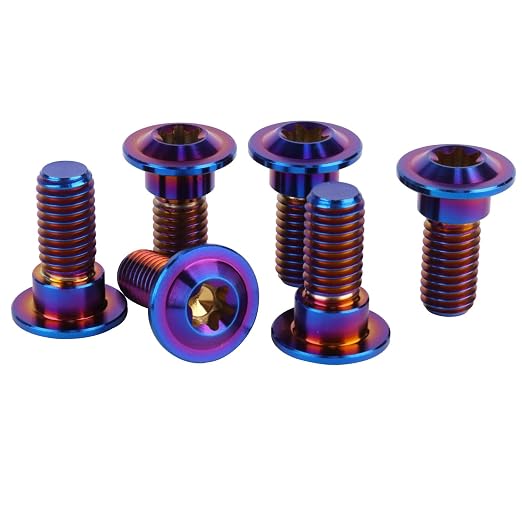
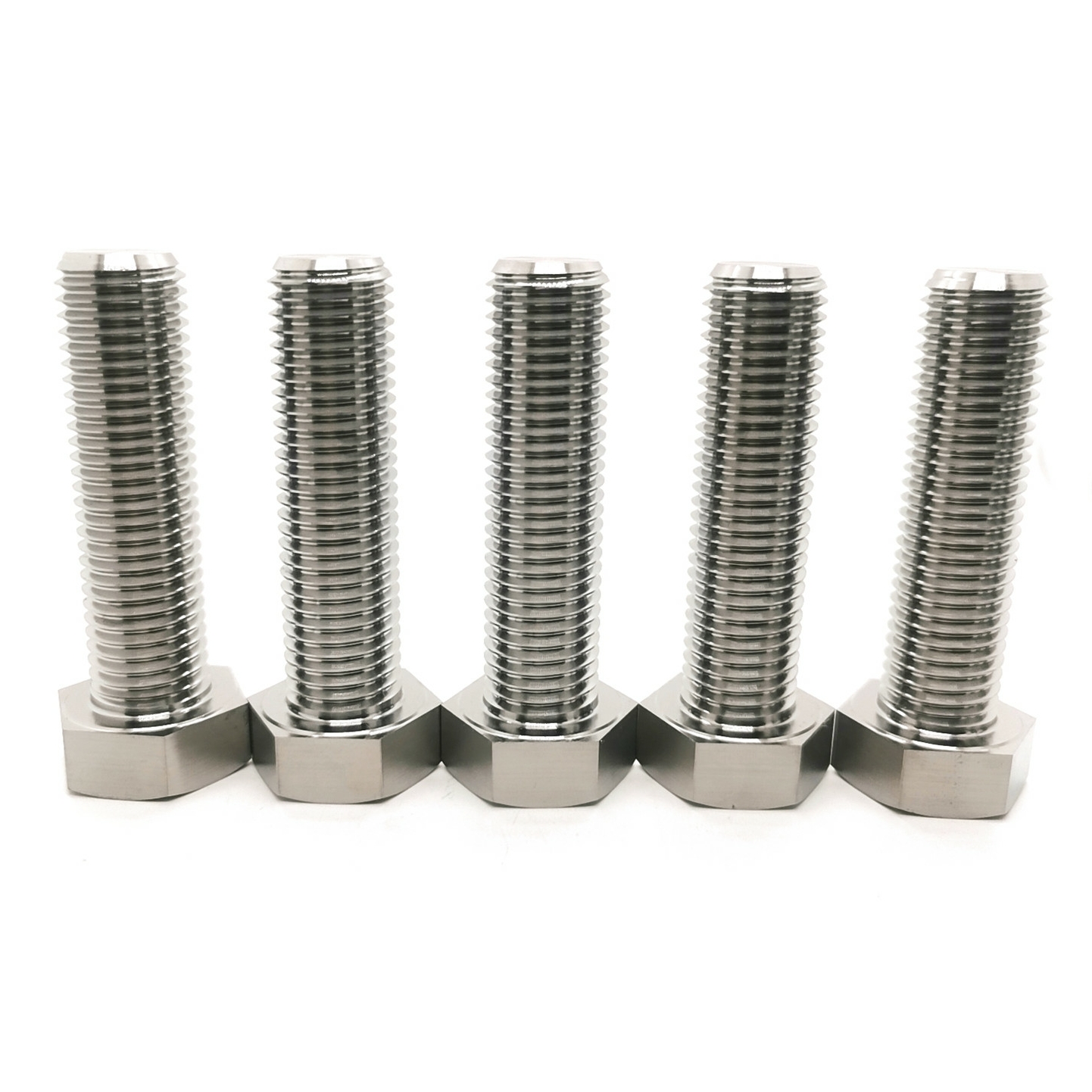
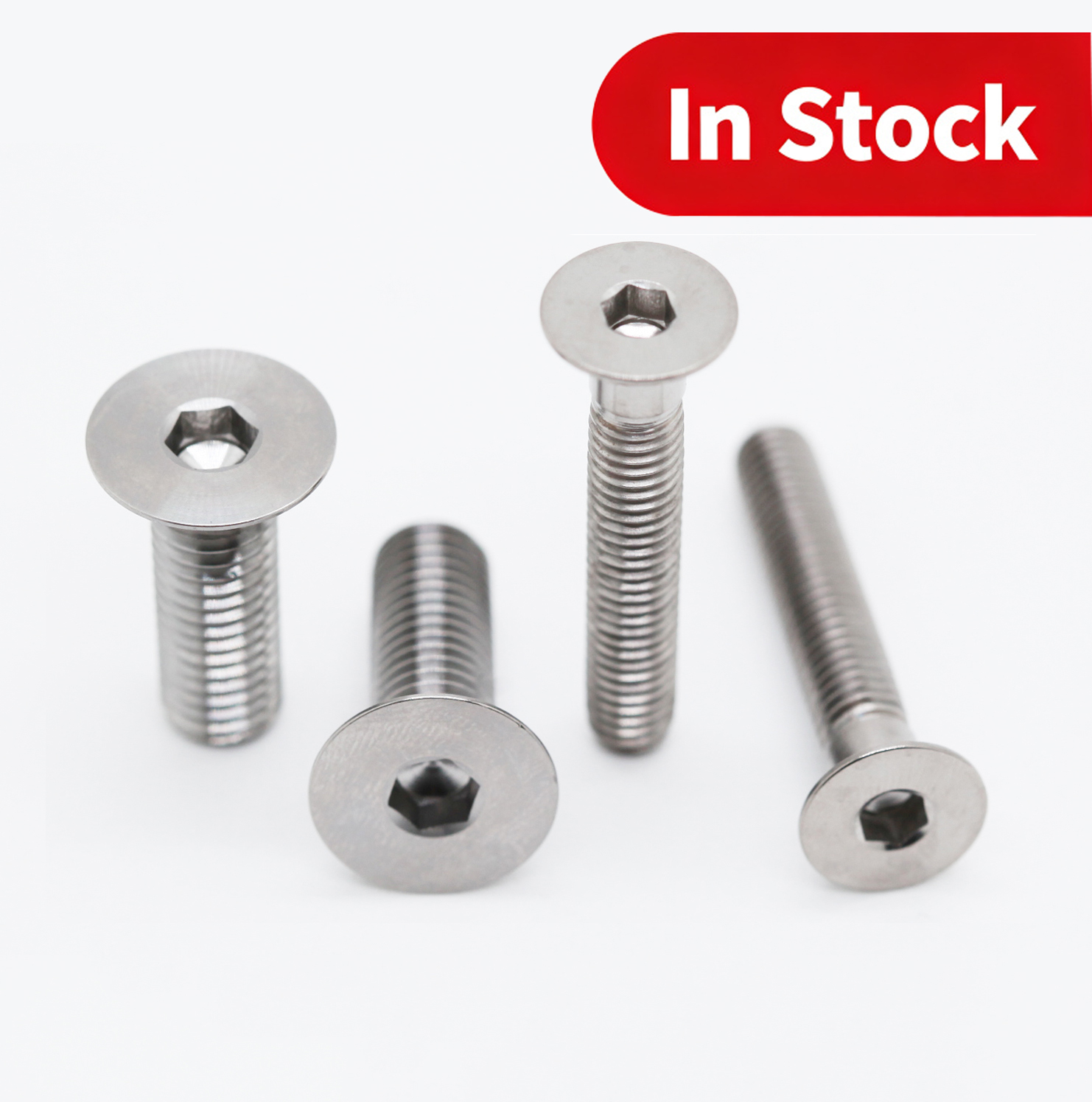
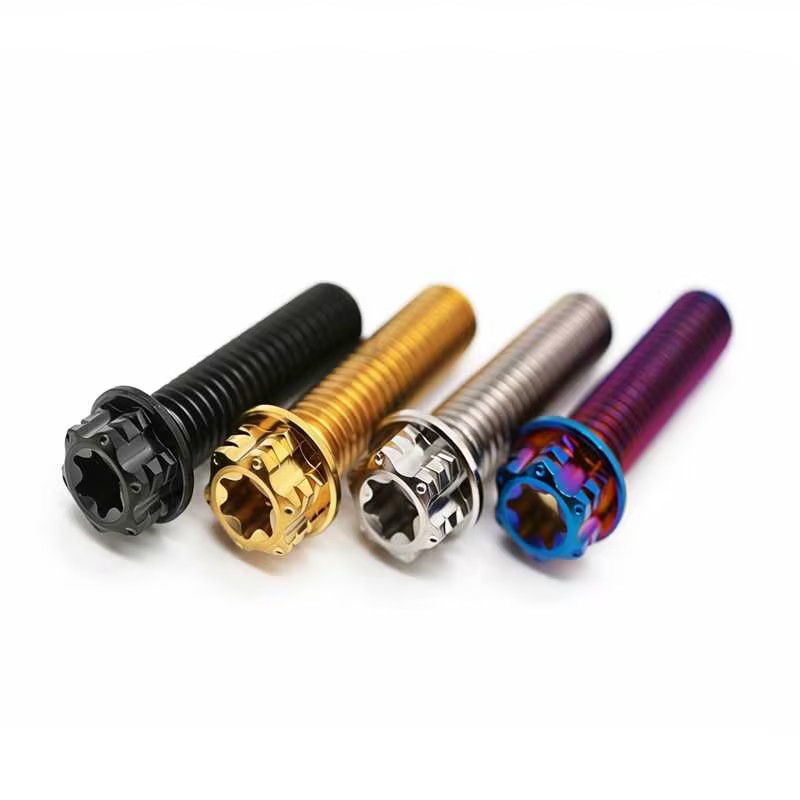
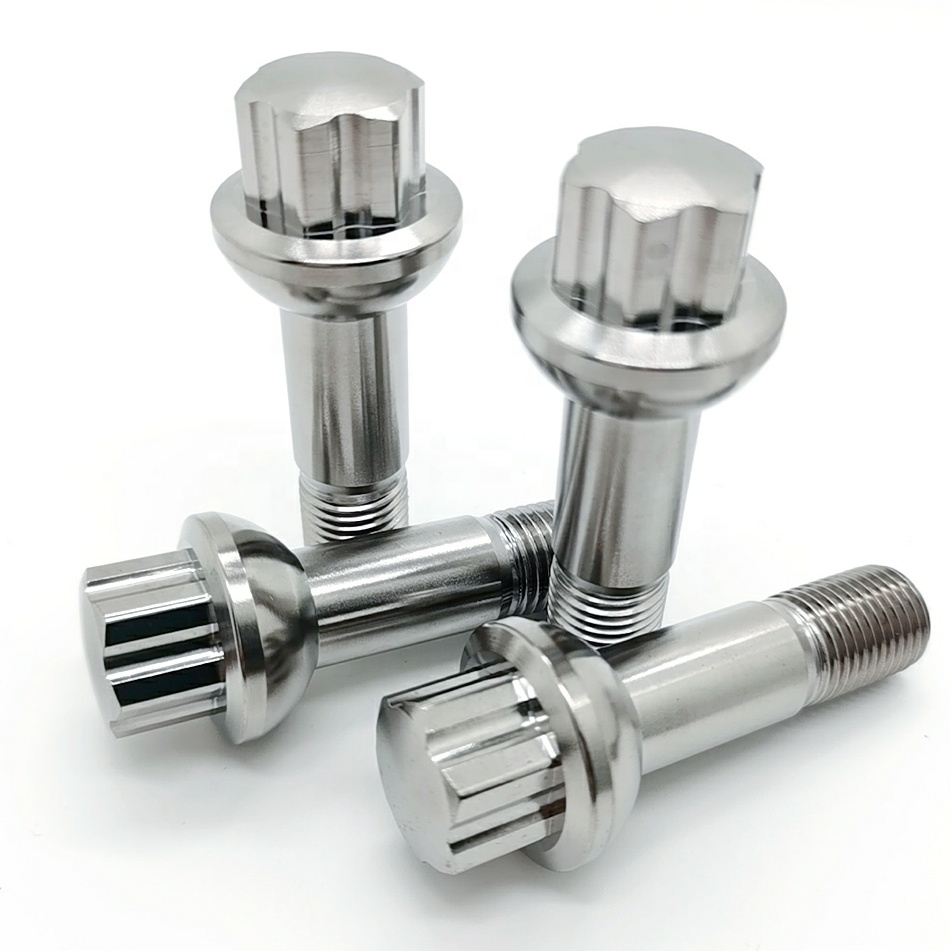
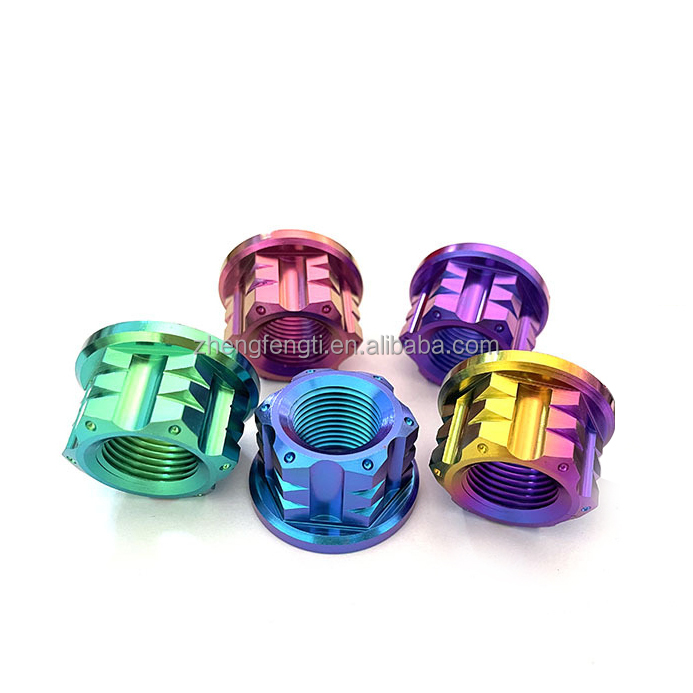
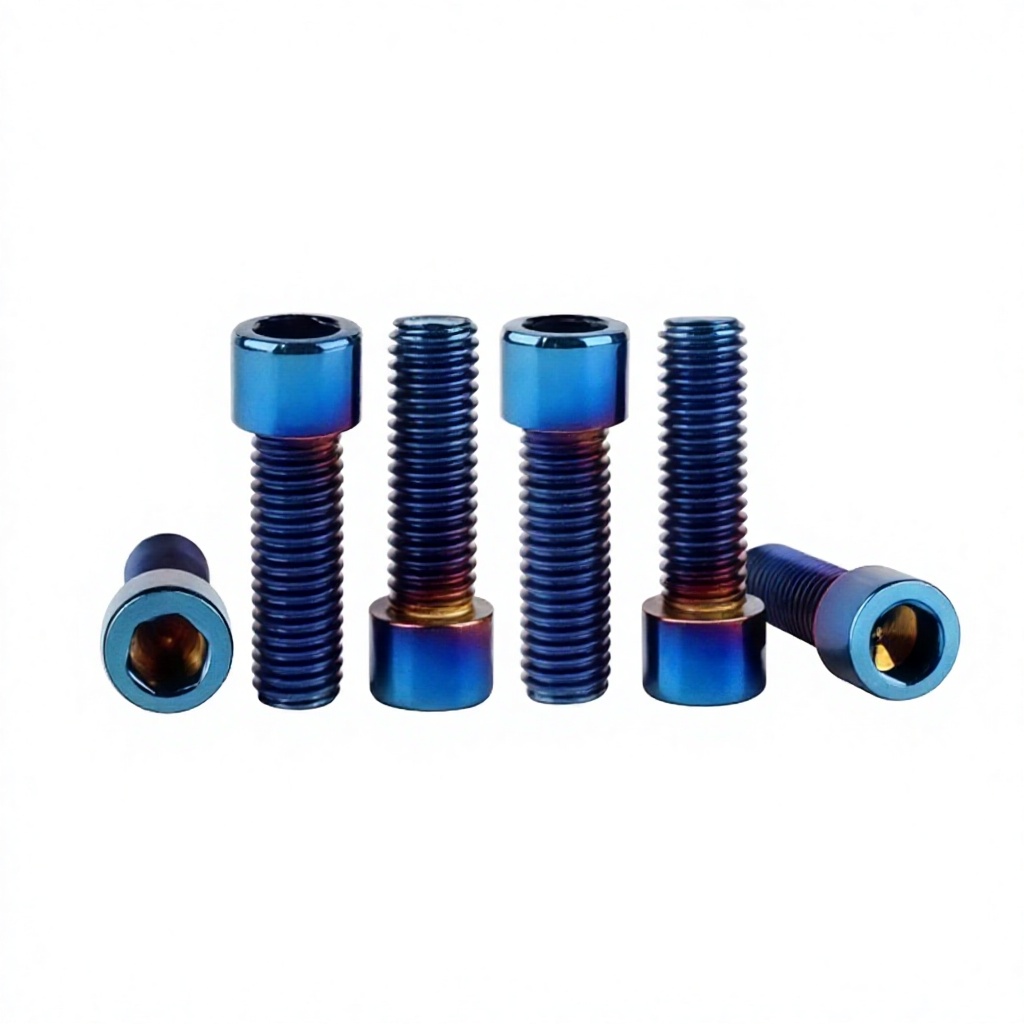
A technical and macroeconomic analysis of how high-performance alloy fastener supply chains are evolving across motorsport, aerospace sub-assemblies, and heavy marine engineering.
The global push for electric vehicle range expansion is accelerating the switch from Class 8.8 and 10.9 structural steel to Grade 5 Ti-6Al-4V wheel bolts and chassis hardware. With an average density of 4.43 g/cm³ compared to 7.85 g/cm³ for structural steel, titanium cuts fastener mass by ~44%. For rotating components—such as wheel hubs, disc brake bobbins, and drive flange studs—this direct reduction in unsprung mass dramatically improves suspension damper dynamics, rotational inertia, and battery watt-hour efficiency per mile.
Global procurement teams are moving away from speculative brokers and establishing verified direct-from-mill relationships. Being situated in Baoji—China's renowned "Titanium Valley"—enables rigorous heat-lot traceability from titanium sponge vacuum arc remelting (VAR) to rolled ASTM B348 billet down to the final CNC lathe. Modern cross-border supply frameworks now strictly mandate EN 10204 3.1 Material Test Reports (MTRs) specifying chemical compositions (O, Fe, C, N, H limits) alongside tensile yield verification to ensure structural repeatability.
Industrial distributors and specialized motorsport workshops no longer order mixed standard fasteners in bulk cardboard boxes. The industry standard has shifted toward pre-packaged, laser-etched, chassis-specific hardware kits. In OEM and aftermarket channels alike, kit-based procurement drastically lowers inventory handling costs, prevents workshop cross-threading, and ensures that technicians assemble matching strength classes and specialized PVD/anodized corrosion-protective finishes on critical mechanical assemblies.
Reference values comparing commercially pure Grade 2 titanium, aerospace structural Grade 5 (Ti-6Al-4V), and standard industrial high-tensile steel fasteners.
| Mechanical / Physical Property | Grade 2 Titanium (Pure) | Grade 5 Titanium (Ti-6Al-4V) | Structural Steel 8.8 | Stainless Steel 316 (A4-70) |
|---|---|---|---|---|
| Density (g/cm³) | 4.51 g/cm³ | 4.43 g/cm³ | 7.85 g/cm³ | 8.00 g/cm³ |
| Tensile Strength (Min. MPa) | 345 MPa | 895 – 1000 MPa | 800 MPa | 700 MPa |
| Yield Strength (0.2% Offset, MPa) | 275 MPa | 828 MPa | 640 MPa | 450 MPa |
| Strength-to-Weight Index (kN·m/kg) | 76.5 | 202.0 | 101.9 | 87.5 |
| Thread Forming Method | Turned / Cut | Cold Rolled / CNC Precision | Rolled | Rolled / Machined |
| Marine / Chloride Resistance | Immune (forms TiO₂ layer) | Superior (Passive passivated) | Poor (Requires zinc plating) | Moderate (Susceptible to pitting) |
A key manufacturing distinction that modern enterprise buyers evaluate when assessing titanium bolt suppliers is the thread forming methodology. Historically, many small workshops utilized conventional single-point lathe turning to cut threads into titanium bar stock. While viable for prototype fitting, thread cutting breaks the continuous metallurgical grain flow of the alloy, creating microscopic notch stresses at the root of the thread.
At our Baoji facility, high-stress load-bearing Grade 5 bolts undergo warm and cold thread-rolling processes. Thread rolling hydraulically burnishes the material into shape between hardened dies without removing metal. This continuous grain boundary deformation introduces favorable compressive residual stresses at the thread roots, improving dynamic fatigue life by over 30%—a critical reliability factor for motorcycle calipers, brake rotors, and automotive hub assemblies operating under severe cyclic loading.
Furthermore, multi-axis Swiss-type precision lathes perform critical under-head fillet contouring and concentricity boring in a single setup, guaranteeing run-out tolerances under 0.015mm and eliminating stress concentrations where the shank meets the fastener head.
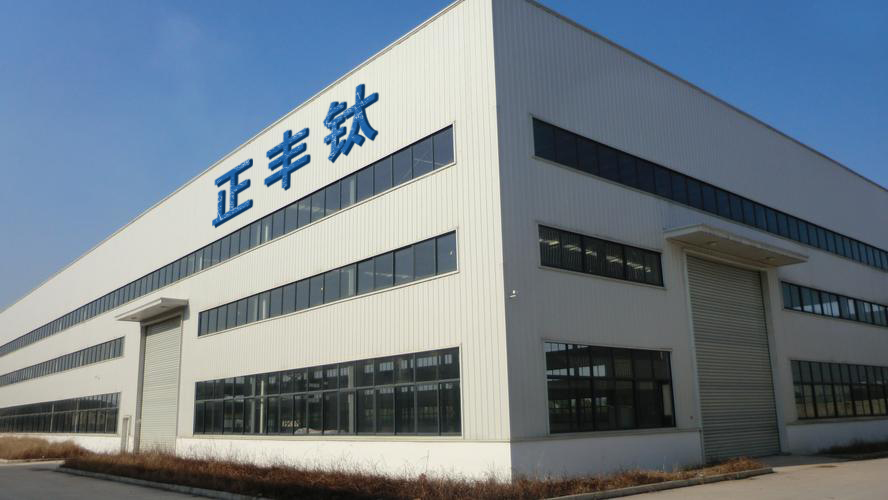
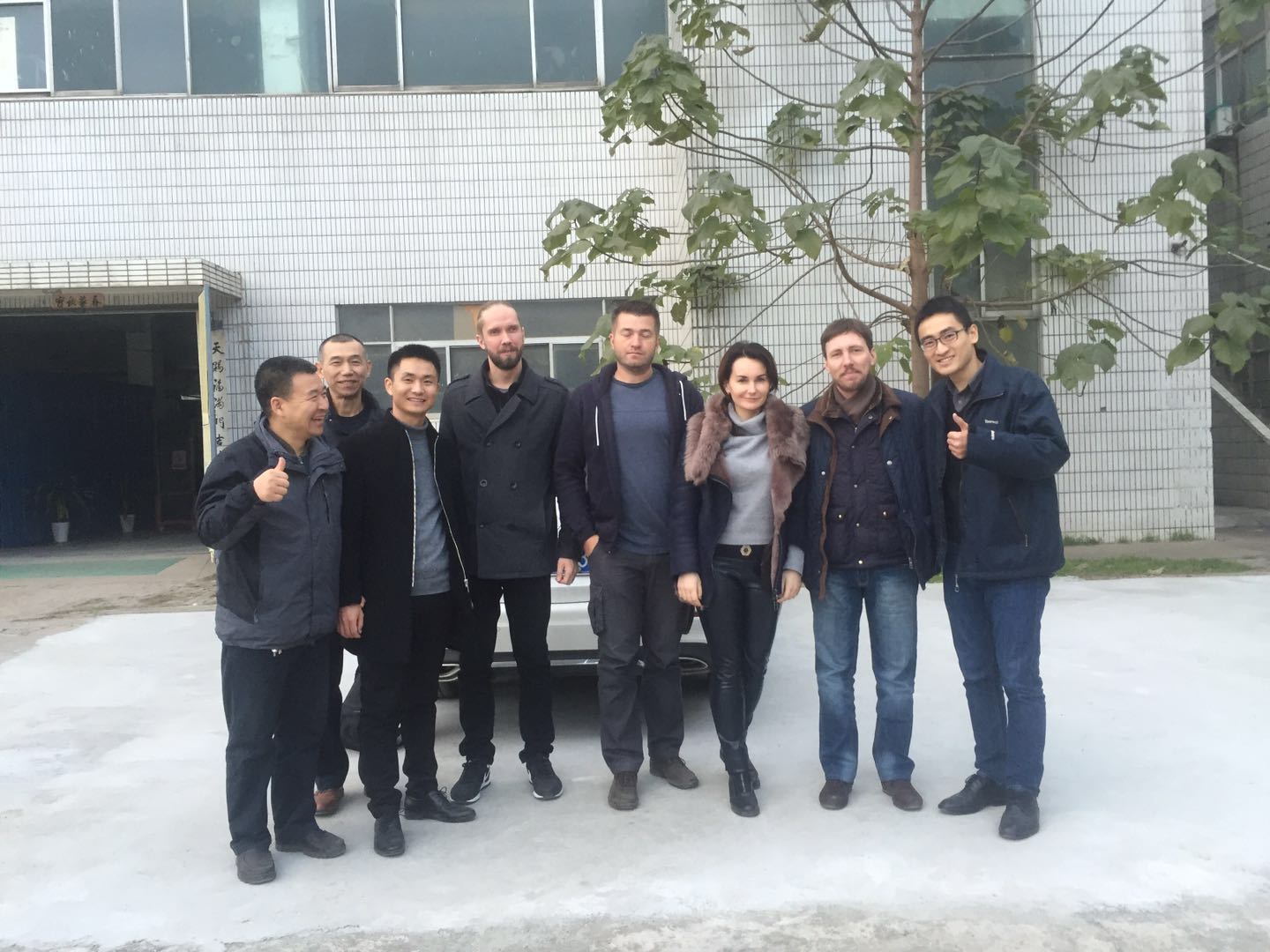
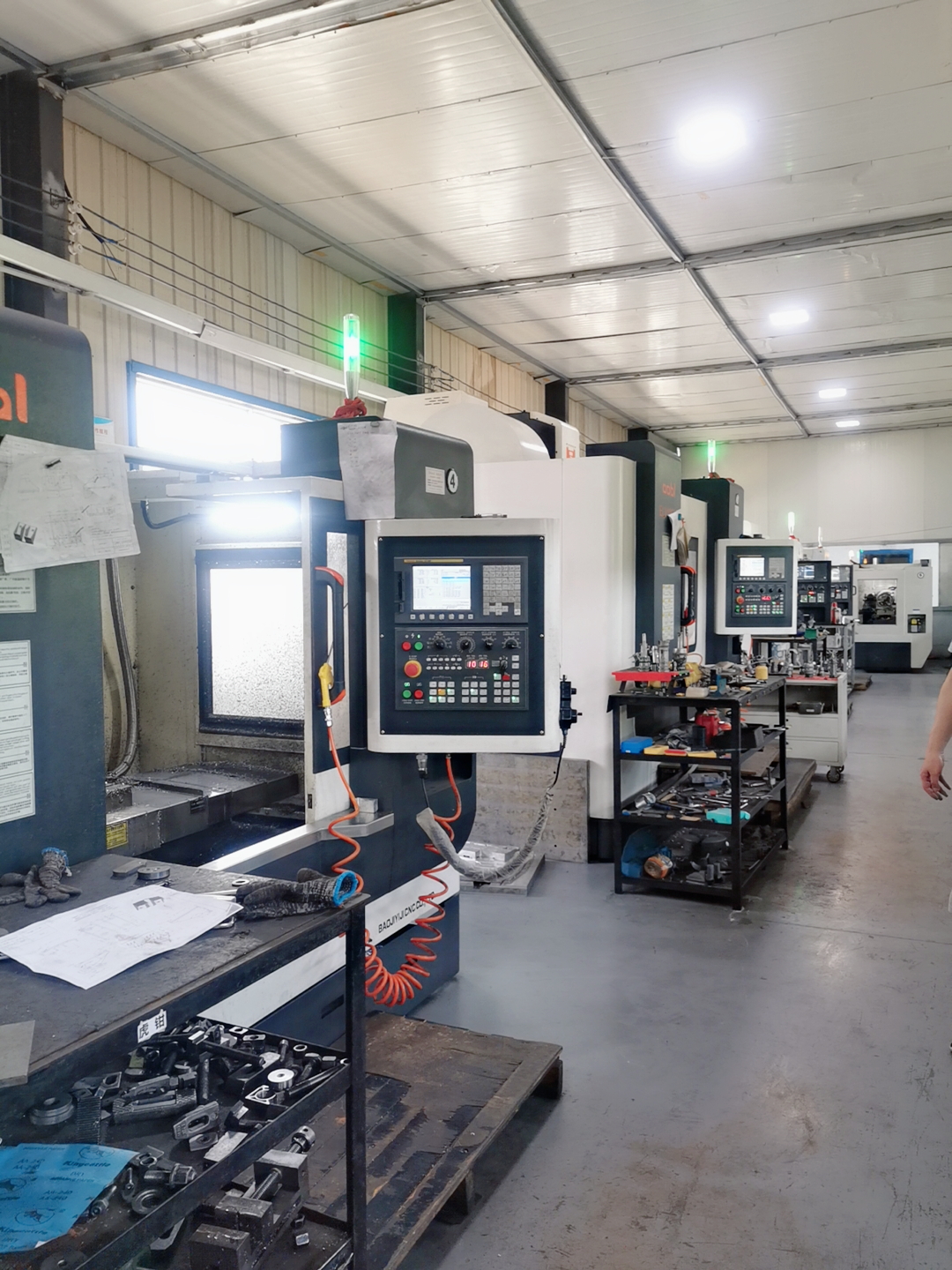
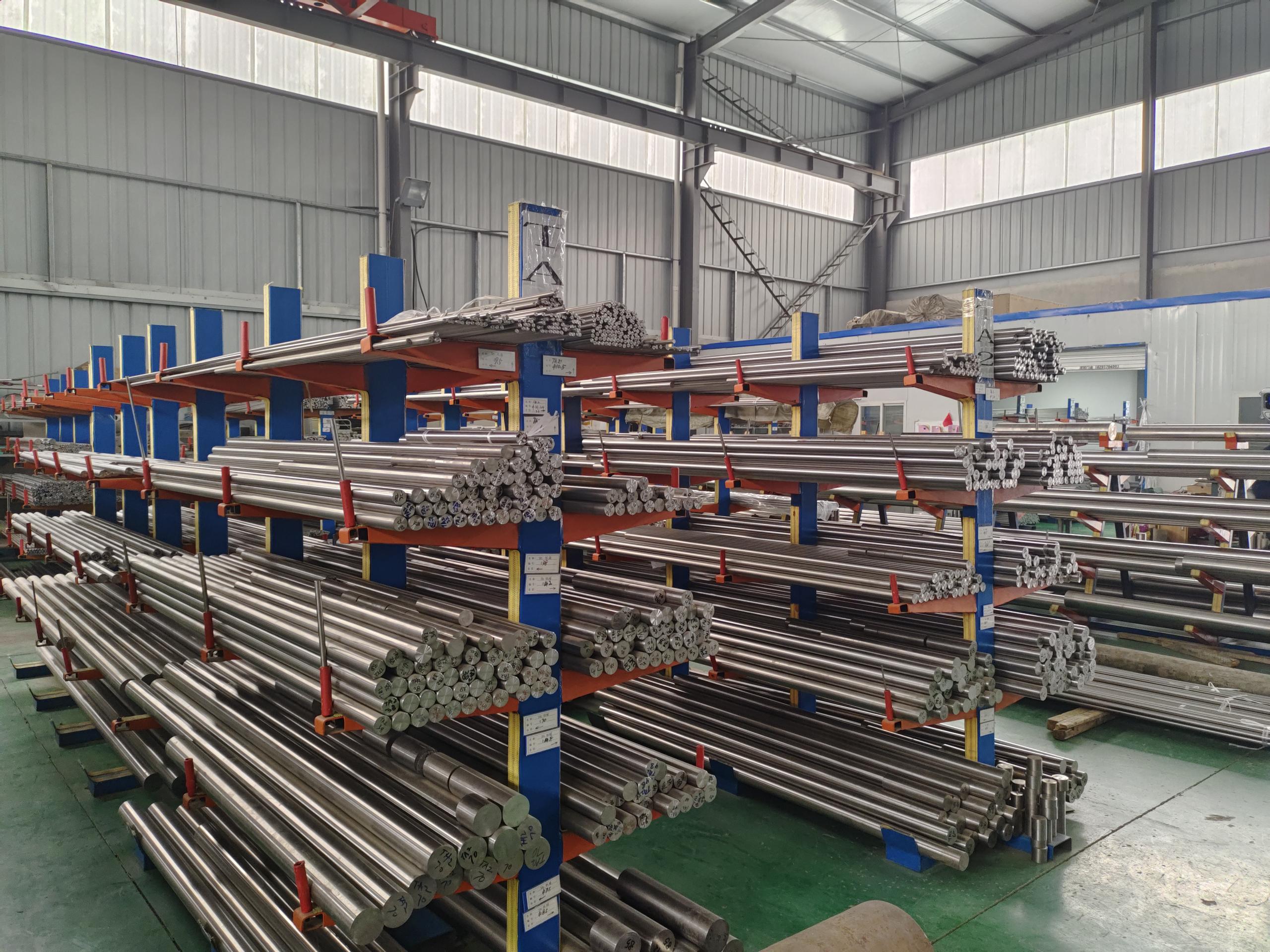
Combining the metallurgical capital of Baoji High-Tech Zone with world-class ISO manufacturing tolerances, direct engineering consultations, and end-to-end export compliance.
Headquartered in Honeycomb Industrial Park, Baoji High-Tech Development Zone, we operate directly within China's largest raw titanium processing corridor. This proximity guarantees instantaneous access to vacuum-melted ASTM B348 Grade 2 and Grade 5 ingots and bars, insulating our global partners from raw-material supply-chain bottlenecks and raw material markups.
Our workshop houses over 100 high-precision machine tools including 3-axis, 4-axis, and multi-spindle Swiss CNC turning-milling centers. This extensive machining capacity empowers our technicians to execute intricate hollowed-out head designs, Torx anti-camout drives, cross-drilled safety wire holes, and customized pitch variations from sample or CAD models with prompt turnaround.
Operational since 2013, our production teams have honed our proprietary techniques for cutting, tool cooling, and passivating titanium—a notoriously reactive metal prone to work-hardening. Every order adheres to our motto: "Titanium concentration, service intention," backed by comprehensive onsite verification by independent third-party inspection firms.
We provide full-spectrum surface coloration—including Burnt Blue (rainbow), Royal Gold, Emerald, Violet, and deep PVD Black. Our specialized anodizing alters titanium's natural oxide layer thickness interferometrically, producing brilliant, durable colors with zero additive thread dimensional changes, preserving 100% thread gauge engagement.
Quality control begins with incoming spectroscopic alloy identification (XRF testing). It continues through coordinate-measuring machine (CMM) dimensional checks at the lathe and finishes with high-speed automated optical sorting systems that inspect thread pitch, pitch diameter, and surface smoothness before vacuum packaging.
We support seamless international fulfillment under FOB, CFR, CIF, EXW, FCA, CPT, DDP, and DDU terms via air express or marine shipping. Our finance desk handles transactions smoothly in USD, EUR, GBP, JPY, CAD, and AUD through wire transfer (T/T), Letters of Credit (L/C), PayPal, or secure trade escrow.
Expert insights covering metallurgical grades, engineering best practices, anti-galling procedures, torque calculations, and commercial order logistics.
Partner directly with Baoji's leading ISO-compliant titanium bolt manufacturer. Send us your bill of materials, engineering drawings, or OEM kit requests. Our technical engineering desk reviews thread specifications, material grades, and export logistics within 24 hours.