Gr5 · PVD
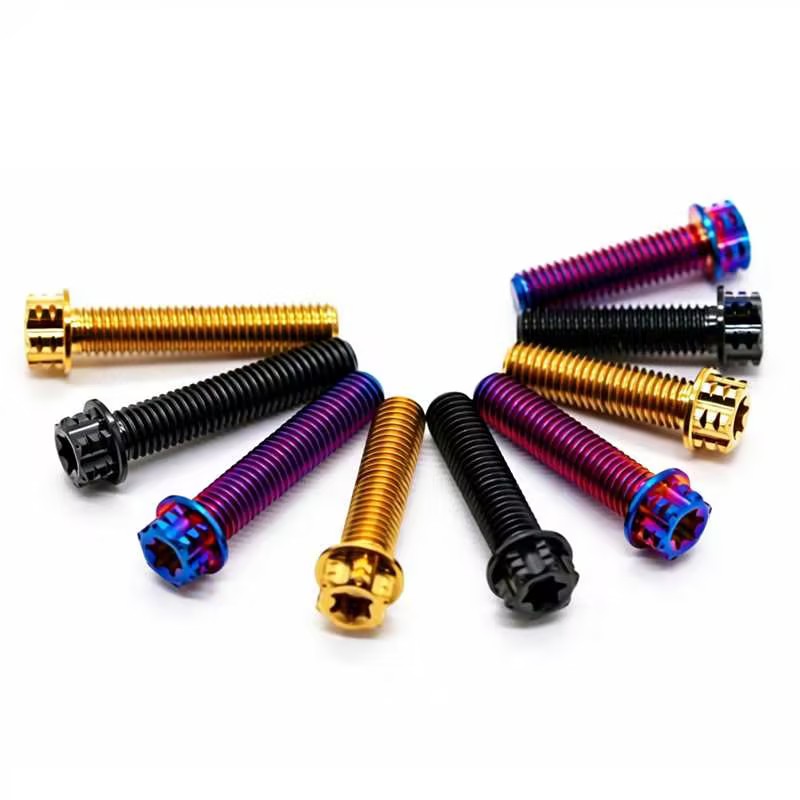
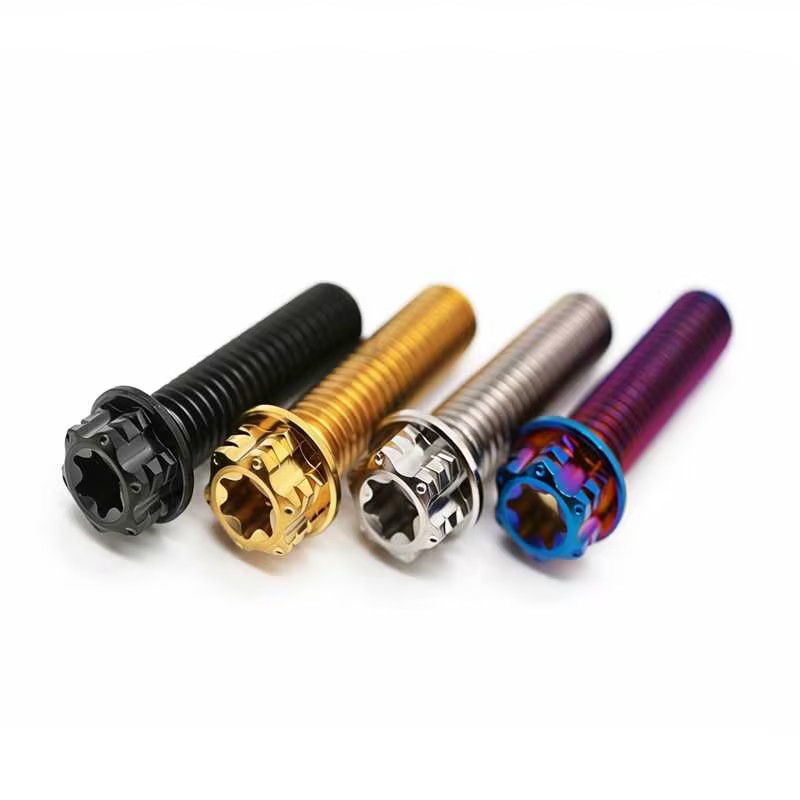
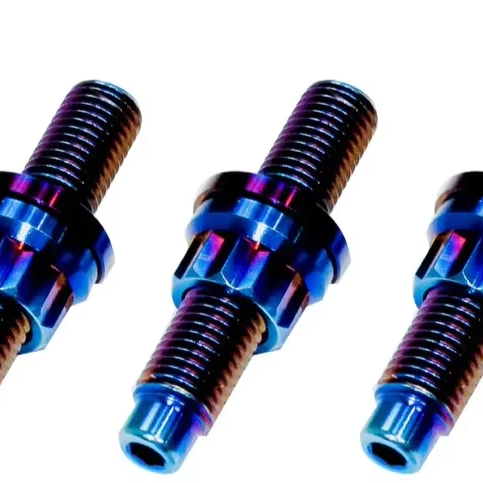
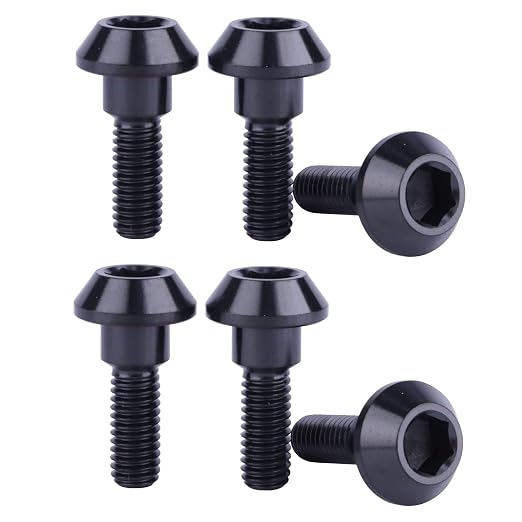
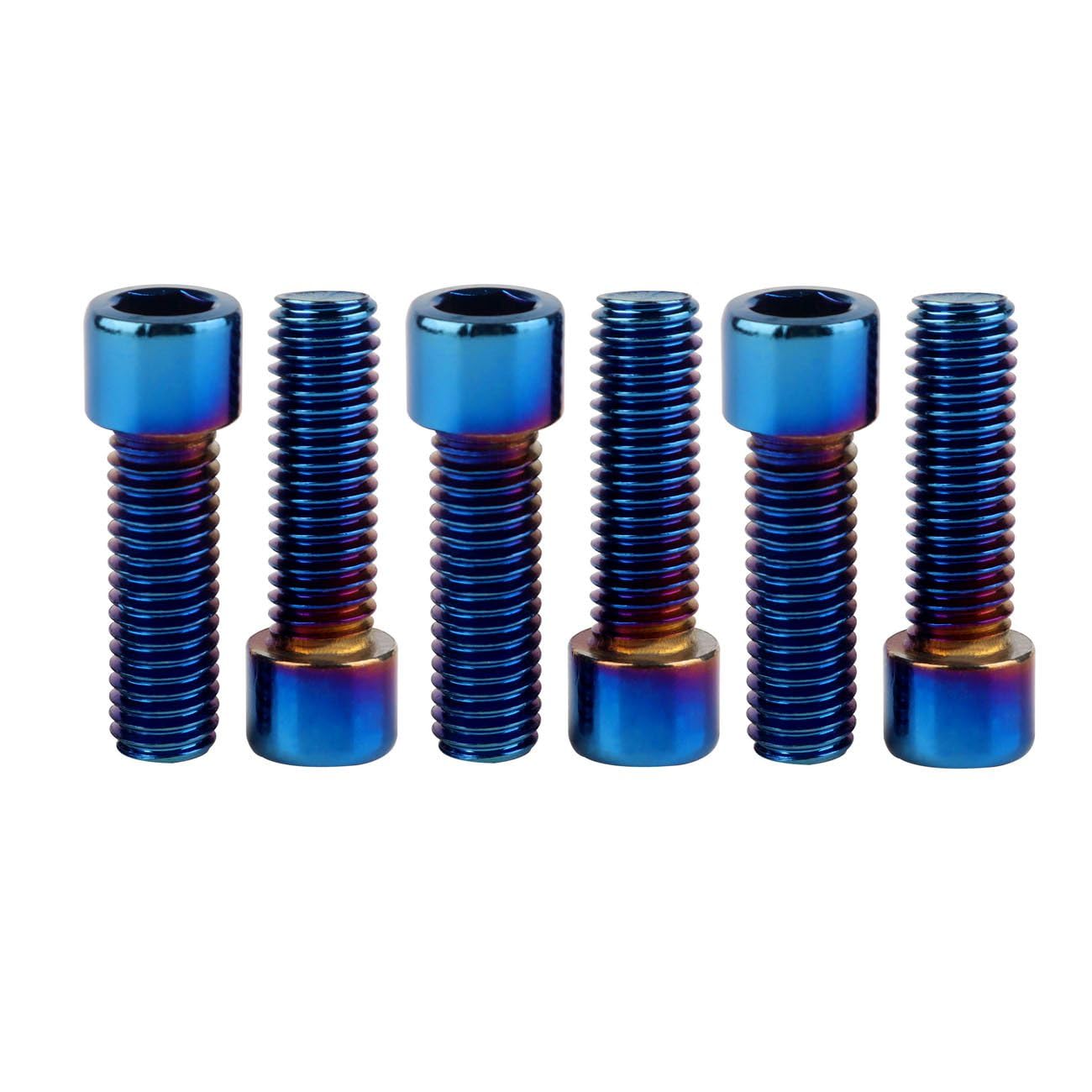
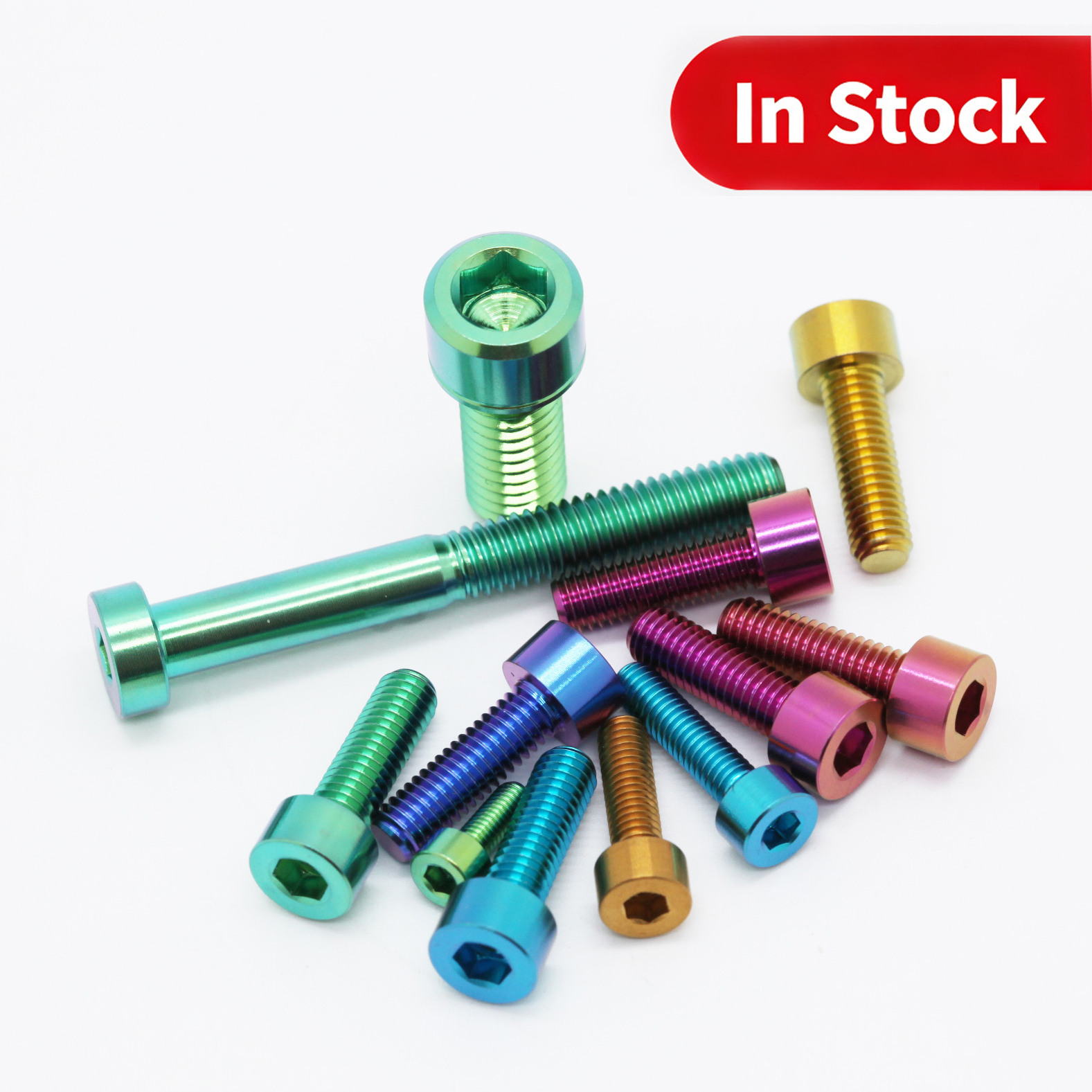
Titanium Torx Head Motorcycle Bolt Class 8.8 Gr5 Star Screw
- Standard: Custom / DIN Standard
- Grade: Ti-6Al-4V (Grade 5)
- Drive Type: Torx / Star Drive
- Tensile Strength: ≥ 895 - 1000 MPa
Engineered for lightweighting, exceptional corrosion resistance, and fatigue life under extreme cyclic vibration. Browse our key series machined from ASTM B348 certified bar stock.
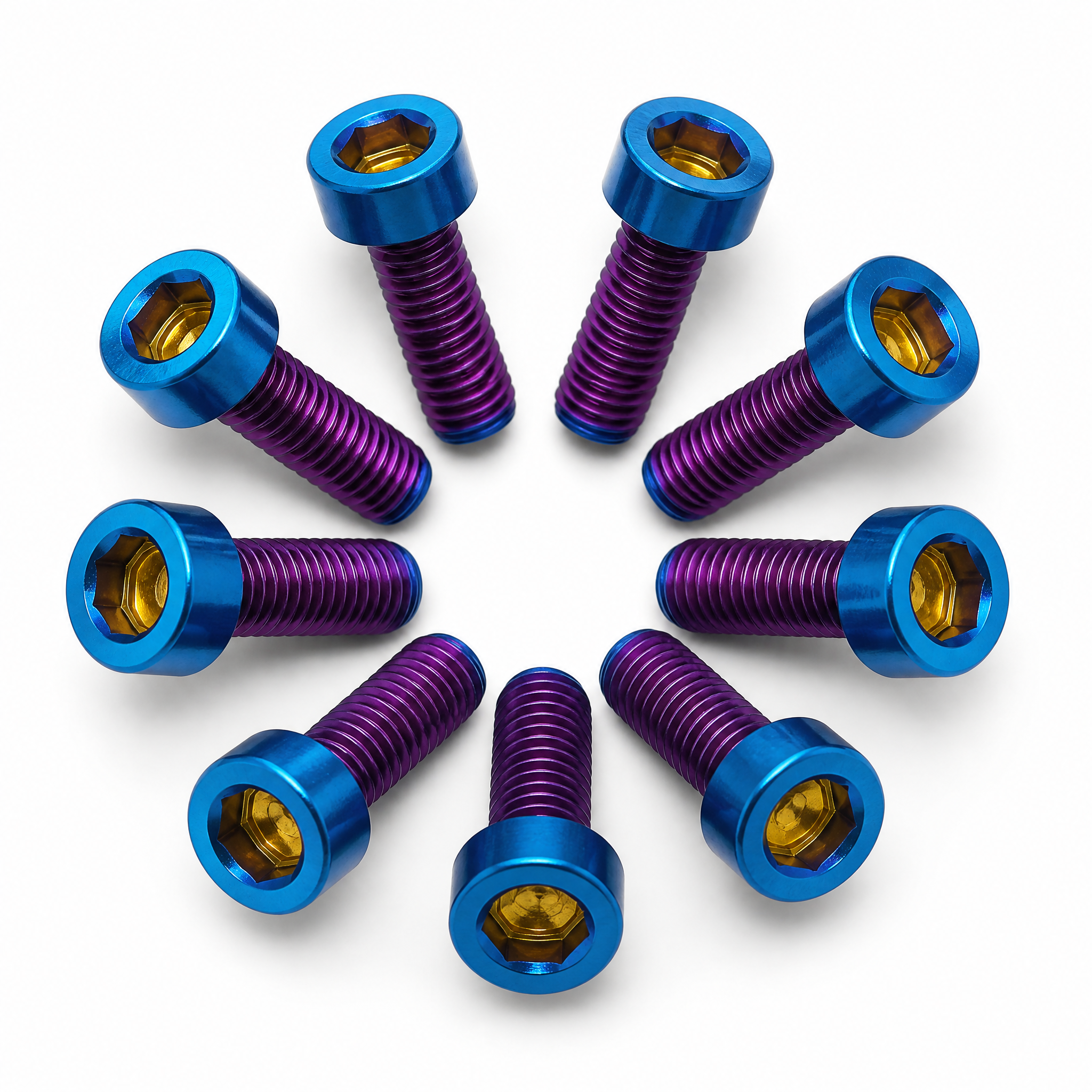
Why Tier-1 industrial buyers replace 304/316 stainless steel and Class 8.8-10.9 alloy steels with Grade 5 Titanium for structural fastener applications.
Grade 5 titanium possesses a density of roughly 4.43 g/cm³, achieving a 44% mass reduction compared to alloy steel (7.85 g/cm³). In rotational dynamic components like brake rotors and wheel hubs, reduced unsprung weight dramatically improves gyroscopic response, fuel efficiency, and vibrational damping.
Unlike carbon steel which requires cad-plating, zinc flake, or galvanization, titanium forms an instantaneous, tenacious titanium dioxide (TiO&sub2;) layer upon exposure to air or moisture. It displays complete immunity to chlorides, pitting, and marine atmospheric stress corrosion cracking.
Standard fasteners cut with dies suffer micro-tears along root radiuses. Yevzo utilizes high-tonnage cold rolling techniques on unthreaded shanks, generating continuous grain flow paths that elevate cyclical fatigue limits past 10 million cycles under pre-load conditions.
| Mechanical / Physical Property | Commercial Grade 2 (CP-Ti) | Aerospace Grade 5 (Ti-6Al-4V) | Class 8.8 High-Tensile Steel | A2-70 (304 Stainless Steel) |
|---|---|---|---|---|
| Ultimate Tensile Strength (Rm) | ≥ 345 MPa | ≥ 895 - 1000 MPa | 800 MPa | 700 MPa |
| Yield Strength (Rp 0.2) | ≥ 275 MPa | ≥ 828 MPa | 640 MPa | 450 MPa |
| Density (g/cm³) | 4.51 | 4.43 | 7.85 | 7.93 |
| Modulus of Elasticity (GPa) | 105 | 114 | 210 | 193 |
| Thermal Expansion (10⁻⁶/K) | 8.6 | 8.6 | 12.2 | 16.0 |
| Chloride Pitting Resistance | Complete Immunity | Complete Immunity | Severe Corrosion | Susceptible to Crevice Pitting |
*Data verified in accordance with ASTM B348, ISO 898-1, and ISO 3506-1 standards.
Market developments shaping industrial procurement strategies across North America, the European Union, and Asia-Pacific through 2030.
As battery packs impose hundreds of kilograms of parasitic tare weight, OEMs increasingly prioritize high-performance fastener substitution. Switching battery casing socket bolts, chassis linkages, and suspension pivots to Ti-6Al-4V extends driving range while lowering the center of gravity without compromising shear safety.
Global supply chain compliance mandates end-to-end transparency. Procurement departments now strictly require Heat Treatment Certifications, EN 10204 3.1 Material Test Reports (MTR), and spectral batch chemical analysis directly tracing unworked ingots back to certified Baoji titanium sponge mills.
Traditional electrochemical anodization is increasingly complemented by Physical Vapor Deposition (PVD). Advanced Titanium Nitride (TiN), Diamond-Like Carbon (DLC), and Chromium Nitride (CrN) vacuum deposits yield surface hardness ratings exceeding 2500 HV, eliminating micro-galling and thread seizure during high-rpm assembly.
Operating from Baoji, China's "Titanium Valley" since 2013, Yevzo couples upstream material supply integration with precision machining infrastructure.
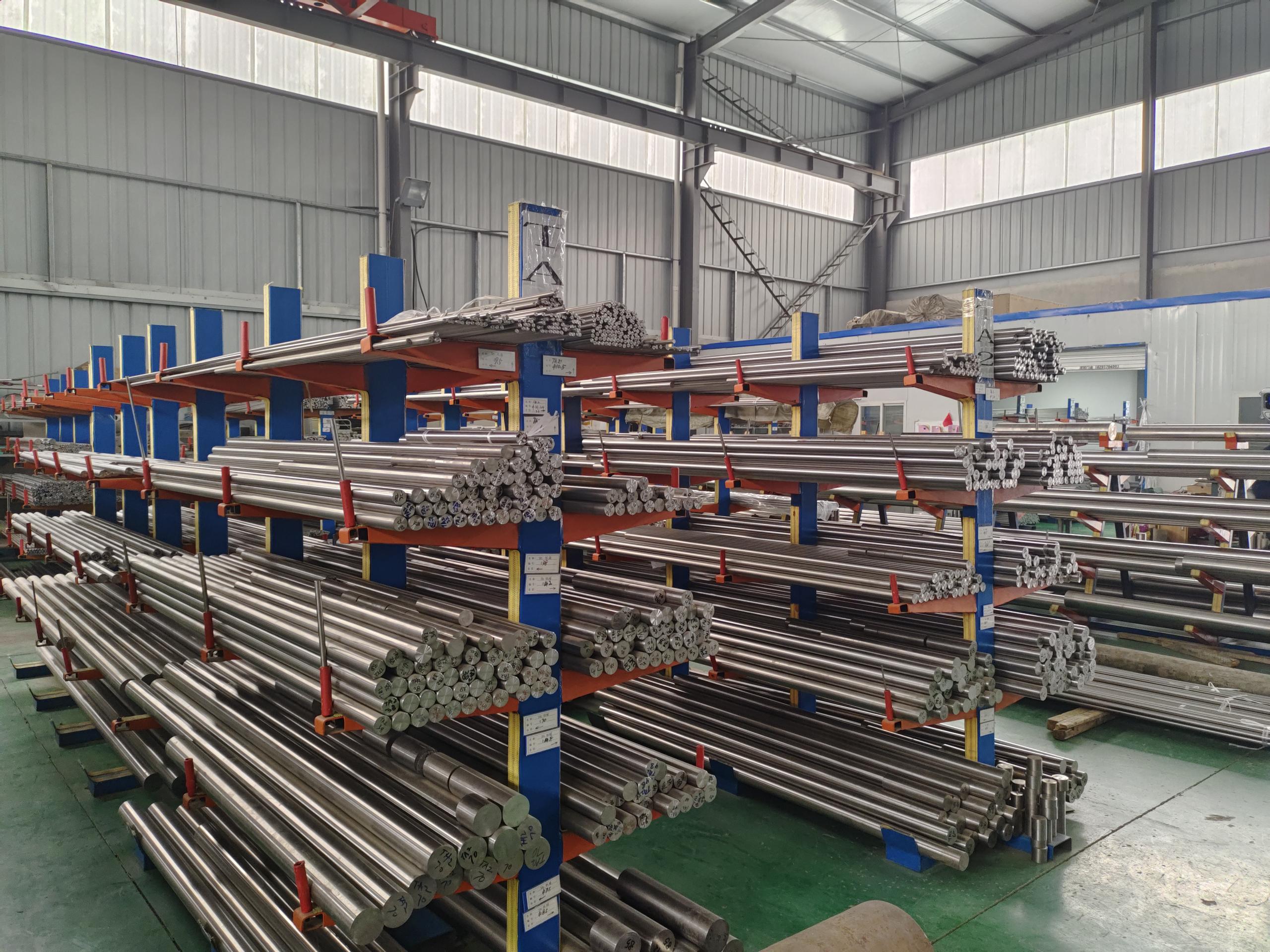
Optical emission spectrometer checks bar stock alloy ratios before sawing.
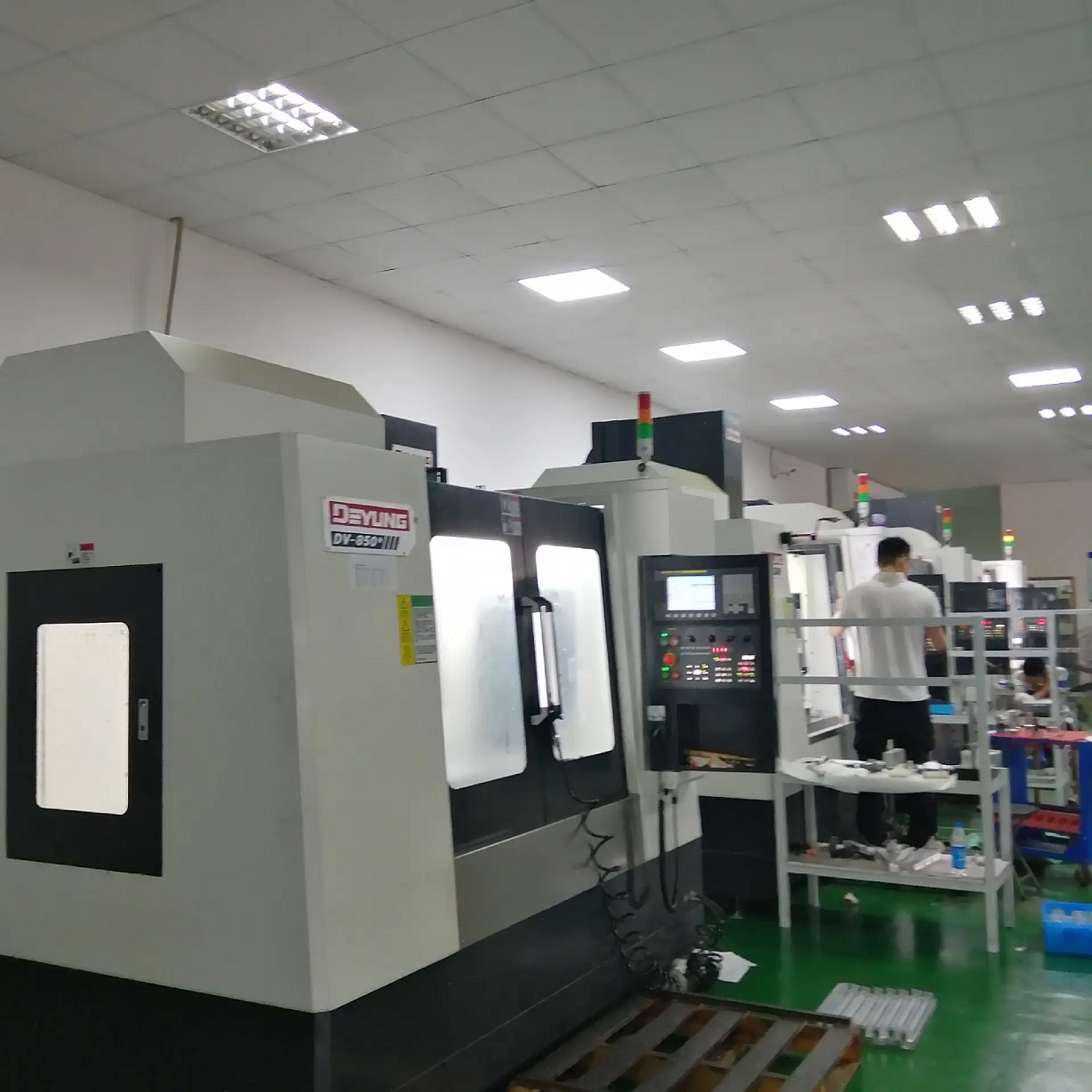
High-precision turning for head configuration, socket broaching, and shank profiling.
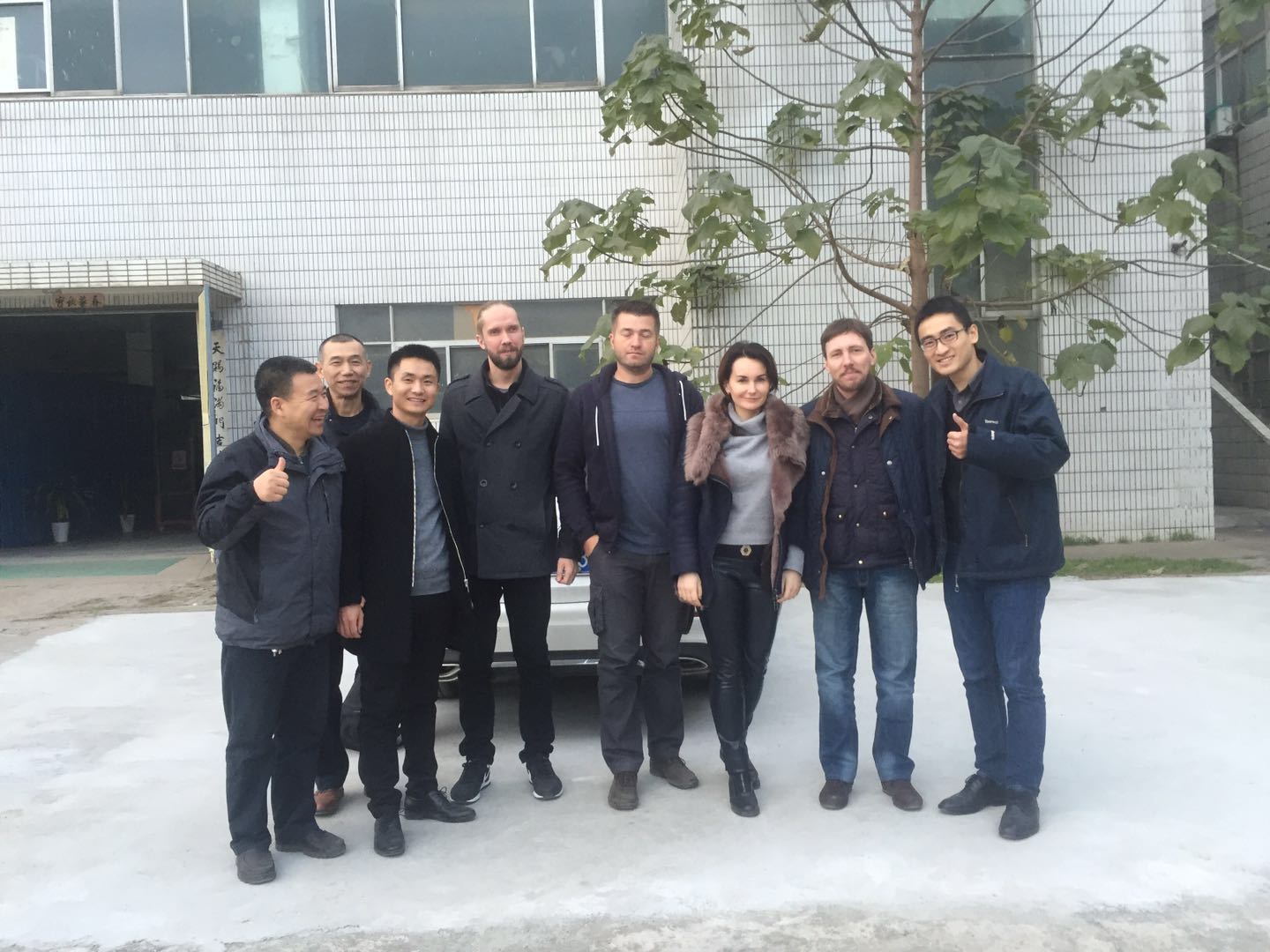
Hydraulic thread rolling preserves metallurgical grain structures for fatigue strength.
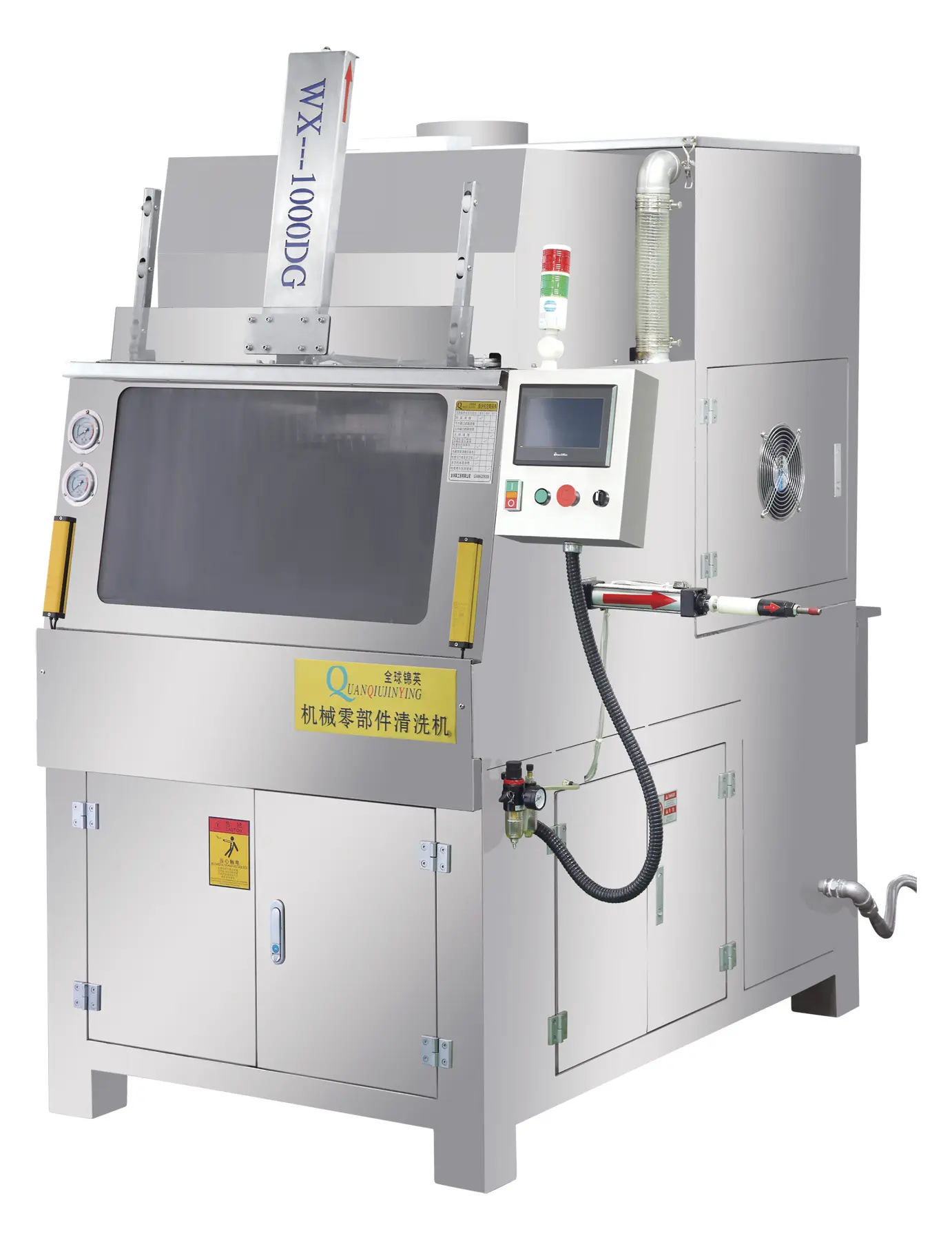
Multi-stage degreasing, ultrasonic cleaning, PVD nitriding, or micro-anodizing.
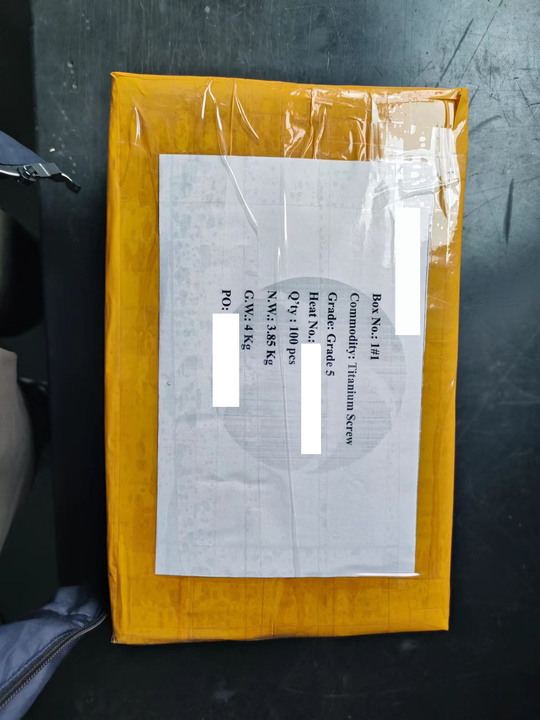
Laser dimension gauging and vacuum blister packing preventing thread-on-thread impact.
Expert engineering insights addressing common design challenges, torque parameters, and customs logistics.
Titanium has a lower modulus of elasticity (114 GPa vs. 210 GPa for steel), making it roughly twice as elastic under tensile preload. Always utilize torque specs tailored to titanium: typically 15% to 20% lower than a Class 10.9 steel bolt of equivalent shank diameter to avoid over-stretching the fastener, paired with an anti-seize paste to stabilize the friction coefficient (μ ≈ 0.10 - 0.12).
Galling occurs when friction shears away microscopic protective oxide films on mating threads, causing direct atomic bonding. To prevent cold welding: (1) apply MoS&sub2; or nickel-based anti-seize compounds, (2) select rolled rather than cut threads for smoother contact surfaces, or (3) specify physical vapor deposition (PVD TiN/DLC) or dry-film lubricating treatments.
Titanium is electrochemically noble (+0.05V), whereas aluminum is active (-0.90V). In wet, electrolytic environments (such as road brine or marine spray), the aluminum housing can act as a sacrificial anode. We recommend pairing fasteners with non-conductive insulating washers, zinc-nickel barrier coatings, or joint sealing paste to eliminate electrolyte bridging.
Standard metric sizes (M4 to M12 socket bolts) maintain a low MOQ of 20 to 50 pieces due to stocked ASTM B348 bar inventories. Bespoke CNC geometries involving non-standard pitches, hollowed weight-relief heads, or specialized PVD coloring typically start at 100 to 200 pieces, backed by full 2D/3D CAD sample sign-offs.
No. Unlike heavy anodizing on aluminum which builds up measurable dimensional thickness, titanium color anodizing is an electrolytic optical refraction process. The transparent oxide layer generated is typically less than 200 nanometers thick, preserving 6g thread class clearances and critical wrench fitment tolerances.
We support FOB, CFR, CIF, CPT, and full door-to-door DDP arrangements via air courier or sea freight. Shipments include EN 10204 3.1 Material Test Reports (chemical & mechanical properties), ultrasonic raw material validation, dimensional inspection reports, and Commercial Invoices configured for regional customs clearance.
Send your CAD models (STEP, DWG, PDF), fastener specifications, or target custom application details directly to our engineering desk. Gain factory-direct pricing from the heart of Baoji's Titanium Valley.
• Strict NDA protection | • ISO-standardized quality metrics | • Rapid international prototyping
Click below to engage our technical export sales team instantly:
Get a Quote