Exhaust Tech
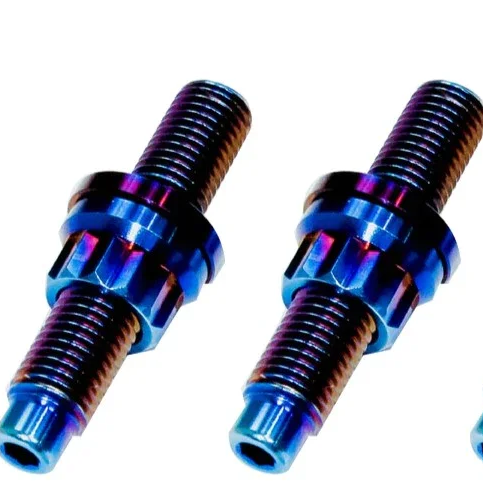
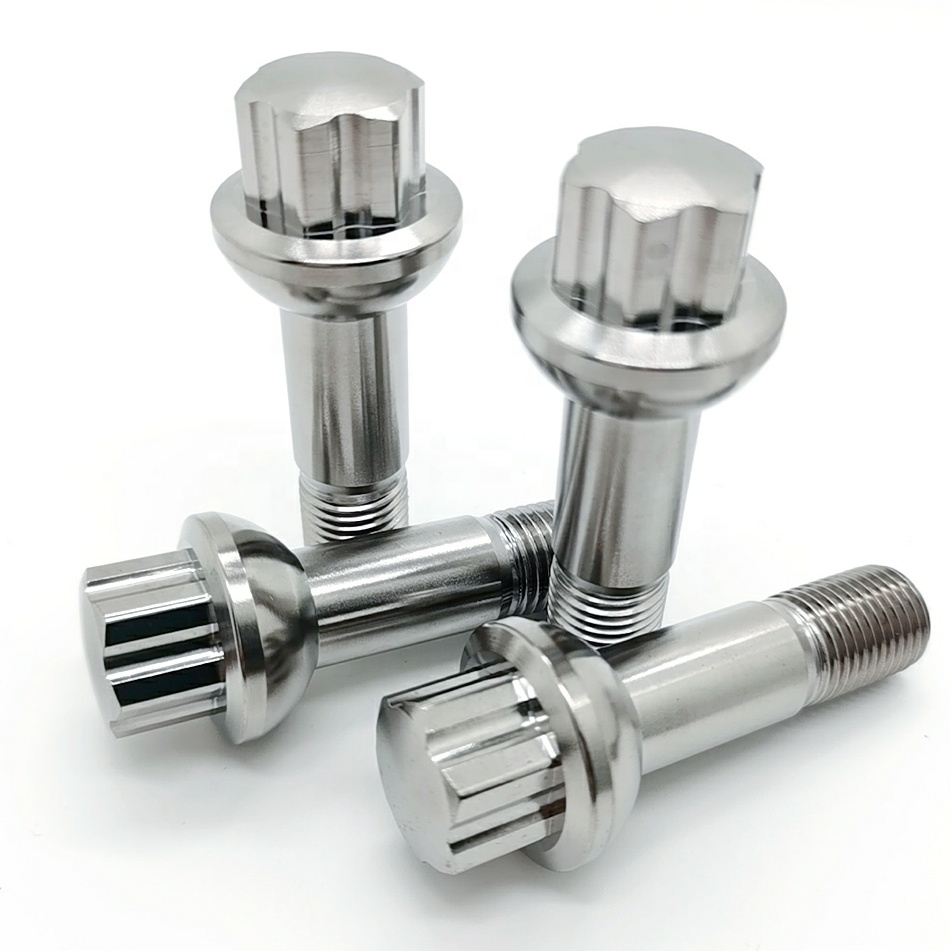
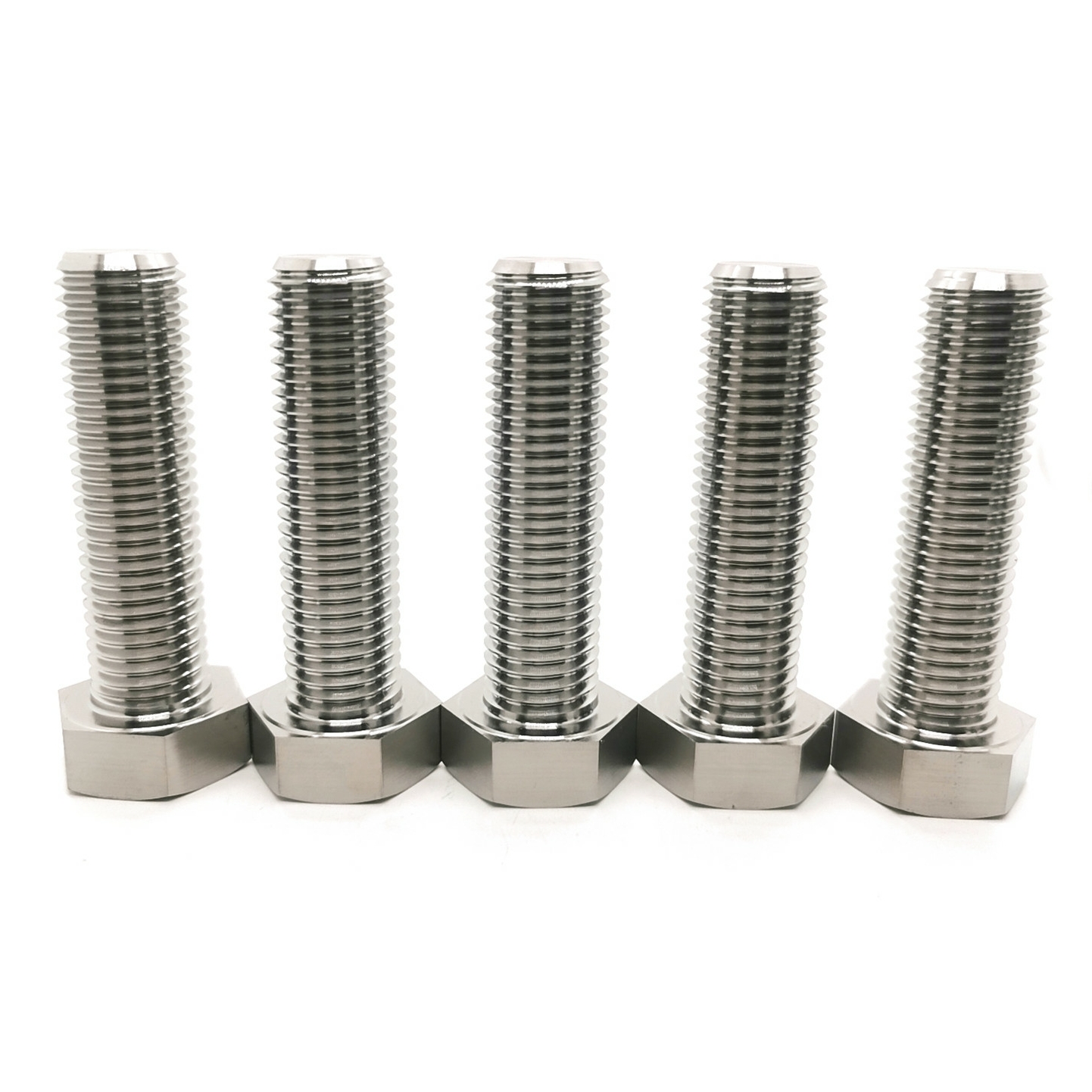
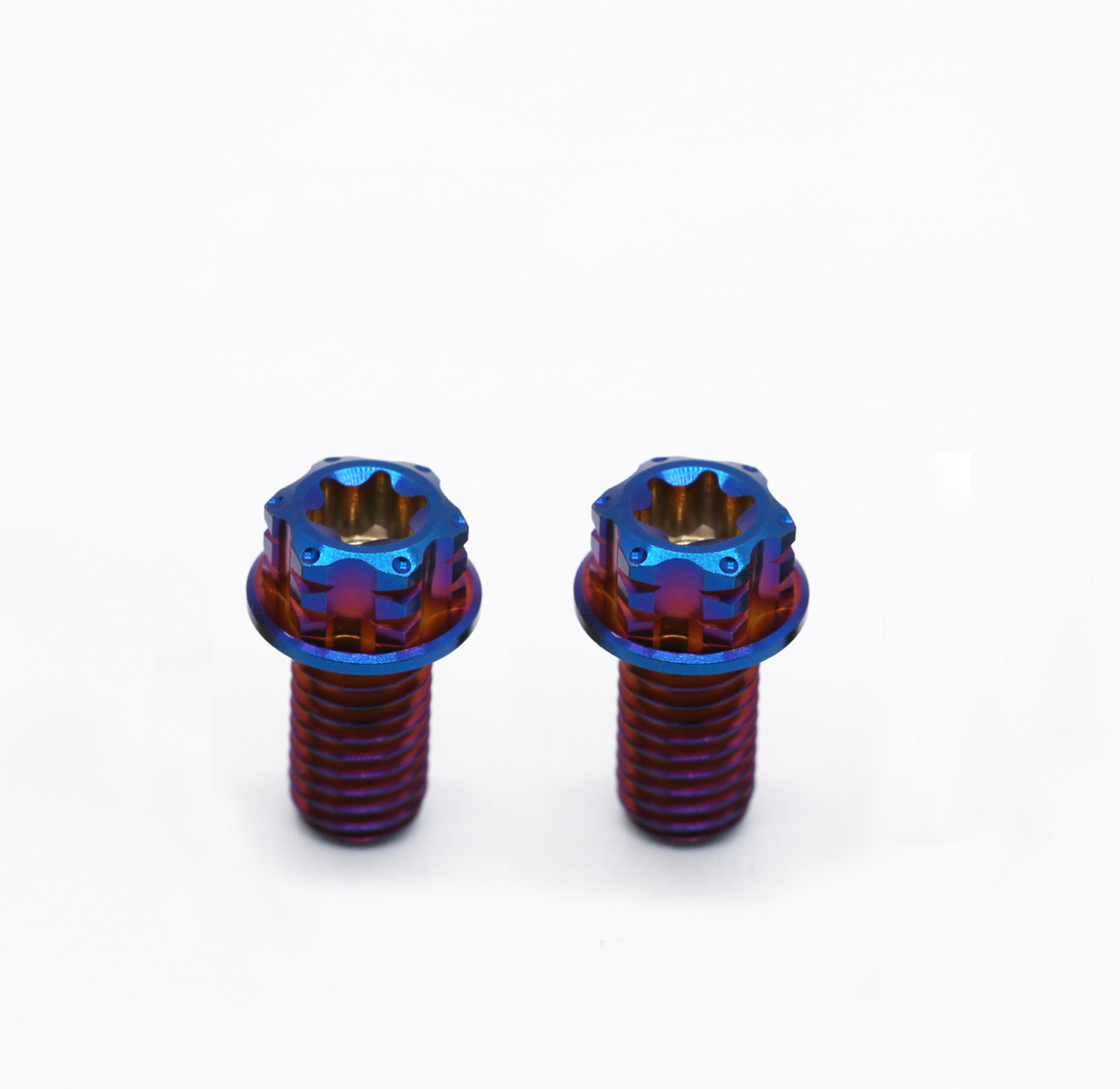
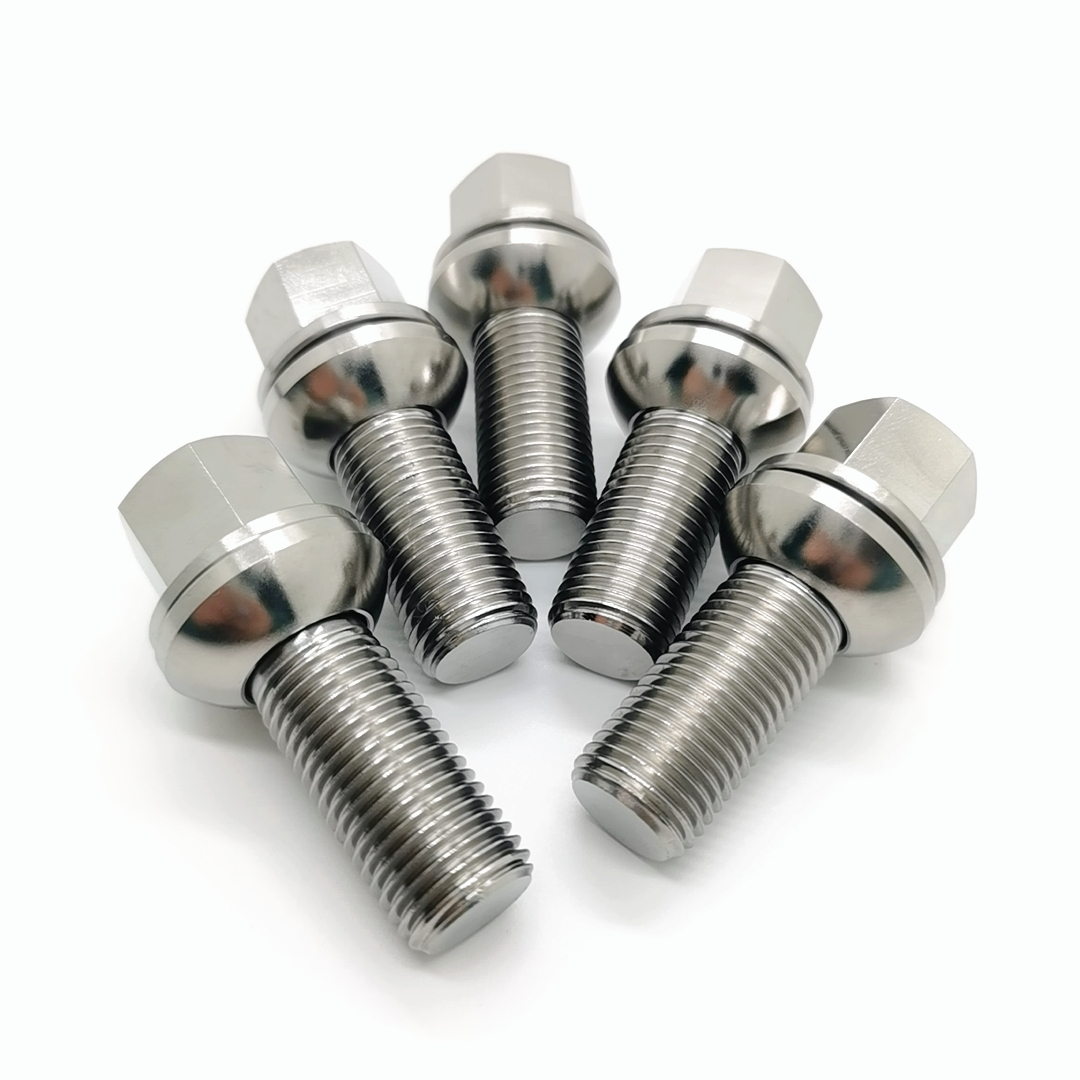
Silver Color M8 M10 Car Exhaust Pipe GR5 Stud Kits
- Grade: Ti-6Al-4V Grade 5
- Size: M8 x 1.25 / M10 x 1.25
- Application: Turbo Manifolds & Downpipes
Certified Ti-6Al-4V Grade 5 components manufactured to DIN, ISO, and motorsport-grade dimensional specifications. Thread-rolled for superior fatigue strength under cyclic exhaust manifold temperatures.
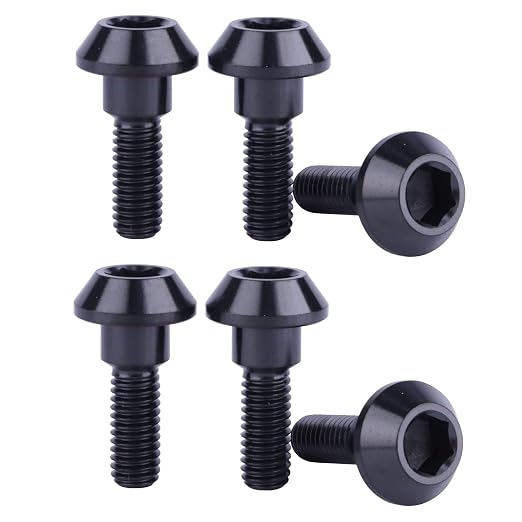
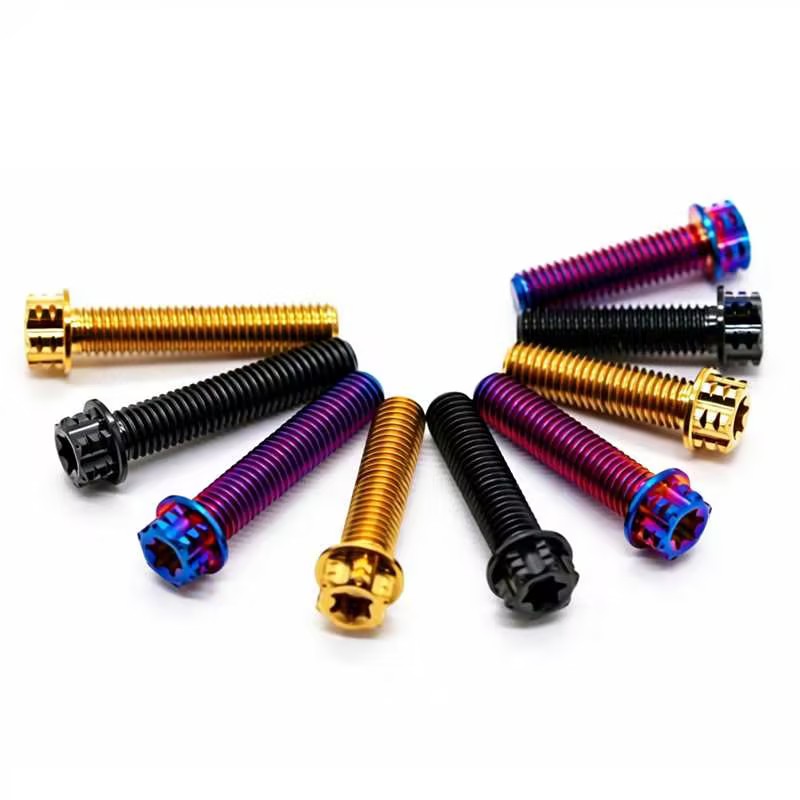
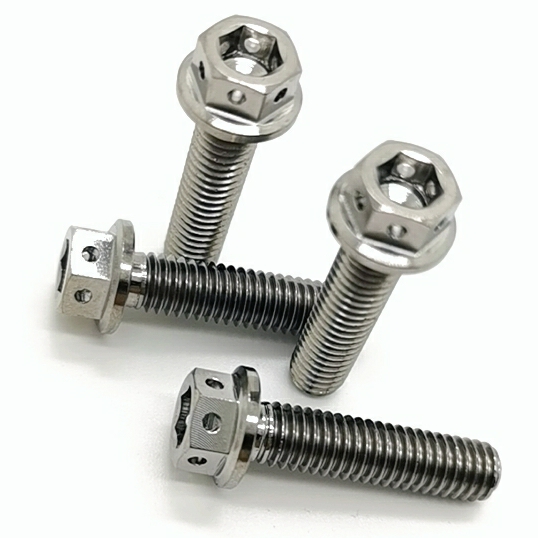
A rigorous examination of thermal cycling resistance, coefficient of thermal expansion, and mechanical properties across extreme operational envelopes.
Exhaust systems operate under intense cyclic thermal loads, fluctuating from ambient temperatures to beyond 850°C. Standard Grade 8.8 and 10.9 zinc-plated carbon steel bolts possess a Coefficient of Thermal Expansion (CTE) near 12.0 × 10⁻⁶/K, whereas aftermarket titanium alloy manifolds, stainless steel flanges, and aluminum cylinder heads expand at differing rates. Ti-6Al-4V exhibits a remarkably lower and more stable CTE (8.6 × 10⁻⁶/K at 20°C to 500°C), drastically minimizing thermal fatigue, stud stretching, and exhaust port blow-by gaskets failure.
Unlike steel hardware that relies on superficial zinc plating, cadmium conversion, or black oxide finishes—coatings that degrade and evaporate when exposed to exhaust heat cycles—titanium generates a self-healing native titanium dioxide (TiO₂) passivation layer. This crystalline dielectric film resists severe atmospheric exposure, coastal salt aerosols, sulfur emissions, and corrosive de-icing agents without pitting, scaling, or seizing over the lifecycle of the powertrain.
With an engineered density of 4.43 g/cm³ compared to steel's 7.85 g/cm³, Ti-6Al-4V provides a 43.5% mass reduction while yielding tensile strengths exceeding 950 MPa. In high-performance racing platforms, GT-class vehicles, and electric hypercars, replacing standard manifold, turbocharger housing, and hub bolts with Grade 5 titanium lowers localized chassis mass, minimizes harmonic resonance, and stabilizes joint integrity under severe vibration.
| Mechanical & Physical Property | Commercial Grade 2 (CP-Ti) | Ti-6Al-4V (Grade 5 Annealed) | Structural Steel Class 8.8 | Stainless Steel AISI 316 |
|---|---|---|---|---|
| Ultimate Tensile Strength (UTS) | ≥ 345 MPa | ≥ 895 – 1000 MPa | 800 – 830 MPa | 515 – 620 MPa |
| Yield Strength (0.2% Offset) | ≥ 275 MPa | ≥ 828 MPa | ≥ 640 MPa | ≥ 205 MPa |
| Density (ρ) | 4.51 g/cm³ | 4.43 g/cm³ | 7.85 g/cm³ | 8.00 g/cm³ |
| Modulus of Elasticity (E) | 105 GPa | 114 GPa | 205 GPa | 193 GPa |
| Thermal Expansion (20°C – 100°C) | 8.6 × 10&supmin;&sup6; / K | 8.6 × 10&supmin;&sup6; / K | 11.7 × 10&supmin;&sup6; / K | 16.0 × 10&supmin;&sup6; / K |
| Corrosion Resistance (Chloride/Acids) | Immune (Ambient & Marine) | Outstanding Passivation | Poor (Requires Plating) | Moderate (Pitting Risk) |
| Galling Mitigation Profile | Anti-seize compound required | Rolled Threads + MoS&sub2; / TiN | Zinc wash / Oil | Prone to Cold Welding |
Market shifts indicating a consolidation of global automotive, aerospace, and aftermarket demand for specialized high-temperature titanium hardware.
Global procurement teams are shifting away from entirely CNC-cut studs toward a hybrid cold-heading/thread-rolling manufacturing model. While turning titanium bar on 5-axis CNC machines offers excellent precision for prototypes, thread rolling compresses the alpha-beta grain flow along the root profile, increasing the fastener’s dynamic shear fatigue threshold by more than 35%. Tier-1 automotive and motorcycle OEMs now mandate cold-rolled external threads to prevent catastrophic failure under track-level exhaust vibration.
Procurement directors in Europe, North America, and Japan are bypassing intermediaries to work directly with audited factories situated in the Shaanxi "Titanium Valley" cluster. Direct-from-source relationships secure raw ingots melted from premium sponge, ASTM B348 bar compliance, verifiable EN 10204 3.1 chemical test reports, and 20% to 35% margin savings compared to regional domestic stockists.
While electrochemical color anodizing remains popular for aftermarket aesthetics, industrial procurement is moving toward functional surface technologies. Plasma-assisted Physical Vapor Deposition (PVD) coatings, such as Titanium Nitride (TiN), Titanium Carbonitride (TiCN), and micro-layered Diamond-Like Carbon (DLC), provide surface hardness values above 2500 HV. These coatings eliminate micro-galling without requiring wet anti-seize lubricants during robotized assembly lines.
Operating continuously since 2013 from the Honeycomb Industrial Park, Fenghuang 3rd Road, High-Tech Development Zone, Baoji, Shaanxi, China.
Every production batch starts with ultrasonic-inspected ASTM B348 Grade 5 titanium bars. We record chemical composition (Ti balance, Al 5.5–6.75%, V 3.5–4.5%, Fe ≤ 0.40%, O ≤ 0.20%) and retain physical coupon samples for complete chain-of-custody verification.
Our workshop houses high-speed CNC turning-milling centers, Swiss-type automatic screw lathes, and precision rotary thread-rolling stations capable of maintaining tolerances within ±0.01mm across high-volume OEM contracts.
Whether you supply 2D engineering prints (DWG/PDF), 3D parametric CAD models (STEP/IGES), or OEM physical samples, our engineering team converts your specifications into precision tooling paths, optimizing thread-runout, radius reliefs, and seating tapers.
Equipped with computerized optical profile projectors, Zeiss coordinate measuring machines (CMM), Rockwell hardness testers, and thread ring/plug gauges to ensure strict compliance with ISO 965-2 and ANSI B1.1 dimensional thread standards.
From high-luster automated vibration deburring and mechanical mirror polishing to custom multi-spectrum anodization and vacuum PVD coating, we achieve tight micro-inch roughness (Ra ≤ 0.4 μm) for high-end automotive applications.
We streamline worldwide deliveries with support for FOB, CFR, CIF, EXW, FCA, CPT, DDP, and DDU terms. We accept payments via T/T, L/C, D/P, PayPal, and major currencies (USD, EUR, GBP, JPY, AUD) to simplify cross-border transactions.
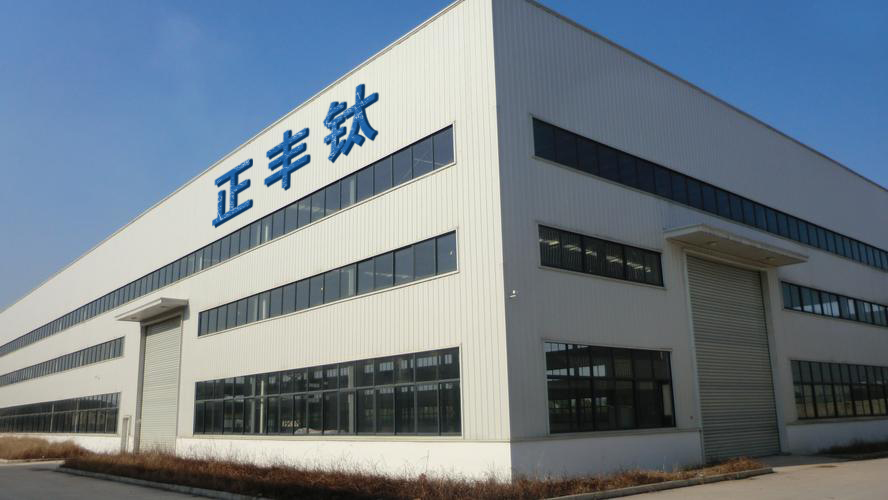 Main Production Facility
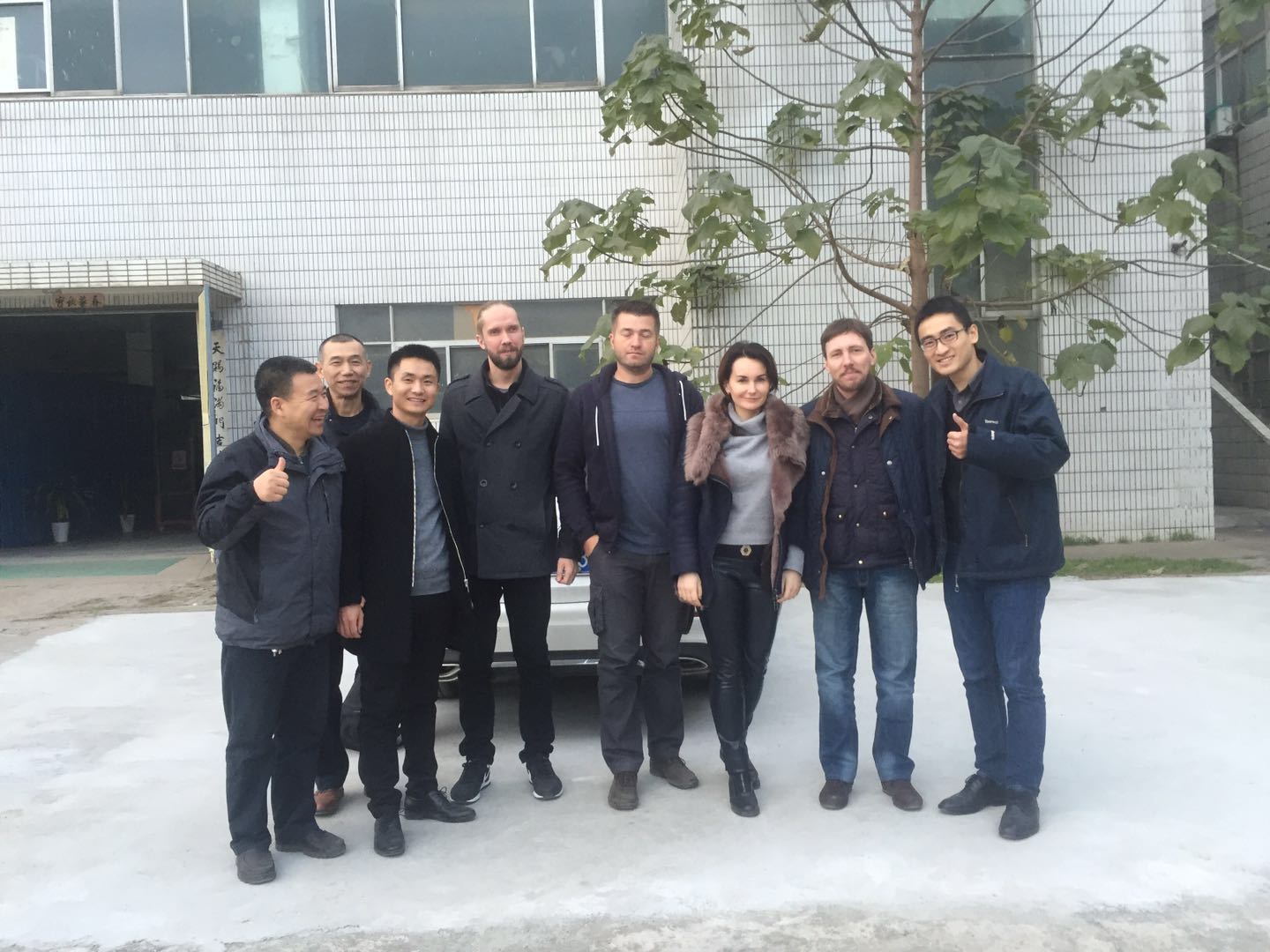 CNC Machining Cells
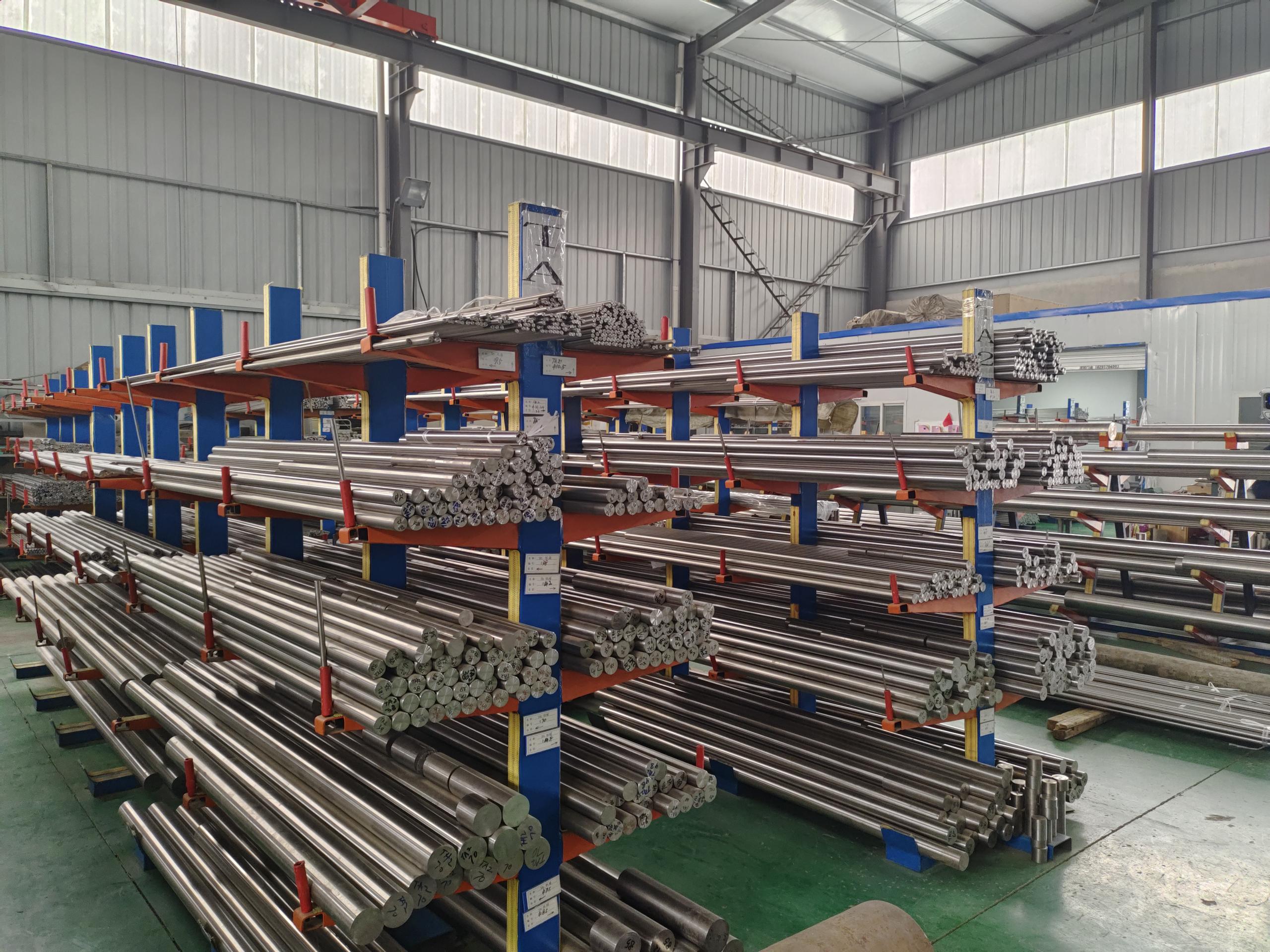 ASTM B348 Raw Material Lot
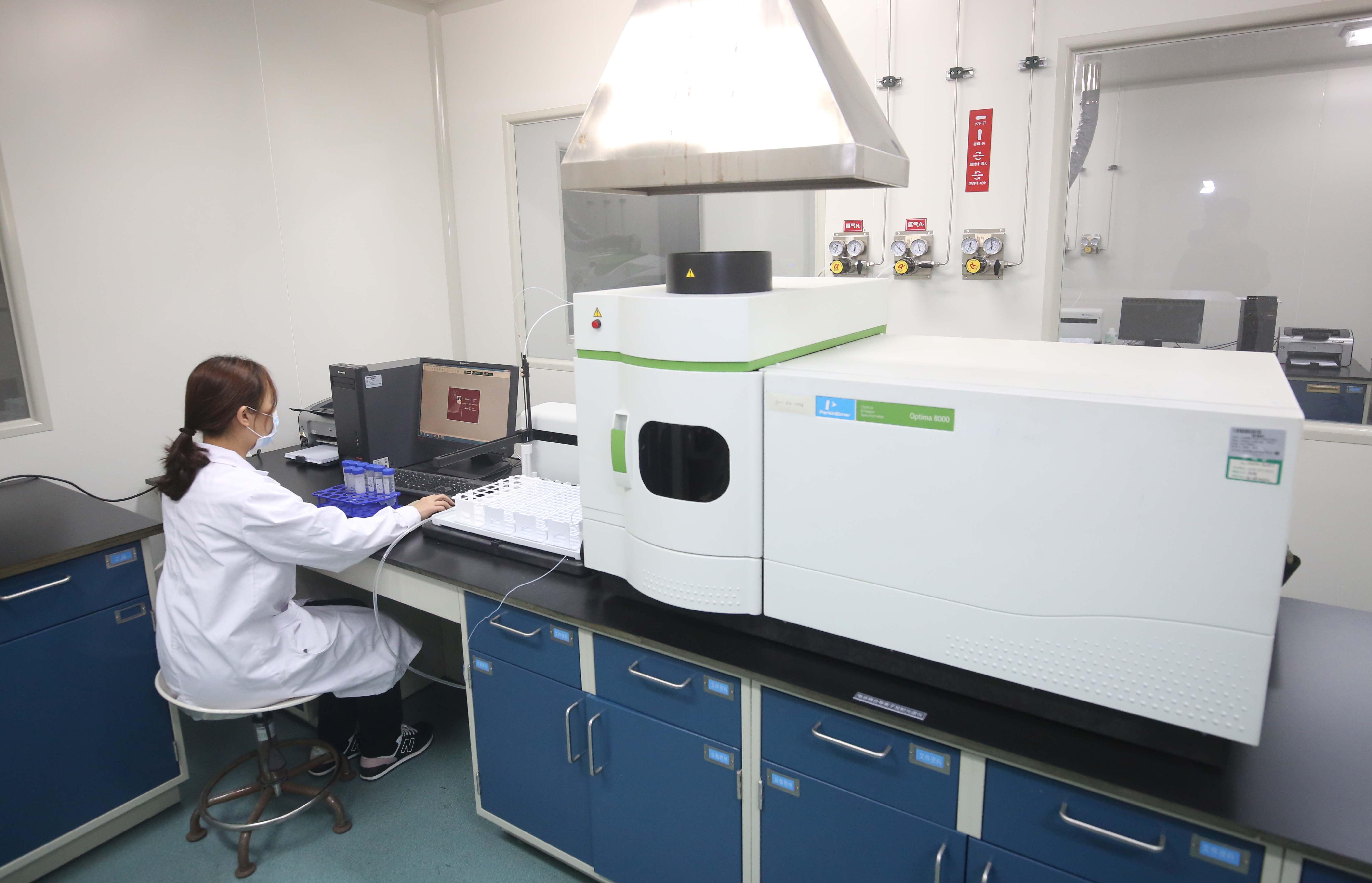 Metallurgical Inspection & QA
Authoritative technical guidance compiled by senior fastener engineers to assist purchasing managers, chassis builders, and motorsport supply chain directors.
Single-point CNC thread cutting severs the continuous crystalline grain boundaries of the extruded titanium bar, introducing microscopic notch points at the thread root where cyclic thermal vibration can trigger fatigue cracks. In contrast, cold thread rolling plastically deforms the material into dies, retaining unbroken grain flow, hardening the root radius through work-hardening, and producing smooth thread profiles that resist stress cracks during engine expansion cycles.
Galling occurs when friction shears the micro-thin titanium oxide film, allowing direct metal-to-metal bonding under load. To prevent this, our studs and 12-point flange nuts are manufactured to tight Class 6g/6H tolerances with ultra-smooth thread flanks. For installation, we recommend using high-temperature copper, nickel, or molybdenum disulfide (MoS₂) anti-seize paste, or selecting our PVD TiN or DLC low-friction coated hardware to maintain stable clamp load.
Because Ti-6Al-4V has a modulus of elasticity roughly half that of carbon steel (114 GPa versus 205 GPa), it stretches more under initial tension, which can help maintain clamp load during thermal cycling. Generally, titanium fasteners should be torqued to approximately 75% to 85% of standard steel bolt torque when lubricated with anti-seize. We provide custom torque-tension calibration charts with each shipment based on your specific joint materials.
For standard metric catalog stock (such as M8x1.25 and M10x1.25 exhaust studs or DIN 912 socket screws), our MOQ starts at just 20 to 50 pieces, dispatchable within 48 to 72 hours. Custom OEM and ODM fasteners built to customer blueprints require a minimum initial batch of 100 to 200 units, with typical production lead times ranging from 12 to 20 working days depending on raw material stock and coating steps.
When coupled with aluminum in an electrolyte-rich environment (such as road salt spray), titanium acts as the cathode and can accelerate oxidation of the base aluminum. For applications exposed to these conditions, we supply titanium fasteners with non-conductive ceramic barrier washers, micro-encapsulated organic sealants, or PVD dielectric coatings to prevent galvanic coupling without compromising joint clamp load.
Yes. Our multi-axis CNC machines and dedicated thread-rolling die inventory cover standard metric coarse, metric fine (M10x1.0, M10x1.25, M12x1.25, M14x1.5), unified national coarse/fine (UNC/UNF from #10-32 up to 3/4-16), and custom multi-lead thread profiles designed to customer drawings.
Send your 2D/3D drawings, required titanium alloy grade, quantity, and finishing specifications. Our technical engineering and production team will provide a formal quotation, dimensional review, and production schedule within 24 hours.