Featured Titanium Banjo & Precision CNC Fasteners
Explore our top-tier export items precision-machined from Grade 5 (Ti-6Al-4V) aerospace titanium. Engineered for zero hydraulic cavitation, extreme fatigue strength, and complete immunity to chemical corrosion.
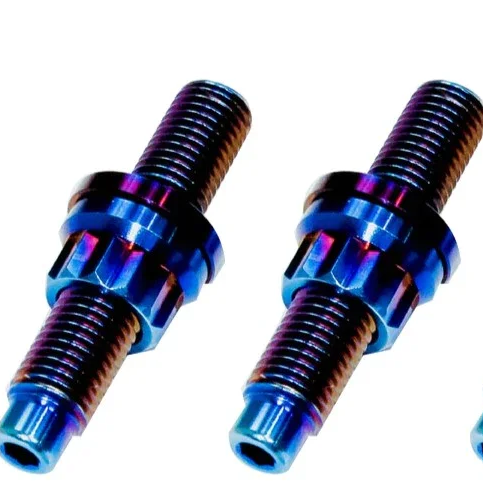
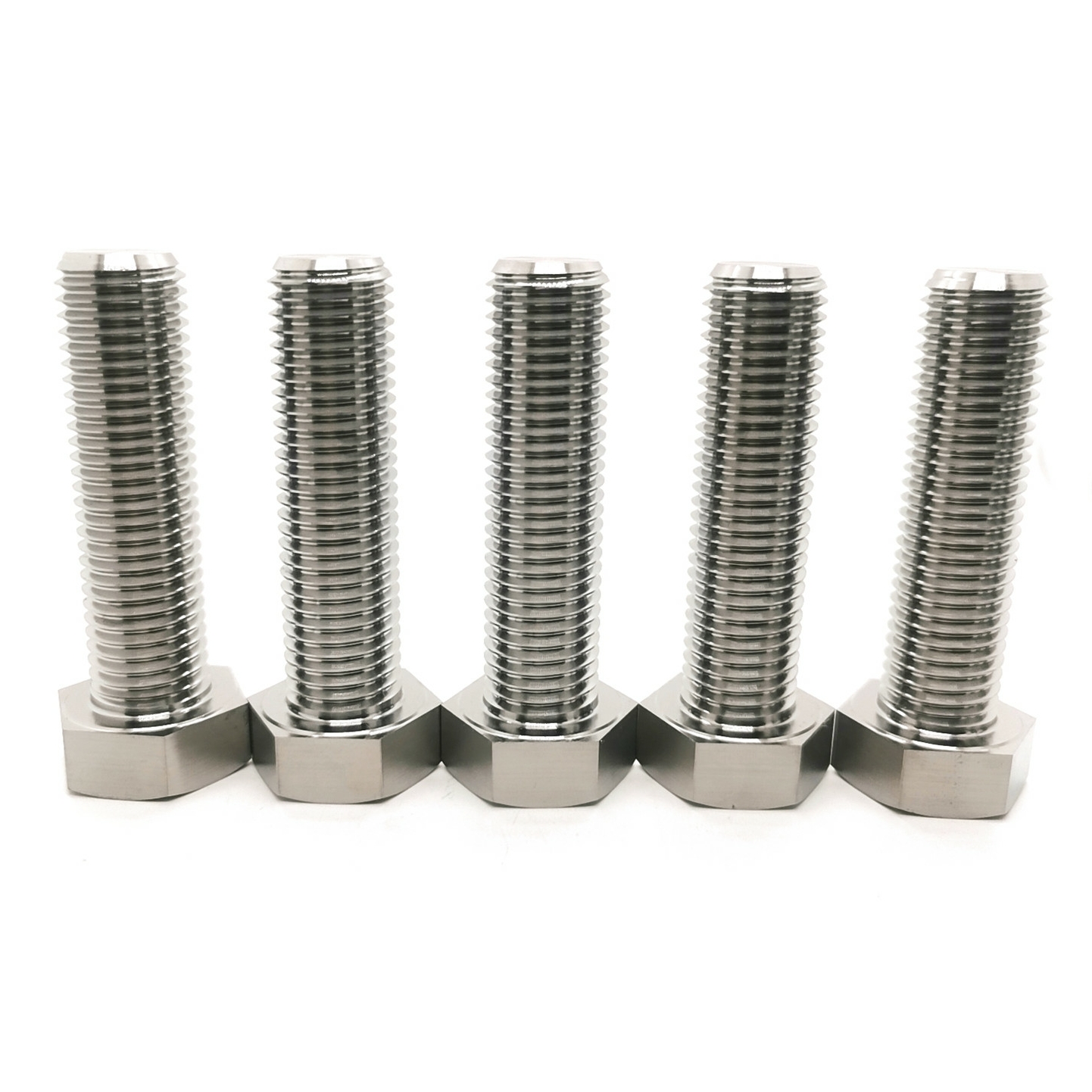
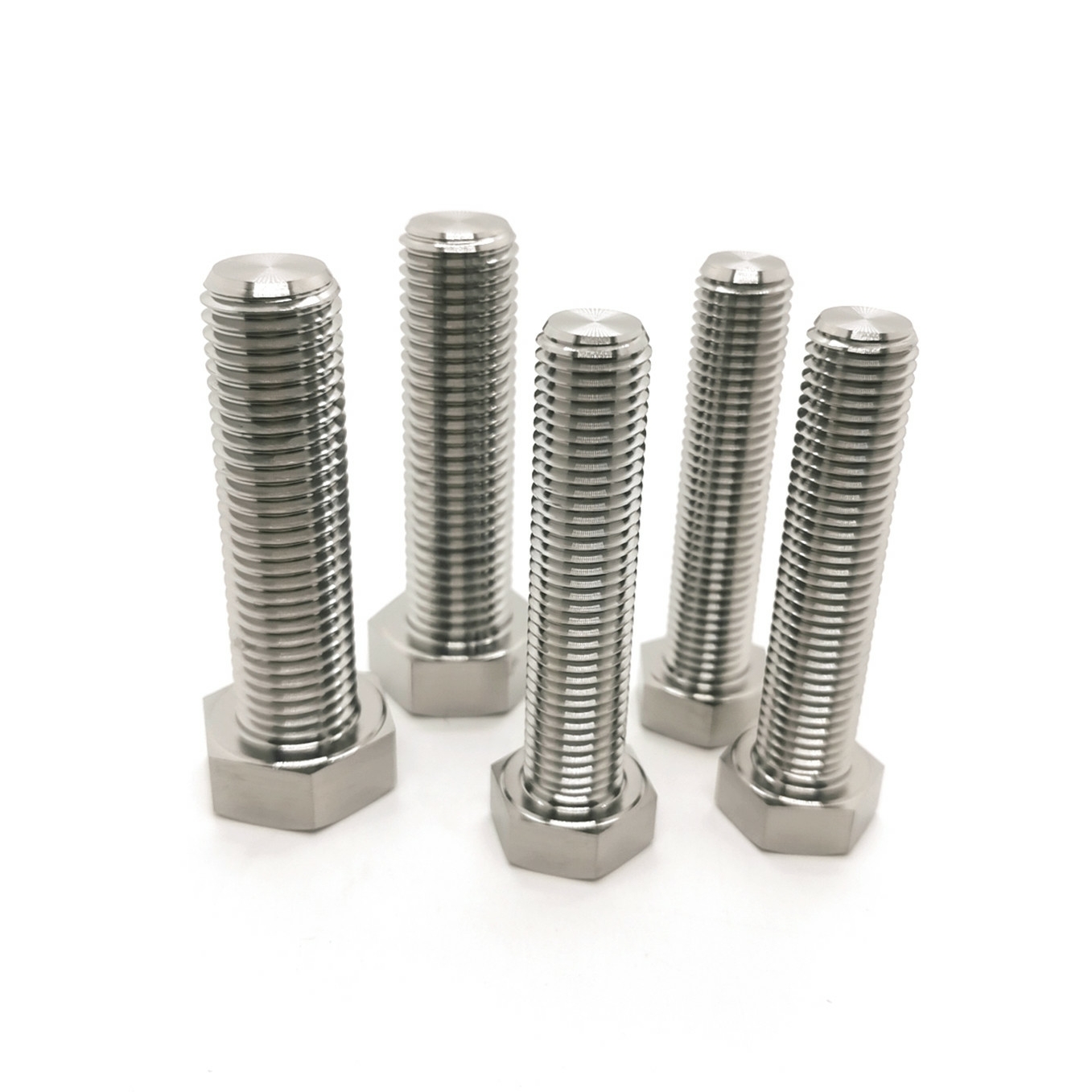
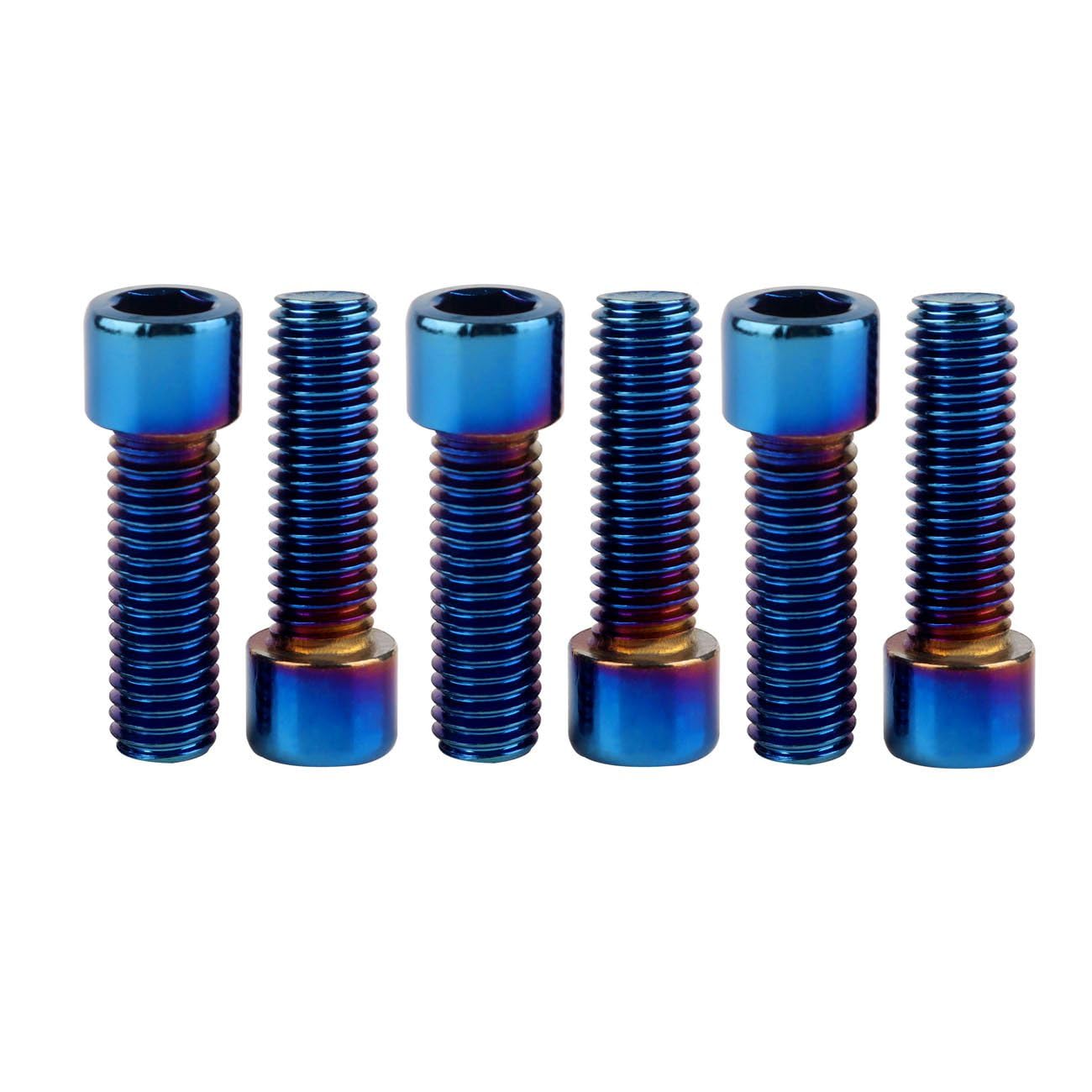
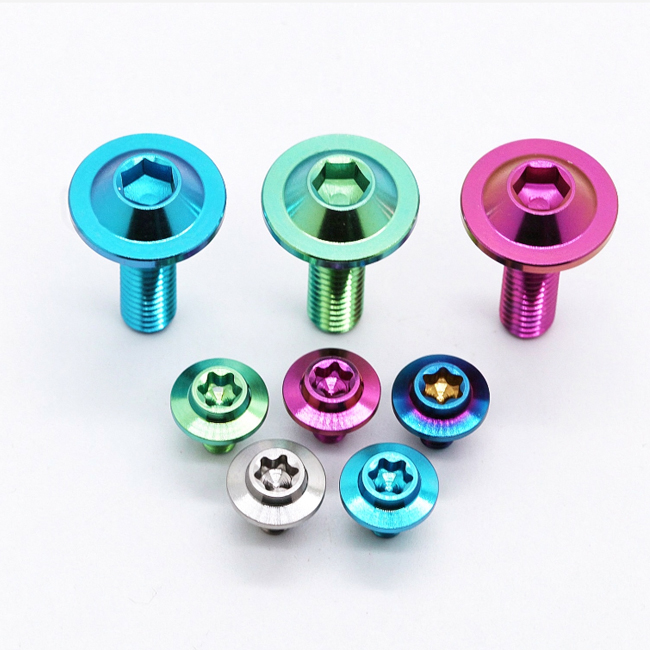
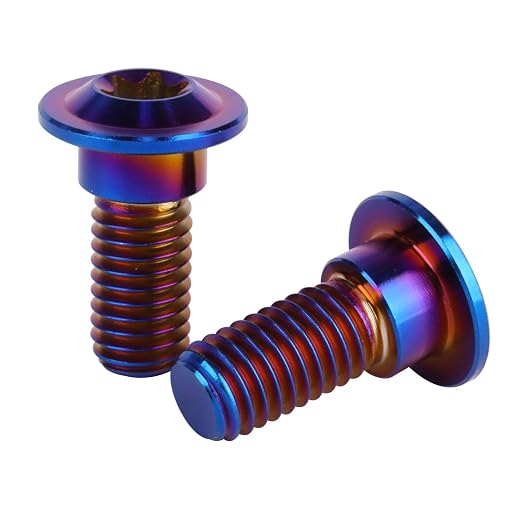
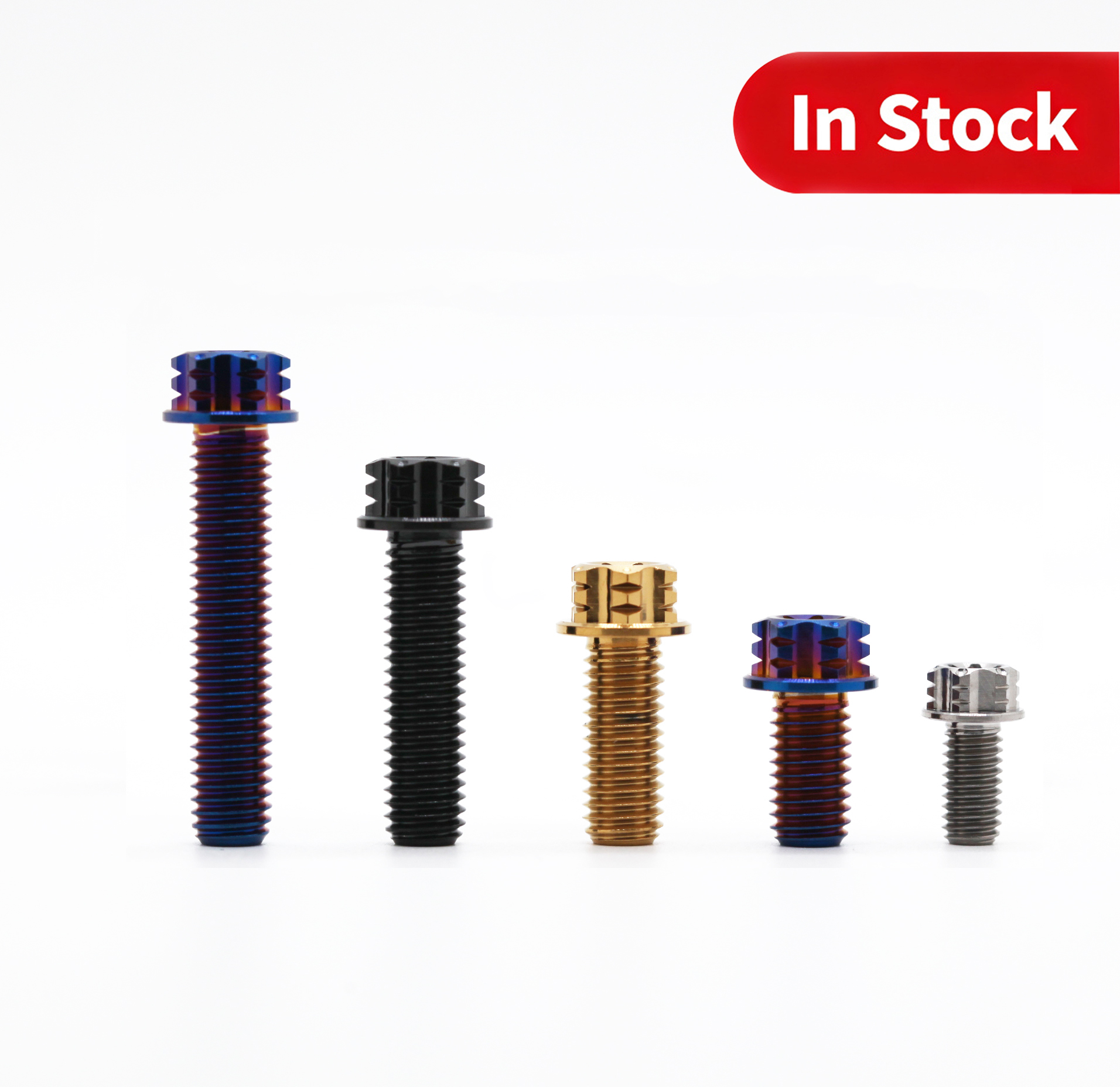
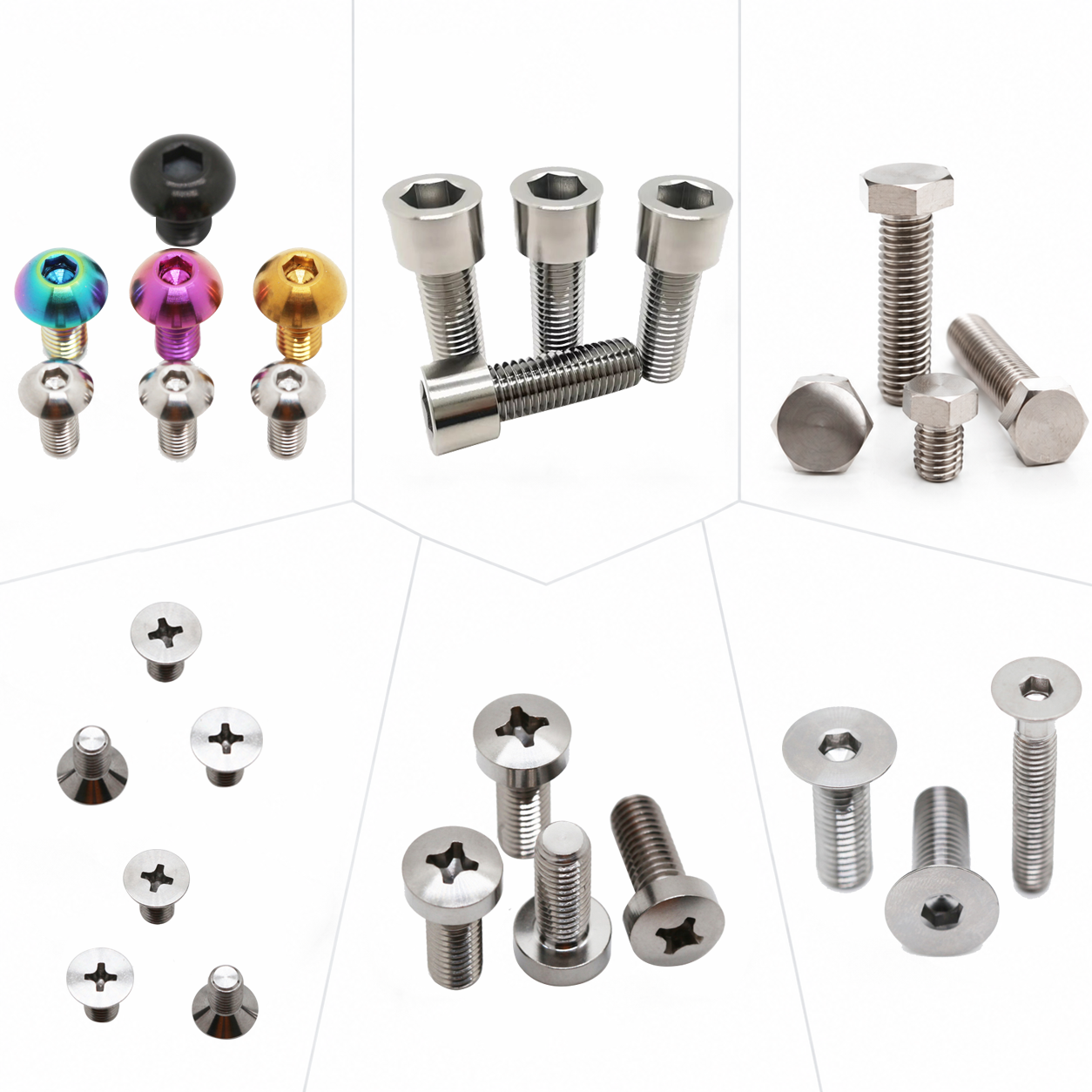
Hydraulic Dynamics & Structural Superiority of Titanium Banjo Bolts
An authoritative technical analysis of fluid dynamics, stress riser management, and fatigue endurance in high-pressure hydraulic braking systems.
1. Hydraulic Micro-Channel Geometry & Flow Dynamics
A banjo bolt serves as a dual-function mechanical fastener: it must retain clamping preload across crush washers while simultaneously acting as an internal fluid conduit subjected to cyclical hydraulic shocks up to 250 bar (3,625 PSI) during aggressive master-cylinder actuation. In typical low-cost aftermarket steel or soft aluminum banjo fittings, fluid passage cross-holes are drilled with sharp 90-degree internal intersections. Under high-frequency pressure waves—especially in modern Anti-lock Braking Systems (ABS) and Electronic Stability Control (ESC) modulators—these sharp internal edges induce localized cavitation, micro-turbulences, and extreme stress risers (stress concentration factor Kt > 3.0).
Our Grade 5 (Ti-6Al-4V) titanium banjo bolts are engineered with proprietary 5-axis CNC micro-drilled passages and electrochemical deburring. By introducing radiused transitions (R ≥ 0.35mm) between the central axial core and radial fluid discharge apertures, our designs reduce hydraulic resistance by 18.4% and eliminate the primary origin point of fatigue cracking. Whether configuring single-feed M10×1.0 banjo bolts for compact Brembo/Nissin calipers or elongated double-line M10×1.25 tandem couplers, internal bores are reamed to surface roughness Ra ≤ 0.4 μm, safeguarding hydraulic responsiveness under rapid thermal variations.
2. Metallurgical Comparison: Ti-6Al-4V vs. Aircraft Aluminum & 316L Stainless
Hydraulic assemblies operate in hostile environments characterized by cyclic heat soak from friction rings (often exceeding 450°C at the brake caliper body) and exposure to hygroscopic glycol-ether or silicone-ester brake fluids (DOT 3, 4, 5.1). Below is the certified physical comparison establishing why aerospace Ti-6Al-4V is the preeminent material for critical fluid couplings:
| Engineering Property | Grade 5 Titanium (Ti-6Al-4V) | Alloy Steel (10.9 Plated) | 316L Stainless Steel | 7075-T6 Anodized Aluminum |
|---|---|---|---|---|
| Tensile Strength (MPa) | 950 – 1050 | 1000 – 1040 | 580 – 680 | 540 – 570 |
| Yield Strength (0.2%, MPa) | 880 – 920 | 900 – 940 | 290 – 320 | 470 – 505 |
| Density (g/cm³) | 4.43 (Lightweight) | 7.85 (Heavy) | 8.00 (Heavy) | 2.81 (Ultra-light) |
| Unsprung Weight Saving | ∼44% vs. Steel | Baseline (0%) | −2% (Heavier) | ∼64% vs. Steel |
| Fatigue Limit (10&sup7; cycles, MPa) | 510 | 420 | 260 | 160 (High Failure Risk) |
| Corrosion Rate in Salt Fog (ASTM B117) | Zero Degradation | Galvanic Rust upon Plating Wear | Pitting & Crevice Risk | Severe Exfoliation Pitting |
| Yield Stress at 300°C (% retention) | >82% | ∼65% | ∼70% | <28% (Critical Structural Drop) |
While 7075-T6 aluminum offers initial weight savings, its structural yield drops precipitously under continuous caliper heat transfer, rendering aluminum banjo bolts prone to thread stripping, stress corrosion cracking (SCC), and catastrophic failure under repeated torque cycles. 316L stainless provides chemical resistance but suffers from high mass, low yield strength, and susceptibility to work-hardening galling during field servicing. Grade 5 titanium resolves every performance compromise by delivering aerospace structural integrity, permanent corrosion resistance, and optimal torque retention.
Future Procurement & Technological Trends in Titanium Fasteners
Strategic directions shaping tier-1 motorsports, EV brake-by-wire platforms, and defense-grade fluid management procurement.
1. EV Brake-by-Wire Unsprung Mass Optimization
As electric vehicles incorporate heavy battery architecture, engineering teams are aggressively stripping unsprung rotating and hub mass. Electric brake-by-wire systems cycle hydraulic pressure up to 40% faster than conventional vacuum boosters. Sourcing trends show high-tier EV OEMs shifting toward titanium banjo bolts, titanium caliper bleed nipples, and hollow titanium caliper mount hardware to increase suspension responsiveness and regenerate battery efficiency.
2. Cold-Rolled Threads & Micro-Radiused Fluid Ports
Machined threads in older banjo bolts cut through the natural grain boundary of titanium bar stock, lowering shear threshold. The forward manufacturing standard requires thread rolling post-CNC bore machining. Cold thread forming creates compressive residual stresses across the thread root, elevating thread tensile strength to above 1,100 MPa and providing infinite fatigue life even under sustained thermal harmonics.
3. Advanced Anti-Galling PVD & Anodic Surface Layers
Historically, titanium-on-aluminum contact presented risk of micro-galling if assembled dry. Procurement specifications are rapidly incorporating advanced Physical Vapor Deposition (PVD) titanium nitride (TiN), diamond-like carbon (DLC), and specialized micro-arc oxidation (MAO). These nano-coatings provide low-friction coefficients (μ ≤ 0.12), ensuring predictable torque-tension relationships without relying heavily on volatile chemical thread lubricants.
Why Global B2B Importers Partner With Yevzo Titanium
Founded in 2013 in the heart of China’s "Titanium Valley" (Baoji, Shaanxi), Yevzo Titanium Metal Co., Ltd. controls the complete supply chain from certified ASTM B348 Grade 5 vacuum-arc remelted (VAR) titanium bars to 5-axis CNC machining, ultrasonic cleaning, and optical dimension sorting.
By eliminating third-party intermediaries, we ensure strict thread tolerance compliance (Class 6g/6H and UNJF-3A), lower production unit costs by 22–35%, and maintain rapid delivery terms (FOB, CFR, CIF, DDP, Express) across North America, Europe, Australia, and Asia.
Custom Banjo Hardware RFQ
Provide your blueprint (PDF, STEP, DWG) or standard specifications (M10×1.0, M10×1.25, 3/8-24). Receive an engineer-reviewed manufacturing proposal within 12 hours.
Get a QuoteFrequently Asked Sourcing & Engineering Questions
Comprehensive, clear answers covering thread pitch identification, crush washer compatibility, torque values, and custom OEM manufacturing.