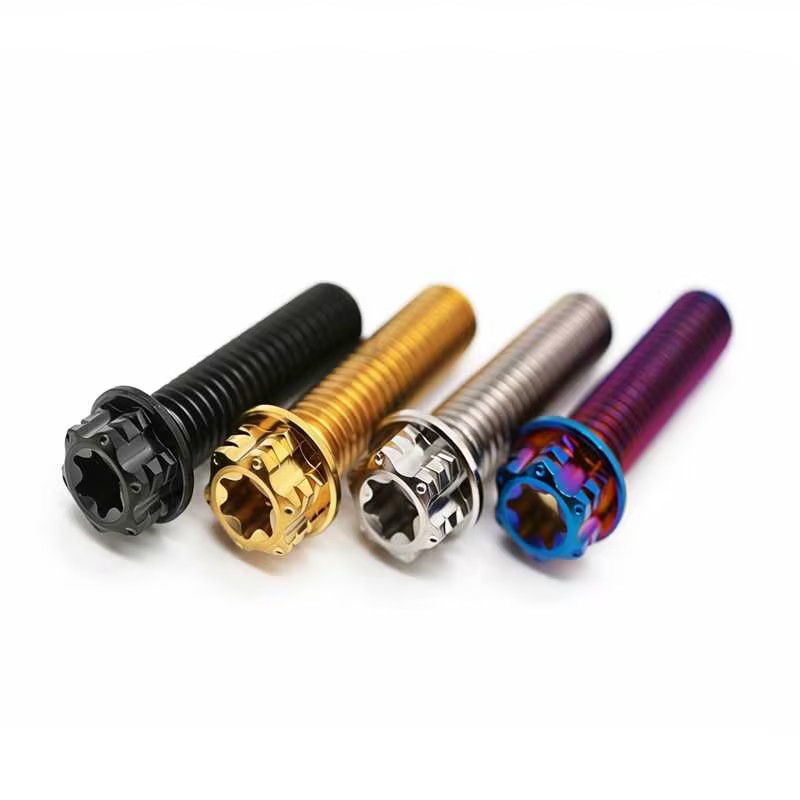
Engineered Inventory
Core Precision Fasteners & Hardware Series
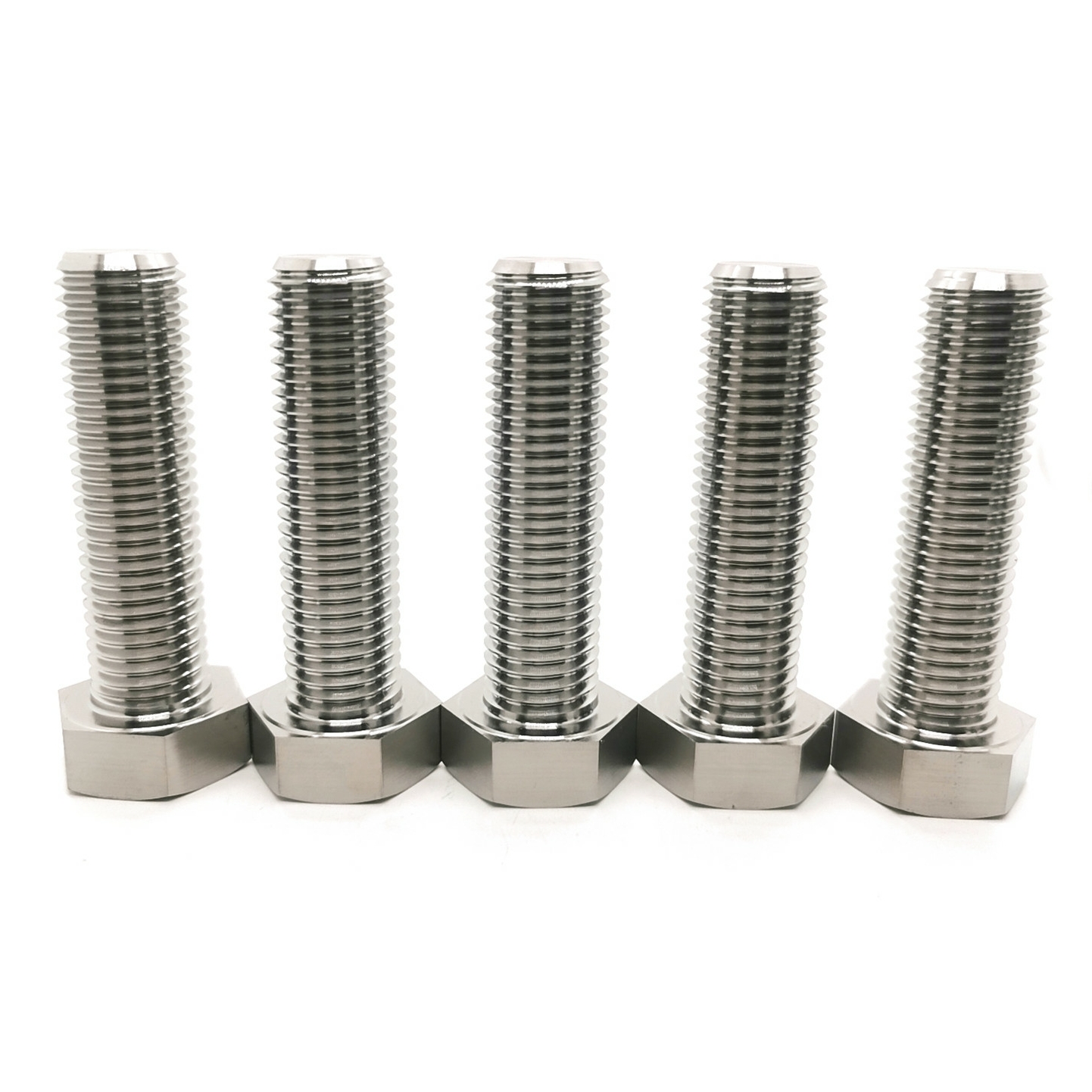
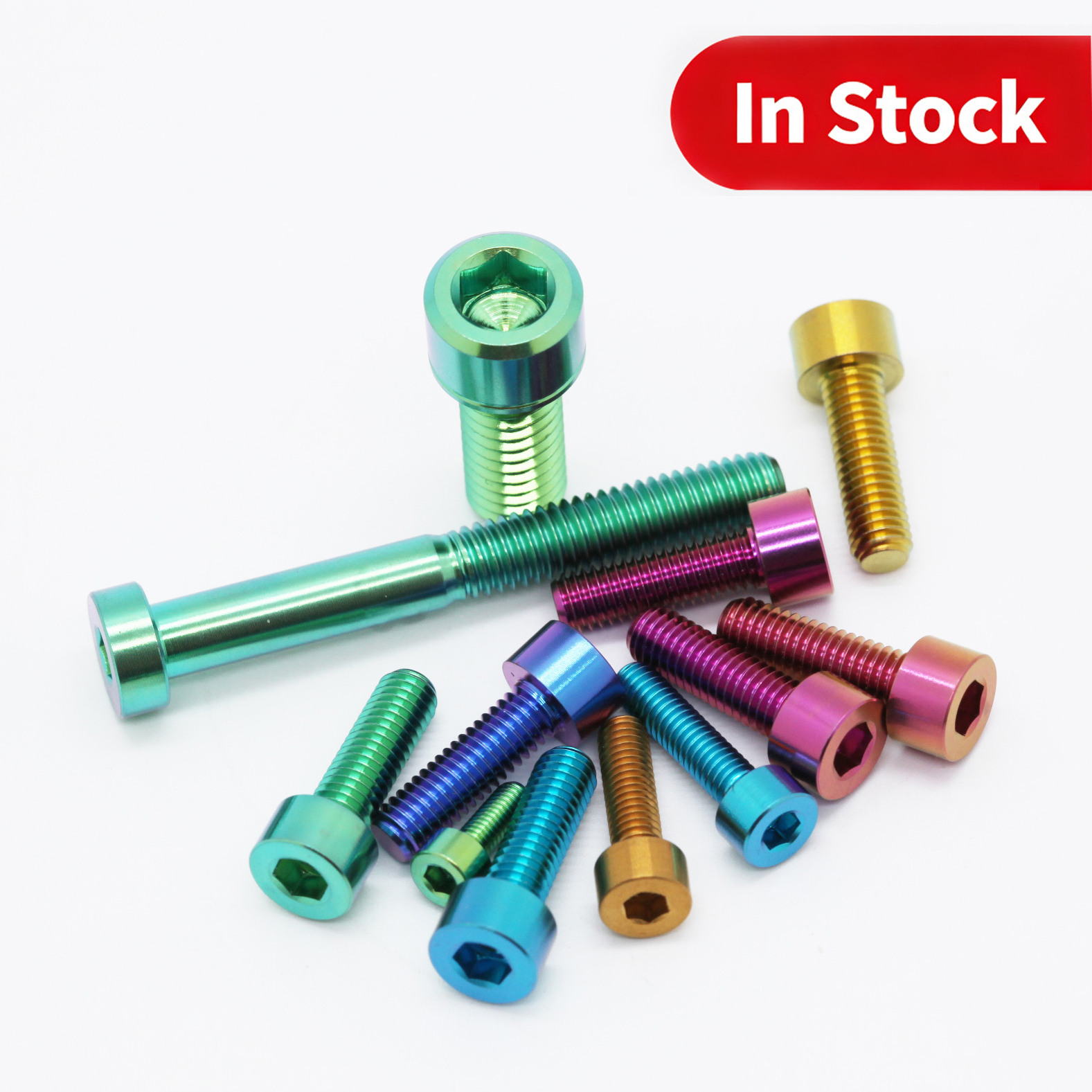
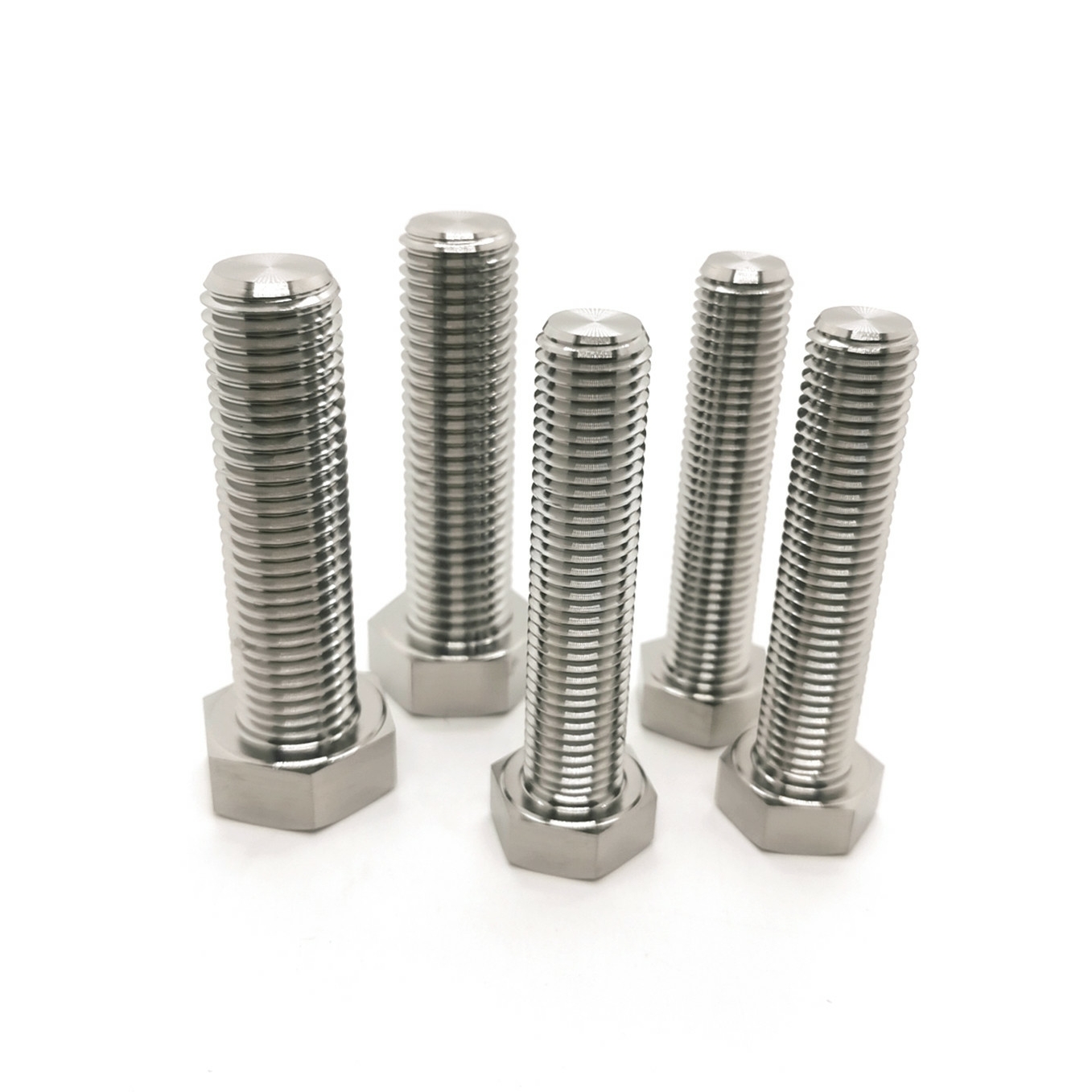
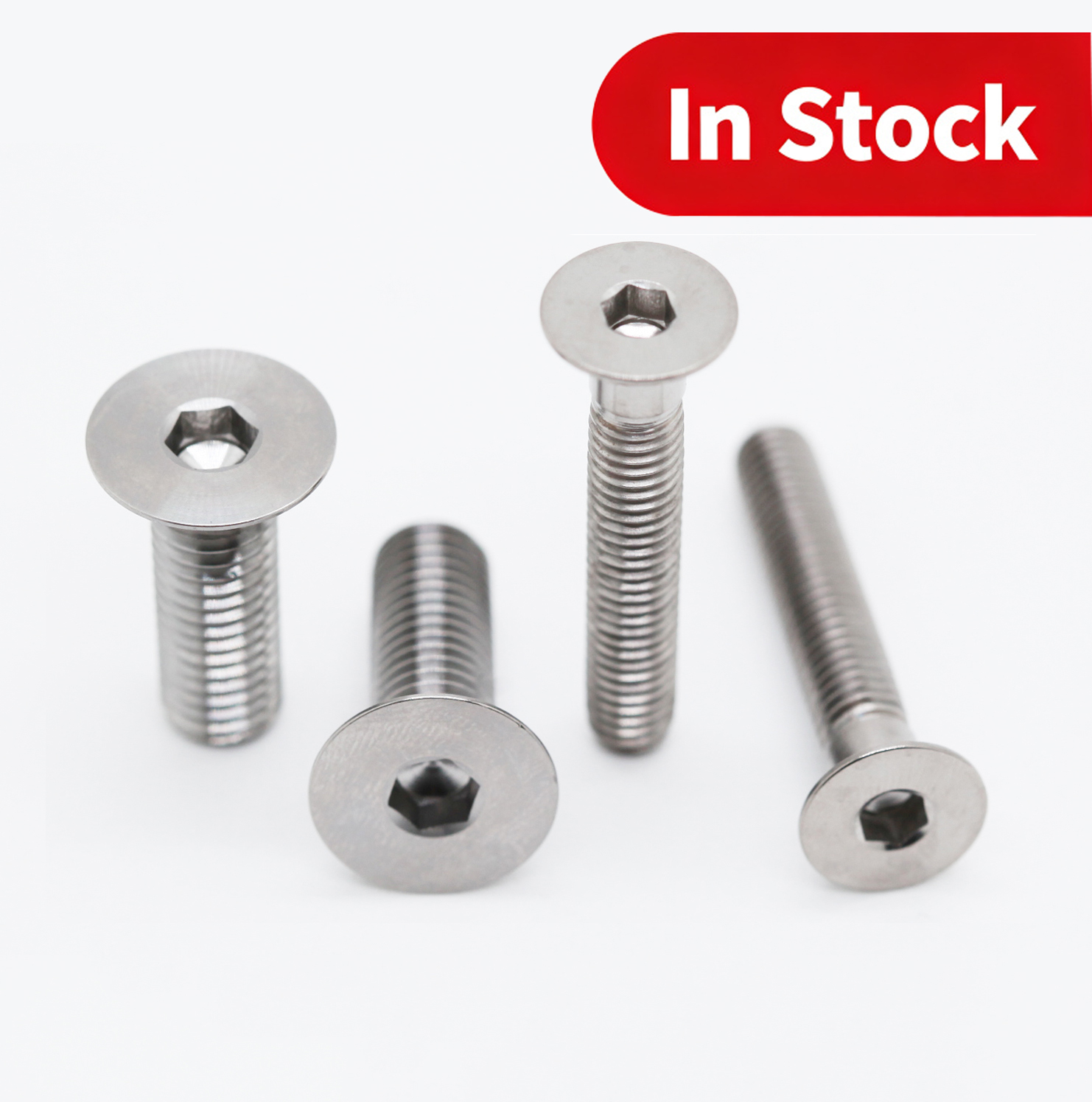
Direct factory manufacturing under rigorous ISO & DIN compliance. Fully certified Ti-6Al-4V Grade 5 and commercially pure Grade 2 inventory ready for global dispatch.
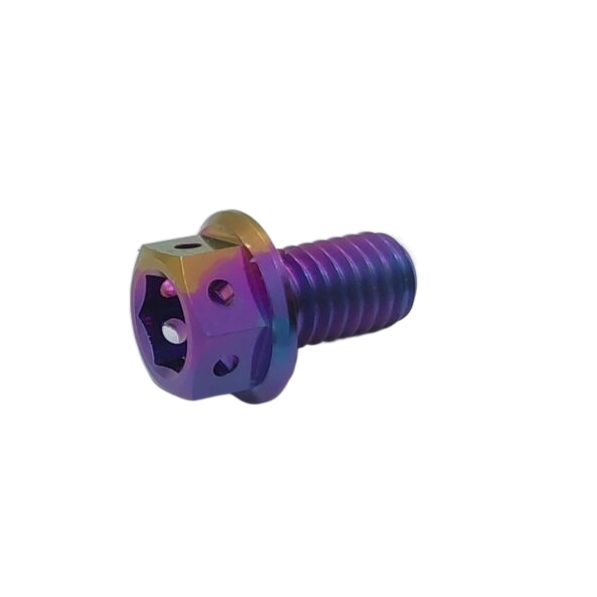
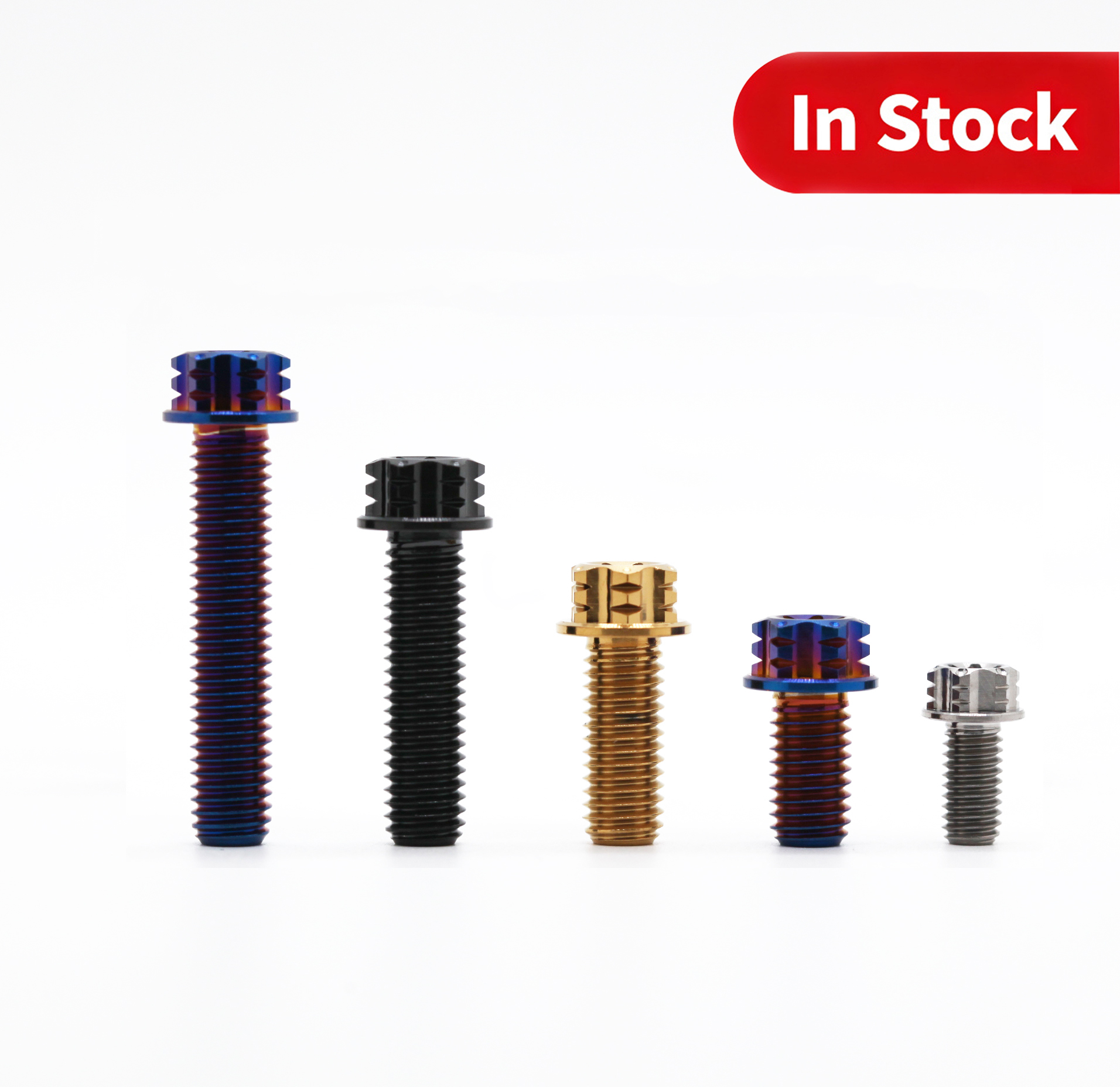
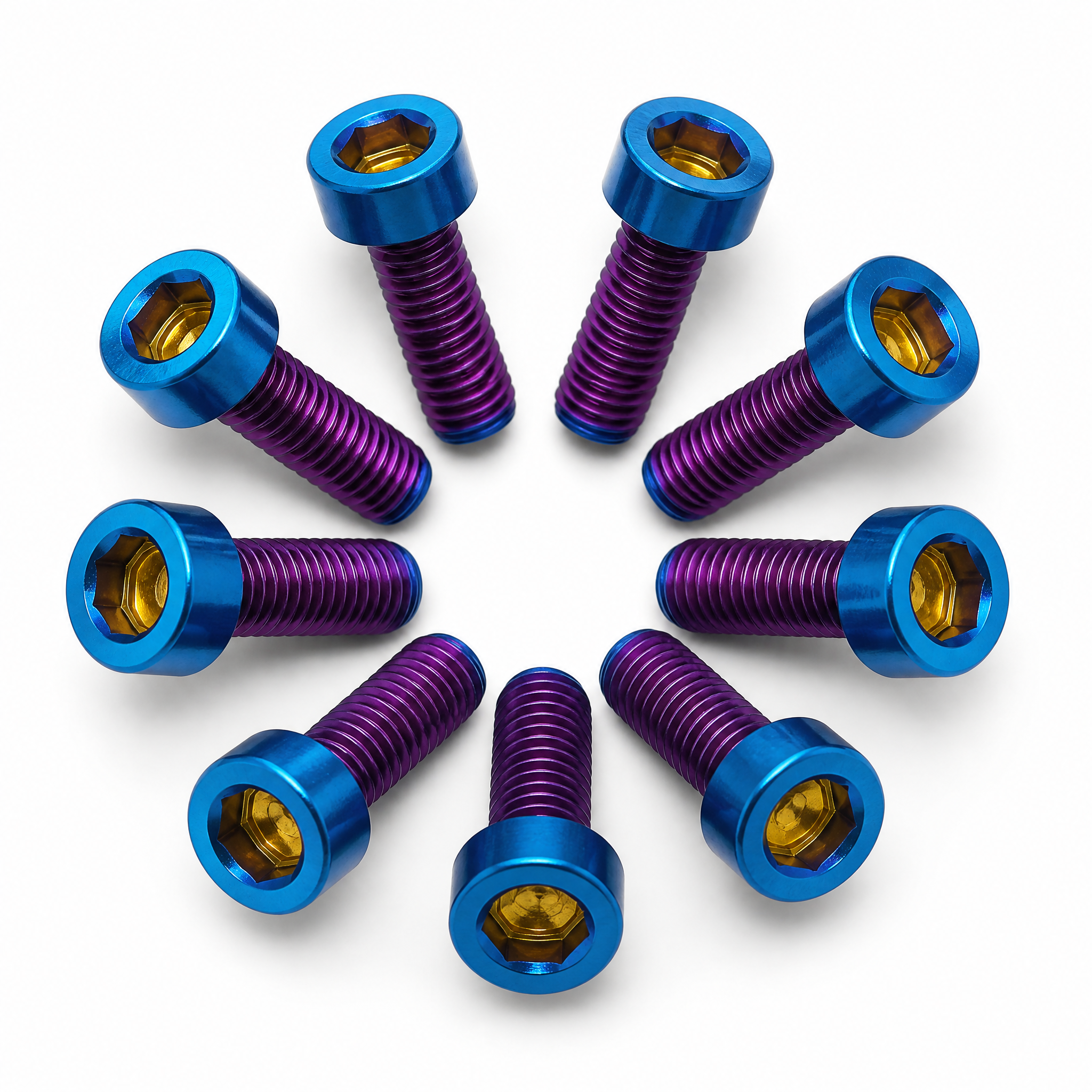
Technical Whitepaper
Material Selection Criteria: Ti-6Al-4V (Grade 5) vs Commercial Pure (Grade 2)
In high-stress mechanical engineering, fastener selection governs structural longevity and fail-safe tolerances. Titanium bolts operate under fundamentally different physical parameters than traditional carbon or austenitic stainless steels. At Yevzo Titanium Metal Co., Ltd., located at the heart of Baoji’s "Titanium Valley," every heat lot undergoes spectral analysis to prevent interstitial element embrittlement.
Grade 5 (Ti-6Al-4V / ASTM B348) represents an alpha-beta alloy formulated with 6% aluminium and 4% vanadium. This crystalline architecture delivers an ultimate tensile strength exceeding 895 MPa with a yield threshold of 828 MPa. Crucially, Grade 5 delivers a specific strength (strength-to-weight ratio) far outperforming Class 8.8 and even Class 10.9 structural steels, while slashing mass by ≈44% (density: 4.43 g/cm³).
| Mechanical Property | Titanium Gr2 (CP3) | Titanium Gr5 (Ti-6Al-4V) | Structural Steel 8.8 | Stainless 316 (A4-70) |
|---|---|---|---|---|
| Tensile Strength (Min) | 345 MPa | 895 - 950 MPa | 800 MPa | 700 MPa |
| Yield Strength (0.2% Offset) | 275 MPa | 828 MPa | 640 MPa | 450 MPa |
| Density | 4.51 g/cm³ | 4.43 g/cm³ | 7.85 g/cm³ | 8.00 g/cm³ |
| Elastic Modulus | 105 GPa | 114 GPa | 210 GPa | 193 GPa |
| Seawater Corrosion (Rate) | <0.001 mm/year | <0.001 mm/year | Severe Pitting | Pitting/Crevice Risk |
Conversely, Grade 2 (Commercially Pure Titanium) provides moderate yield characteristics (275 MPa) but outstanding ductility and cold formability. It is practically impervious to stress-corrosion cracking in wet chlorine, chlorates, and aggressive marine environments. For exhaust headers, petrochemical filtration, and non-structural chassis mounts, Gr2 remains the global procurement standard.
Industry Outlook
Future Procurement Trends in Titanium Fastener Engineering
How the global migration toward electric mobility, decarbonization, and extreme automation is redefining titanium hardware supply lines.
EV Light-Weighting & Unsprung Mass
Electric vehicle OEMs increasingly replace heavy wheel hub and suspension bolts with Grade 5 Titanium. Minimizing unsprung rotational mass directly improves battery efficiency, regenerative braking dynamics, and suspension response times.
Supply Traceability & Digital MTRs
B2B buyers now mandate verified mill test reports (EN 10204 Type 3.1) linked directly to raw sponge lots. Sourcing from localized clusters like Baoji mitigates raw-material price volatility and eliminates gray-market scrap-recycled titania.
Surface Functionalization via PVD
Modern procurement shifts away from decorative finishes to tribological Physical Vapor Deposition (PVD) coatings. DLC (Diamond-Like Carbon) and titanium nitride treatments mitigate titanium's natural galling tendency under cyclical torque.
Factory Capabilities
Why Global Tier-1 Buyers Partner with Yevzo Titanium
Integrated raw materials sourcing, in-house multi-axis CNC cells, and continuous mechanical auditing since 2013.
2013
Established in Baoji
100+
CNC Machining Cells
±0.01mm
Precision Tolerancing
50+
Export Destinations
Baoji Titanium Valley Advantage
Direct proximity to premier titanium sponge reducing units ensures priority raw bar allocation under ASTM B348 standards, removing third-party broker markups and stabilizing supply schedules.
Cold Forging & Thread Rolling
Unlike pure subtractive machining that cuts grain lines, our critical bolts utilize rolled threads. This preserves molecular grain continuity, improving dynamic fatigue endurance by over 30%.
End-to-End Quality Inspection
Equipped with coordinate measuring machines (CMM), optical profile projectors, and Go/No-Go thread pitch gauges to verify every run meets ISO, DIN 912, DIN 6921, and bespoke drawings.
Procurement FAQs
Technical Questions & Sourcing Considerations
Key metallurgical and logistics insights to assist supply chain managers and project engineers.
How do titanium bolts combat thread galling during assembly?
Titanium's natural passive oxide film can friction-weld against mating metals under high pressure. To counteract galling, we recommend applying anti-seize lubricants (molybdenum disulfide or copper-based) or configuring fasteners with PVD/DLC friction-reducing coatings.
Are titanium fasteners susceptible to galvanic corrosion?
Titanium is electrochemically noble. When coupled with active metals like carbon steel or magnesium in marine electrolytes, the less noble metal corrodes. We advise non-conductive composite washers, anodization barrier coatings, or paired titanium nuts (DIN 6923) to isolate joint assemblies.
Can titanium bolts directly replace Class 10.9 or 12.9 high-tensile steel?
Grade 5 titanium (895–1000 MPa) comfortably replaces Class 8.8 steel bolts with massive weight savings. While approaching Class 10.9 strength, Grade 5 has a lower modulus of elasticity (114 GPa vs 210 GPa steel), which requires review of bolt elongation and specific preload torque configurations.
What documentation accompanies export shipments?
Every export consignment includes full Material Test Reports (MTR) confirming chemical composition (Fe, C, N, H, O, V, Al) and tensile mechanical properties, complete dimension inspection reports, and certificate of origin documents.
Ready to Optimize Your Hardware Specifications?
Whether you require custom aerospace prototypes, standard ISO/DIN batch orders, or bespoke CNC turned parts from 2D/3D technical drawings, our engineering team is available for real-time manufacturing consultation.
Contact Us