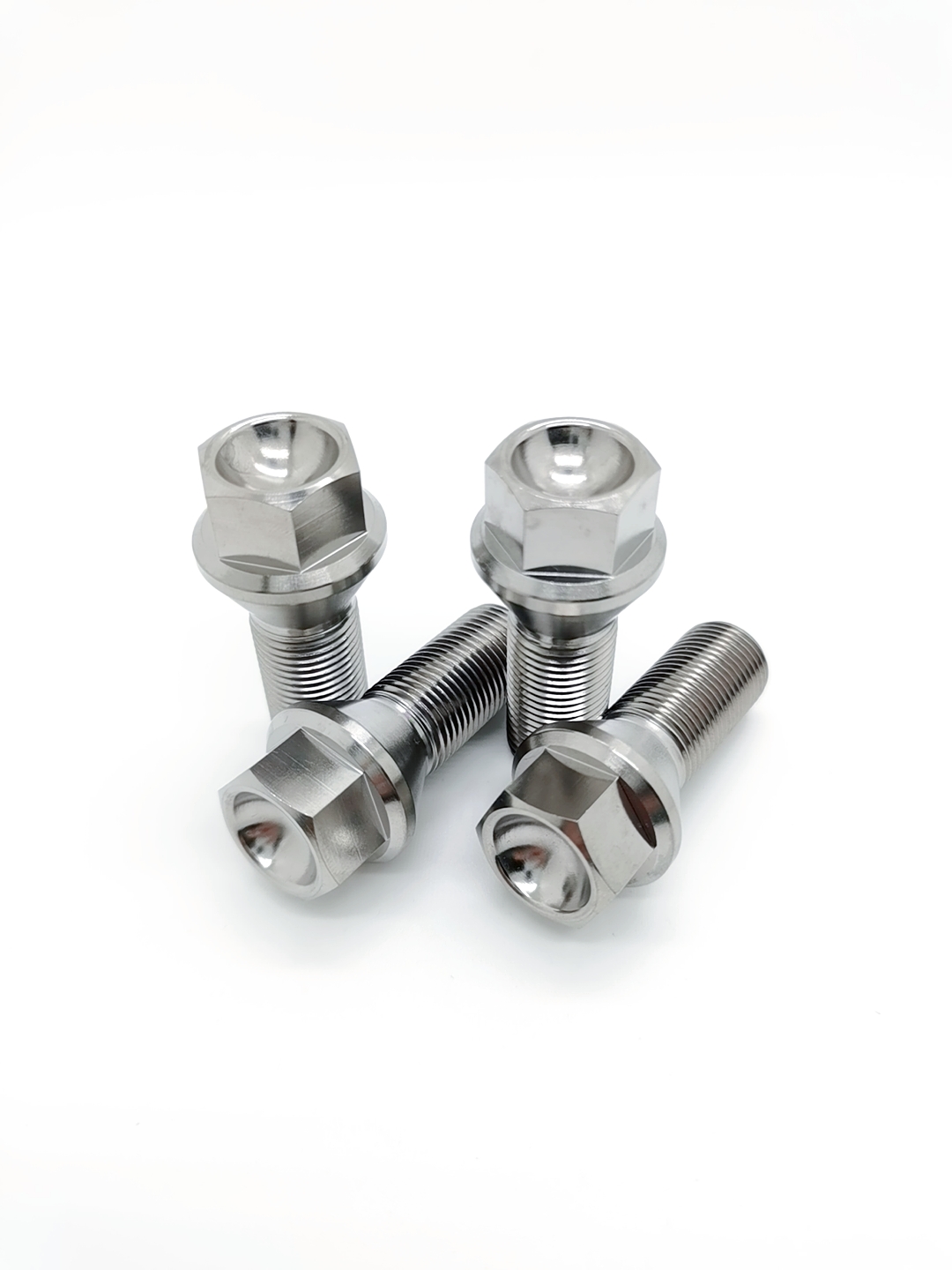
Featured Portfolio
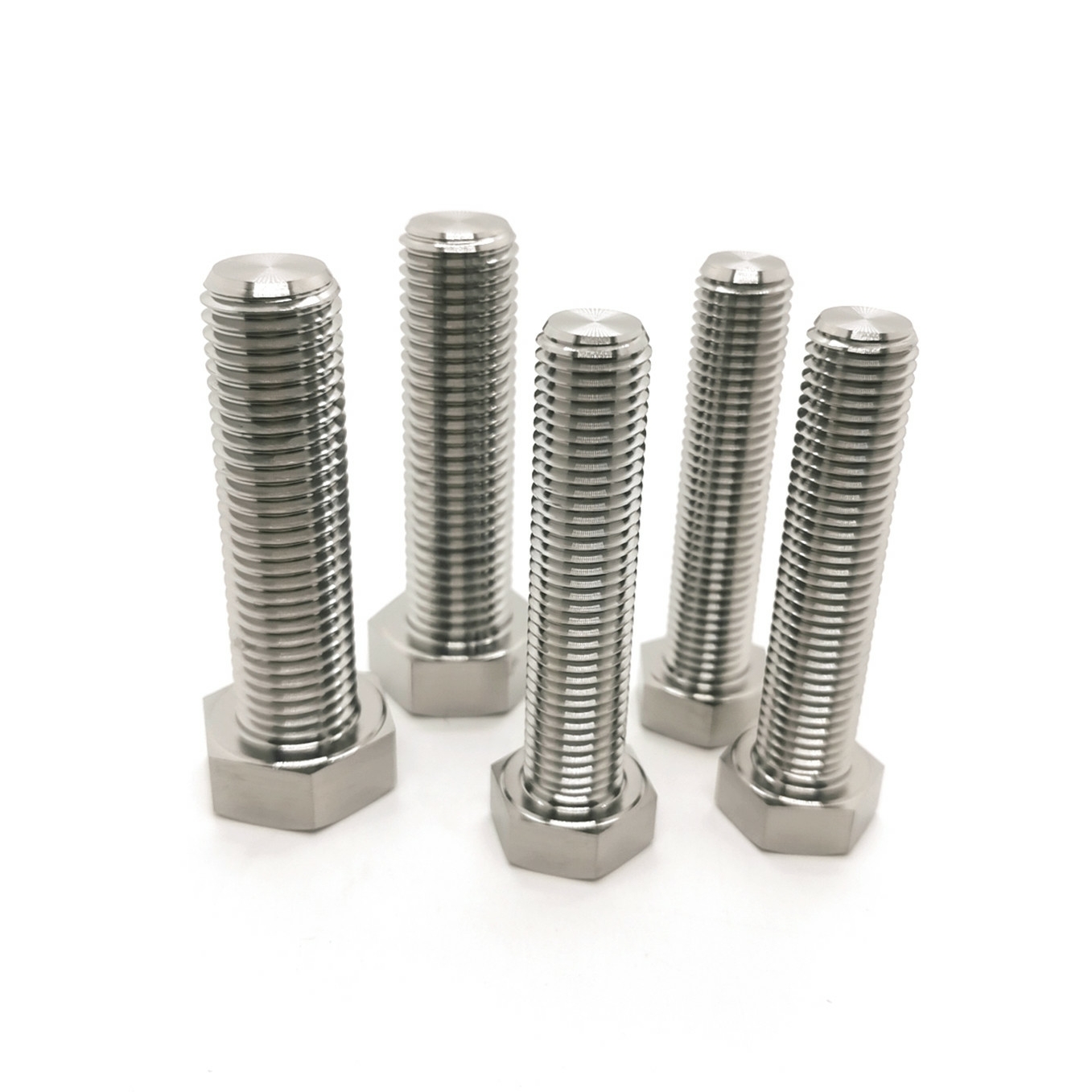
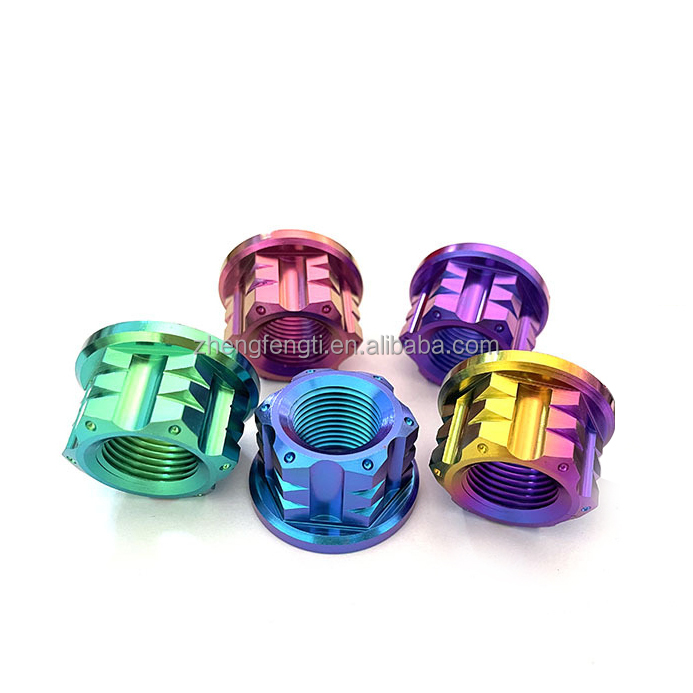
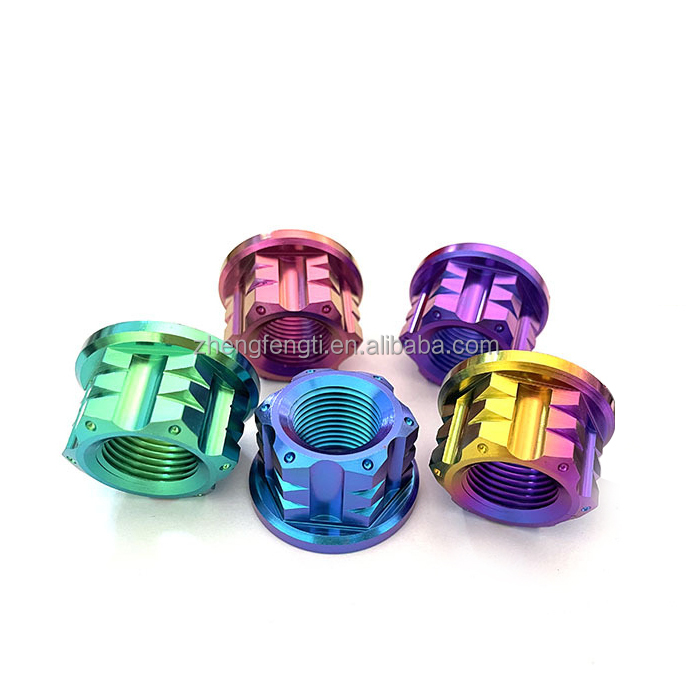
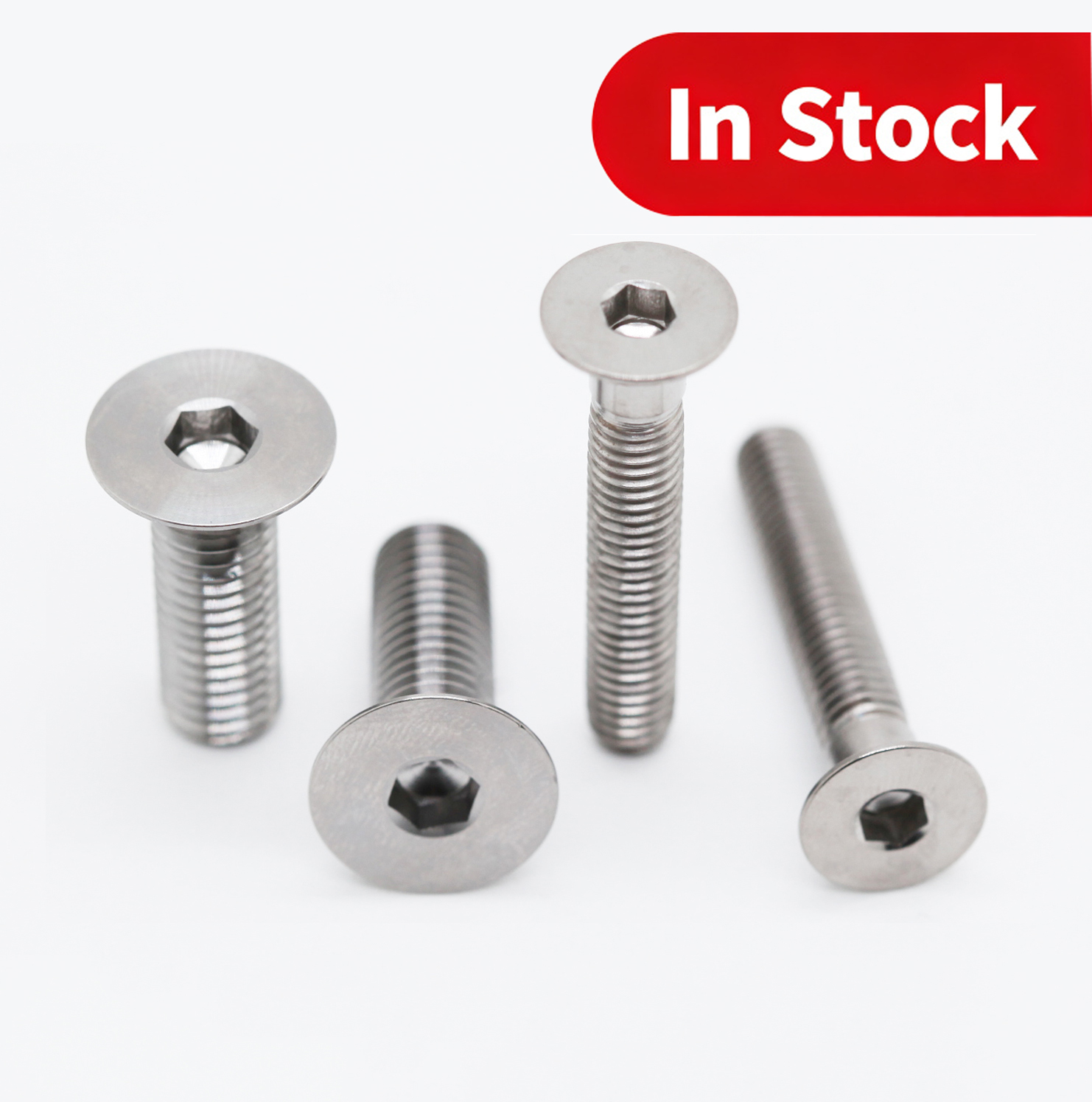
Precision Engineered Titanium Fasteners Selection
Manufactured from aerospace-grade raw bar stock through multi-axis CNC turning and thread rolling, providing unyielding structural integrity and anti-fatigue resistance.
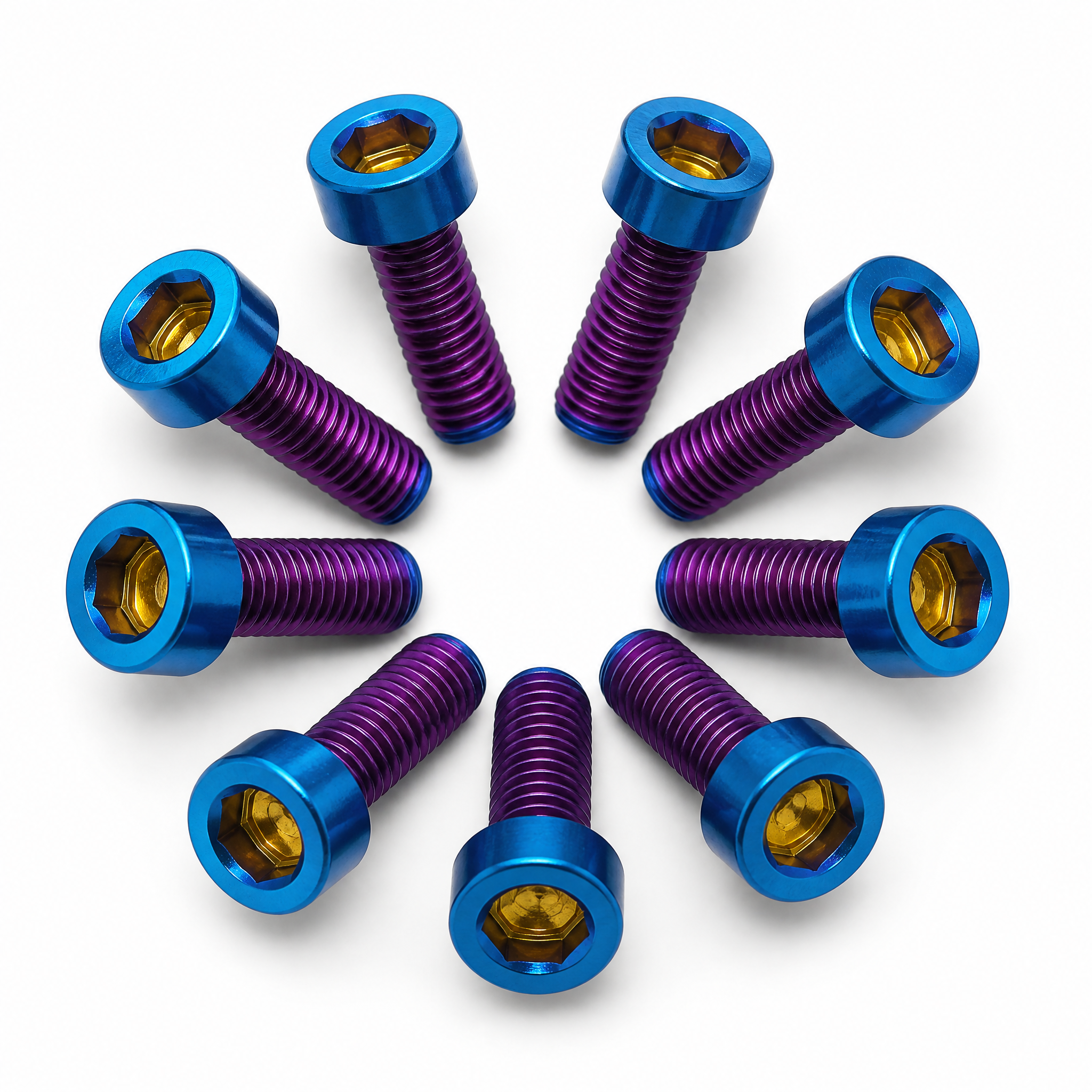
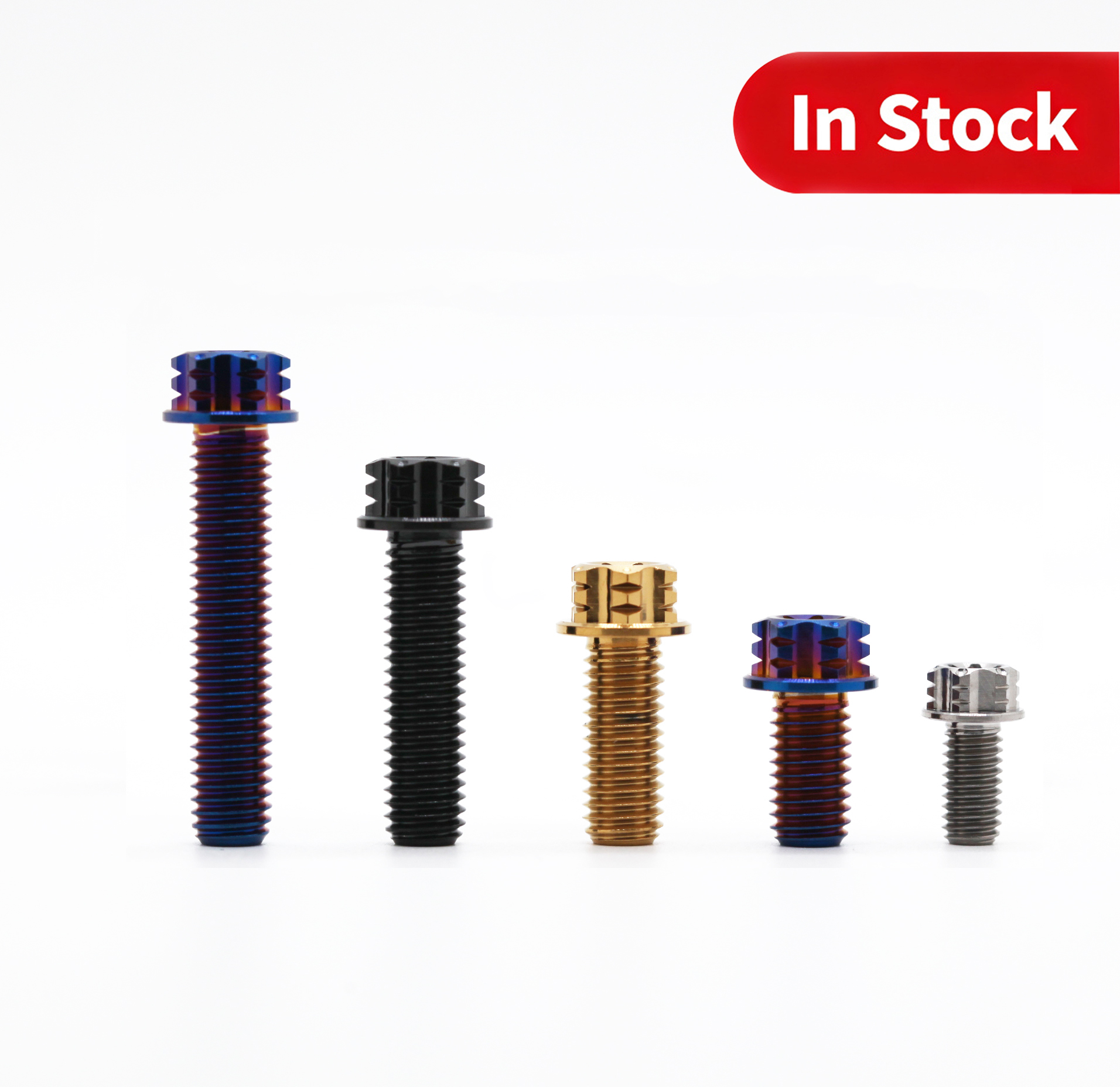
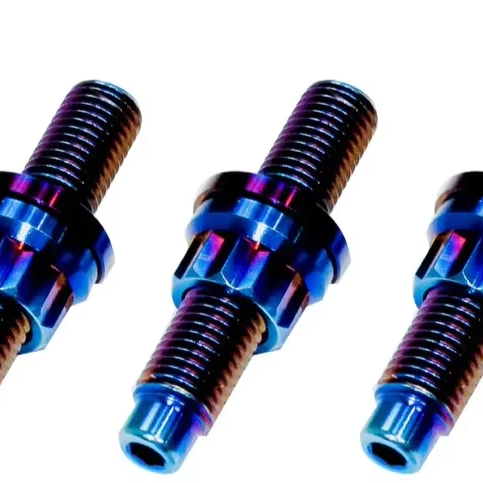
Engineering Authority
Material Science: Grade 5 (Ti-6Al-4V) vs Commercial Purity Titanium
A rigorous metallurgical comparison showing why selecting the proper alpha-beta titanium alloy determines tensile performance, fatigue boundaries, and lifecycle longevity.
Industrial procurement of Titanium Hex Head Bolts requires a deep understanding of metallurgy, crystal lattices, and tensile loads. Titanium's performance advantage lies in its strength-to-density ratio: it delivers the tensile reliability of medium-alloy structural steels at nearly 45% less weight (density of 4.43 g/cm³ versus steel's 7.85 g/cm³). When evaluating Chinese manufacturers and exporters, global supply chain executives face two primary alloy classes: commercially pure alpha-phase titanium (such as Grade 2) and duplex alpha-beta structural alloys (principally Grade 5, Ti-6Al-4V, UNS R56400 / Werkstoff 3.7165).
| Mechanical & Physical Parameter | Grade 2 CP Titanium (ASTM B348) | Grade 5 Ti-6Al-4V (ASTM B348 / F136) | Structural Carbon Steel (Class 8.8) | Stainless Steel (A2-70 / 304) |
|---|---|---|---|---|
| Ultimate Tensile Strength (Rm) | ≥ 345 MPa (50 ksi) | ≥ 895 – 1000 MPa (130–145 ksi) | 800 – 830 MPa | 700 MPa |
| Yield Strength (Rp 0.2) | ≥ 275 MPa (40 ksi) | ≥ 828 MPa (120 ksi) | 640 MPa | 450 MPa |
| Density (g/cm³) | 4.51 g/cm³ | 4.43 g/cm³ | 7.85 g/cm³ | 7.93 g/cm³ |
| Hardness (Rockwell / Brinell) | 80 HRB | 30–36 HRC (300–340 HB) | 22–32 HRC | ~85 HRB |
| Specific Strength (Strength/Density) | 76.5 kN·m/kg | 202 kN·m/kg (Exceptional) | 101 kN·m/kg | 88 kN·m/kg |
| Corrosion Resistance (Chloride & Marine) | Total Immunity / Passivated | Virtually Immune (TiO₂ Oxide Layer) | Requires Galvanizing/Plating | Susceptible to Crevice/Pitting |
Expert Tip for Fastener Engineers: Grade 2 is preferred for chemical piping, heat exchangers, and marine bracket installations where extreme ductility and deep chemical passivation are paramount. Conversely, structural bolted joints—such as motorsport calipers, aerospace mounts, subframe linkages, and automotive wheel hubs—strictly demand Grade 5 (Ti-6Al-4V). Using Gr2 in place of Gr5 under shear or dynamic cyclical tension introduces risk of permanent elongation and joint loosening.
Beyond raw material chemistry, structural integrity in titanium hex head bolts depends significantly on thread manufacturing processes. High-volume, budget fasteners often feature CNC-cut threads that slice across the metal grain boundaries, creating micro-notches where fatigue cracks can initiate under dynamic vibration. Precision manufacturers utilize cold or warm rotary thread rolling on dedicated hydraulic roll-forming machinery. This process plastically compresses the metallic crystals into continuous lines following the thread profile, boosting shear endurance, minimizing surface roughness (Ra < 0.4 µm), and elevating dynamic fatigue limits by 25% to 35%.
Strategic Procurement
Future Procurement Trends in the Titanium Fastener Industry
Key technological, regulatory, and supply chain shifts that will reshape global procurement of titanium hex bolts over the next 5 to 10 years.
1. EV Lightweighting & Unsprung Mass Optimization
Electric vehicle architectures are pushing automakers toward extreme unsprung mass reduction to counter heavy battery packs. Grade 5 titanium lug bolts, caliper fasteners, and steering knuckles save 2.5 to 4.5 kg of rotating mass per vehicle corner, extending regenerative braking efficiency and battery range without compromising structural safety margins.
2. Digital Traceability & End-to-End MTR Audits
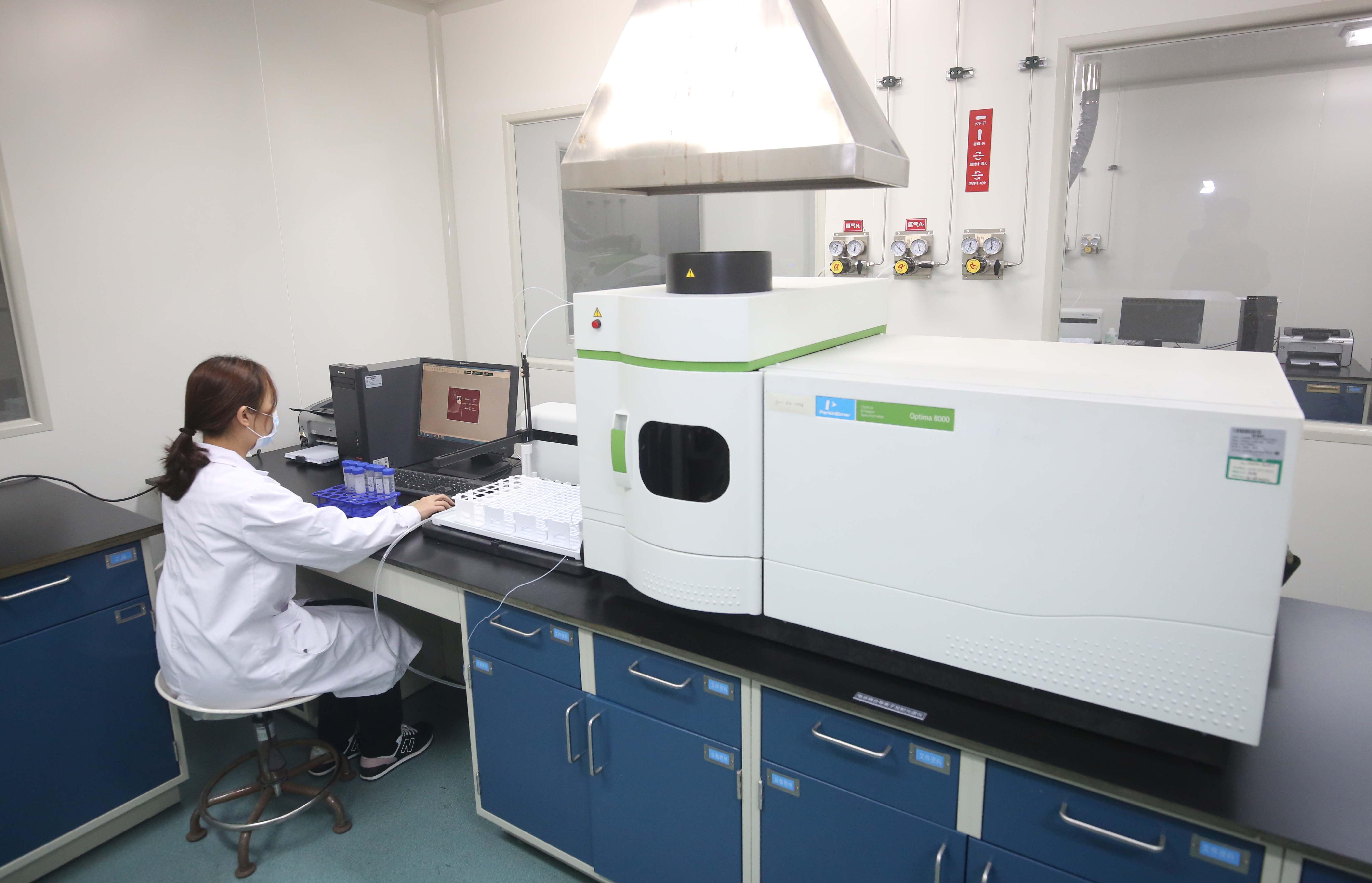
Global aerospace, defense, and high-spec marine projects require comprehensive digital tracking from raw titanium sponge to final packed hex bolt. Procurement protocols now mandate EN 10204 3.1 Mill Test Certificates (MTC/MTR), ultrasonic inspection, and spectrochemical heat analysis to prevent counterfeit or re-melted sub-grade metals in safety-critical assemblies.
3. Baoji Cluster Direct Integration (Disintermediation)
International OEMs are moving away from trading brokers in favor of direct manufacturer partnerships within Baoji (China's Titanium Valley). Sourcing directly from source factories cuts supply chain steps, improves engineering collaboration on complex 5-axis CAD drawings, and reduces lead times from 12–16 weeks to under 20 business days.
Manufacturing Evolution
Technological Development Trends in Fastener Production
How cutting-edge precision manufacturing, surface modification, and clean metallurgical practices are improving titanium bolt performance.
Anti-Galling Thin Film & PVD Coatings
Titanium threads are naturally prone to adhesive wear (galling) when torqued against similar alloys. Modern production combines Physical Vapor Deposition (PVD), Diamond-Like Carbon (DLC), and micro-arc oxidation (MAO) to deposit ultra-hard, low-friction coatings. These coatings reduce friction coefficients from >0.4 down to 0.12, allowing accurate torque control without repeated wet anti-seize application.
Automated Warm Heading & Near-Net Shape Forming
Traditional titanium bolt production often involved turning down solid bar stock, creating scrap rates as high as 60-70%. Forward-thinking manufacturers now use induction-heated warm heading machines. Rapidly heading bolt blanks in an inert gas shield preserves unbroken longitudinal grain fibers through the transition radius, simultaneously lowering unit costs and boosting head-to-shank tensile yield limits.
Microstructural Optimization: ELI Chemistry & Grain Refining
High-vibration dynamic systems require enhanced fracture toughness and low-temperature impact strength. Advancements in Extra Low Interstitial (ELI) chemistry—such as Grade 23 (Ti-6Al-4V ELI / ASTM F136)—reduce interstitial oxygen (<0.13%) and iron impurities. Combined with thermomechanical heat treatment, this delivers finer equiaxed alpha grains with improved resistance to stress-corrosion cracking.
Factory Heritage
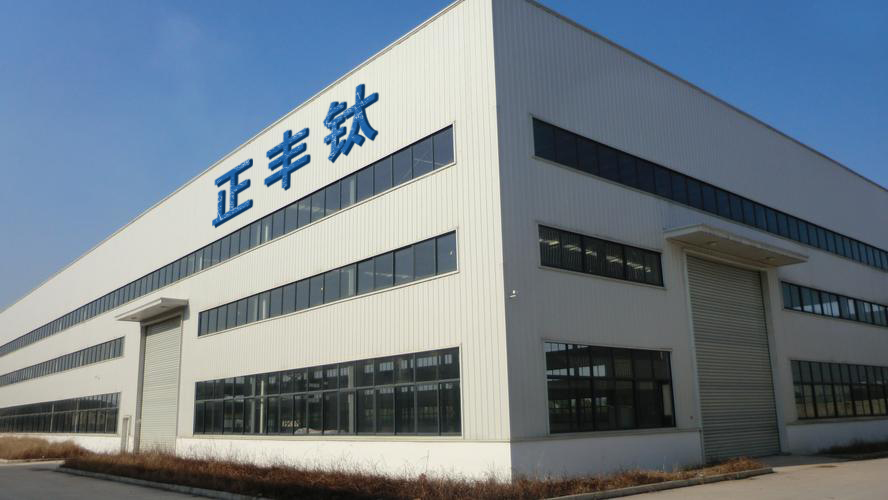
Baoji Manufacturing Excellence Since 2013
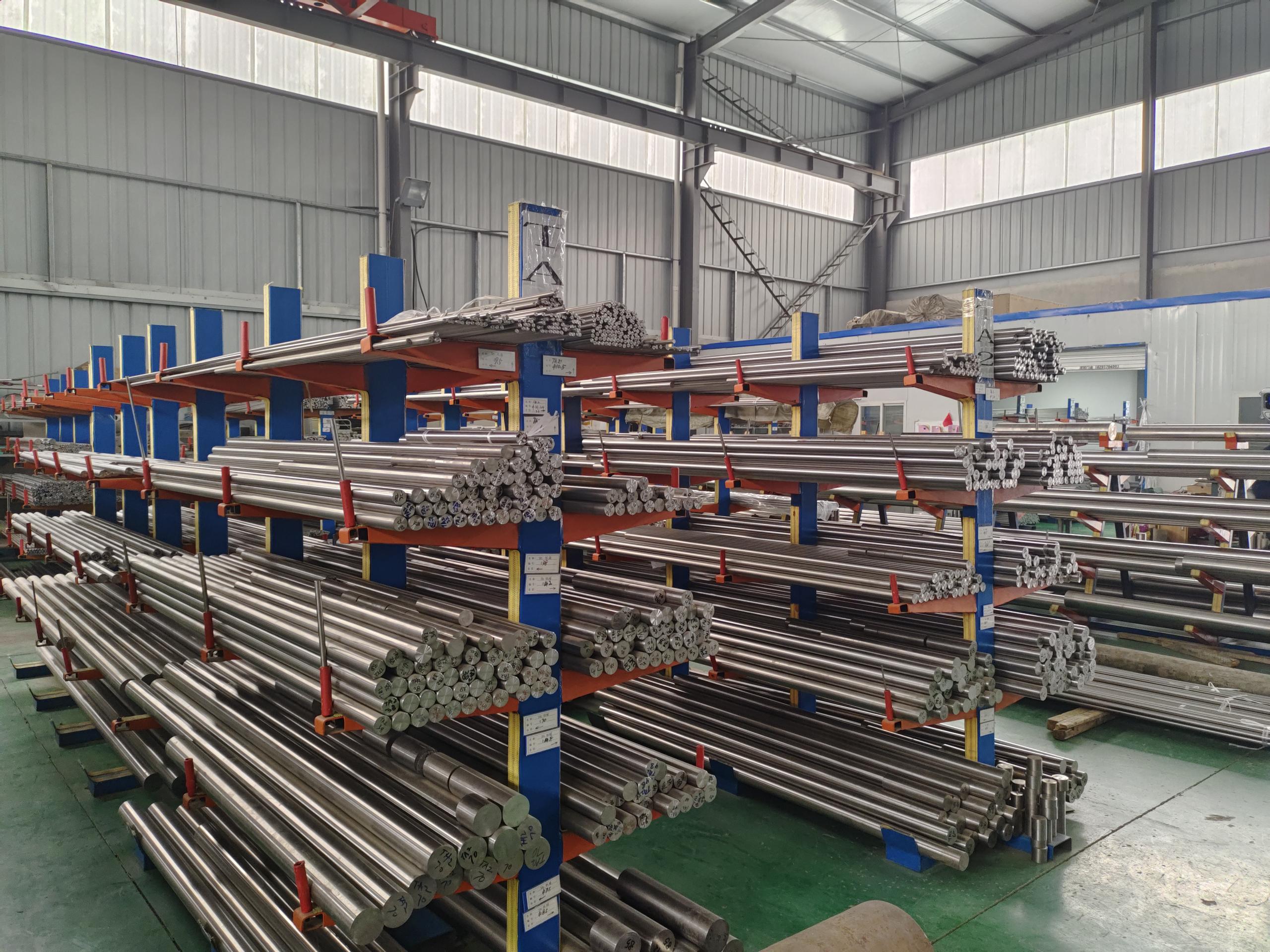
Headquartered in the Honeycomb Industrial Park, Fenghuang 3rd Road, High-Tech Development Zone, Baoji, Shaanxi, our facilities operate at the center of China's "Titanium Valley." Close proximity to titanium sponge smelting and vacuum arc remelting facilities gives us reliable, traceable access to ASTM B348 certified ingot and bar stock.
With more than 100 modern CNC machining centers, automated thread rolling mills, and optical gauge sorting arrays, we supply OEM, ODM, and customized fastener solutions to North America, Northern Europe, Eastern Asia, and global markets.
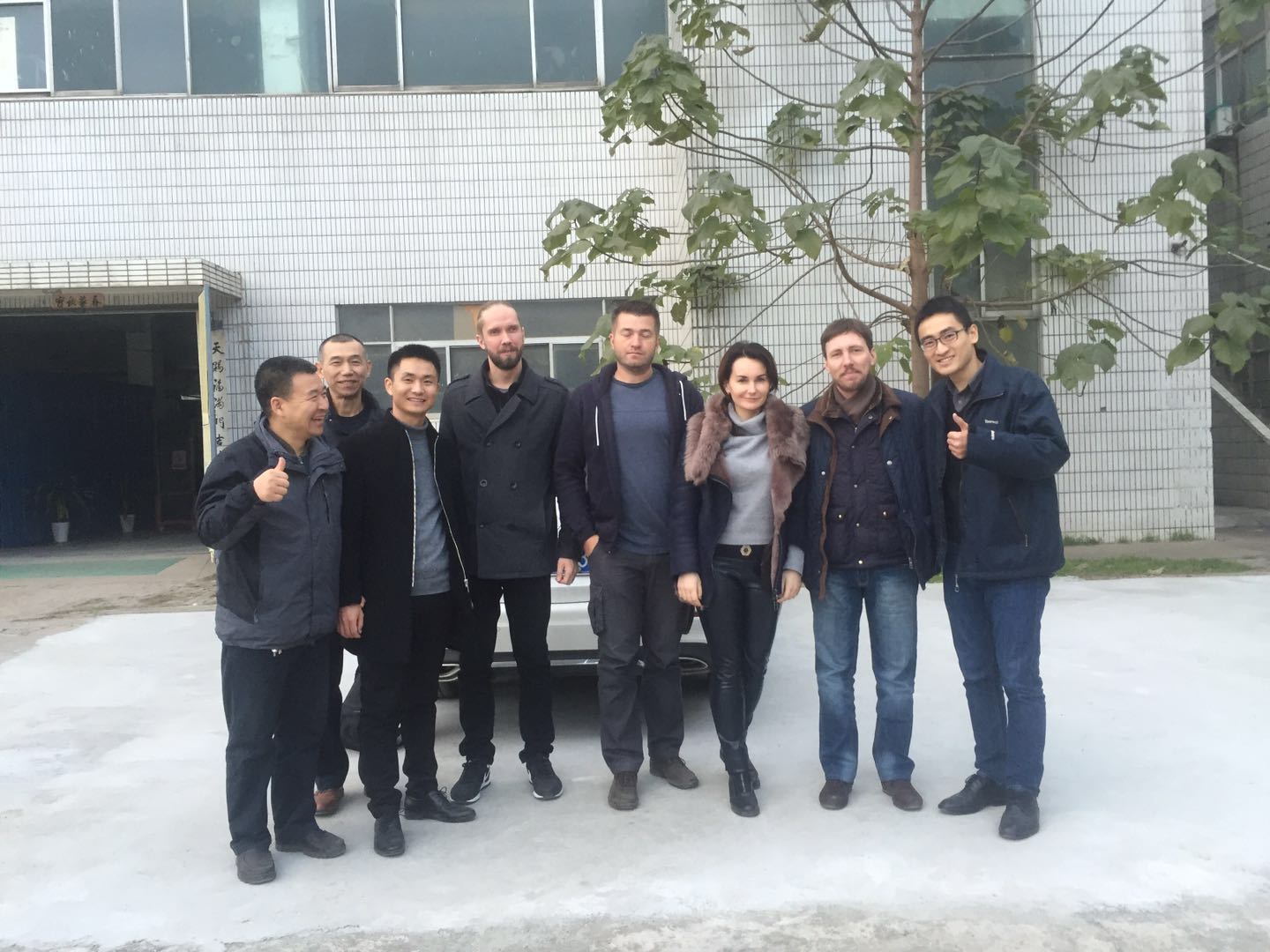
- Onsite-Checked Manufacturer
- 100% Heat Lot Traceability
- Custom Drawing Machining
- Metric & UNC/UNF Threads
- PVD & Anodized Color Lab
- Complete MTR Documentation
Procurement Guidance
Frequently Asked Questions for B2B Fastener Sourcing
Direct answers from our metallurgical and export engineering teams addressing common technical, commercial, and operational questions.
What is the primary difference between Grade 2 and Grade 5 titanium bolts?
Grade 2 is commercially pure (unalloyed) alpha titanium with a yield strength of ~275 MPa and tensile strength of ~345 MPa. It offers high formability and corrosion resistance in chemical or marine environments. Grade 5 (Ti-6Al-4V) is an alpha-beta alloy heat-treated to exceed 895–1000 MPa tensile strength, making it the appropriate choice for high-stress automotive, motorcycle, bicycle, and aerospace joints.
How do you prevent thread galling during installation?
Titanium can micro-weld under friction when torqued dry against other titanium or stainless steel surfaces. To avoid thread seizure, always apply a quality anti-seize paste (such as copper-based, nickel-based, or synthetic moly paste). Alternatively, select bolts with factory PVD/DLC coatings, and torque using a calibrated hand torque wrench at moderate assembly speeds rather than high-RPM air impacts.
Does anodizing weaken or alter the thread dimensions of titanium fasteners?
No. Titanium anodizing is not a thick build-up coating like aluminum hard anodizing. It is an electrolytic oxidation process that modifies the microscopic thickness of the natural surface TiO₂ passive layer (measured in nanometers). It changes light refraction to produce colors (gold, blue, purple, burnt rainbow) without altering thread tolerances (such as 6g/6H) or decreasing the tensile strength of the bolt.
What is the typical Minimum Order Quantity (MOQ) and production lead time?
Standard catalog hex head bolts and nuts (such as M5, M6, M8, M10, ISO 4018, DIN 6921) stocked in Baoji carry an MOQ of only 10 to 50 pieces. Custom dimensions, proprietary heads, or custom CNC drawings typically require an MOQ of 100 to 200 pieces. In-stock orders ship within 48 to 72 hours, while production for custom CNC components generally ships within 15 to 25 business days.
What documentation and test reports accompany international shipments?
Every industrial export lot is shipped with an EN 10204 3.1 Inspection Certificate detailing spectrographic chemical composition (Ti, Al, V, Fe, C, N, H, O) and physical mechanical properties (tensile, yield, elongation). Additional reports including dimensional optical inspection, Go/No-Go thread gauge sign-offs, and surface roughness documentation are provided upon request.
Which Incoterms and payment currencies do you support for export contracts?
We work with international freight forwarders to provide FOB (Shanghai/Tianjin/Shenzhen), CFR, CIF, FCA, and fully door-to-door cleared DDP shipments. Transactions can be settled through T/T, L/C, PayPal, or Escrow in all major global currencies, including USD, EUR, GBP, AUD, CAD, JPY, and CHF.