Engineered Disc Brake Bolts & Structural Fasteners
Precision CNC Machined Aerospace-Grade Fasteners for Extreme Braking Performance, Thermal Stability, and Uncompromising Weight Reduction
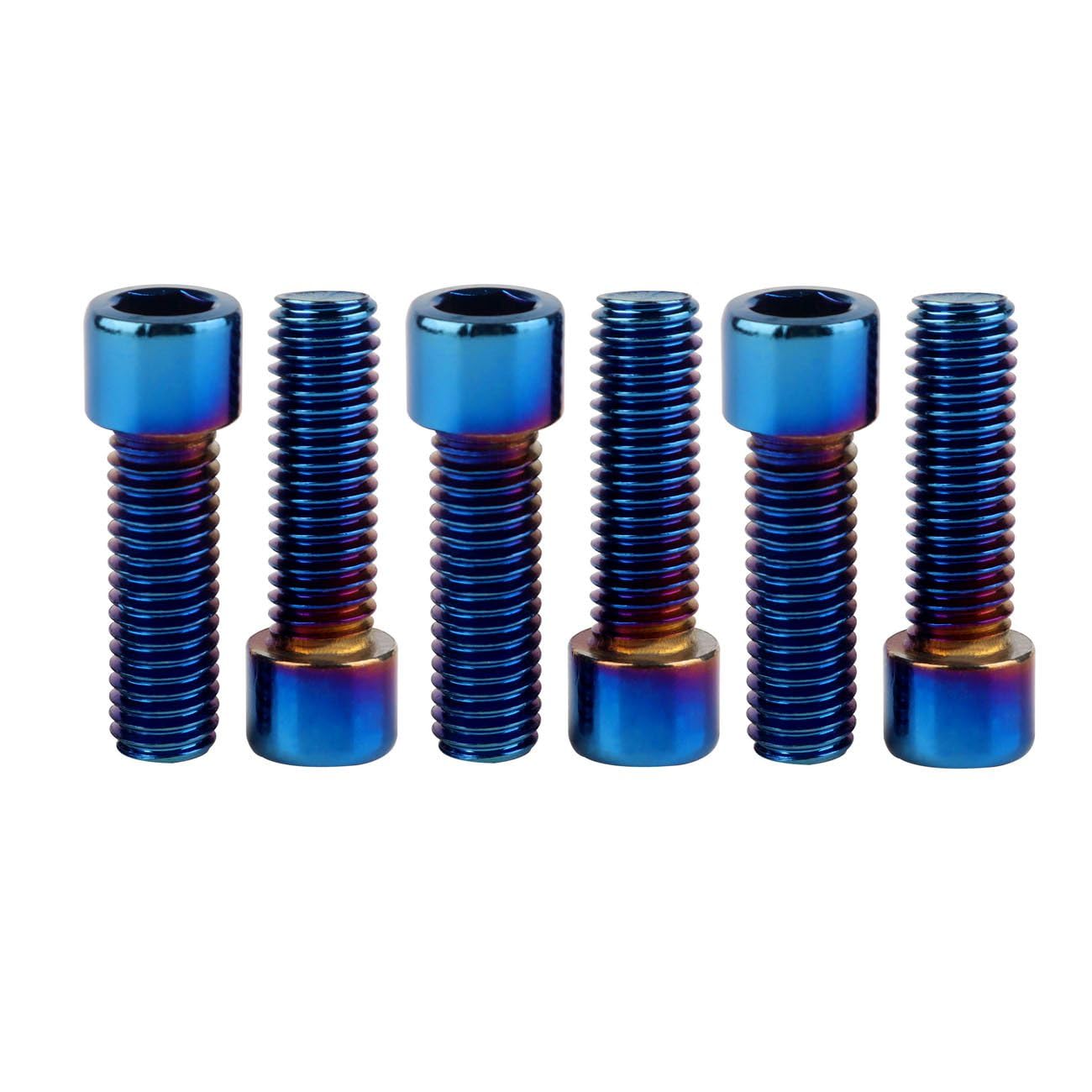
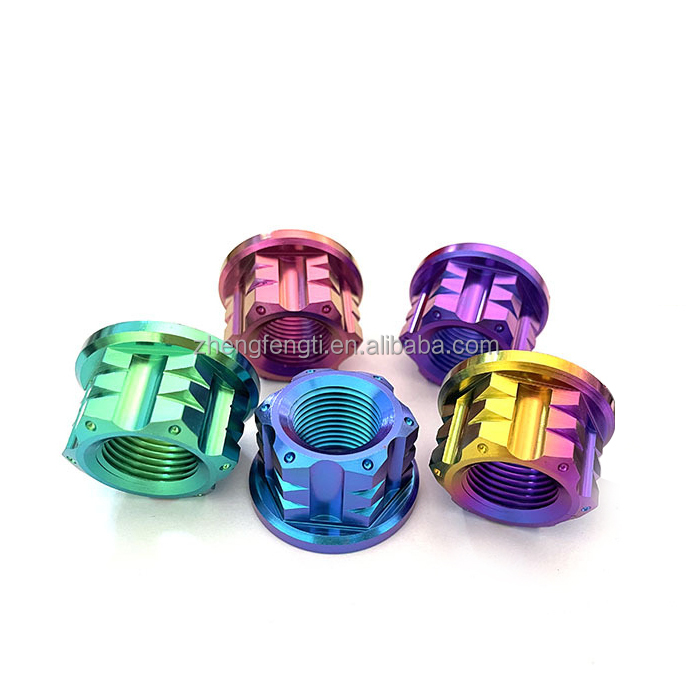
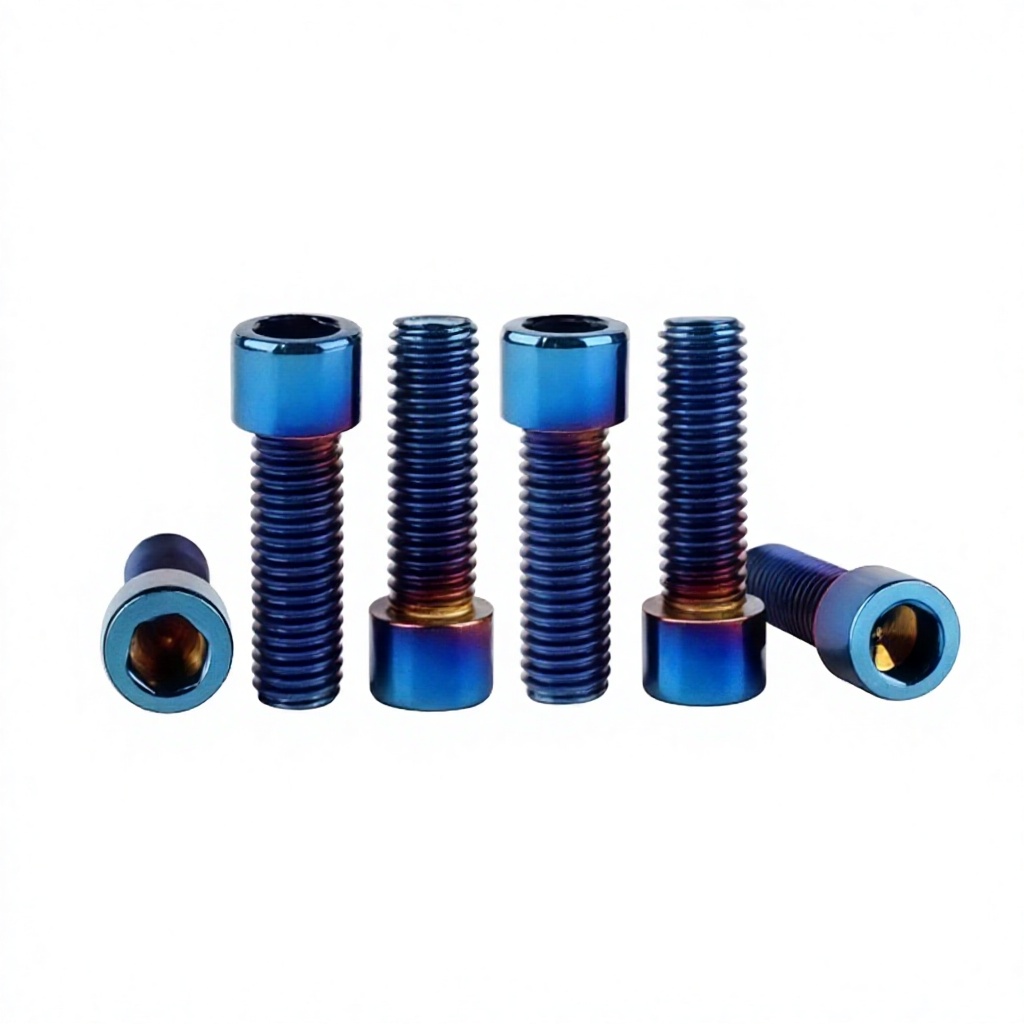
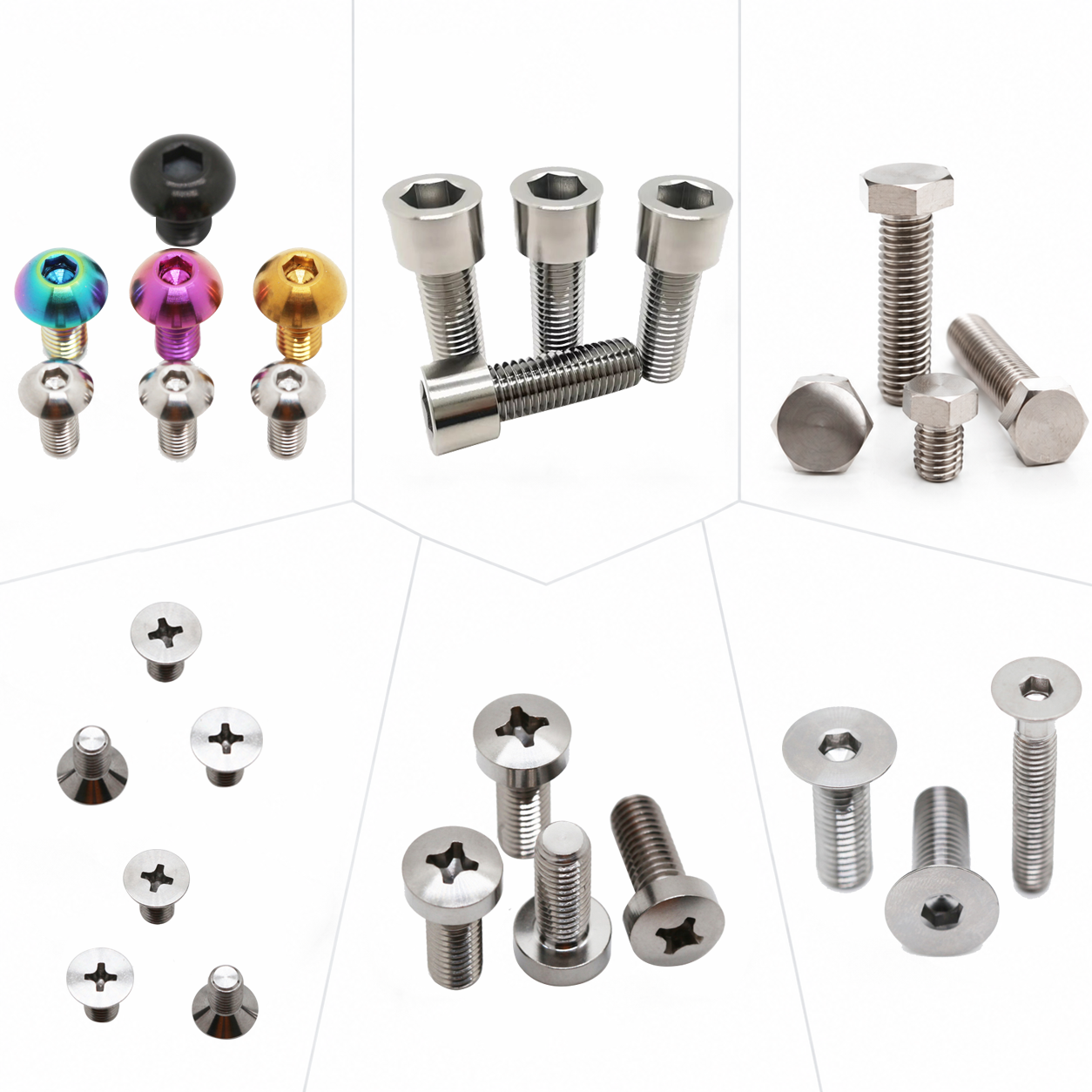
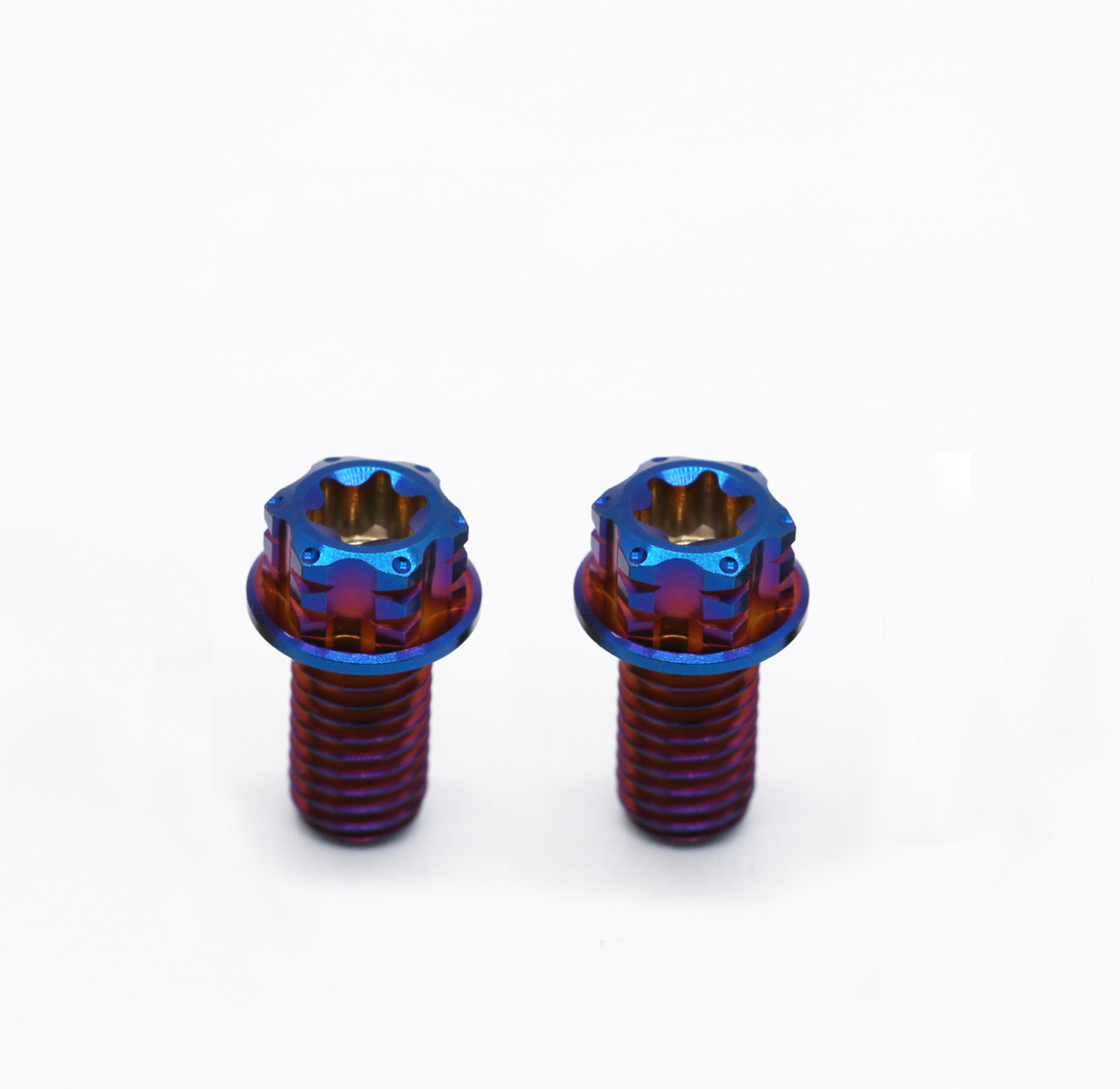
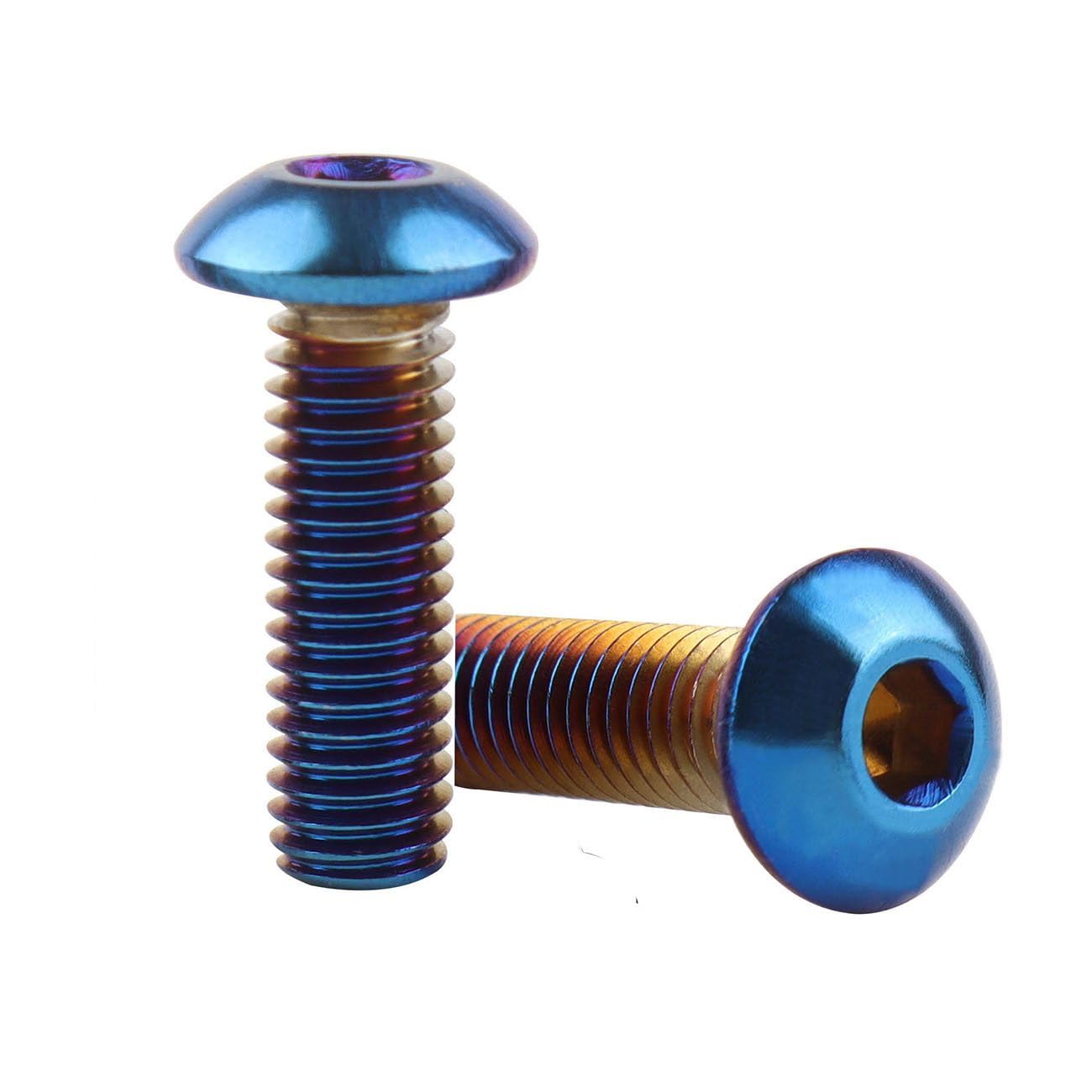
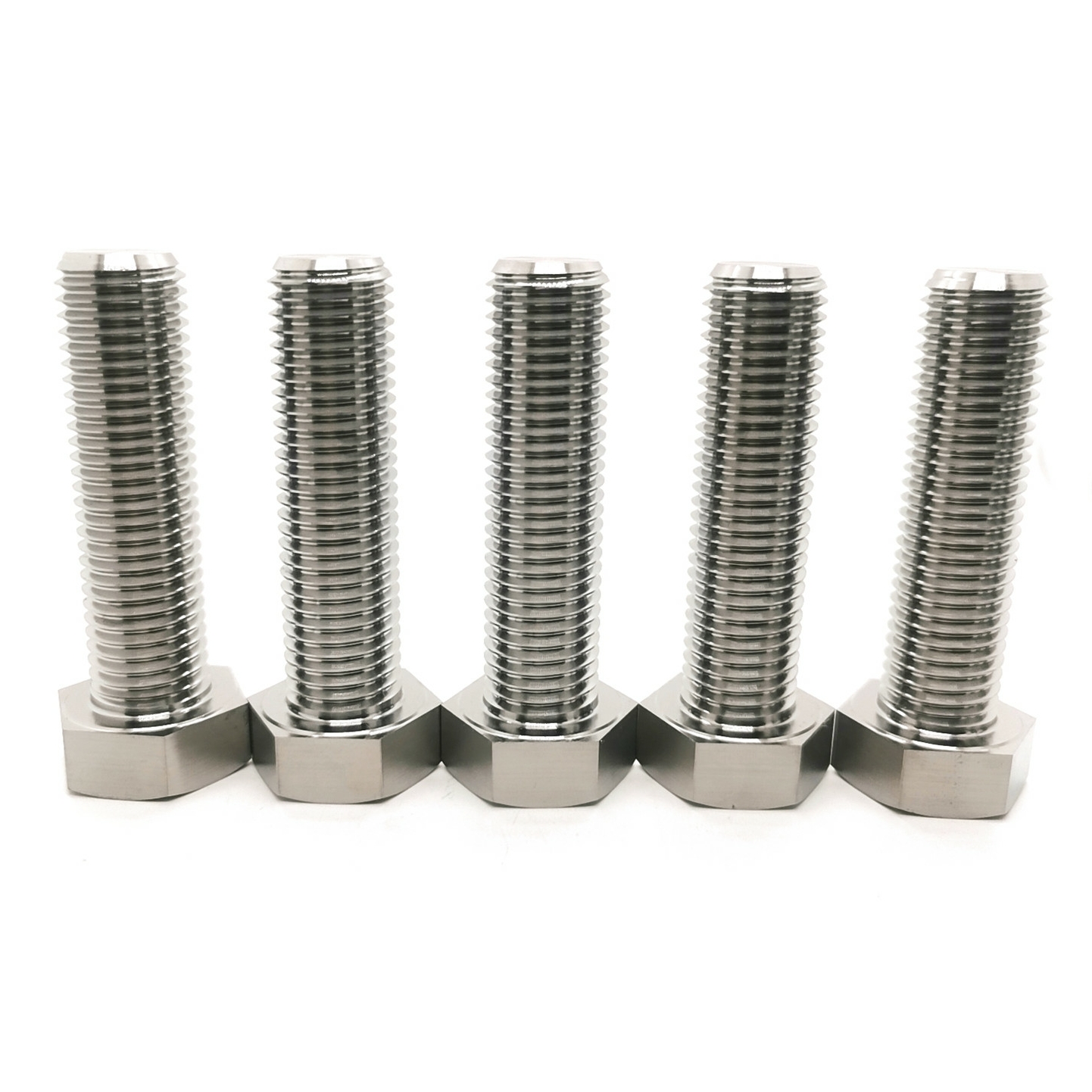
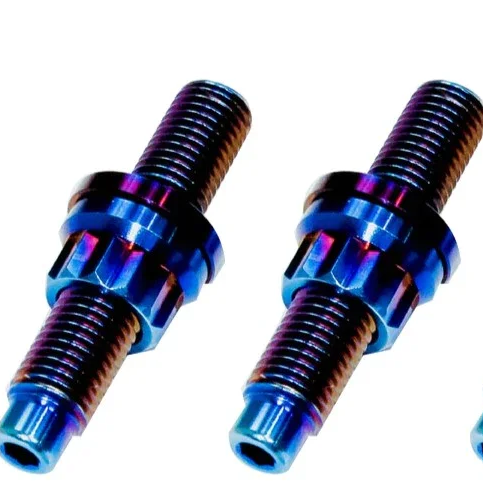
White Paper: Engineering Mechanics of Titanium Fasteners in Modern Disc Braking Systems
In modern commercial motorsport, heavy-duty e-mobility, and premium automotive manufacturing, braking systems are subject to unprecedented mechanical loads. Kinetic energy conversion during deceleration induces severe thermo-mechanical stresses. Disc brake rotors, mounting hats, and caliper mounts experience localized thermal spikes in excess of 650°C, high shear dynamics, and intense cyclical vibration. Traditional structural steel fasteners (such as ISO Grade 8.8 or Grade 10.9) frequently suffer from thermal relaxation, unsprung mass penalties, and severe oxidation when exposed to moisture, road salts, and chemical cleaning agents.
As China's premier manufacturer and global exporter of high-integrity fasteners, Yevzo Titanium Metal Co., Ltd. produces dedicated Grade 5 (Ti-6Al-4V) disc brake bolts that directly replace ferrous hardware. By optimizing structural dynamics, our components significantly reduce unsprung rotational weight while offering superior shear performance, infinite fatigue limits under designated preloads, and absolute galvanic corrosion resistance.
Metallurgical Analysis: Why Grade 5 (Ti-6Al-4V) Outclasses Traditional Steel Hardware
The mechanical requirements of a disc brake rotor or caliper bracket screw differ fundamentally from standard architectural fasteners. A rotor bolt functions under cyclical shear stresses induced by wheel rotation and tangential clamping forces during pad-to-rotor engagement. Caliper bracket mounting bolts must withstand longitudinal tensile preloads without relaxing during continuous hot-cold cycling.
| Mechanical Property | Commercial Grade 2 (CP-Ti) | Ti-6Al-4V (Grade 5, Annealed) | Structural Steel 8.8 (Reference) | High-Tensile Steel 10.9 (Reference) |
|---|---|---|---|---|
| Density (g/cm³) | 4.51 | 4.43 | 7.85 | 7.85 |
| Ultimate Tensile Strength (MPa) | ≥ 345 | ≥ 895 – 1000 | 800 | 1040 |
| Yield Strength 0.2% Offset (MPa) | ≥ 275 | ≥ 828 | 640 | 940 |
| Modulus of Elasticity (GPa) | 105 | 114 | 210 | 210 |
| Strength-to-Weight Ratio (kN·m/kg) | 76.5 | 214.4 | 101.9 | 132.5 |
| Corrosion Resistance (Chloride/Salt) | Immune | Immune (Self-passivating TiO₂) | Requires Zn/Geomet Plating | Susceptible to Hydrogen Embrittlement |
While Commercially Pure Grade 2 titanium delivers outstanding chemical ductility for marine or architectural use, it lacks the necessary yield envelope for high-stress braking interfaces. Yevzo utilizes certified ASTM B348 Grade 5 titanium bars featuring a balanced alpha-beta crystalline structure. With a density of just 4.43 g/cm³ compared to steel's 7.85 g/cm³, converting brake rotor and caliper mounting hardware to Grade 5 cuts fastener assembly weight by approximately 44%, reducing rotational inertia on the axle line and enhancing vehicle handling and suspension responsiveness.
Precision Cold-Forging vs. Multi-Axis CNC Thread Rolling: The Integrity Paradigm
A frequent failure point in substandard aftermarket disc brake bolts is the method of thread formation. Subcontracted machine shops often turn threads using single-point CNC carbide cutters. Cutting threads slices across the natural metallurgical grain structure of the titanium bar, introducing microscopic notch stress risers at the root diameter. Under cyclic brake stutter and high shear loadings, cut-thread bolts develop micro-cracks that propagate toward catastrophic fatigue failure.
At our Baoji manufacturing facility, Yevzo utilizes hot forging for bolt heads, followed by secondary precision multi-axis CNC turn-milling to form the shank, and finalized with high-pressure thread rolling. Thread rolling exerts compressive radial forces on the blank, plastically deforming the titanium fibers to follow an unbroken contour along the root and crest. This induces high residual compressive stresses in the thread roots, significantly improving dynamic fatigue life, shear strength, and galling resistance during high-torque tightening.
Procurement & Technological Trends in Fastener Sourcing
Strategic Shifts Reshaping How Automotive Tier-1 Suppliers, Racing Teams, and OEM Importers Procure Titanium Hardware
Rapid EV Lightweighting Mandates
With electric vehicles carrying substantial battery curb weight, Tier-1 brake suppliers actively shed rotating unsprung mass at the wheel assembly. Gr5 disc rotor bolts, hub hardware, and caliper studs are directly specified in EV racing series and performance consumer lines to reclaim regenerative braking efficiency and enhance cornering response.
Complete Heat-Lot Traceability
Global procurement divisions have shifted away from unverified spot-market suppliers. Reliable procurement now requires full raw material origin verification via EN 10204 3.1 chemical and mechanical inspection sheets, validating exact levels of Interstitial elements (Fe, O, C, N, H) to eliminate batch inconsistencies.
Advanced PVD & Anodic Surface Layers
While standard plain titanium offers exceptional natural corrosion resistance, demand is surging for Physical Vapor Deposition (PVD) DLC (Diamond-Like Carbon), titanium nitride (TiN) gold, and micro-arc anodic finishes. These treatments lower the friction coefficient, preserve bolt threads during frequent pad swaps, and eliminate galling under dry-torque situations.
Custom Torx / Low-Profile Rotor Heads
Modern motorcycle and mountain bike brake rotors require sleek, ultra-low profiles to avoid contact with caliper bodies, hub motors, and fork lowers. CNC machined T25, T30, and custom spline head geometries are replacing bulky socket cap screws to provide slip-free torque transmission without stripped drive wells.
Why Partner with Yevzo: Direct Sourcing from Baoji
Over a Decade of Engineering Competence, Vertical Integration, and Global Export Infrastructure
Location in China's "Titanium Valley"
Headquartered in the Honeycomb Industrial Park, Baoji High-Tech Zone, Yevzo is embedded directly within the primary hub of China's titanium sponge and alloy development. We purchase high-purity ingot material with immediate certified mill pedigree, substantially lowering raw-stock acquisition lead times and passing structural pricing benefits directly to our export partners.
Comprehensive In-House CNC Fleet
Operating over 100 sets of advanced 3-axis, 4-axis, and multi-spindle Swiss CNC turning-milling centers alongside high-tonnage cold/hot headers, Yevzo eliminates external subcontractor dependencies. From standard DIN912, DIN6921, and ISO 4014 fastener standards to bespoke customer drawings in STEP, DWG, or PDF formats, parts remain under unified quality management.
Documented Metrology & Inspection
Every batch of titanium disc brake hardware undergoes stringent multi-stage inspection. Our on-site Metrology Department verifies pitch diameters via optical profile projectors, concentricity on 3D coordinate measuring machines (CMM), surface roughness, and destructive tensile proof testing to guarantee critical safety tolerances prior to packaging.
Global Export & Incoterms Agility
Serving regular clients across North America, Northern Europe, Eastern Asia, and Oceania, our experienced shipping department manages complete logistical pathways under FOB, CIF, EXW, FCA, CPT, and door-to-door DDP arrangements. We accept multi-currency settlement (USD, EUR, GBP, JPY, AUD) via T/T, L/C, PayPal, and verified escrow platforms.
Frequently Asked Questions: Disc Brake Hardware Sourcing
Technical and Commercial Clarifications for Purchasing Managers, Mechanical Engineers, and Distribution Agents
Why is Grade 5 (Ti-6Al-4V) mandatory for disc brake bolts instead of Grade 2 commercially pure titanium?
How should torque specifications be calculated when replacing steel rotor bolts with Grade 5 titanium?
Does titanium cause galvanic corrosion when fastened directly into aluminum wheel hubs or magnesium uprights?
What are the typical Minimum Order Quantities (MOQ) and production lead times for standard vs. custom bolts?
Does anodizing titanium weaken the mechanical integrity or compromise the thread pitch of the bolt?
Ready to Optimize Your Disc Brake Fastener Procurement?
Connect directly with our engineering division in Baoji. Send your 2D/3D component drawings or standard part requirements to receive an itemized manufacturing proposal, material test certification plan, and freight quotation within 24 hours.