Critical Braking
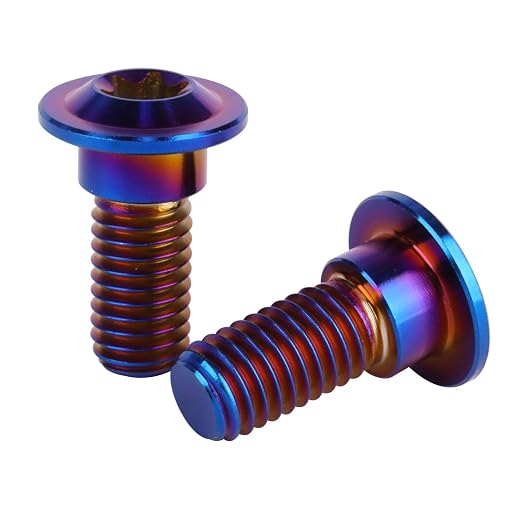
Motorcycle Titanium Bolts Hexagonal Step Flat Head M8 Disc Brake
- Thread Pitch:M8 x 1.25
- Material:Gr5 (Ti-6Al-4V)
- Finish:Corrosion-Proof Zinc/Plain
Machined from certified ASTM B348 Grade 5 bars using precision multi-axis CNC turning centers to hold DIN/ISO mechanical tolerances under severe vibration environments.
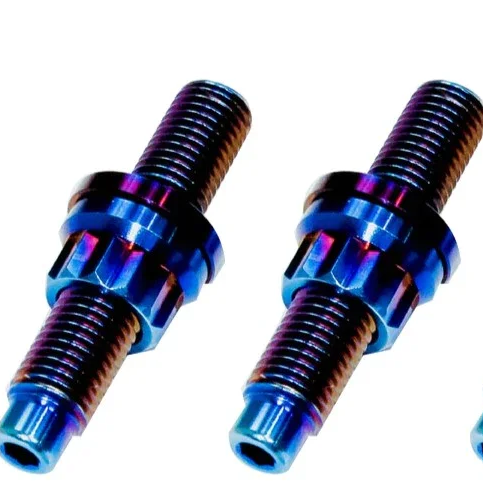
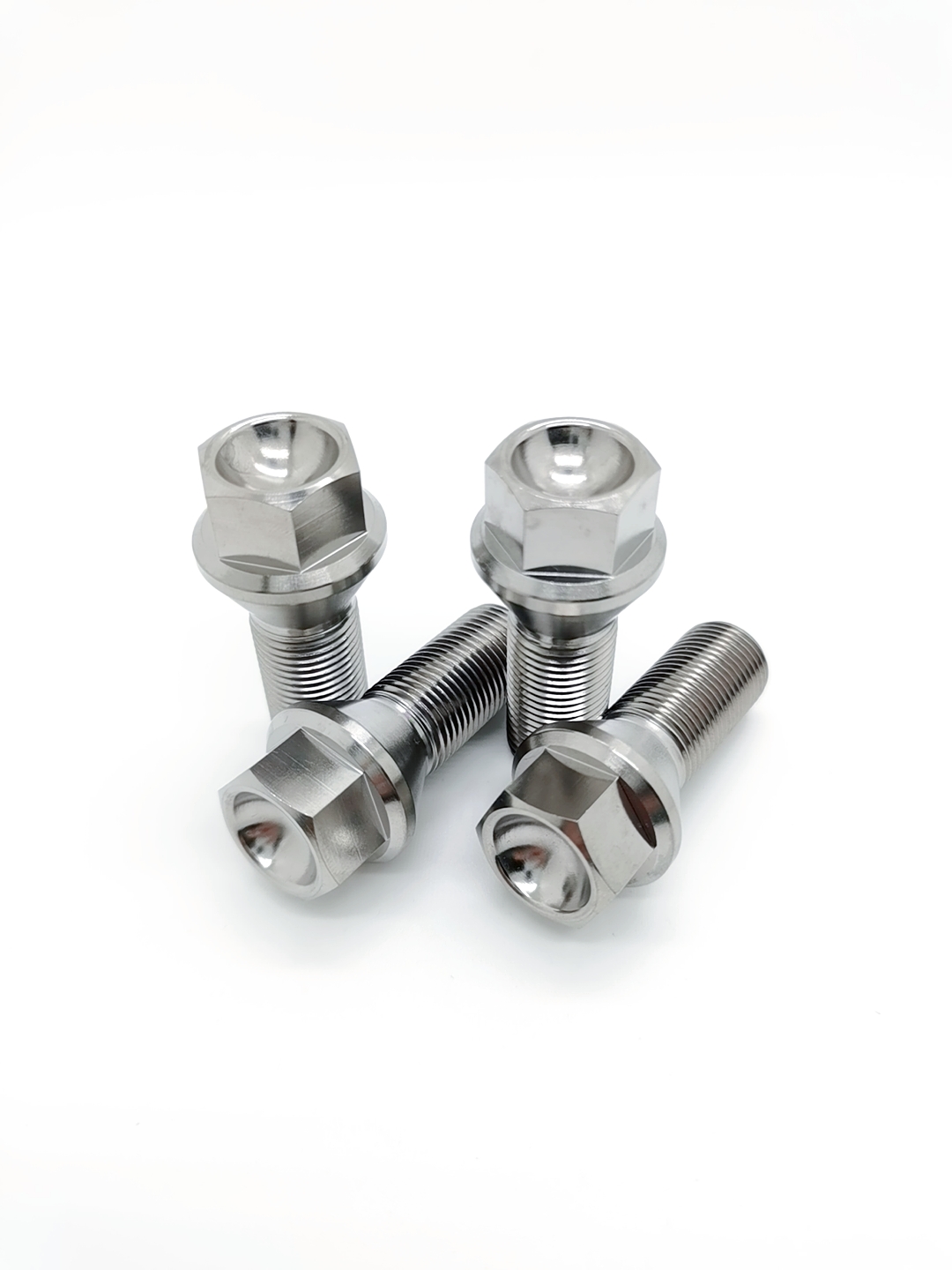
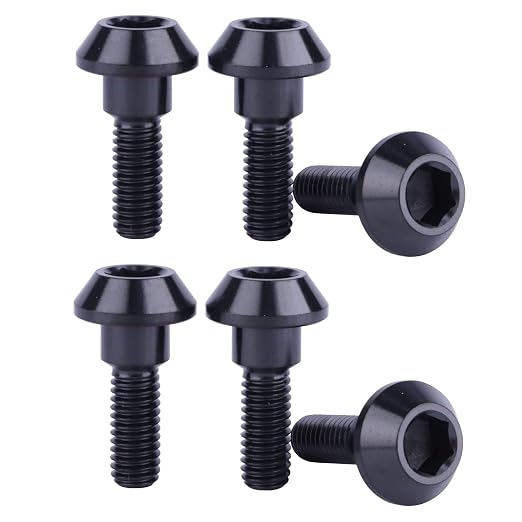
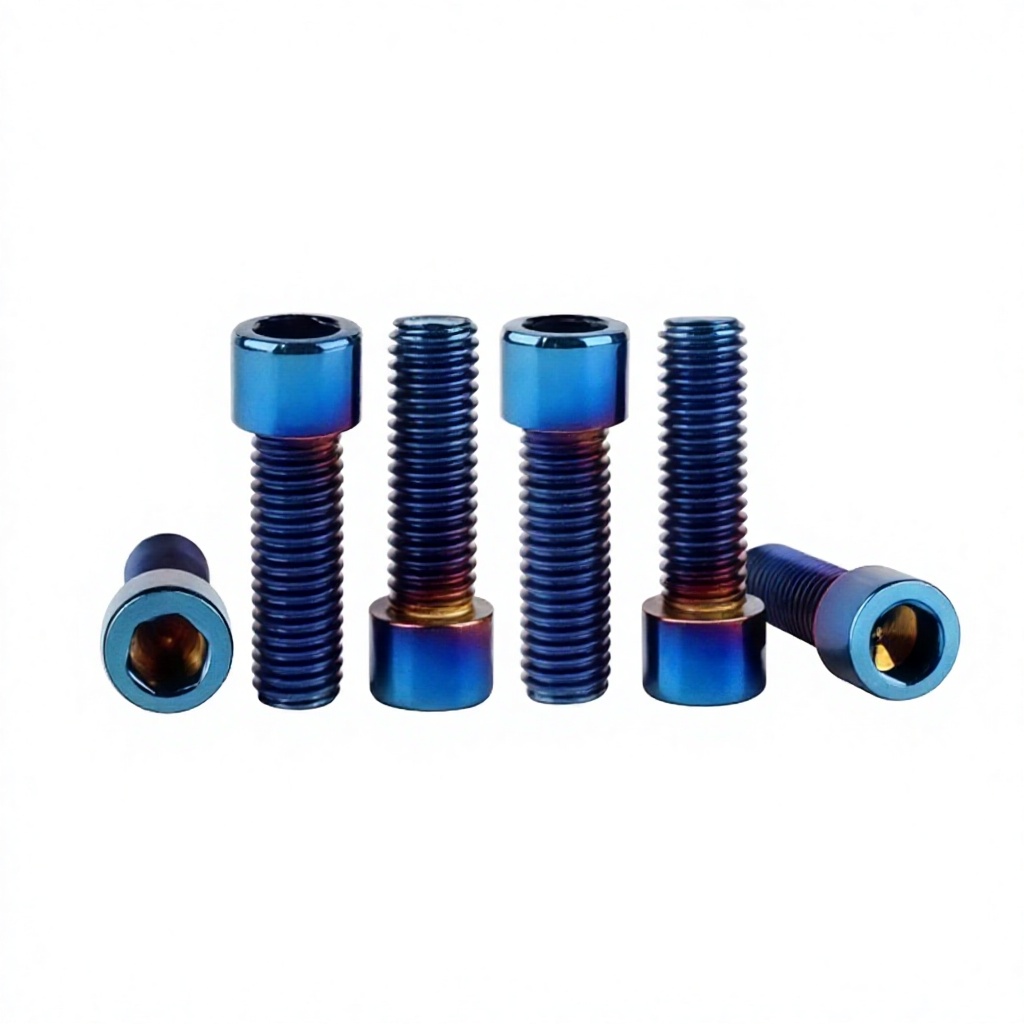
Understanding the critical intersection of unsprung rotational mass, fatigue endurance, and galvanic management in two-wheel vehicle design.
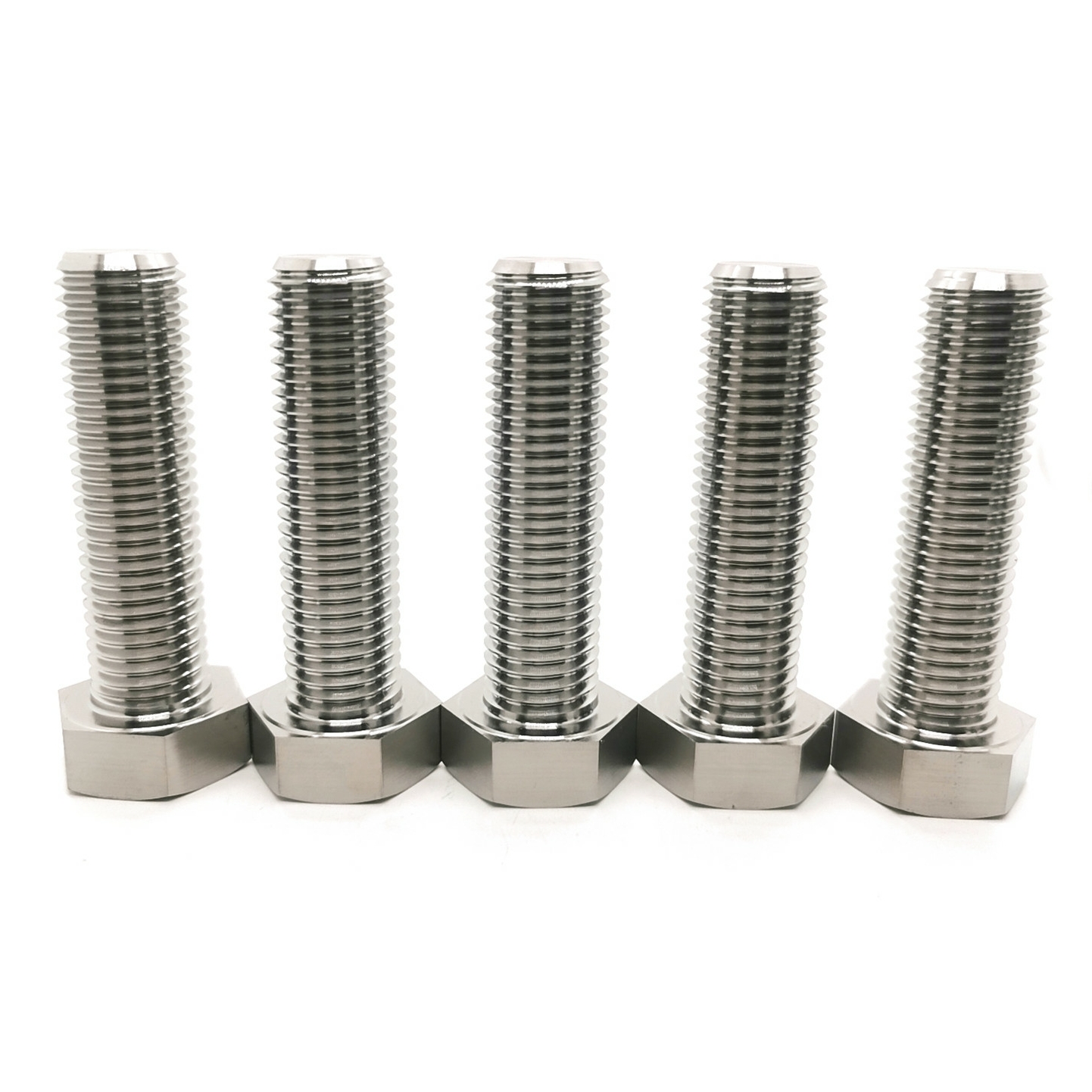
In competitive motorcycle racing, supersport engineering, and high-displacement touring, threaded fasteners are subjected to intense multi-axial dynamics: high-frequency harmonic vibration, cyclic thermal expansion from braking systems, and sheer torsional stresses. Sourcing CE certified titanium motorcycle bolts from a verified OEM mill supplier gives structural engineers an exceptional mechanical advantage. Titanium Grade 5 (Ti-6Al-4V, Werkstoff 3.7165) demonstrates a yield strength surpassing 828 MPa and an ultimate tensile rating exceeding 895–950 MPa, outperforming Class 8.8 carbon steel while yielding a 44% weight reduction.
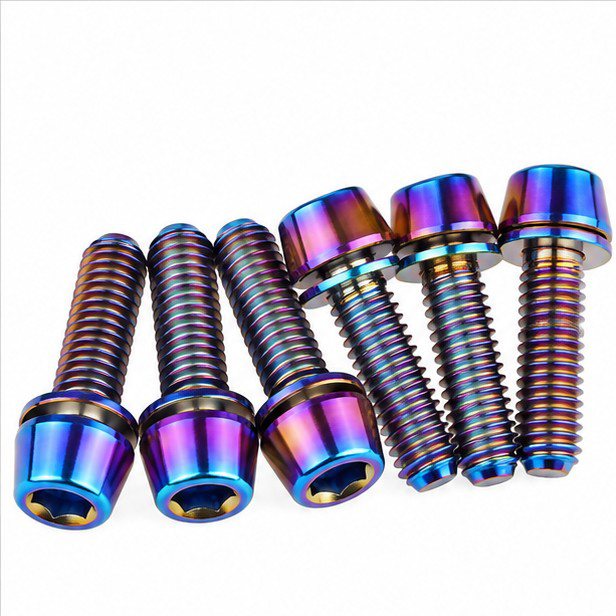
Weight savings on structural running gear—such as brake calipers, disc rotor step bolts, triple clamp pinch bolts, and wheel lug axles—directly reduce unsprung rotational mass. By decreasing rotational inertia, modern racing bikes achieve faster suspension response over high-frequency surface variations, substantially reducing gyroscopic resistance during rapid directional transitions. Below is an engineering comparison detailing ASTM B348 annealed Grade 5 titanium against conventional fastener materials:
| Material Grade | Tensile Strength (MPa) | Yield Strength (MPa) | Density (g/cm³) | Shear Resistance | Chloride Pitting Resistance |
|---|---|---|---|---|---|
| Gr5 Titanium (Ti-6Al-4V) | 895 – 1050 | 828 – 920 | 4.43 | Extreme (Rolled Threads) | Virtually Immune (PREN > 40) |
| Class 8.8 Carbon Steel | 800 – 830 | 640 | 7.85 | Moderate | Extremely Poor (Rusts Unplated) |
| Class 10.9 Alloy Steel | 1000 – 1040 | 900 – 940 | 7.85 | High | Prone to Stress Corrosion Cracking |
| AISI 304 (A2) Stainless | 500 – 700 | 210 | 7.93 | Low (Risk of Shear Galling) | Moderate (Pitting under Salt Spray) |
| 7075-T6 Billet Aluminum | 520 – 570 | 460 – 500 | 2.81 | Very Low (Not Structural) | Galvanic Pitting Risks |
Thread Forming Engineering: A major failure point with generic suppliers is the machining of threads via turning inserts rather than rolling. Yevzo utilizes automated high-tonnage thread rolling dies for Grade 5 motorcycle bolts. Thread rolling maintains continuous grain-flow lines along the crest and root profile, eliminating notch sensitivity, elevating surface hardness, and providing superior fatigue resistance under heavy track braking loads.
Key structural shifts dictating global OEM procurement budgets, electric motorcycle architectures, and surface treatment technologies for 2025–2030.
With electric motorcycles bearing heavy battery enclosures, OEM procurement teams are turning to titanium fasteners to offset curb mass. Sourcing M10–M14 titanium hub, frame, and suspension linkage bolts helps offset battery weight without compromising overall torsional stiffness.
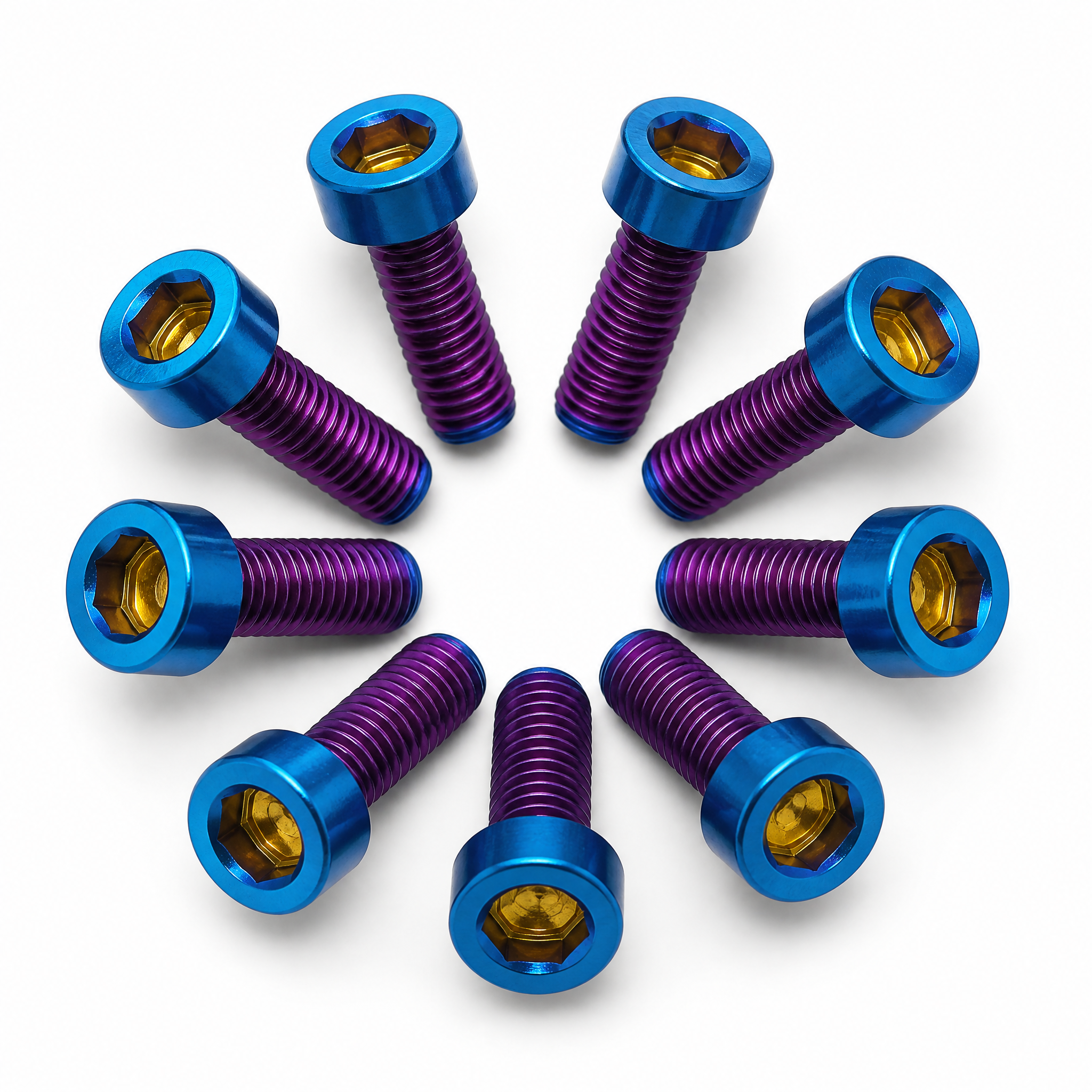
The global aftermarket is shifting away from untreated metal. Demand is accelerating for PVD (Physical Vapor Deposition) Titanium Nitride (Gold) and Diamond-Like Carbon (DLC Black) finishes, as well as controlled anodic oxidation (Burnt Blue, Purple) that increase surface micro-hardness to over HV 2000 without compromising thread clearance.
Regulatory tightening across the European Union requires end-to-end provenance. Buyers increasingly mandate EN 10204 3.1 chemical inspection certs verified via Optical Emission Spectrometry, proving zero contamination by interstitial elements (Hydrogen < 0.015%, Oxygen < 0.20%).
Eliminating third-party intermediaries. Direct access to premier billet stock, in-house metallurgical testing, and custom OEM manufacturing.

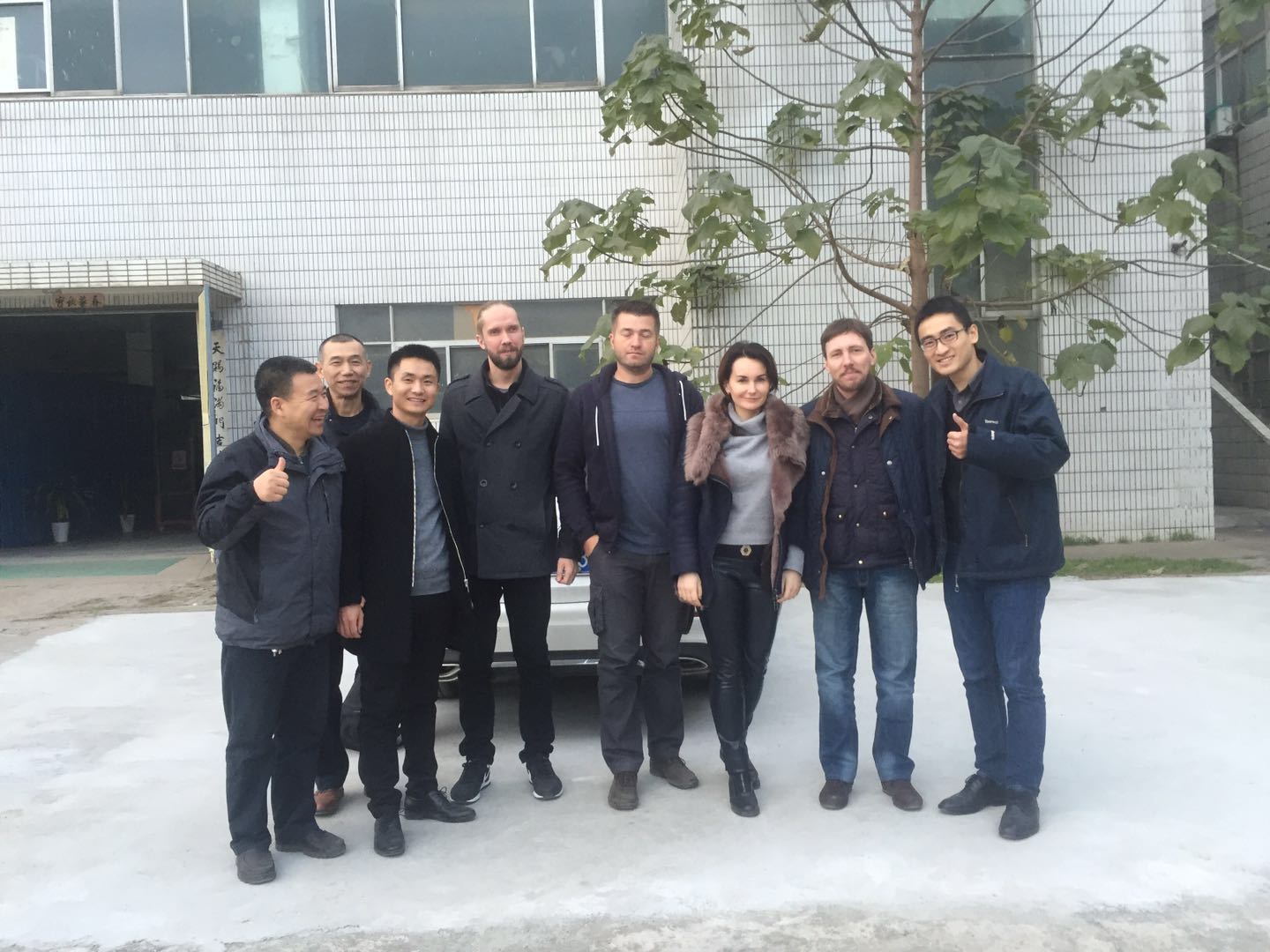
Operating directly from China's premier Titanium Valley since 2013, ensuring verified virgin ingot raw material supply chain control.
Over 100 dedicated CNC machining units holding ISO metric and UNC thread tolerances to ±0.01mm for flawless runout accuracy.
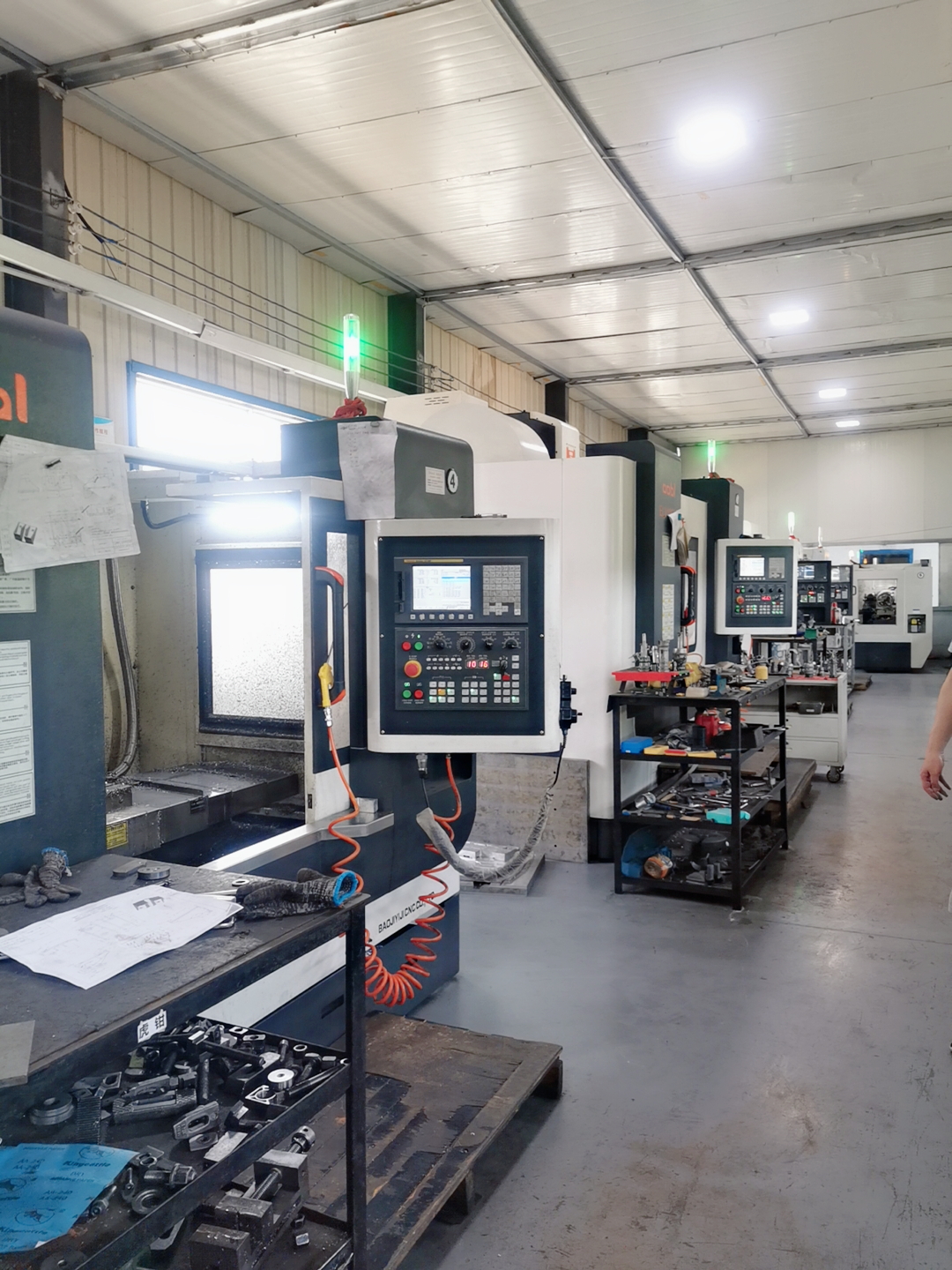
Every production run undergoes 100% thread gauge verification, surface roughness Ra profiling, and ultrasonic defect inspection before global dispatch.
Clear, engineer-level answers addressing thread friction, torque retention, anti-galling lubricants, and CE compliance standards.