High-Performance Titanium Automotive Fasteners
Direct manufacturer supply featuring aerospace-grade Ti-6Al-4V and commercial pure titanium components with rolled threads, tight concentricity, and Class 8.8 to 10.9 tensile performance.
Engineering Whitepaper: Metallurgical Selection, Mechanical Properties, and Structural Dynamics in Automotive Titanium Hardware
Modern automotive assembly requires a rigorous balance between tensile strength, cyclic fatigue tolerance, weight savings, and environmental degradation resistance. Within performance motorsports, electric vehicle (EV) chassis design, and critical powertrain configurations, steel fasteners (specifically ISO 898-1 Property Classes 8.8 and 10.9) have traditionally served as structural defaults. However, the continuous pursuit of reduced unsprung rotational mass and superior resistance to cyclic galvanic attack has positioned Grade 5 Titanium (Ti-6Al-4V, UNS R56400 / ASTM B348) as the preeminent material for Tier-1 automotive mechanical applications.
From a crystalline metallurgy standpoint, Grade 5 titanium is an alpha-beta dual-phase alloy characterized by 6% aluminum stabilizing the alpha phase (hexagonal close-packed - HCP) and 4% vanadium stabilizing the beta phase (body-centered cubic - BCC). This alloy matrix produces a tensile strength exceeding 895–1000 MPa while maintaining a nominal density of 4.43 g/cm³, compared to structural carbon steel at approximately 7.85 g/cm³. In contrast, Grade 2 Commercially Pure (CP) titanium exhibits a predominantly single-phase alpha structure with lower tensile yield (approx. 345 MPa), making it unsuitable for high-clamp-load critical joints (e.g., wheel hub lug bolts, cylinder head studs, or suspension links), yet optimal for low-stress corrosion barriers such as fuel tank retention, fluid lines, and electrical grounding studs.
Comparative Structural Performance Matrix
The table below provides empirical engineering thresholds for mechanical property comparison across standard fastener materials deployed in modern automotive platforms, compiled according to ASTM B348, ASTM F468, and ISO 898-1 specifications:
| Mechanical Property | Grade 2 Titanium (CP) | Grade 5 (Ti-6Al-4V Annealed) | Grade 5 STA (Heat Treated) | Class 8.8 Alloy Steel | Class 10.9 Alloy Steel |
|---|---|---|---|---|---|
| Density (g/cm³) | 4.51 | 4.43 | 4.43 | 7.85 | 7.85 |
| Yield Strength 0.2% (MPa) | 275 – 380 | 828 – 910 | 1030 – 1100 | 640 | 940 |
| Ultimate Tensile Strength (MPa) | 345 – 480 | 895 – 1000 | 1100 – 1170 | 800 | 1040 |
| Elongation at Break (%) | 20 – 26% | 10 – 15% | 8 – 12% | 12% | 9% |
| Modulus of Elasticity (GPa) | 105 | 114 | 114 | 205 | 210 |
| Fatigue Endurance Limit (10₷ cycles) | ~ 180 MPa | ~ 510 MPa | ~ 620 MPa | ~ 390 MPa | ~ 490 MPa |
| Thermal Expansion Coeff. (20-100°C) | 8.6 × 10⁻⁶ /K | 8.6 × 10⁻⁶ /K | 8.6 × 10⁻⁶ /K | 11.7 × 10⁻⁶ /K | 12.2 × 10⁻⁶ /K |
| Prevalent Automotive Deployment | Sensor housings, brackets, trim | Lug bolts, brake calipers, rods | Motorsport suspension, driveline | General chassis fixtures | Standard OEM powertrain/hubs |
As demonstrated in the empirical data, Grade 5 Ti-6Al-4V provides a strength-to-weight ratio that is roughly 1.7 to 1.9 times greater than that of quenched and tempered Class 10.9 structural steel. Furthermore, the lower elastic modulus of titanium (114 GPa versus 205 GPa for steel) imparts superior resilience under dynamic impact and shock vibration, as the fastener can absorb substantial elastic deformation energy without exceeding its yield point. This behavior is exceptionally valuable in harsh automotive duty cycles where engine resonance and road vibrations frequently induce cyclic fatigue failures in stiffer, brittle steel bolts.
Macro Procurement Shifts & Technological Trends in Automotive Fastening (2025–2035)
Strategic sourcing managers and automotive chief engineers face unprecedented structural changes. Sourcing policies are no longer evaluated purely on raw per-unit cost; total cost of ownership (TCO), life cycle emissions, battery energy efficiency, and functional reliability now determine tier-1 procurement contracts. Below are the transformative trends defining high-grade automotive titanium fastener procurement over the coming decade.
1. EV Powertrain Unsprung Mass Reduction
Electric vehicles carry significant static weight due to high-density lithium-ion and solid-state battery packs. To meet stringent range targets and curb cornering inertia, OEMs are systematically targeting unsprung mass at the wheel ends, suspension knuckles, and brake calipers. Replacing conventional steel wheel bolts and rotor hardware with Grade 5 titanium instantly saves 1.5 to 2.5 kg of unsprung rotational mass per vehicle corner, dramatically enhancing damper response, regenerative brake efficiency, and vehicle dynamic handling.
2. Battery Enclosure & Non-Magnetic Envelopes
Next-generation EV battery enclosures and power electronics require structural fasteners with zero magnetic interference and superior resistance to corrosive electrolyte vapors or de-icing salts. Grade 5 and Grade 2 titanium fasteners are completely non-magnetic (μr ≈ 1.00005), preventing electromagnetic field eddy losses around high-current motor inverters and busbars while completely eliminating galvanic salt-spray decay on underbody structural skids.
3. Hybrid Cold-Heading & CNC Production
Traditional manufacturing of titanium bolts through subtractive CNC lathe turning from raw round bars yielded high material waste (often > 60% scrap rate), creating prohibitive cost barriers for mass-production vehicles. The cutting edge of titanium manufacturing now centers on high-speed warm/cold-heading machines that preform hex or Torx flange heads under inert gas shielding, followed by precision CNC shank trimming and cold thread rolling. This hybrid manufacturing workflow cuts raw billet loss by 45% while preserving intact metallurgical grain flow lines.
4. Closed-Loop Recycled Titanium & ESG
EU emissions frameworks (including CBAM) mandate lower embodied carbon footprint profiles across automotive metal components. Global export factories located in established smelting hubs like Baoji are creating closed-loop recycling circuits: pure aerospace scrap and CNC swarf are vacuum arc remelted (VAR) under strict ASTM F136 specifications, yielding certified automotive-grade bars with over 40% reduced CO&sub2; equivalent emissions per kilogram produced.
5. Functional PVD & Solid Lubricant Coatings
A perennial barrier in titanium bolt adoption has been microscopic thread galling during high-speed air-wrench assembly. The industry has evolved past messy manual grease application. Production trends feature Physical Vapor Deposition (PVD) titanium carbo-nitride (TiCN), diamond-like carbon (DLC), and micro-arc oxidation (MAO) multi-layer treatments that yield consistent friction coefficients (μ = 0.10 – 0.14) matching zinc-flake coated automotive steel fasteners.
6. Mandatory EN 10204 3.1 & Full Lot Traceability
With CE compliance and automotive safety regulations tightening in European and North American markets, paper certifications from secondary traders are no longer accepted. Sourcing protocols now demand direct mill test certificates (MTC) verifying chemical spectroscopy (C, O, N, H, Fe, Al, V contents), ultrasonic flaw non-destructive testing (NDT), tensile proof loads, and optical coordinate measuring machine (CMM) dimensional verification mapped to individual manufacturing heat numbers.
Advanced Manufacturing Technologies: Grain Flow Integrity, Thread Rolling, and Surface Engineering
The fatigue life of an automotive bolt subjected to fluctuating dynamic loads (such as suspension control arms or engine connecting rods) depends significantly on manufacturing execution. Cutting threads on a standard CNC lathe disrupts the internal austenitic/ferritic grain flow of the titanium billet, creating micro-notches at the thread root where tensile stress concentrations trigger fatigue cracks. In contrast, advanced export manufacturing processes employ continuous cold thread rolling dies.
During rolled thread fabrication, precision circular dies apply extreme hydrostatic pressure perpendicular to the blank shank, plasticizing the Grade 5 alloy to flow into the die contours without severing the longitudinal metallurgical grains. This cold-working process induces compressive residual stresses across the thread roots and pitch diameter, elevating local surface micro-hardness by 15–20% and extending fatigue life under reverse-bending stress tests by more than 300% compared to cut threads.
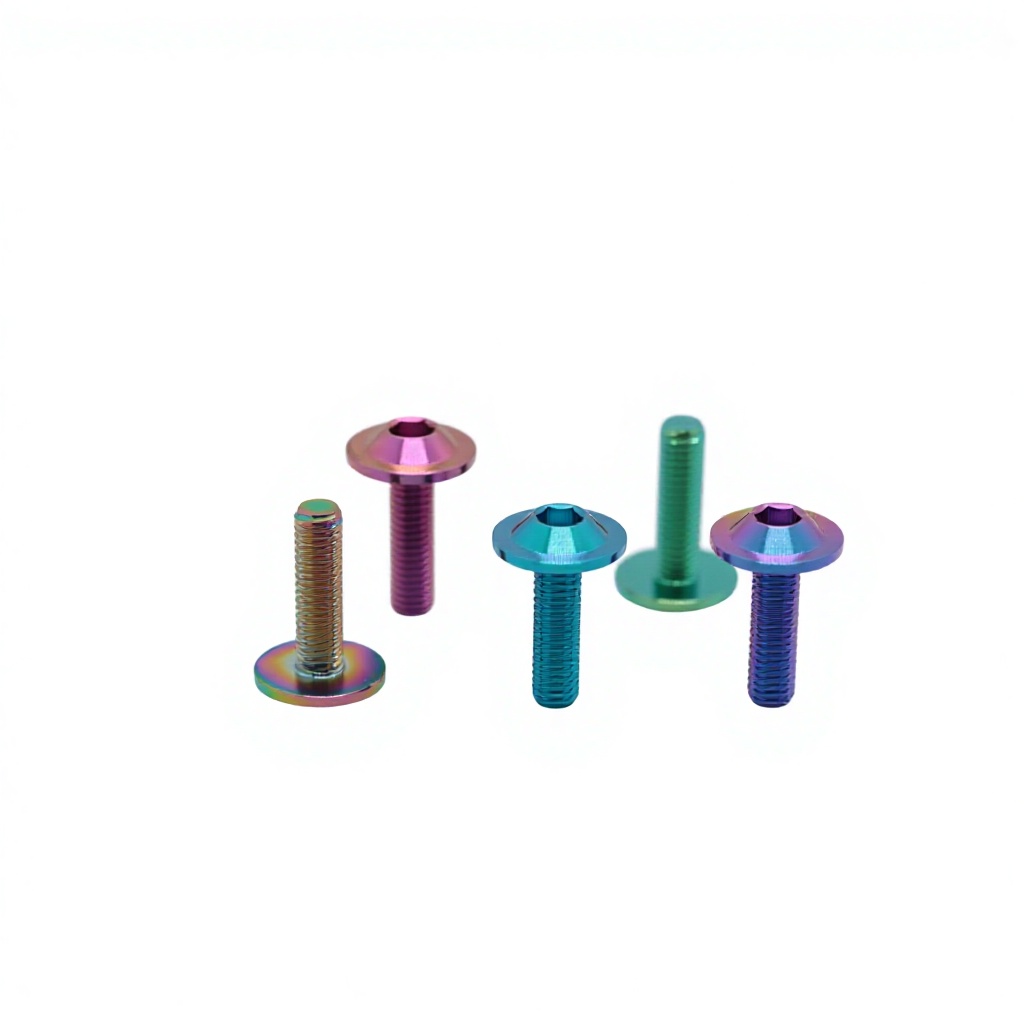
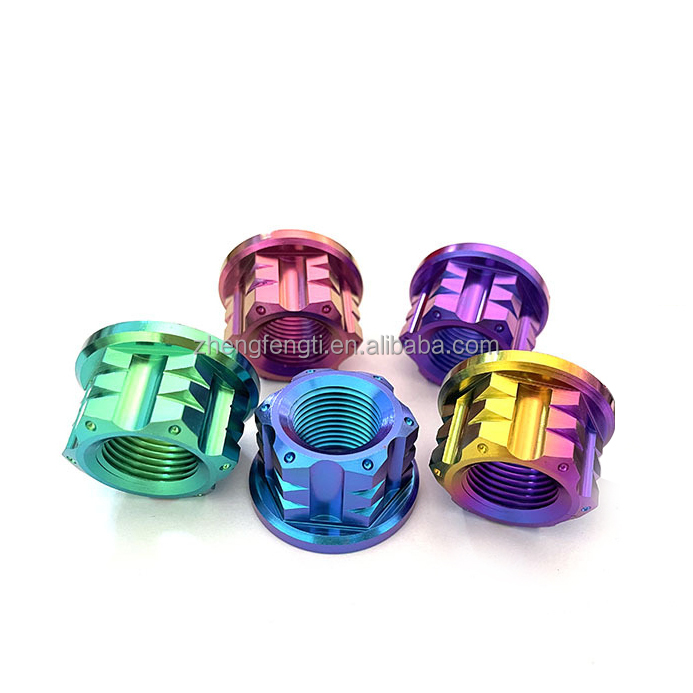
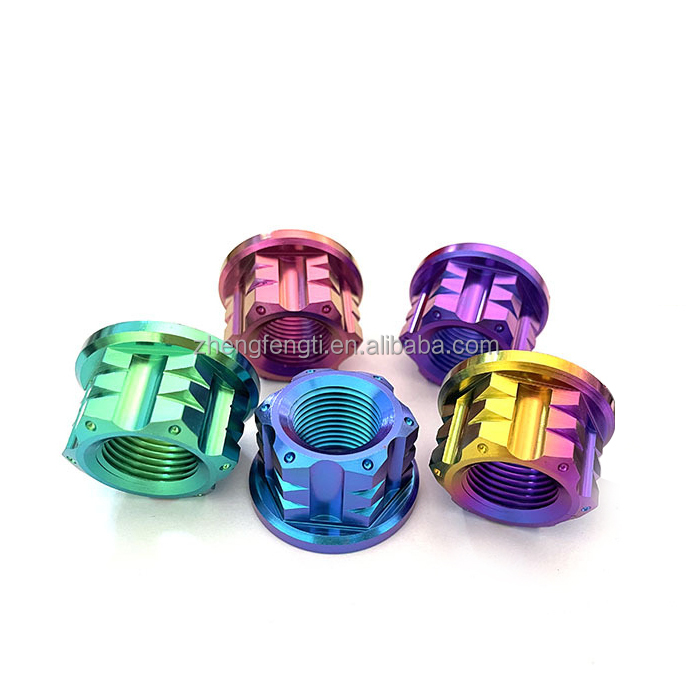
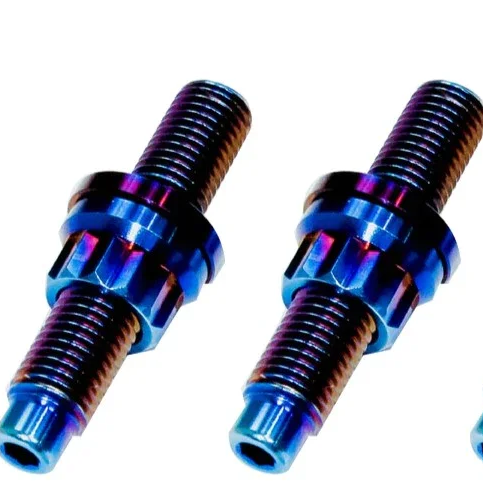
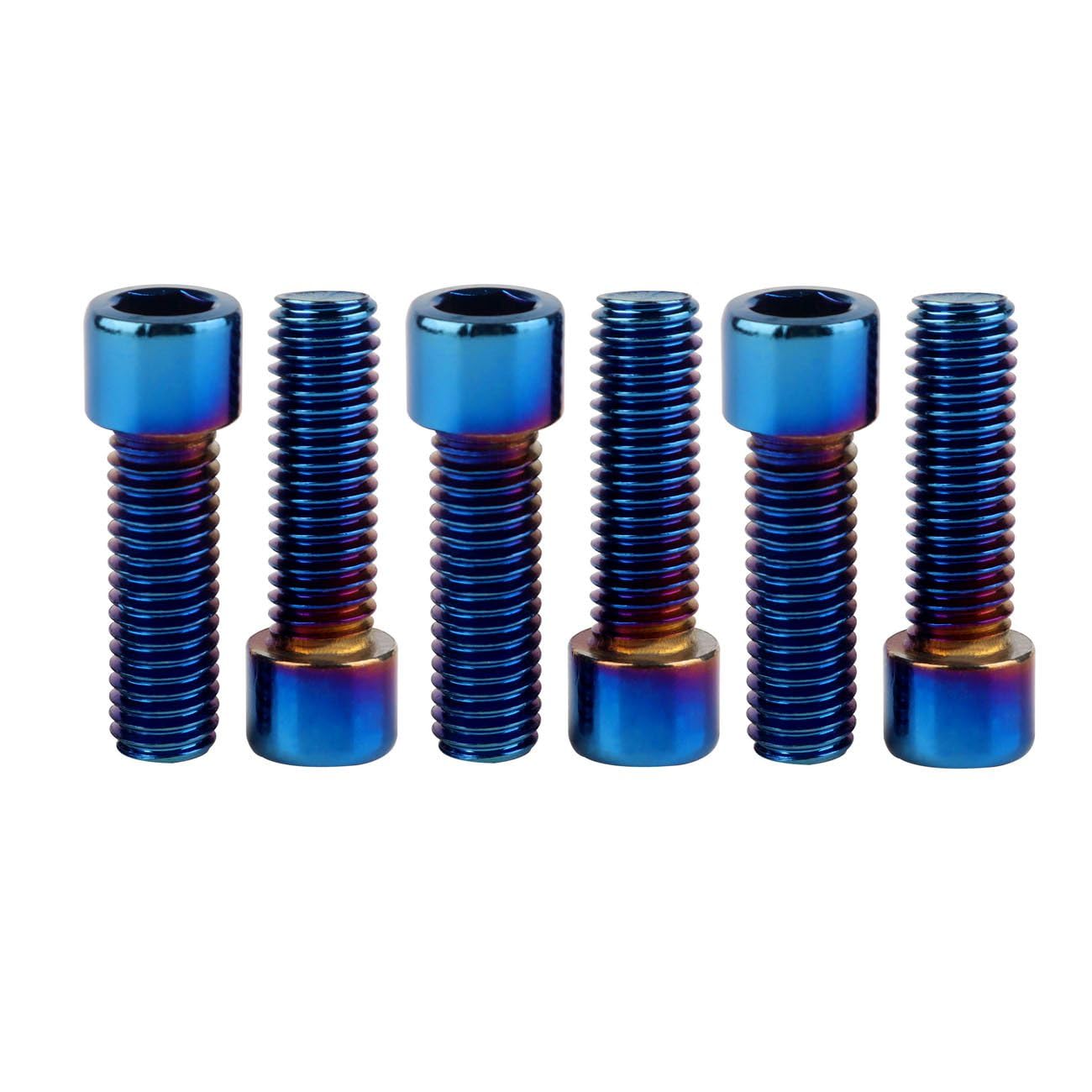
Furthermore, surface engineering plays a crucial role in automotive longevity. While standard anodizing produces aesthetic oxide layers (burnt blue, gold, purple) through controlled electrochemical voltage changes, structural automotive fasteners benefit from Type II industrial anodizing (AMS 2488) or specialized PVD ceramic coatings. These surface barriers prevent galling, improve dry assembly repeatability, and provide dielectric isolation when fastening titanium bolts into magnesium or 6000-series aluminum chassis castings.
Baoji Titanium Valley Manufacturing Infrastructure
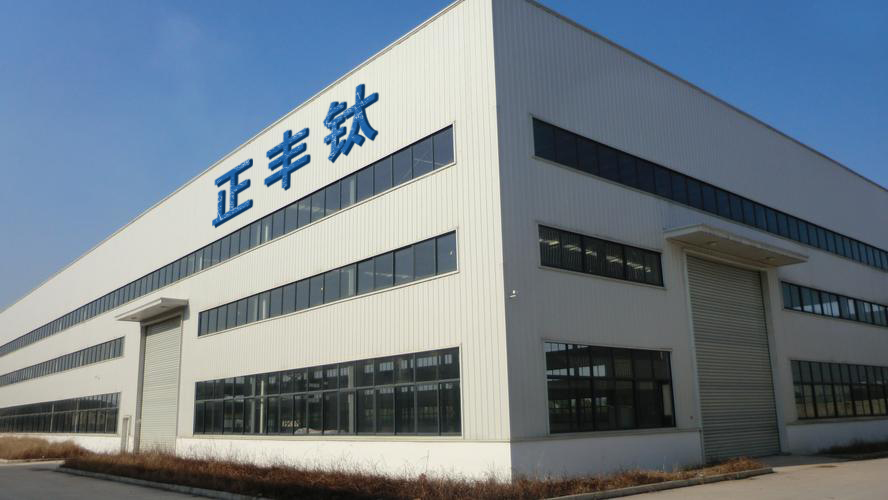
Operating since 2013 from the Honeycomb Industrial Park within the High-Tech Development Zone of Baoji, Shaanxi—widely acknowledged as China's "Titanium Valley"—Yevzo Titanium Metal Co., Ltd. provides a vertically integrated manufacturing infrastructure. Situated directly within the country's deepest non-ferrous metallurgical cluster, our plant maintains direct heat-lot traceability from pristine titanium sponge reduction to finished automotive hardware.
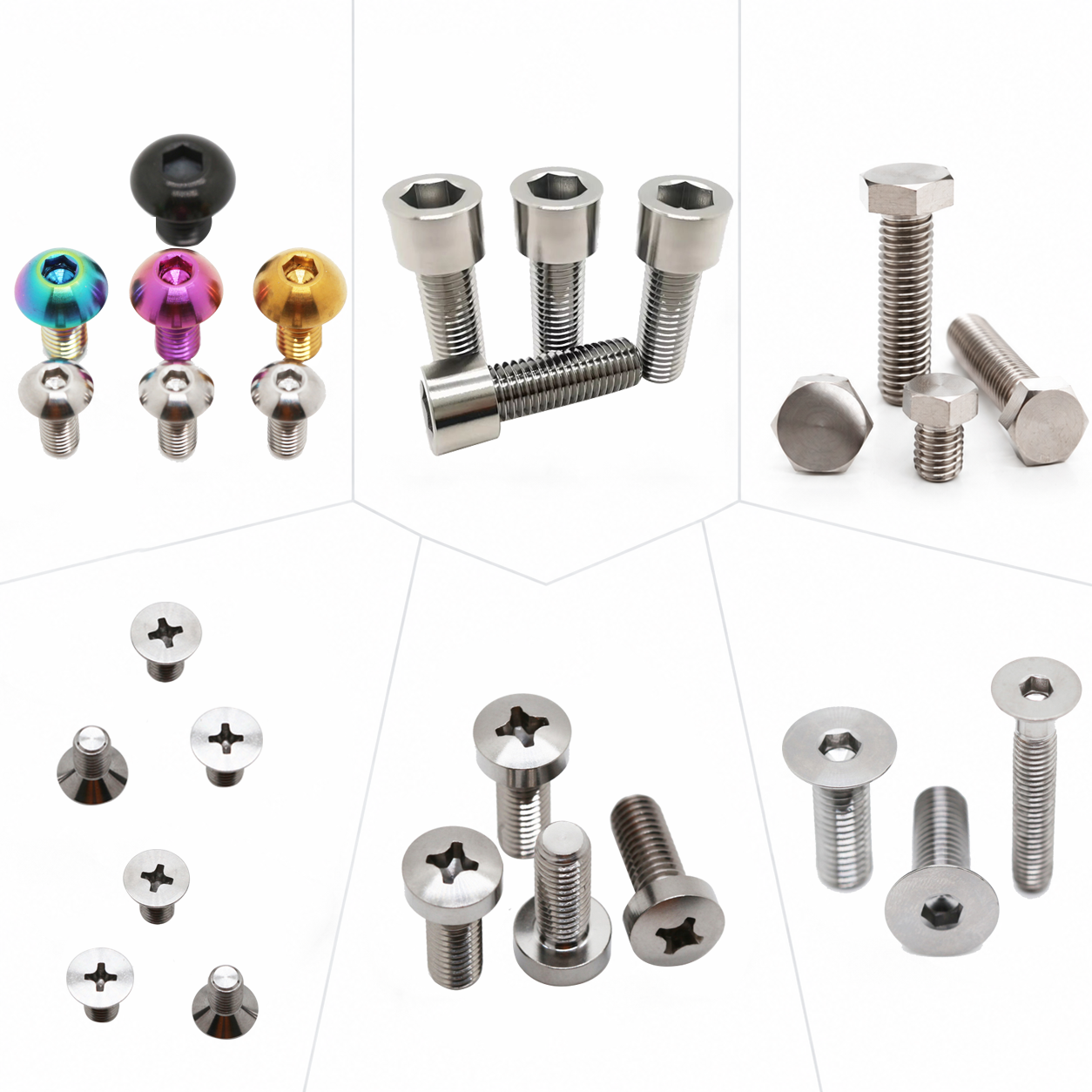
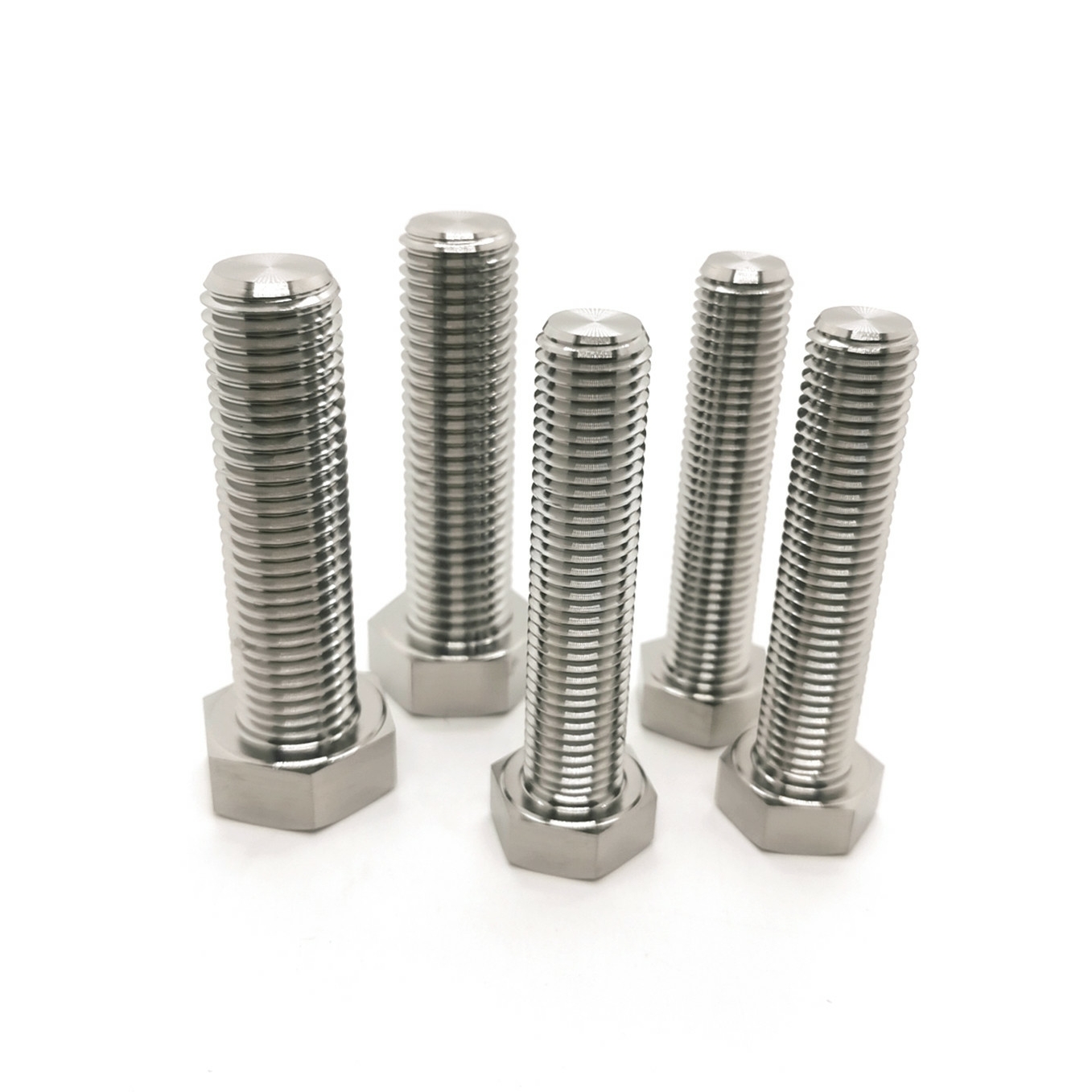
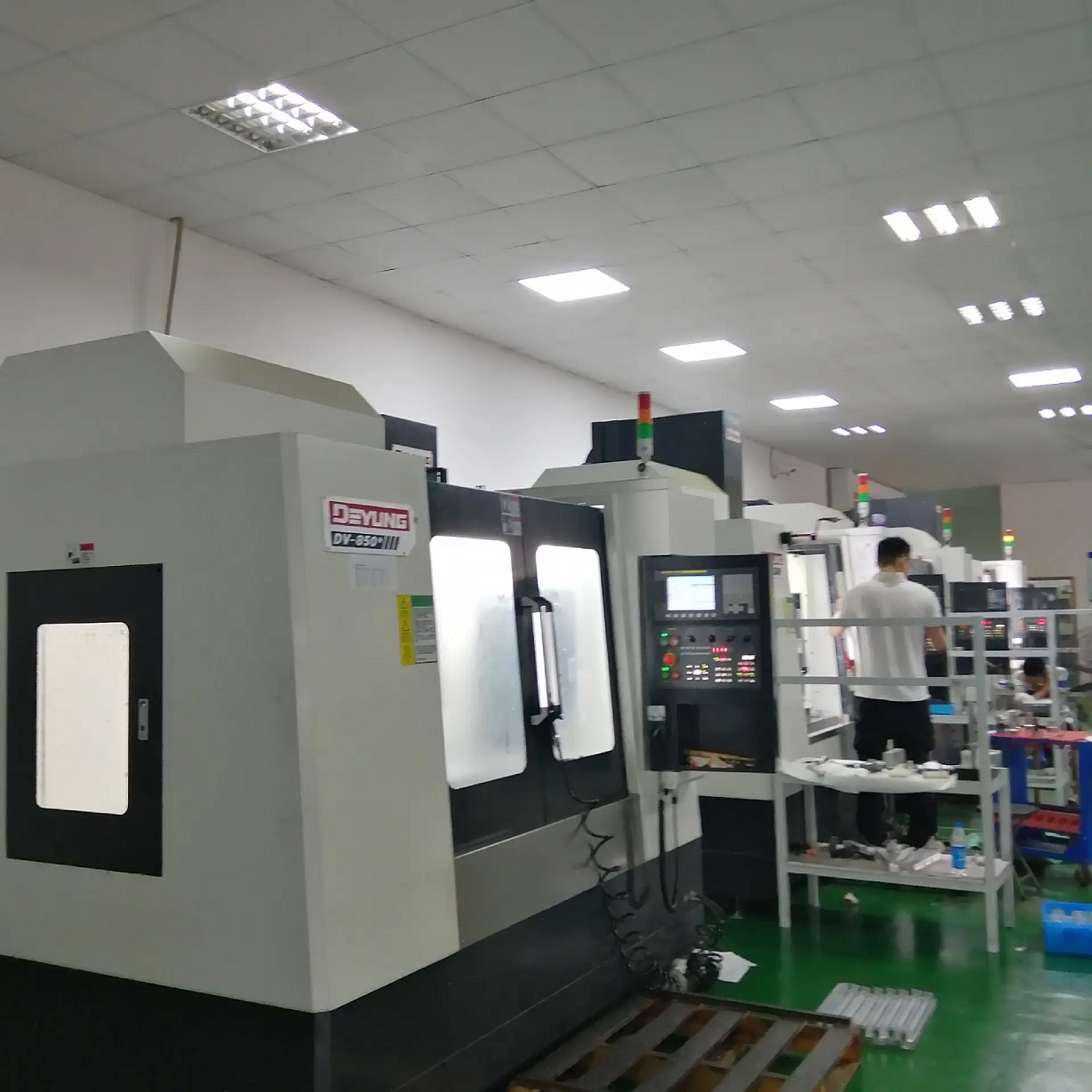
Our production facilities house over 100 sets of advanced CNC multi-axis turning-milling centers, cold-heading forming lines, automatic thread rolling machinery, and vacuum heat treatment furnaces. Every custom fastener or standard catalog item (ISO 4014, DIN 912, DIN 6921, DIN 6923) is manufactured under an ISO 9001 certified quality management framework, ensuring full conformity with CE directives and automotive tier-1 specifications.
- 100+ CNC Machining Units
- EN 10204 3.1 Traceability
- Cold Rolled Thread Forming
- In-House Spectral & CMM Lab
Frequently Asked Questions: Technical, Metallurgical & Sourcing
Detailed engineering answers to address the operational and logistical inquiries commonly encountered by global automotive importers, distributors, and engineering procurement teams.
What specific CE and ISO certifications are provided with your titanium automotive fasteners?
All titanium automotive fasteners produced by our facility comply with the European Union General Product Safety Directive and Machinery Safety standards under CE declaration of conformity. Furthermore, our raw materials and manufactured lots are accompanied by EN 10204 Type 3.1 Inspection Certificates. These inspection sheets provide full traceability back to the melting ingot heat lot, stating chemical composition (ICP-AES spectrometry verifying exact Ti, Al, V, Fe, C, N, and trace H gas fractions), room-temperature mechanical yield and tensile testing, hardness measurements (HRC / HV), and ultrasonic defect scans per ASTM B348 and ASTM F468.
How do you resolve galvanic corrosion when Grade 5 titanium bolts connect to aluminum or magnesium housings?
In the galvanic series, titanium possesses a noble, cathodic electrochemical potential relative to structural aluminum (e.g., 6061-T6, A356-T6) and magnesium alloys. In the presence of an electrolyte (such as road brine or salt spray), unprotected direct contact can accelerate galvanic oxidation of the softer aluminum component. We mitigate this through three proven engineering approaches: (1) applying specialized non-conductive ceramic PVD or micro-arc oxidation coatings to the titanium fastener; (2) incorporating passivated Grade 5 titanium or PTFE/insulating composite washers to break the electrical contact bridge; and (3) supplying factory-specified synthetic anti-seize paste containing zinc or molybdenum barrier particles that seal thread interfaces against moisture ingress.
What torque tightening specification should be applied to titanium lug bolts compared to OEM steel?
Because Grade 5 titanium has an elastic modulus of ~114 GPa (roughly half of steel's 205 GPa) and distinct surface friction characteristics, applying standard dry steel torque charts can result in improper preload clamp force or thread galling. The torque-tension relationship is governed by the formula $T = K \cdot D \cdot F$ (where $T$ is tightening torque, $K$ is the nut friction factor, $D$ is nominal bolt diameter, and $F$ is desired clamp load). When utilizing our smooth rolled titanium threads treated with a copper-free, molybdenum-disulfide or nickel-based anti-seize paste ($K \approx 0.12$), titanium wheel lug bolts typically require approximately 85% to 95% of OEM steel torque to generate identical axial clamping force without over-straining the threads.
Why are rolled threads strictly required for automotive wheel studs and engine fasteners instead of cut threads?
Subtractive machining (cutting threads with a lathe tool or die) physically severs the natural grain structure of the titanium bar stock, producing sharp microscopic notch points and micro-tears in the thread roots. These stress risers act as focal initiation zones for fatigue crack propagation under cyclical automotive road shock and centrifugal shear loads. Cold thread rolling applies precision circular rotational pressure to displace the metal plastically, keeping grain boundaries uninterrupted and burnishing the thread root radius with residual compressive stresses. Rolled threads deliver over 30% higher shear resistance and more than triple the fatigue life under ISO 3800 dynamic axial stress testing.
What is the standard Minimum Order Quantity (MOQ) and production lead time for custom OEM drawings?
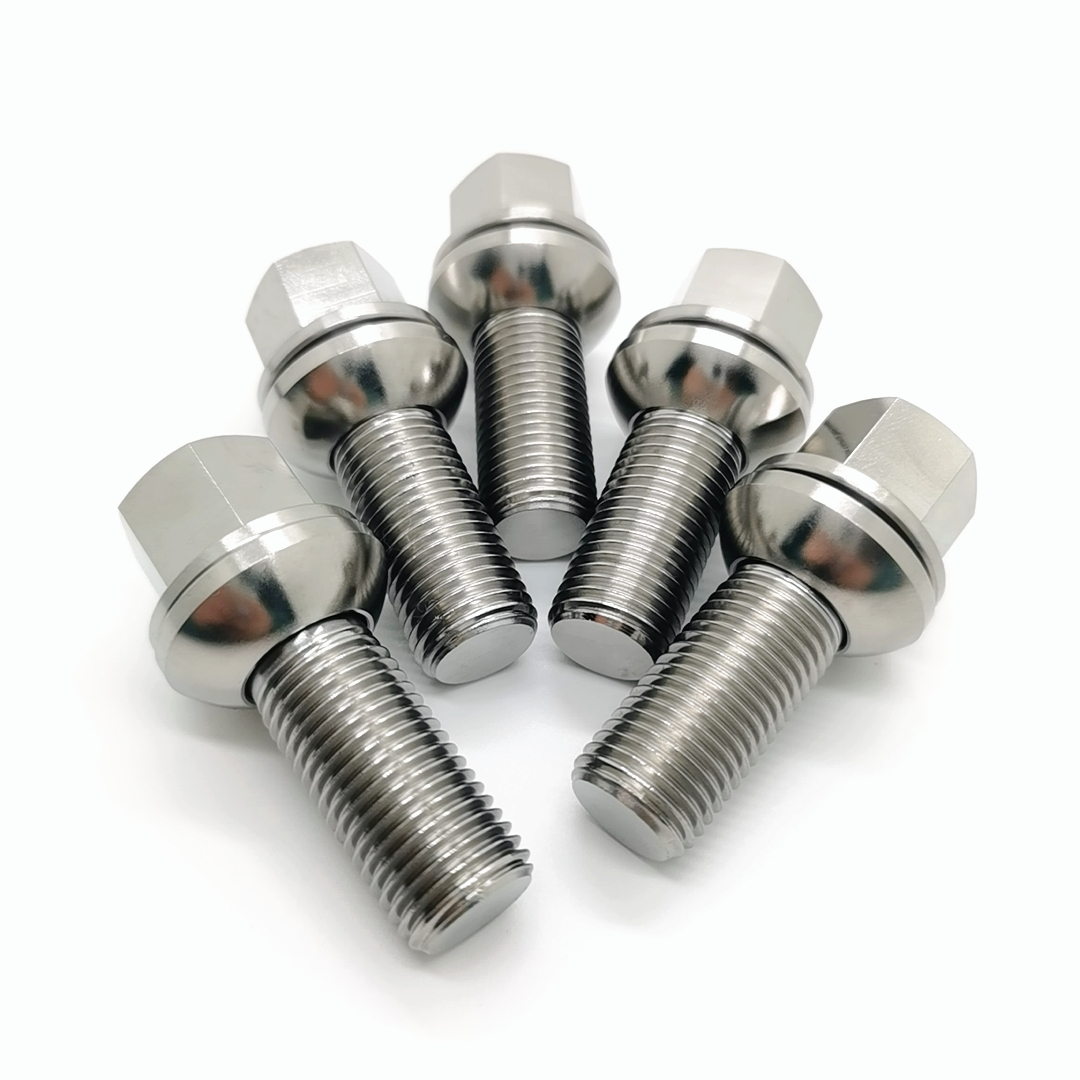
For standard catalog items maintained in our inventory warehouse (such as ISO 4018 hex bolts, DIN 912 socket screws, and DIN 6923 flange nuts in standard metric thread sizes M4 to M16), our MOQ starts at just 20 to 100 pieces per specification, with orders ready to dispatch within 3 business days. For customized OEM / ODM engineering designs manufactured from customer 2D/3D technical drawings (such as specialized titanium wheel lug bolts with floating cone seats, eccentric camber bolts, or hollowed lightweight motorsport studs), production MOQs generally start at 100 to 200 pieces per batch, with engineering prototypes completed within 7 to 10 days and complete bulk orders shipped in 18 to 25 business days.
Which international trade terms and payment arrangements are supported for global container or air freight?
As an experienced global exporter delivering to North America, Northern and Western Europe, Australia, and East Asia, we support a comprehensive array of Incoterms including EXW, FOB (Shanghai, Qingdao, Shenzhen), CFR, CIF, and door-to-door Delivered Duty Paid (DDP) by express courier (DHL, FedEx, UPS) or air/sea cargo. Payment methods accepted include T/T bank transfer, Irrevocable Documentary Letters of Credit (L/C at sight), PayPal for rapid sampling, and Escrow credit facilities. Multi-currency transactions are supported in USD, EUR, GBP, AUD, and CAD.
Connect Directly with Our Titanium Fastener Engineering Desk
Submit your CAD files, STEP/DWG drawings, or project fastener specifications. Our technical metallurgical staff will review your thread class, shear loads, and torque specifications, delivering a formal production quote and compliance assessment within 24 business hours.