Choosing the top Titanium Screws for 2026 is not a beauty contest. A screw that performs well in a marine fitting may be the wrong choice for a lightweight machine assembly. Alloy, thread design, load, mating material, and installation torque all matter. Small details matter.
Titanium author Matthew J. Donachie, known for Titanium: A Technical Guide, provides a strong technical foundation for comparing material properties and applications. I can’t verify a specific quotation from him on screw selection, so I won’t place invented words in his mouth. A reliable rule for this guide is simple: match the screw to the joint, not just the product label.
The comparisons ahead consider commonly used grades, corrosion resistance, strength-to-weight needs, thread options, and manufacturer documentation. A Grade 5 screw, for example, may suit a demanding load, while commercially pure titanium can make sense where corrosion resistance is the priority. Neither is automatically best. Installation also deserves attention: mismatched metals, damaged threads, or excessive torque can undermine a carefully chosen fastener. Check the specification sheet. Check the application. Then compare actual products, not broad promises. One limitation remains: product availability and specifications can change, so confirm current manufacturer data before purchasing.
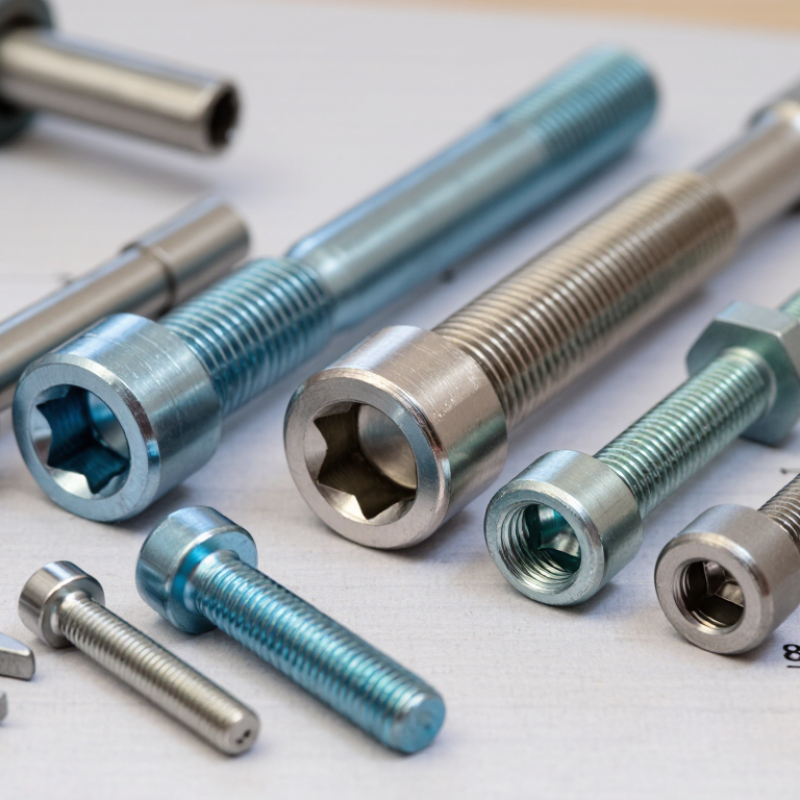
How Titanium Screws Are Made and What Sets Them Apart
What Are the Top Titanium Screws for 2026? How Titanium Screws Are Made and What Sets Them Apart
“Top” depends on the job. Titanium screws are valued for their low weight and corrosion resistance, but the material alone does not guarantee good performance. The alloy grade, thread shape, head design, and surface finish all matter. For example, a screw exposed to salt spray may need different specifications from one used in a lightweight assembly. Small details matter. Buyers should check technical data and confirm that the screw’s strength and dimensions suit the application.
Production starts with titanium alloy stock, which is cut and shaped by machining, forging, or other controlled processes. Threads may be cut or rolled, depending on the design and manufacturing requirements. The screws are then cleaned and inspected for dimensions, surface defects, and consistency. Careful inspection matters. Titanium can gall against other metal surfaces under pressure, so joint design and compatible materials should be considered. A shiny finish alone says little about quality.
Tips: Match the alloy and screw geometry to the environment and load. Ask for material and inspection documentation when specifications are critical. Avoid overtightening; follow the assembly guidance for the joint. One caveat: titanium is not automatically the best choice. Cost, wear, and installation conditions can change the decision.
What Are the Top Titanium Screws for 2026? — How Titanium Screws Are Made and What Sets Them Apart
This comparison highlights established titanium screw options and design types; it is a practical guide, not a ranked prediction. The best choice depends on the required strength, environment, mating material, and applicable specification.
| Screw option | Typical material | Key characteristics | Common applications | Selection considerations | How it is typically made |
|---|---|---|---|---|---|
| General-purpose machine screw | Commercially pure Grade 2 titanium | Good corrosion resistance and formability; lower strength than common titanium alloys such as Ti-6Al-4V. | Corrosion-conscious assemblies, equipment, and components where moderate mechanical loads are suitable. | Check the required tensile and clamp loads. “Titanium” alone does not identify a grade or guarantee a particular strength. | Produced from titanium stock by forming or machining; the head and drive are shaped, then threads are rolled or cut and the part is cleaned. |
| High-strength socket or hex screw | Grade 5 titanium (Ti-6Al-4V) | A widely used high-strength titanium alloy with a strong strength-to-weight ratio and useful corrosion resistance in many environments. | Lightweight machinery, aerospace-related hardware, sporting equipment, and other engineered assemblies. | Verify the alloy condition, product specification, and load requirements. Titanium is not automatically a drop-in replacement for steel. | Made by machining or forming, followed by controlled finishing; alloy condition and processing route affect final mechanical properties. |
| Enhanced-ductility alloy screw | Grade 23 titanium (Ti-6Al-4V ELI) | An extra-low-interstitial version of Ti-6Al-4V. It is specified for applications that require a controlled combination of strength, ductility, and fracture toughness. | Medical and other demanding applications when the relevant material and product requirements are met. | For implant use, confirm the applicable medical-device and material specifications, traceability, and approved processing; the alloy name alone is not evidence of implant suitability. | Manufactured with tightly controlled material chemistry and processing; final screws may be machined, finished, cleaned, and inspected to the applicable specification. |
| Fine-thread precision screw | Grade 2 or a titanium alloy, selected for the design | Fine threads provide smaller thread pitch than coarse threads and can support precise adjustment in compatible designs. | Precision assemblies and components with limited space or specific adjustment requirements. | Choose thread size, pitch, engagement length, and mating material together. Fine threads are not inherently stronger in every joint. | Threads are commonly cut or rolled. Thread form, surface condition, and dimensional tolerances should be checked against the drawing or standard. |
| Self-tapping screw | Often a titanium alloy; grade depends on the application | Designed to form or cut a mating thread in a suitable substrate during installation; performance depends on the screw geometry and substrate. | Selected lightweight assemblies and applications where a pre-tapped hole is not used. | Match the point and thread design to the substrate. Confirm installation torque and resistance to stripping; a titanium screw may gall in some metal-to-metal joints. | The point and thread profile are formed or machined to the specified design. Controlled finishing and inspection help ensure consistent fit and installation. |
Manufacturing and use note: Titanium screws are commonly made by cutting or forming the blank, shaping the head, producing the threads, and then cleaning and inspecting the finished part. The exact route depends on the grade and design. Titanium develops a naturally protective oxide film, but contact with dissimilar metals in a conductive environment can create galvanic-corrosion concerns; joint design and isolation may be needed.
FAQS
Grade 2 offers a practical balance of corrosion resistance and fabrication. Check the screw’s specification, not just its grade label.
Grade 5 provides higher strength and may suit lightweight assemblies with demanding loads. It is less formable than commercially pure grades. Strength alone is not enough.
Grade 23, also called Ti-6Al-4V ELI, has lower levels of oxygen and other interstitial elements than Grade 5. It is often specified for implant screws, subject to applicable requirements.
Machine screws fit tapped holes or nuts. Self-tapping screws form or cut threads as they are driven; a suitable pilot hole can reduce installation stress.
Consider salt exposure, moisture, expected load, and temperature. Grade 2 may suit many outdoor components, but the full assembly still matters.
Yes. Friction can cause titanium threads to gall. Follow the specified torque, and use anti-seize only when the assembly designer permits it.
Check the material certificate, dimensions, thread pitch, length, head style, and applicable specification. Vague listings deserve caution. Check clearances.
No assumption should be made. Implant screws require application-specific materials, documentation, and professional selection; ordinary hardware is not a substitute. I would not rely on a grade name alone.
Conclusion
This article explores what makes Titanium Screws a reliable choice for demanding applications, beginning with how they are manufactured and how their strength, low weight, and corrosion resistance distinguish them from other fasteners. It explains the titanium grades commonly used in screws and how differences in material properties can affect performance, durability, and suitability for particular environments.
The article also compares the main types of titanium screws and the applications they serve, then outlines practical criteria for evaluating top options in 2026, such as grade, dimensions, thread design, finish, and intended load. By considering these factors alongside installation requirements and operating conditions, readers can make a well-informed choice and select a screw suited to their specific needs.